
World News Roundup — November 5, 2026 (PM)
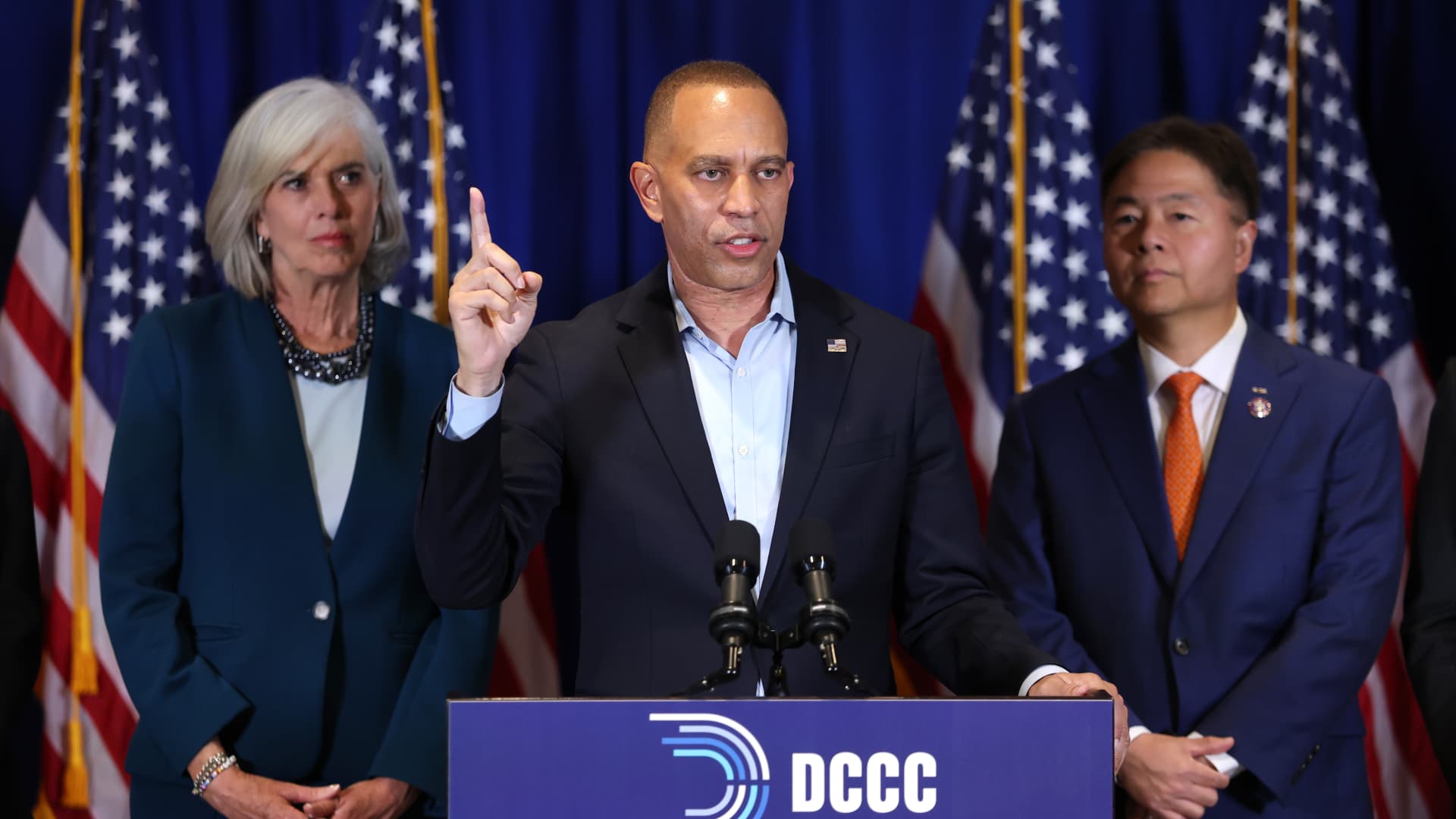
The US midterm elections delivered a decisive Democratic mandate, reshaping the domestic political landscape and signaling potential shifts in American foreign policy. Across Europe, mounting security concerns—from Baltic cable sabotage convictions to international flight disruptions—underscore geopolitical tensions. Economic pressures mount as central banks tighten monetary policy while labor movements demand relief, and health emergencies in Africa capture urgent international attention.
Democratic Sweep Reshapes US Political Landscape
US voters delivered a sweeping Democratic victory in midterm elections, rejecting Republican governance and potentially reshaping economic and foreign policy. Democrats gained significant House and Senate seats, signaling public disapproval of current Republican approaches to the economy, healthcare, and international conflicts. The election outcome carries implications for how Washington will approach ongoing crises in Gaza, Ukraine, and Iran—all potential focal points for policy shifts. Analysts note that the Democratic gains provide momentum for renewed domestic spending initiatives and potential regulatory changes affecting markets and trade relationships.
Europe’s Security Crisis: Cable Sabotage Convictions and Flight Threats

Finland convicted two crew members of sabotaging an undersea communications cable in the Baltic Sea, marking a significant escalation in hybrid warfare concerns. A Finnish court sentenced the captain and boatswain of a cargo ship for aggravated criminal damage related to cable cutting in the Gulf of Finland—an incident widely attributed to Russian state-backed operations. The conviction comes as European nations report a coordinated wave of bomb threats disrupting air traffic across the continent, prompting emergency protocols and heightening fears of coordinated security threats targeting critical infrastructure and transportation networks.
Ebola Crisis Expands: UK Evacuates Infected Citizen as Vaccine Trials Launch

The Democratic Republic of Congo’s accelerating Ebola outbreak has claimed over 5,000 lives across Africa, prompting the UK to evacuate a British citizen infected with the virus and accelerate vaccine deployment. The British government authorized evacuation of a citizen infected in Congo, emphasizing that risk to the British public remains low despite the severity of the African outbreak. Simultaneously, health authorities launched new vaccine trials involving experimental immunizations, representing a critical response to the continent’s worst outbreak in years. The coordinated response reflects growing international coordination on pandemic preparedness and vaccine development in resource-challenged regions.
AI Boom Faces Pushback Over Water & Energy Demands
Major tech companies’ plans for massive AI data centers are facing unprecedented voter backlash over water consumption and local power strain, forcing a reassessment of expansion strategies. Voters in key US regions rejected proposals for new AI facilities operated by Meta and SpaceX, citing concerns about groundwater depletion and grid reliability. The pushback highlights the environmental cost of AI infrastructure at scale—these facilities consume millions of gallons daily for cooling systems. The voter rejection signals that local communities are increasingly weighing environmental costs against corporate investment promises, potentially constraining the pace of AI infrastructure rollout.
Inflation Pressures Mount: UK Rate Hike, France Labor Escalation
The Bank of England raised interest rates for the first time since the Iran conflict escalated, with policymakers warning inflation could approach 5 percent—triggering corresponding labor unrest across Europe. The BOE’s rate hike to 4.25 percent reflects mounting inflation pressures and signals hardline monetary policy despite economic headwinds. In parallel, France exploded into mass labor strikes, with hundreds of thousands of workers demanding wage increases and improved working conditions amid the rising cost of living. The combination of tighter monetary policy and worker protests highlights the economic strain facing developed economies as stagflation concerns resurface.
Global Voter Surge Against Autocracy
Voters worldwide are turning out in unprecedented numbers to reject authoritarian governance and support democratic reforms, a global trend cutting across regions and demographics. From Europe to Asia, elections in 2026 have seen record turnout as citizens actively resist democratic decay and backsliding. The surge reflects public frustration with corruption, inequality, and governance failures, offering a counternarrative to recent trends of rising autocracy. The pattern suggests a potential inflection point in the global democracy-versus-autocracy contest, with electorates actively mobilizing against authoritarian movements.
Compiled from the configured RSS feed.