
World News Roundup — November 3, 2026 (AM)
As the US midterm election enters its final stretch, international attention remains focused on the outcome of Tuesday’s vote, which will shape US foreign policy for the next two years. Meanwhile, Ukraine continues to absorb sustained Russian military strikes, a major Ebola outbreak in Central Africa has claimed over 5,300 lives, and severe weather systems are reshaping the global landscape. Climate disruption, trade tensions, and public unrest mark a turbulent week across multiple continents.
US Midterm Elections Drive Global Attention
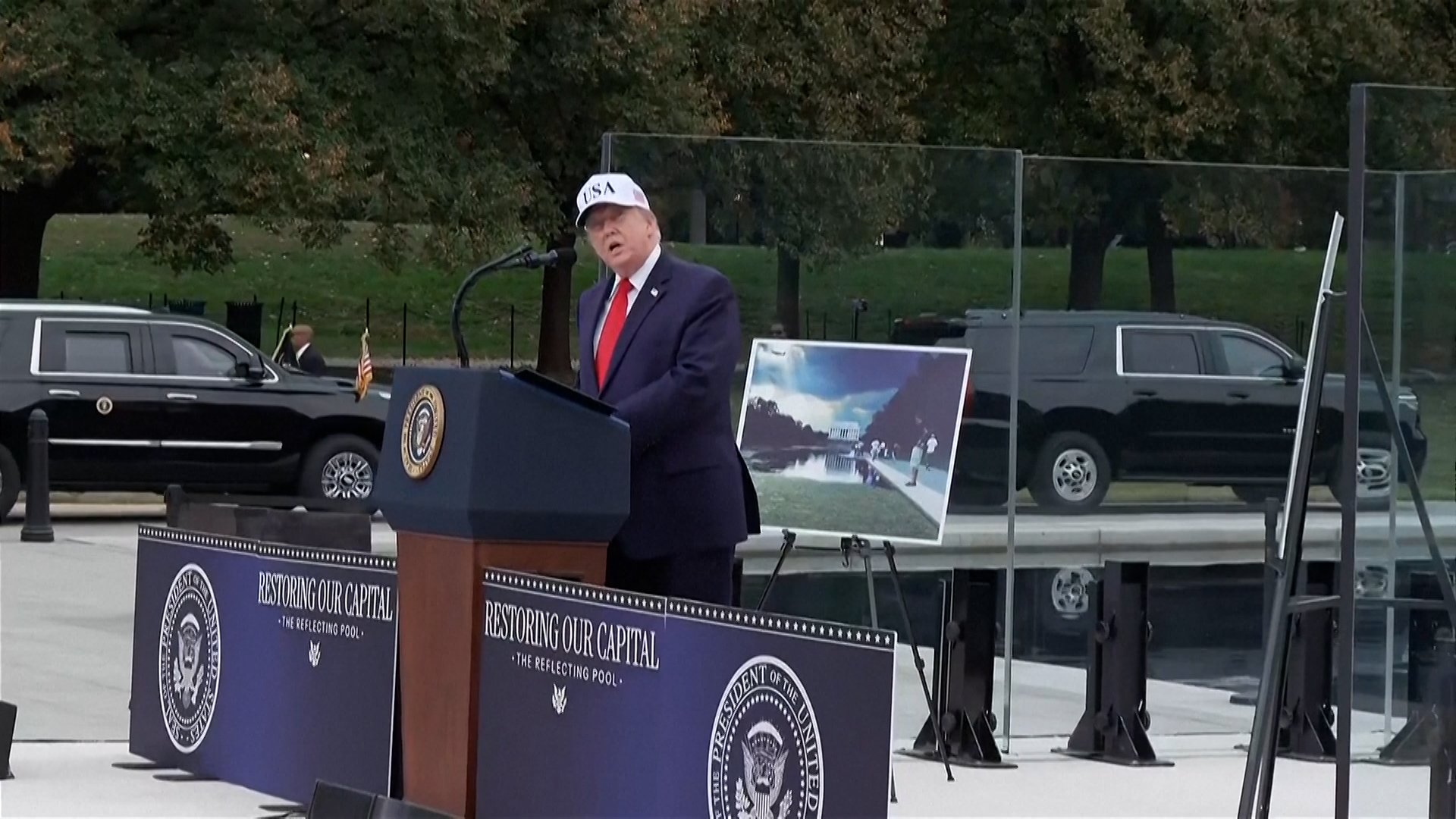
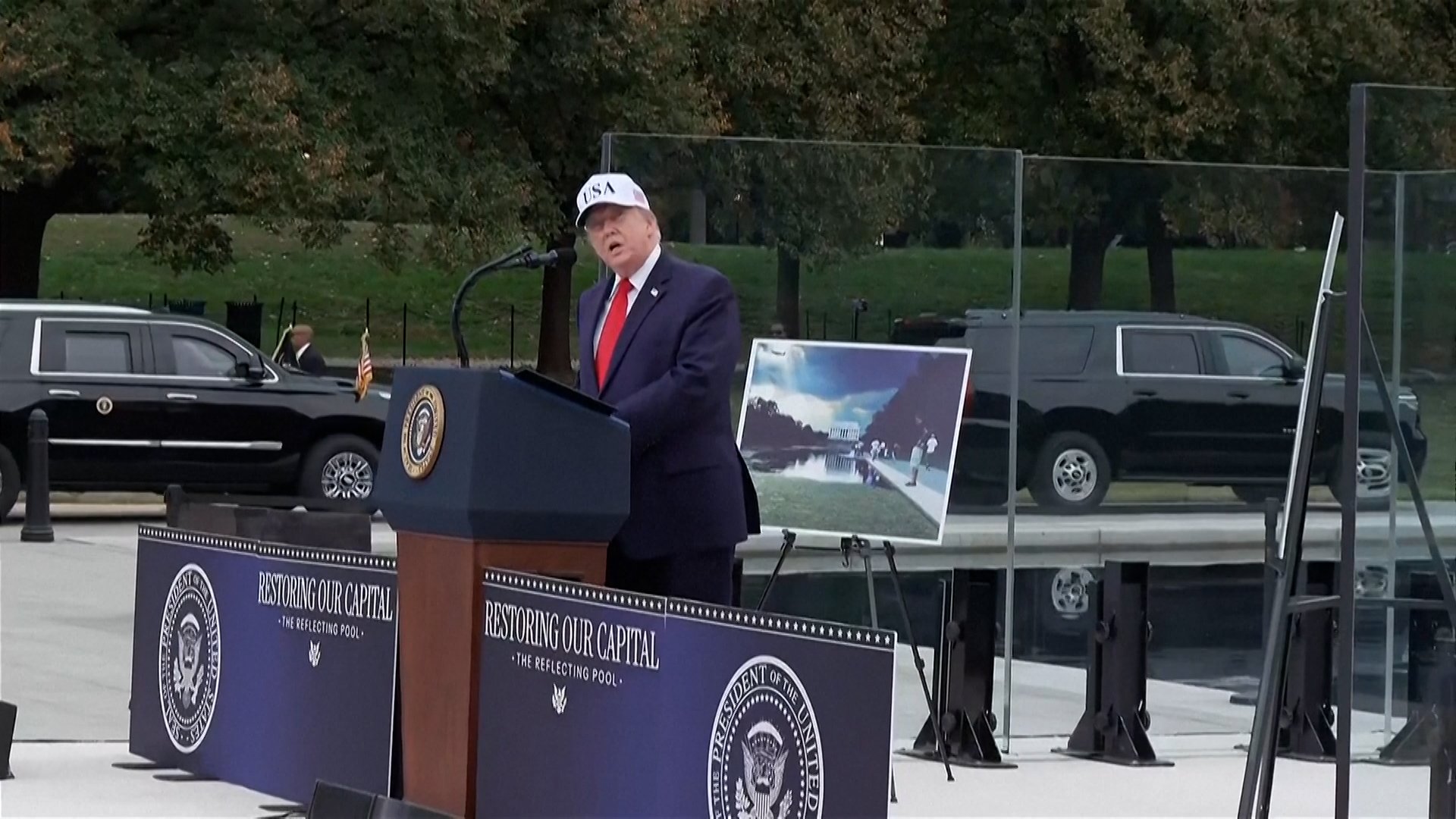
With Election Day on Tuesday, US political campaigns have reached fever pitch as candidates make final pitches to voters. Former President Trump addressed supporters at the Lincoln Memorial Reflecting Pool, urging maximum turnout in the midterm contest that will determine control of Congress and shape trade and foreign policy for the next two years. Trump’s approval rating stands near record lows according to recent polling, creating uncertainty about the election outcome. The midterms are likely to pivot US positions on critical issues including tariffs on China, military aid to Ukraine, and relations with Asia-Pacific allies—outcomes that reverberate globally.
Russia Escalates Strikes on Ukraine Humanitarian Operations
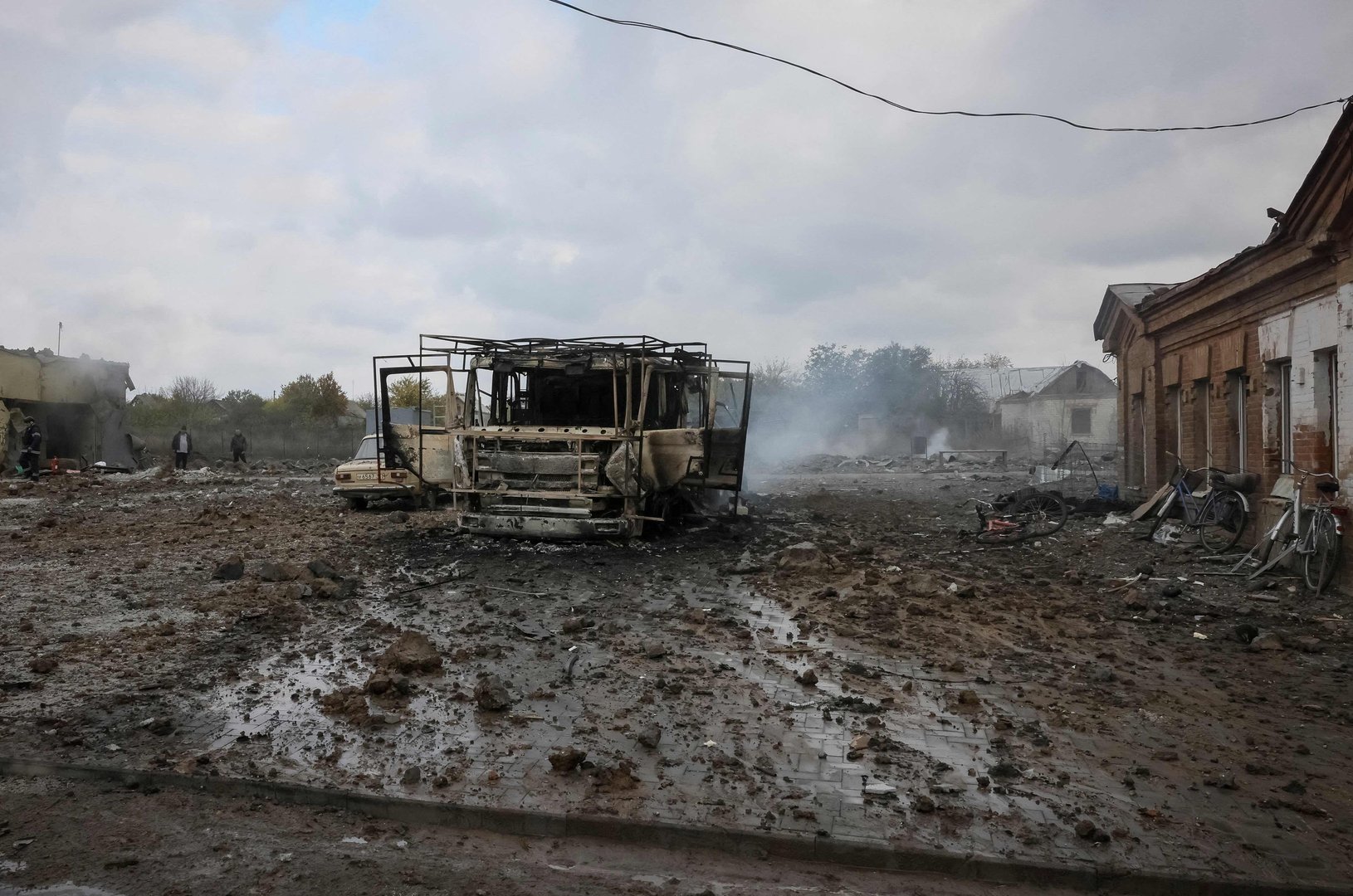
Russian forces have launched fresh strikes on civilian infrastructure in Ukraine, including a direct hit on a school building serving as a humanitarian aid distribution centre. At least 26 people were killed in the strikes, underscoring the continued targeting of civilian facilities despite international condemnation. The World Food Programme continues to provide hot meals to evacuees in communities like Oleshky as the UN pushes for humanitarian corridors, but Russian military operations have complicated aid operations across the country. The strikes coincide with ongoing calls from Washington for a negotiated settlement, making ground conditions increasingly desperate.
Ebola Outbreak in DR Congo Becomes Region’s Deadliest

The Bundibugyo strain of Ebola ravaging the Democratic Republic of Congo has now claimed over 5,300 lives, making it one of the deadliest outbreaks on record. The virus has already spread to neighbouring Kenya and Uganda, prompting regional health alerts and triggering international concern about containment. The outbreak has exposed gaps in public health infrastructure and coordination across Central Africa, with health systems overwhelmed by the scale of transmission. Testing in Nigeria returned negative results, offering marginal relief to the region, but authorities warn the crisis remains far from under control.
Severe Weather Disrupts Mediterranean and Atlantic Regions

A powerful storm system swept across southern Europe, producing a tornado that tore through the coastal resort town of Castellaneta Marina in Italy, demolishing a beachfront restaurant and adjacent structures. The storm system also triggered dangerous maritime conditions across the Mediterranean, claiming at least seven migrant lives aboard a vessel bound for Spain’s Canary Islands. Simultaneously, Ecuador reported catastrophic flooding with houses collapsing under water pressure—a harbinger of climate volatility expected to intensify throughout the Atlantic hurricane and Mediterranean storm season. The incident underscores ongoing climate destabilization affecting vulnerable regions globally.
China’s Supply Chain Dominance Reshapes Global Tech

A deeper economic reality emerged this week: US chipmaker Nvidia’s latest humanoid robots rely entirely on mechanical hands sourced from Chinese startups, illustrating how deeply US technology giants remain dependent on China’s manufacturing ecosystem despite geopolitical tensions. The revelation prompted renewed discussion of US industrial strategy and the limits of decoupling from Chinese supply chains. Beijing has simultaneously begun signalling to rivals in the Asia-Pacific that the region depends on Chinese-made components and materials, effectively leveraging supply-chain interdependence as a geopolitical tool. The message underscores China’s structural advantages in advanced manufacturing even as US-led trade restrictions tighten.
In Brief
Africa Trade Suspension: The US announced it would suspend South Africa and Rwanda from duty-free trade access, a move that will cost South Africa $1.7 billion in annual export revenue across cars, agricultural products, and other sectors. The suspension marks escalating US trade pressure on the continent. (Al Jazeera)
Yamaha MotoGP Withdrawal: Motorcycle manufacturer Yamaha announced it would not compete in next weekend’s Qatar MotoGP, citing concerns over “the situation in the Middle East.” The withdrawal carries sporting implications and underscores how regional tensions affect international sports calendars. (Al Jazeera)
Student Protests in France: Student demonstrations resumed across France as pupils returned to school, continuing a wave of youth activism over education policy and social conditions. (Al Jazeera)
Compiled from the configured RSS feed.