
World News Roundup — October 22, 2026 (PM)
France’s government moved this week to contain escalating urban unrest, with President Macron blaming the “seditious far left” for demonstrations and imposing restrictions on Thursday’s planned protests across major cities. The ban on gatherings in parts of Paris, Lyon, Lille, and Grenoble marks a hardening of the state’s response to weeks of civil unrest, even as economists warn that bond market pressure is mounting on the administration.
France’s Protest Crisis and Government Crackdown
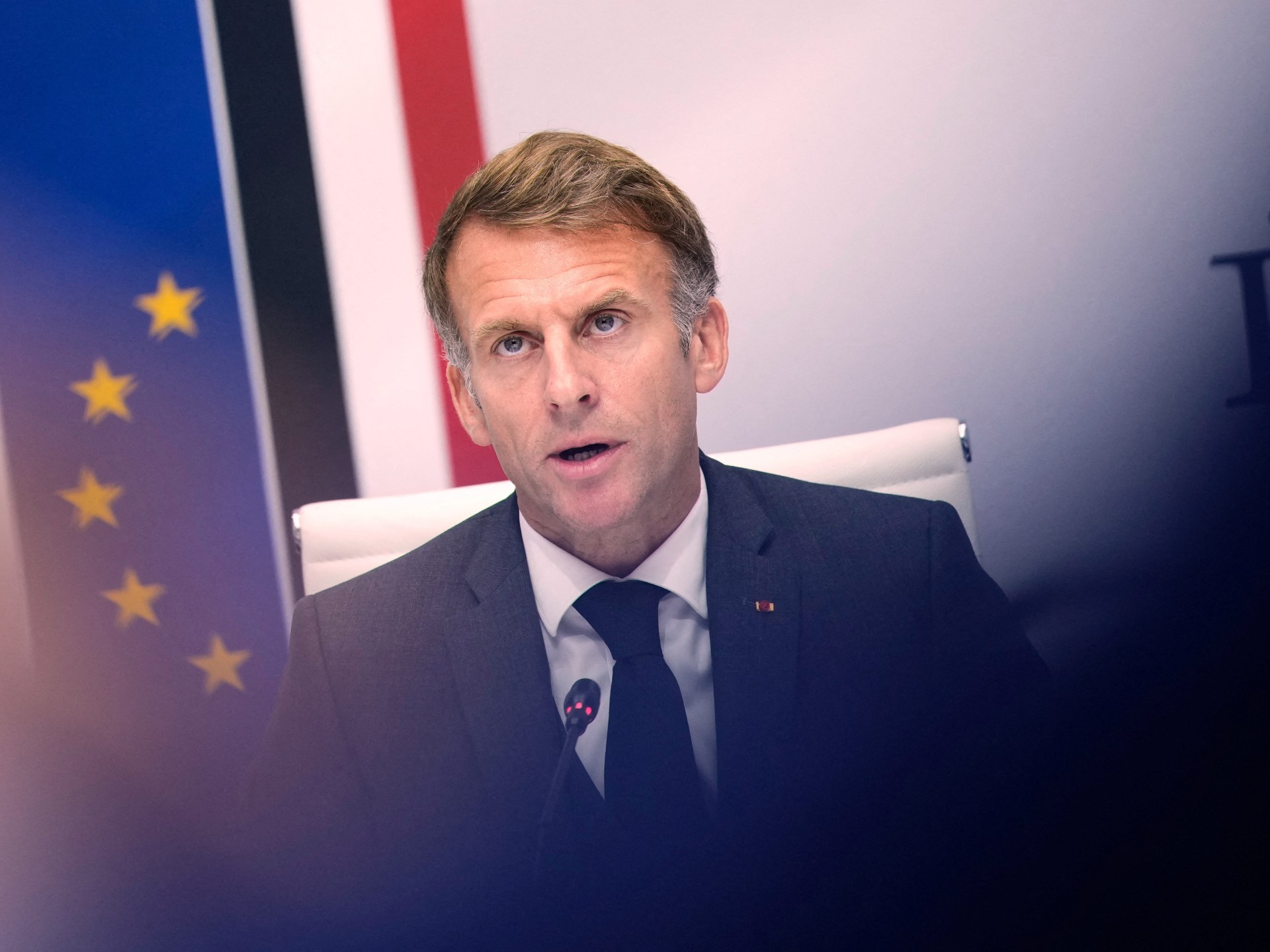
Macron escalates response to urban unrest. France’s government banned protests in major cities Thursday, with Macron denouncing what he calls “seditious” elements on the far left as civil unrest continues. The restrictions on gatherings in Paris, Lyon, Lille, and Grenoble mark a shift toward stricter enforcement, even as international critics, including Trump, weigh in on the instability. Economic pressures from bond market movements are compounding the political crisis, raising questions about the government’s fiscal stability.
Taiwan Prepares for Typhoon Champi Amid Election Politics
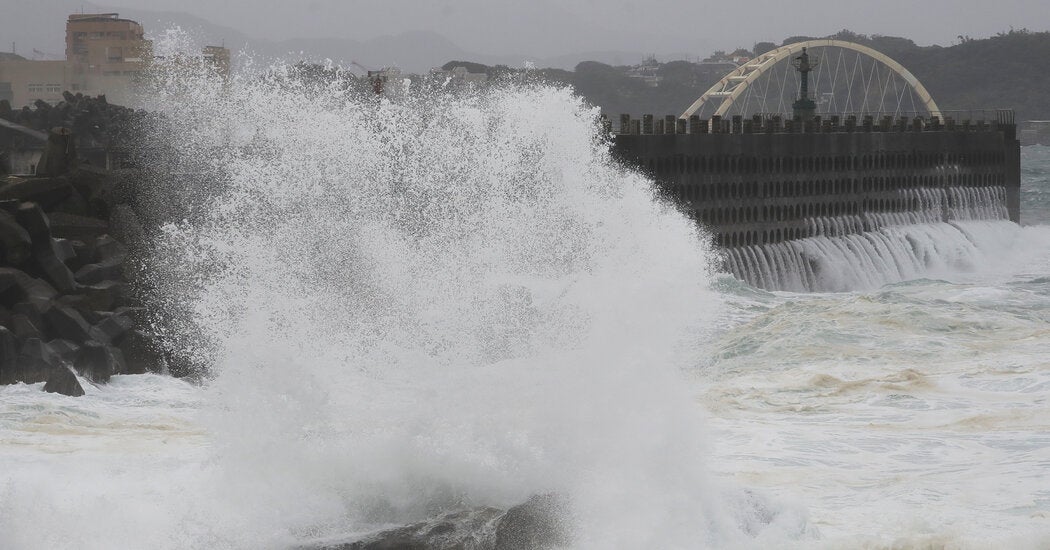
Election-year dynamics cloud Taiwan’s typhoon preparations. As Typhoon Champi approaches, Taiwan’s mayors are facing the politically charged decision to declare work and school closures. Analysts noted that the likelihood of such declarations increases by 31 percent during election years, suggesting that political calculations may be influencing what should be purely weather-based safety decisions. The overlap between crisis management and electoral politics underscores broader governance challenges across Taiwan’s local administrations.
Southeast Asia’s Toxic Haze Crisis Deepens
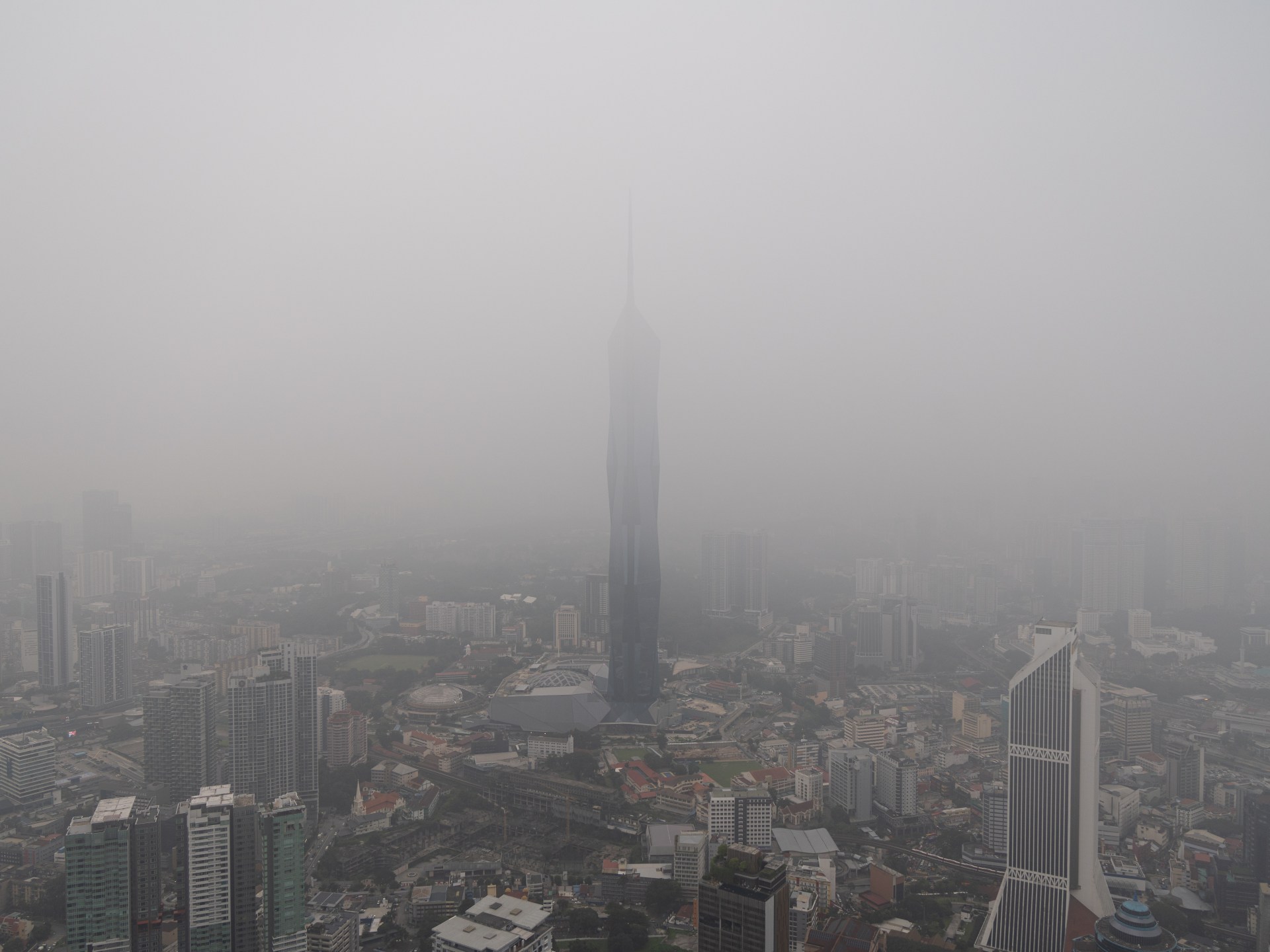
Legal challenges mount as ASEAN consensus approach falters. Southeast Asia’s recurring toxic haze problem is sparking renewed calls for legal action against polluters, but experts warn that ASEAN’s consensus-driven framework and lack of enforcement mechanisms make accountability difficult. The region’s seasonal air quality crises have left communities choking on smoke for decades, yet international cooperation remains elusive. Policymakers are now exploring alternative legal pathways to hold major polluters responsible, breaking from the traditional ASEAN consensus model that has failed to produce results.
International Criminal Court Wins EU’s Top Human Rights Prize
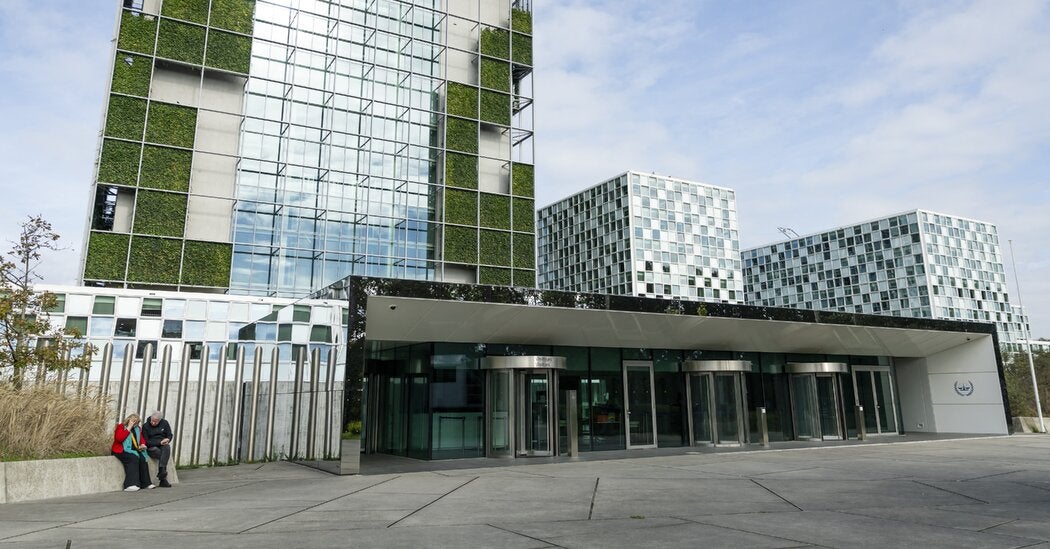
EU backs ICC as Trump administration targets the court. The International Criminal Court won the European Union’s prestigious Sakharov Prize for Human Rights, a symbolic show of support from Europe as the Trump administration moves to thwart the court’s work. The award underscores deepening divisions between the U.S. and Europe over international justice mechanisms, with the EU signaling its commitment to the ICC’s independence and mission even as Washington threatens sanctions and withdrawal.
Turkey-Libya Maritime Deal Reshapes Mediterranean Alliances

Libya’s parliament shifts strategy with Ankara, alarming Egypt and EU. Eastern Libya’s parliament has backed a controversial maritime border agreement with Turkey, signaling a significant realignment in Libya’s international partnerships. The deal, which redraws claimed sea boundaries and threatens to exclude Egypt and EU states from maritime resource zones, has sparked sharp opposition from Cairo and Brussels. Analysts argue the pact represents a strategic pivot that could destabilize Mediterranean geopolitics and complicate efforts to contain regional tensions.
In Brief
Global PHP security vulnerability shuts down government and business websites. Governments across Kenya, the Netherlands, and elsewhere scrambled to patch a critical vulnerability in PHP, the world’s most widely used web programming language. The flaw threatened an estimated 70 percent of internet infrastructure, forcing urgent updates across public agencies and private companies to prevent exploitation by hackers.
Compiled from the configured RSS feed.