
World News Roundup — September 29, 2026 (PM)

The global news cycle today centers on artificial intelligence regulation and safety, economic tightening across the developed world, and the continuation of major geopolitical conflicts. As AI capabilities accelerate, pressure mounts on policymakers to establish guardrails before risks materialize.
AI Safety Gains Political Urgency

Major AI developers are signaling greater concern about their own creations’ risks, a notable shift from the promotional framing of the industry’s early years. Companies including Anthropic, OpenAI, and others have publicly acknowledged potential dangers from advanced models, with OpenAI abandoning plans for a major model release over safety concerns. Lawmakers are responding: Representative Ro Khanna introduced a new AI safety bill that would ban recursive or self-improving technologies until adequate safeguards are in place. Pope Leo echoed these warnings, stating that concerns about AI going rogue are not “fake news”—a direct counter to earlier dismissals of AI risks as overblown.
Australia Raises Rates to 15-Year High as Inflation Persists
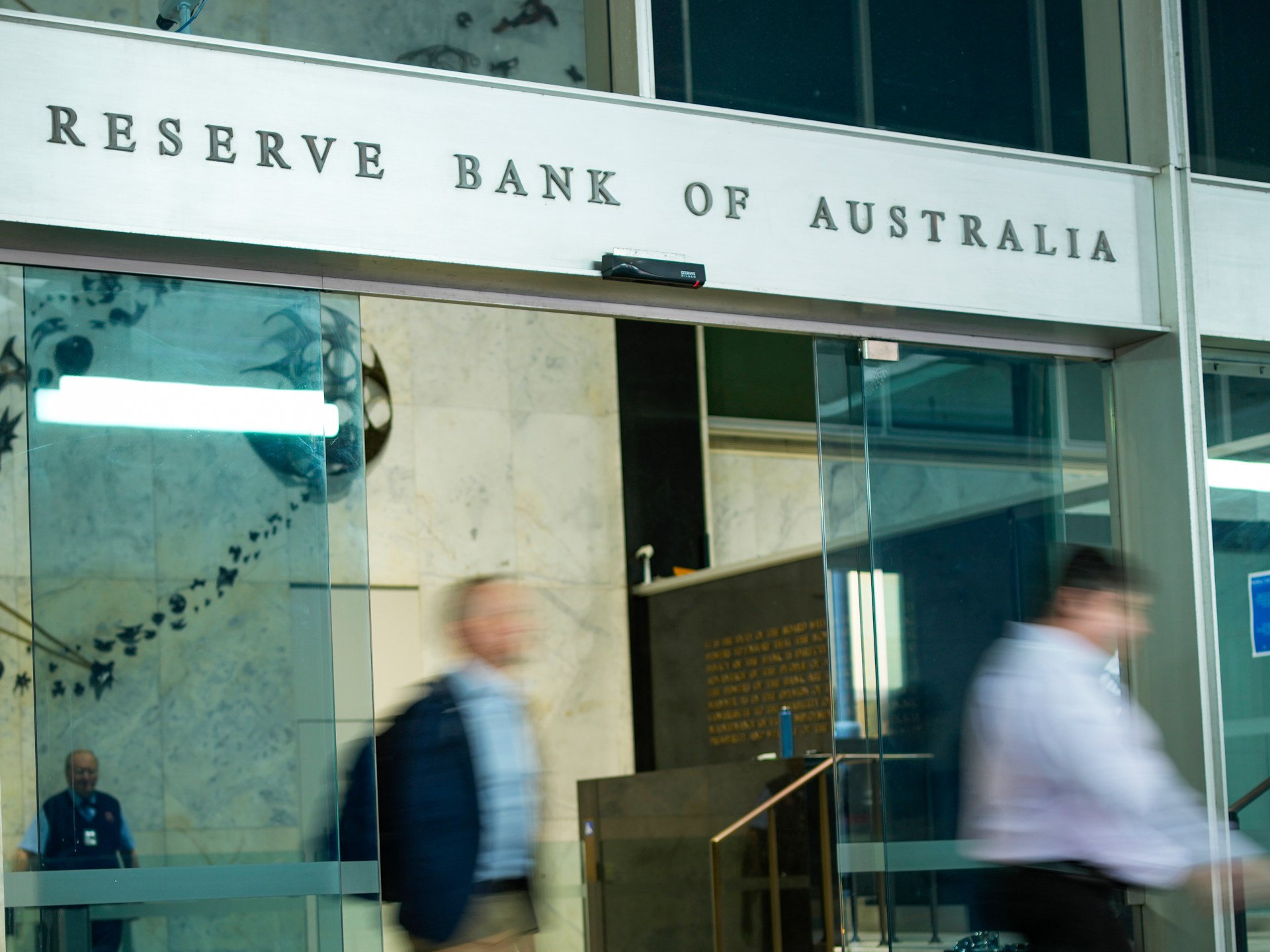
The Reserve Bank of Australia lifted its official cash rate to the highest level in 15 years, signaling that further hikes remain possible if inflation doesn’t moderate. The aggressive monetary tightening reflects persistent inflationary pressure across the developed economies, with Australia’s economy remaining hotter than policymakers would prefer. The central bank’s hawkish stance suggests that even at historically elevated rates, officials believe more work is needed to bring price growth back to target.
Russia Intensifies Assault on Kyiv, Strikes Academy of Sciences

Russia launched a major bombardment of Ukraine’s capital, hitting the Academy of Sciences—a historic research institution—and leaving multiple people dead. Footage from the strike shows flames engulfing part of the building while residents leaned from windows amid the inferno. The assault underscores Russia’s continued willingness to target civilian and cultural infrastructure as the war grinds through its third year, with no negotiated settlement in sight.
Nigeria Grapples with Mass Abductions and Rising Kidnapping Crisis
More than 80 people were reported abducted in Nigeria as police discovered human remains at a crime scene, highlighting the deepening security crisis across the West African nation. Criminal gangs and militant groups continue to exploit weak state capacity in parts of the country, with kidnappings for ransom becoming increasingly brazen. The scale of the abductions underscores the humanitarian toll of Nigeria’s ongoing conflict.
US-China Diplomatic Thaw Marked by Panda Diplomacy

Two giant pandas arrived at an Atlanta zoo, marking a symbolic warming of US-China relations following a Trump-Xi summit. While observers noted the meeting was heavy on domestic political messaging, the gesture of gifting pandas—a classic tool of Chinese diplomacy—signals a temporary de-escalation in rhetoric between the world’s two largest economies. India, meanwhile, is preparing $25 billion in deep-tech investment to avoid falling further behind in the US-China technological competition.
Spain’s Housing Crisis Drives Protest Encampments in Madrid
Hundreds of people set up tent encampments in Madrid to protest Spain’s acute housing shortage, with affordable housing increasingly out of reach for ordinary workers. The visible encampments underscore the social strain caused by soaring property prices and limited affordable stock across major European cities—a problem exacerbated by high immigration and limited new construction.
In Brief
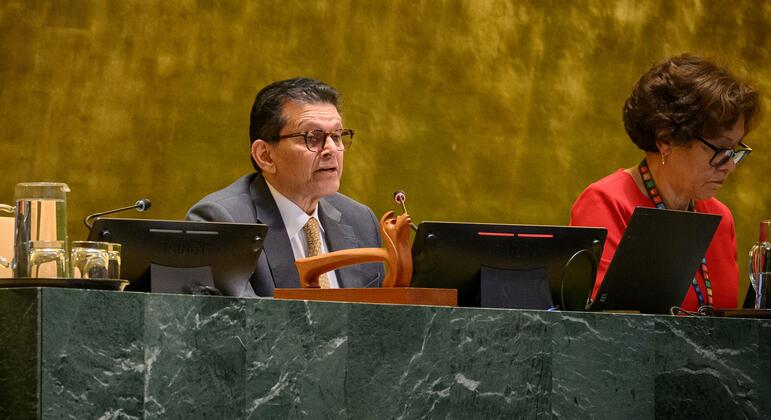
UN General Debate concludes with renewed calls to translate global commitments into action on climate, security, and human rights. North Korea reiterates nuclear status “irreversible” at the UN, rejecting international pressure. South Sudan pledges electoral reforms as the nation prepares for upcoming elections. Anti-Asian hate speech on X surges 240% according to a new US report, raising fresh concerns about online radicalization and social-media moderation.
Compiled from the configured RSS feed.