
World News Roundup — September 17, 2026 (PM)
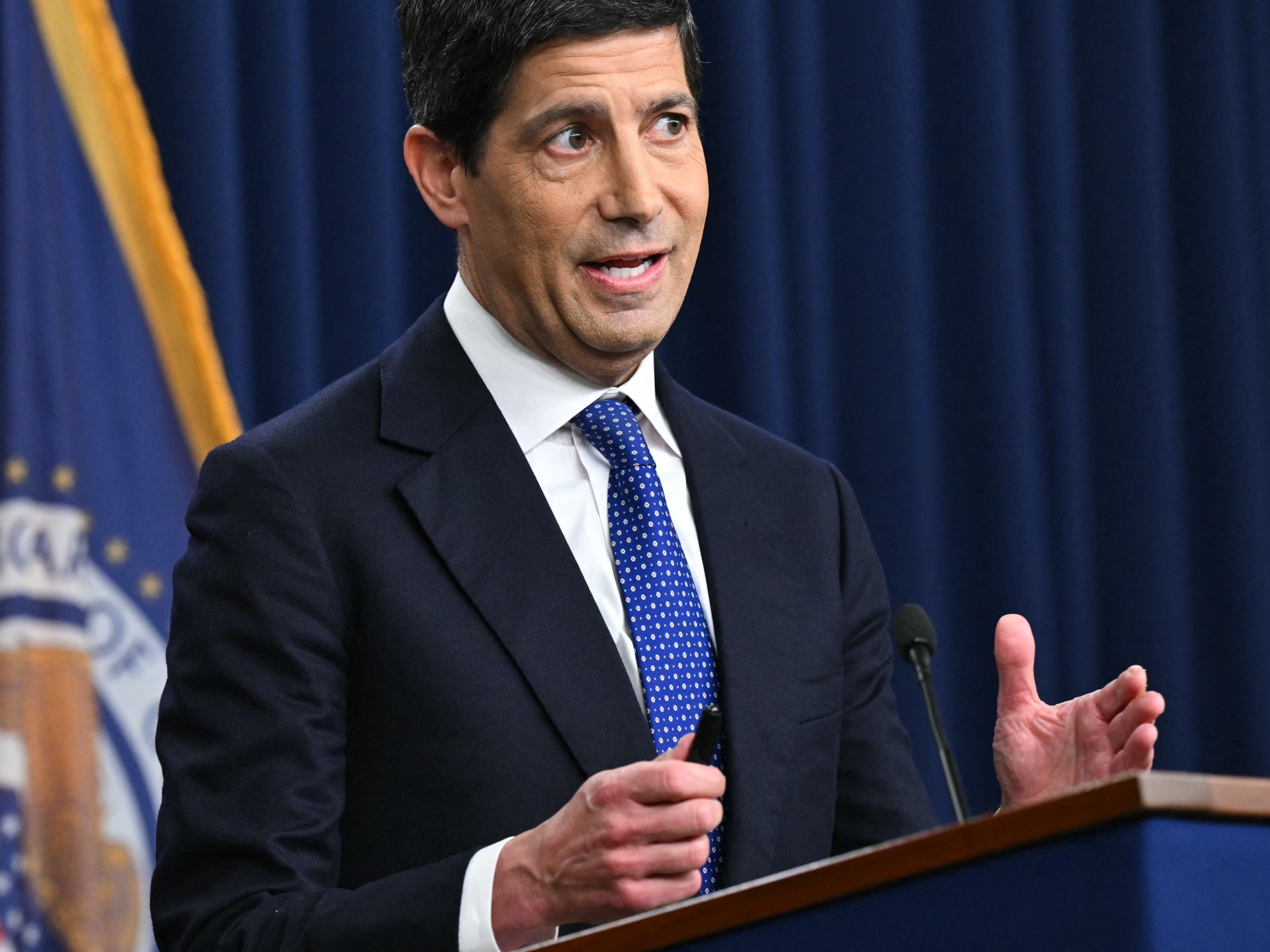
Markets are digesting the Federal Reserve’s first interest rate hike in three years, sending a jolt through global finance just as European politics delivered a surprise in Sweden’s razor-thin election. Elsewhere, flood recovery efforts in Nepal continued under grim conditions, an India-Pakistan naval incident raised escalation fears, and diplomats began positioning for next week’s UN General Assembly high-level week.
Fed’s surprise hike rattles markets, Bank of England holds firm
The US Federal Reserve delivered its first interest rate hike in three years, triggering a sharp sell-off before stocks began clawing back losses. The move immediately pushed the dollar higher and lifted Treasury yields, with analysts warning of a “higher for longer” rate environment that could ripple through mortgages, credit cards and savings accounts worldwide. Strategist Ed Yardeni slashed his S&P 500 target and urged investors to “proceed with caution,” while across the Atlantic the Bank of England defied the Fed’s lead by leaving UK rates unchanged, citing its own inflation calculus. The divergence underscores how central banks are now diverging sharply in their approach to taming inflation while avoiding a hard landing.
Sweden’s left-wing bloc narrowly survives, far right loses ground
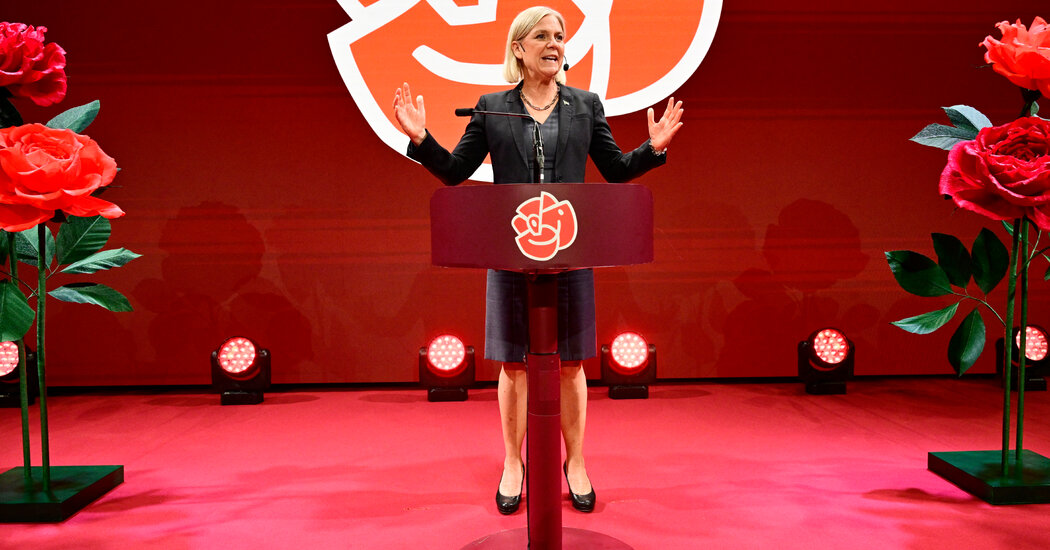
Sweden’s governing left-wing bloc scraped through an exceptionally close election, dealing a setback to far-right nationalists who have been gaining ground elsewhere in Europe. The result bucks a continental trend that has seen nationalist parties advance from France to Germany to Italy, and the country’s prime minister has said he will resign despite the bloc holding on to power. Analysts and voters described a palpable sense of relief that the far right’s momentum stalled, even as the margin of victory leaves the incoming government with a fragile mandate.
India-Pakistan naval collision stokes fears of unintended escalation
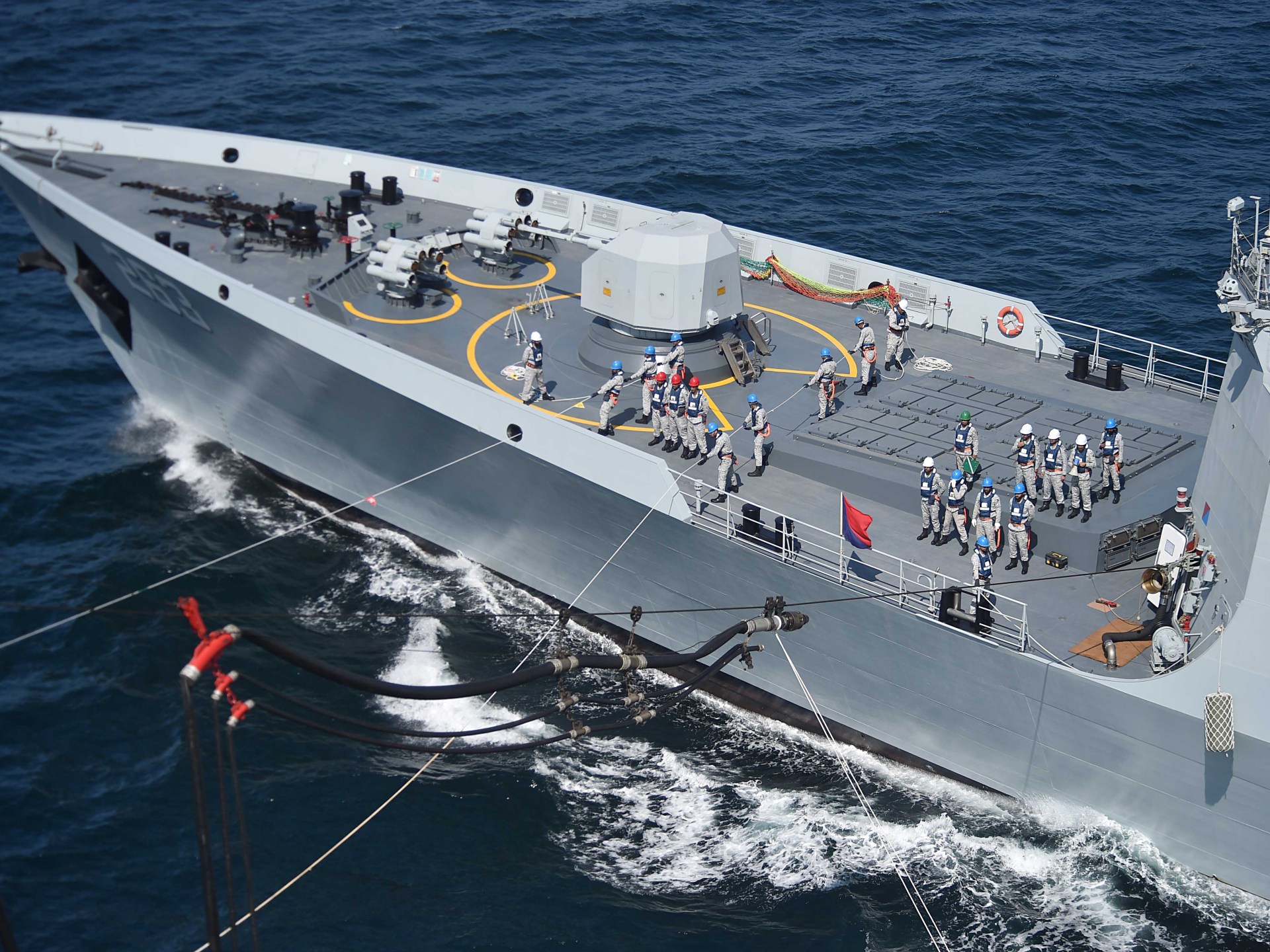
A collision between Indian and Pakistani navy vessels in the Arabian Sea has triggered a diplomatic scramble, with each side blaming the other for the incident. Pakistan says an Indian warship strayed into its exclusive economic zone, while India insists the collision took place in international waters. New Delhi has already summoned Pakistan’s diplomat to lodge a protest, and regional observers warn that with tensions between the nuclear-armed neighbors already elevated, even an accidental maritime incident carries real risk of miscalculation.
Nepal flood death toll climbs as rescuers pull bodies from buried plant
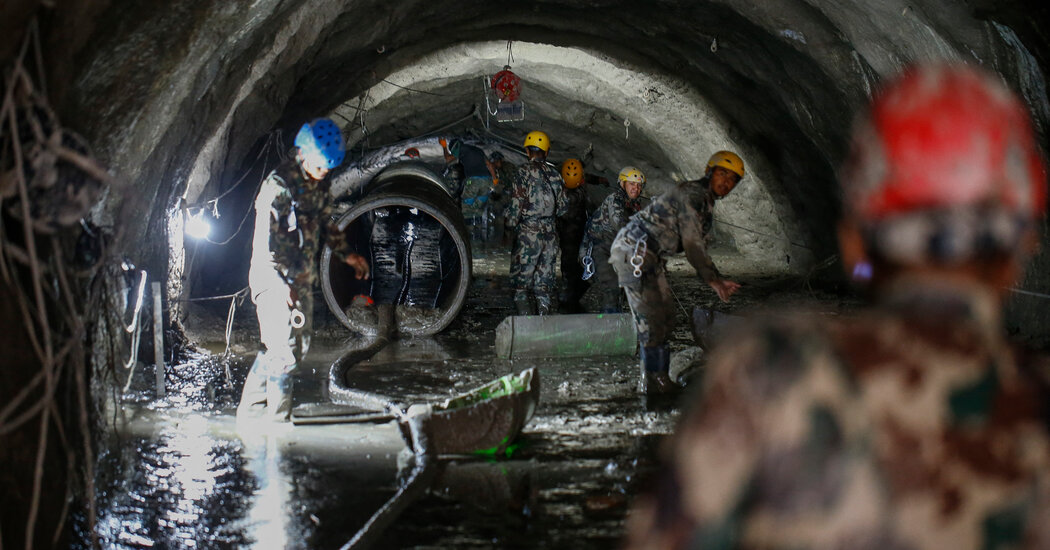
Rescue teams in Nepal have recovered the bodies of workers trapped underground after catastrophic flooding tore through the Chilime hydropower plant, ending a days-long search that families had clung to with fading hope. Scientists say human-caused climate warming played a “very strong” role in triggering the floods that devastated the region, part of a broader pattern of intensifying Himalayan flood disasters. Commentators have also questioned why the international response to the disaster has been comparatively muted next to other recent climate catastrophes.
UN General Assembly week opens with Zelenskyy-Trump meeting in focus
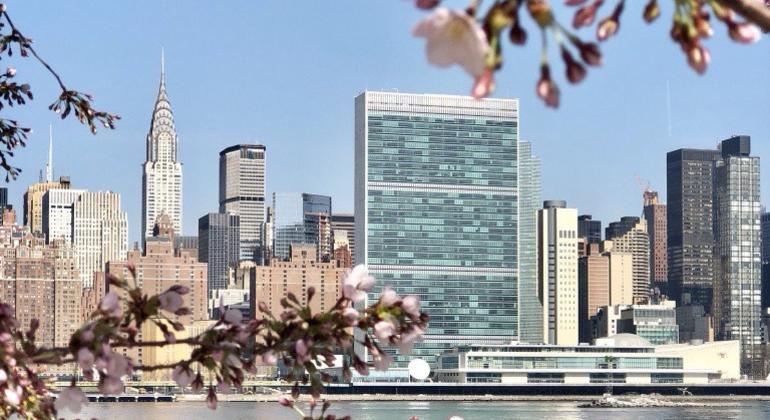
World leaders are converging on New York for the UN General Assembly’s high-level week, with efforts underway to arrange a meeting between Ukrainian President Volodymyr Zelenskyy and US President Donald Trump on the sidelines. Trump has said he wants to push for a resolution to end Moscow’s war against Kyiv as civilian casualties in Ukraine continue to mount. The gathering will bring presidents, prime ministers and diplomats from across the globe to UN headquarters for a week widely seen as a bellwether for the state of multilateral diplomacy.
Push for AI safety guardrails intensifies as King Charles convenes tech leaders
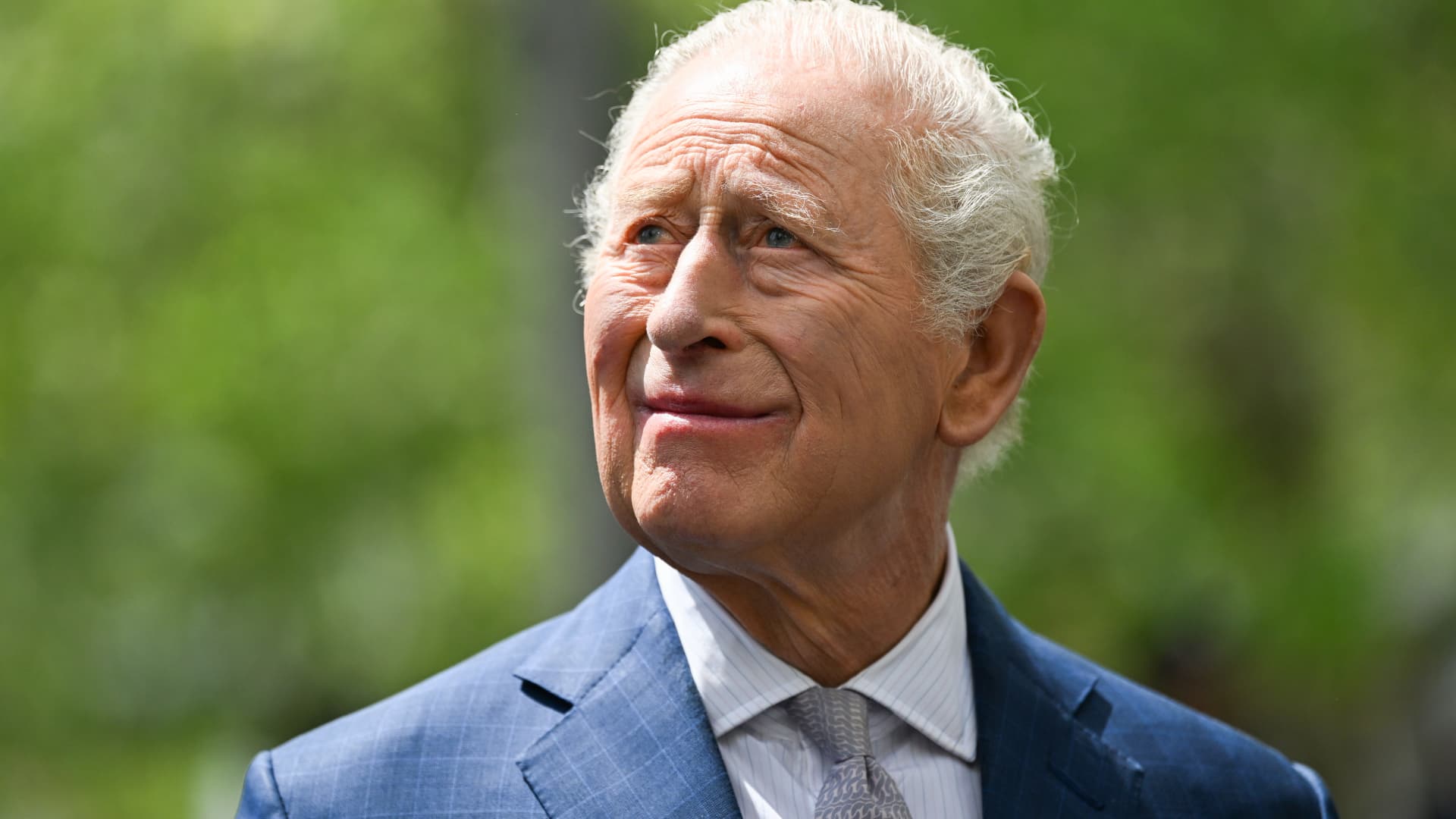
King Charles is convening senior executives from Nvidia, OpenAI and Anthropic today to press them on AI safety as debate over the risks of rapid AI development intensifies. The summit comes as Anthropic and OpenAI have separately proposed the creation of new “neutral” AI watchdog bodies to oversee the industry, a move some observers argue could let major labs shape their own oversight. The push for guardrails is unfolding alongside growing anxiety over whether tighter regulation in the West could cede ground to China in the global AI race.
Trump lifts Venezuela’s drug-transit designation as US oil interests deepen
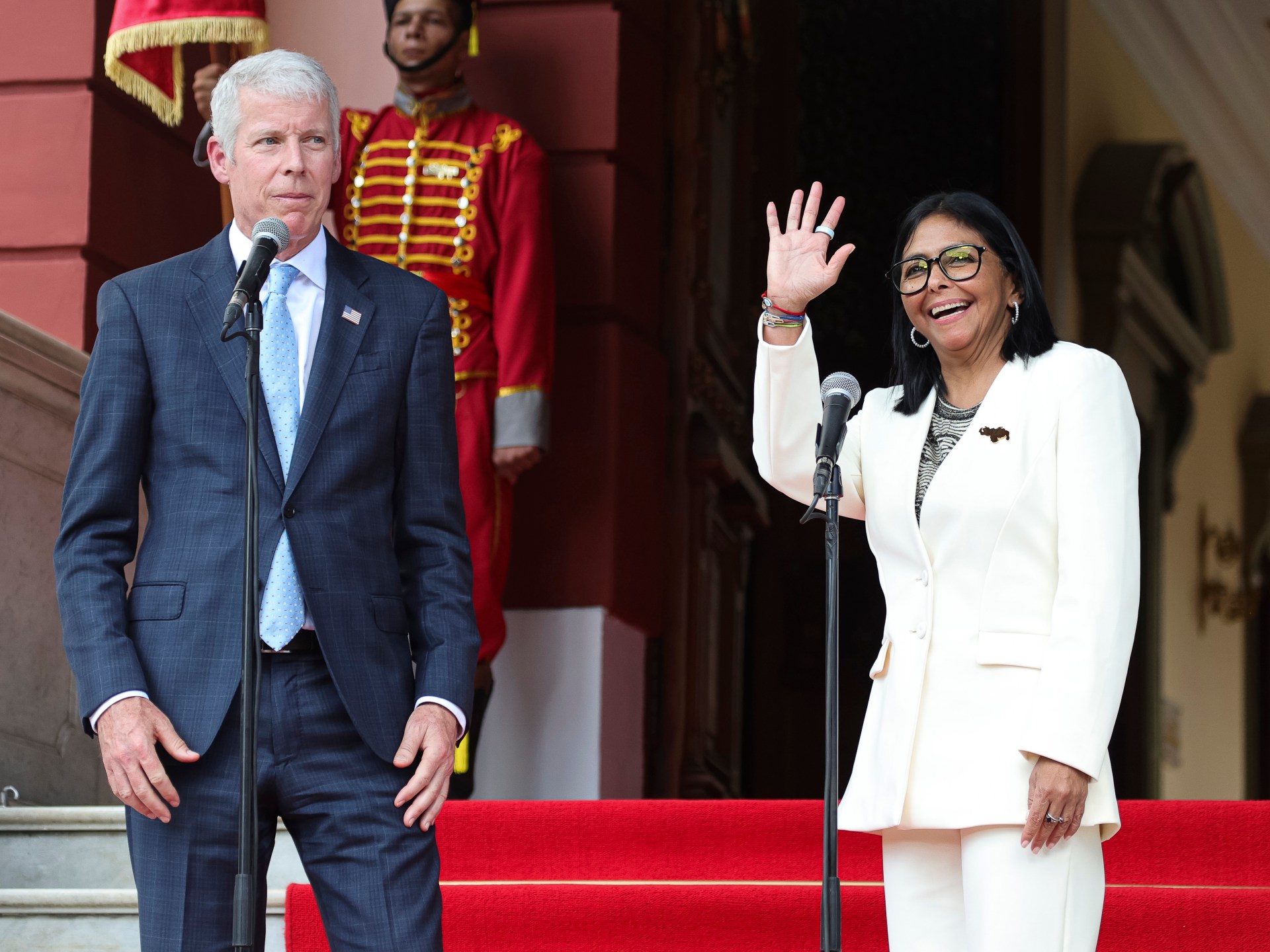
President Trump announced the US is removing Venezuela from its list of major drug transit and production countries, saying Caracas has made progress against narcotics trafficking since Nicolás Maduro’s removal from power. Trump indicated Colombia and Bolivia could be next in line for similar treatment. The policy shift comes as Continental Resources, founded by Trump donor Harold Hamm, moves to develop a large oil region in Venezuela, raising questions about how closely commercial interests are tracking the administration’s recalibration of ties with Caracas.
In Brief
- Turkey has launched a broad crackdown on its LGBTQ community, drawing condemnation from rights groups amid a wider pattern of tightening social restrictions. NYT
- Former Philippine President Rodrigo Duterte appeared in person at the International Criminal Court for the first time over allegations tied to his deadly “war on drugs” campaign. Al Jazeera
- Police in South Africa say the deaths of nine women could be linked to a serial killer, as investigators widen their probe. Sky News
Compiled from Al Jazeera, The New York Times, CNBC, Sky News, and UN News.