
World News Roundup — September 15, 2026 (AM)
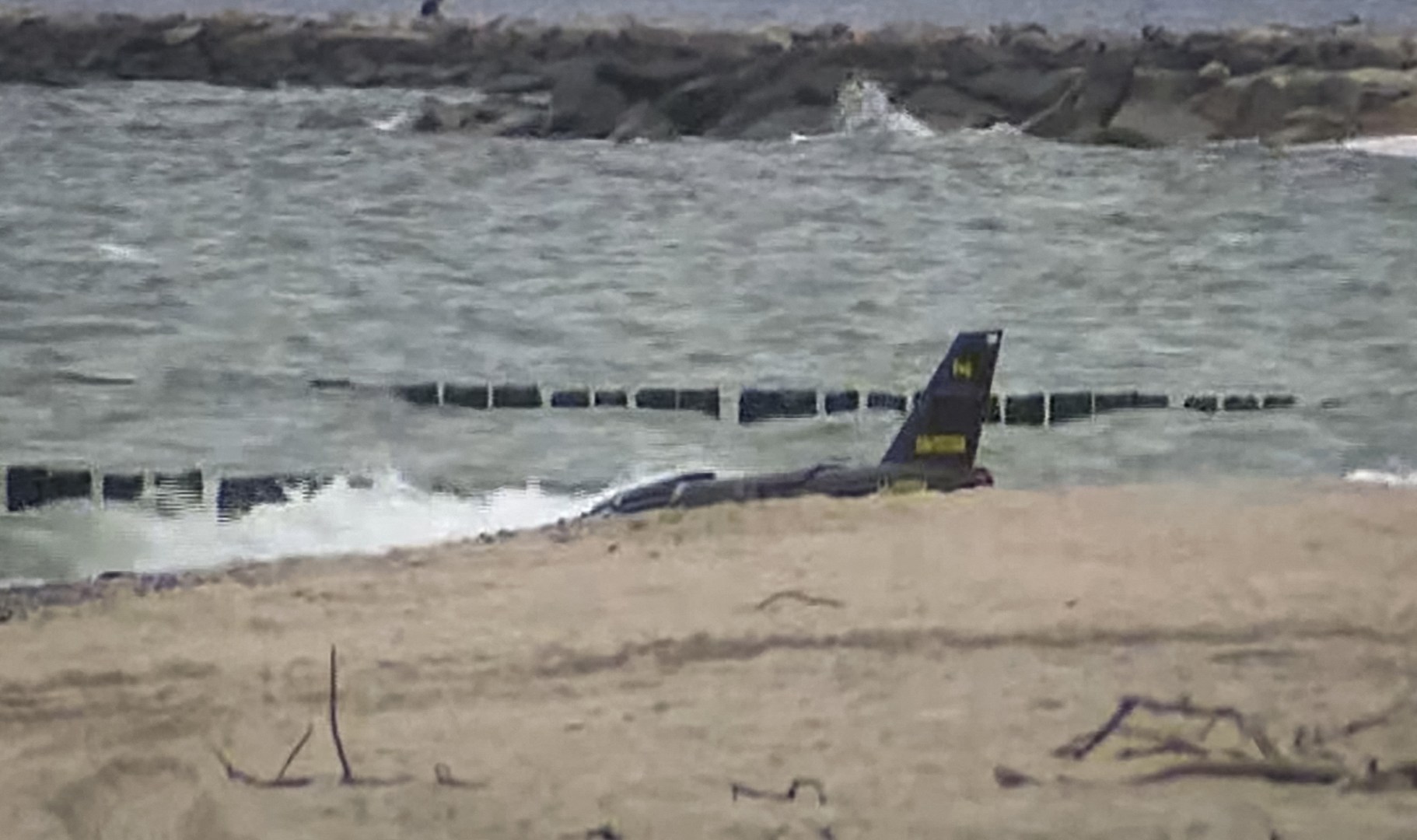
NATO reaffirmed its backing for Ukraine after a fresh round of Russian strikes near the Polish border, while traders in Washington bet on a near-certain Federal Reserve rate hike next week. Grief and outrage continue to build in the Democratic Republic of Congo after a fatal school fire, the US Supreme Court dealt Republican mapmakers a fresh setback ahead of the midterms, and UN agencies warned that Sudan’s aid network is on the verge of collapse. A quieter, reflective story closes the edition: 25 years after 9/11, Washington is finally rolling back some of the security measures the attacks put in place.
NATO pledges more support for Ukraine after Russian strikes near Poland
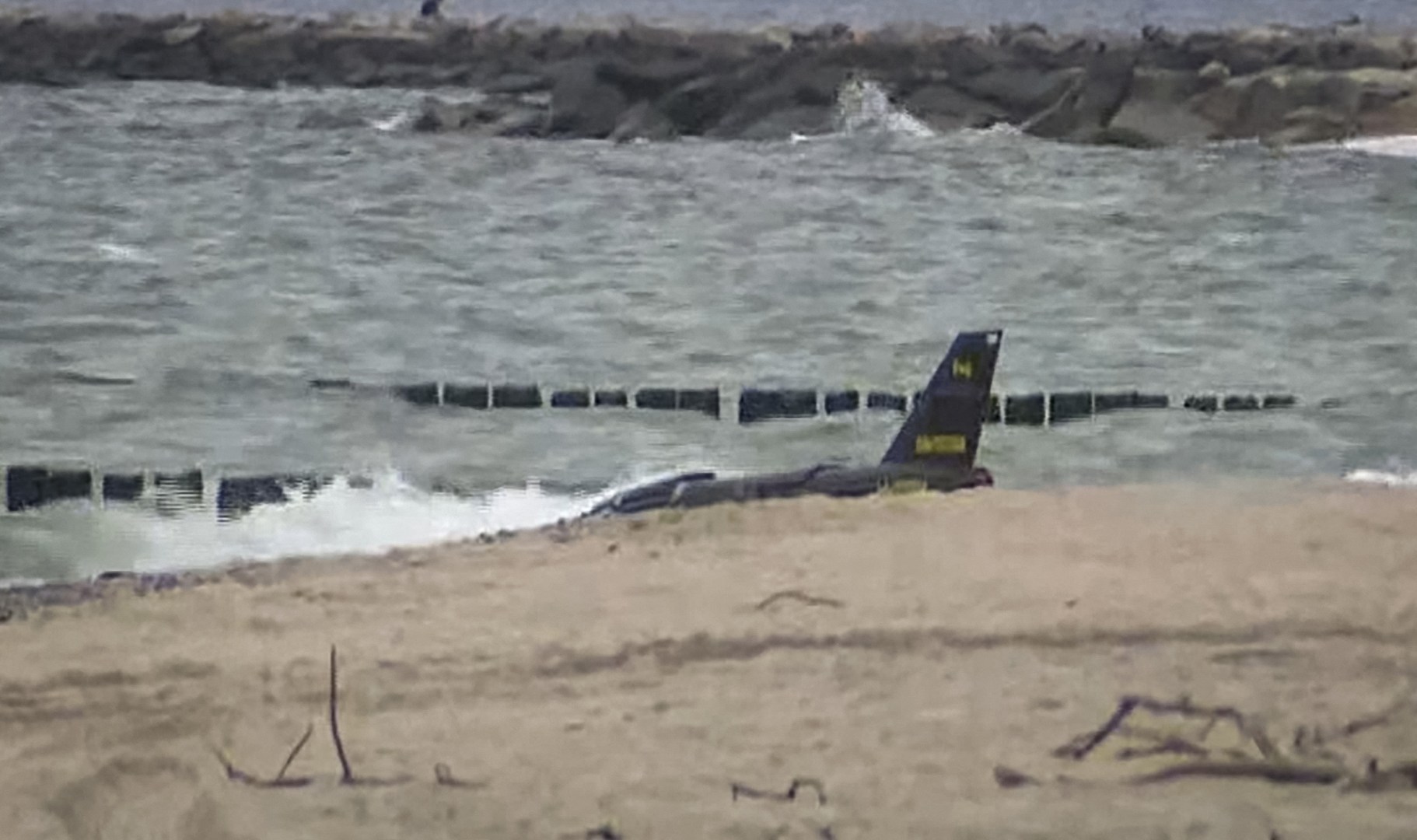
NATO chief Mark Rutte insisted Western allies will not be “intimidated” after Russia struck near a Warsaw-bound train close to the Polish border, a move alliance officials characterized as a deliberate attempt to rattle European resolve. The strikes come as Kyiv signaled openness to halting attacks on Russian energy infrastructure following claims from Washington that a broader deal was within reach, even as Moscow separately accused Ukraine of plotting to provoke a war between Russia and the United Kingdom. Finland, meanwhile, said it is sheltering under France’s nuclear umbrella amid growing uncertainty over both Russian intentions and the reliability of US security guarantees — a sign that European capitals are hedging even as diplomatic channels stay open. Russian strikes elsewhere in Ukraine killed seven people and targeted gas infrastructure deep in the country’s west, underscoring how energy infrastructure has become the war’s central battleground this autumn.
Fed rate hike odds climb as inflation proves sticky
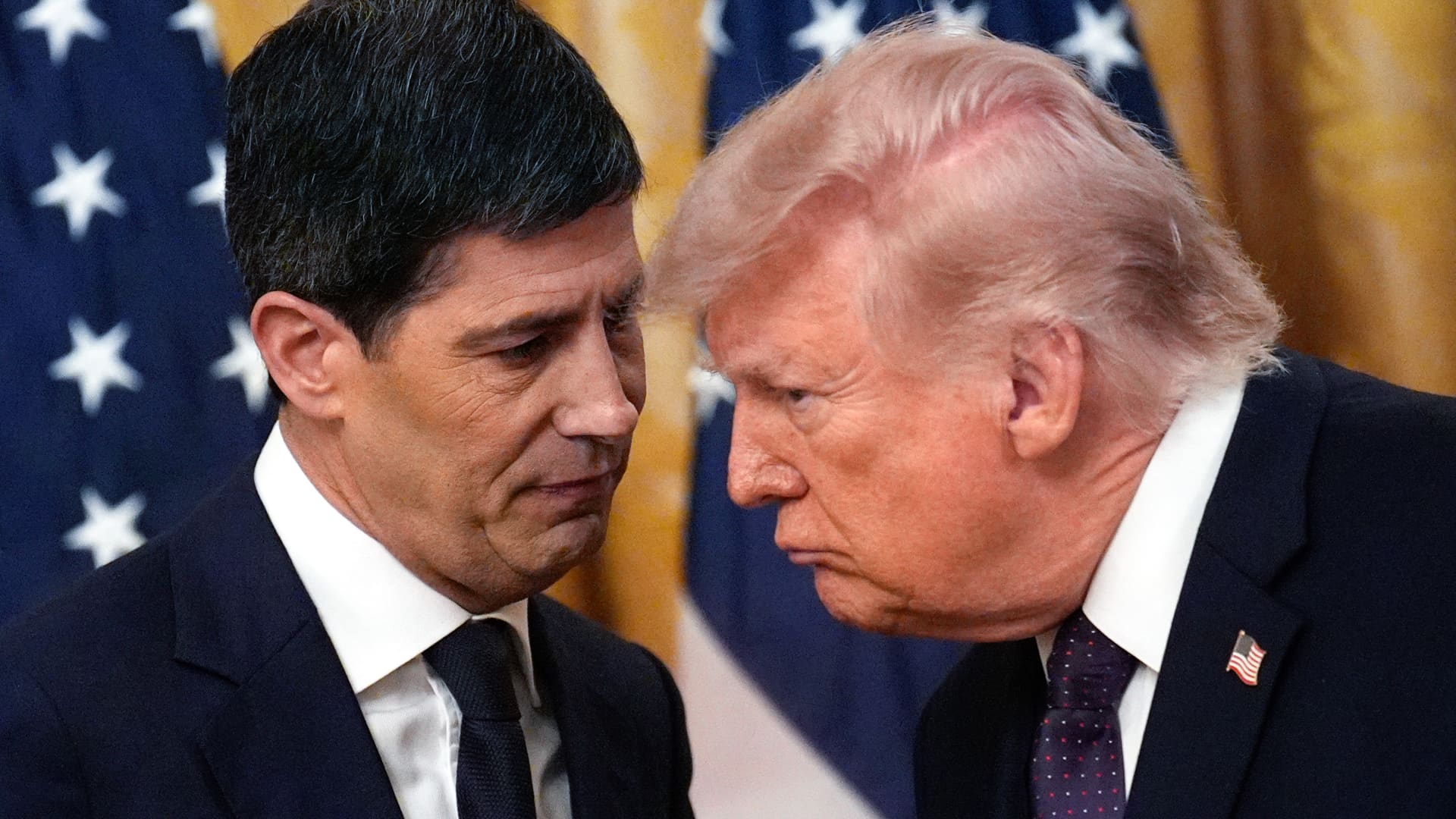
Traders now put the odds of a Federal Reserve interest rate increase next week at roughly 70%, up sharply from a week ago, as persistent inflation and a run of hot economic data force policymakers’ hands. The move would mark a reversal from the rate-cutting path many investors had expected earlier this year, and it comes as the 10-year Treasury yield pushes toward the psychologically important 5% level and the 30-year fixed mortgage rate tops 7% for the first time in over a year. Fed governor nominee Kevin Warsh’s credibility is on the line heading into the vote, with his standing tested by pressure from the Trump administration to hike more aggressively. Consumers are already feeling the squeeze: home sales fell in August despite the highest housing supply in over a decade, and income-focused investors are scrambling to reposition portfolios as bond yields climb.
‘Silent Cold War’: global AI safety debate turns into a US-China standoff

Calls to slow down artificial intelligence development have hardened into a geopolitical fault line, with Anthropic’s push to restrict China’s access to advanced AI technology drawing accusations that Washington is using safety rhetoric as cover for a dominance strategy. Beijing dismissed warnings from Western AI executives as “fear mongering” and rejected what it called Western “threat narratives,” instead urging global cooperation on AI governance. President Trump went further, branding calls for tighter AI controls a “SICK conspiracy” and telling Nvidia CEO Jensen Huang that opposition to new data centers was a “hoax” — remarks that came as UN human rights chief Volker Türk warned countries must strengthen AI regulation to avoid “existential risks.” The dispute is already rattling markets, with AI stocks losing some of their grip on Wall Street even as companies like Oracle report 30% revenue growth fueled by AI cloud demand.
Grief in DR Congo after deadly school fire
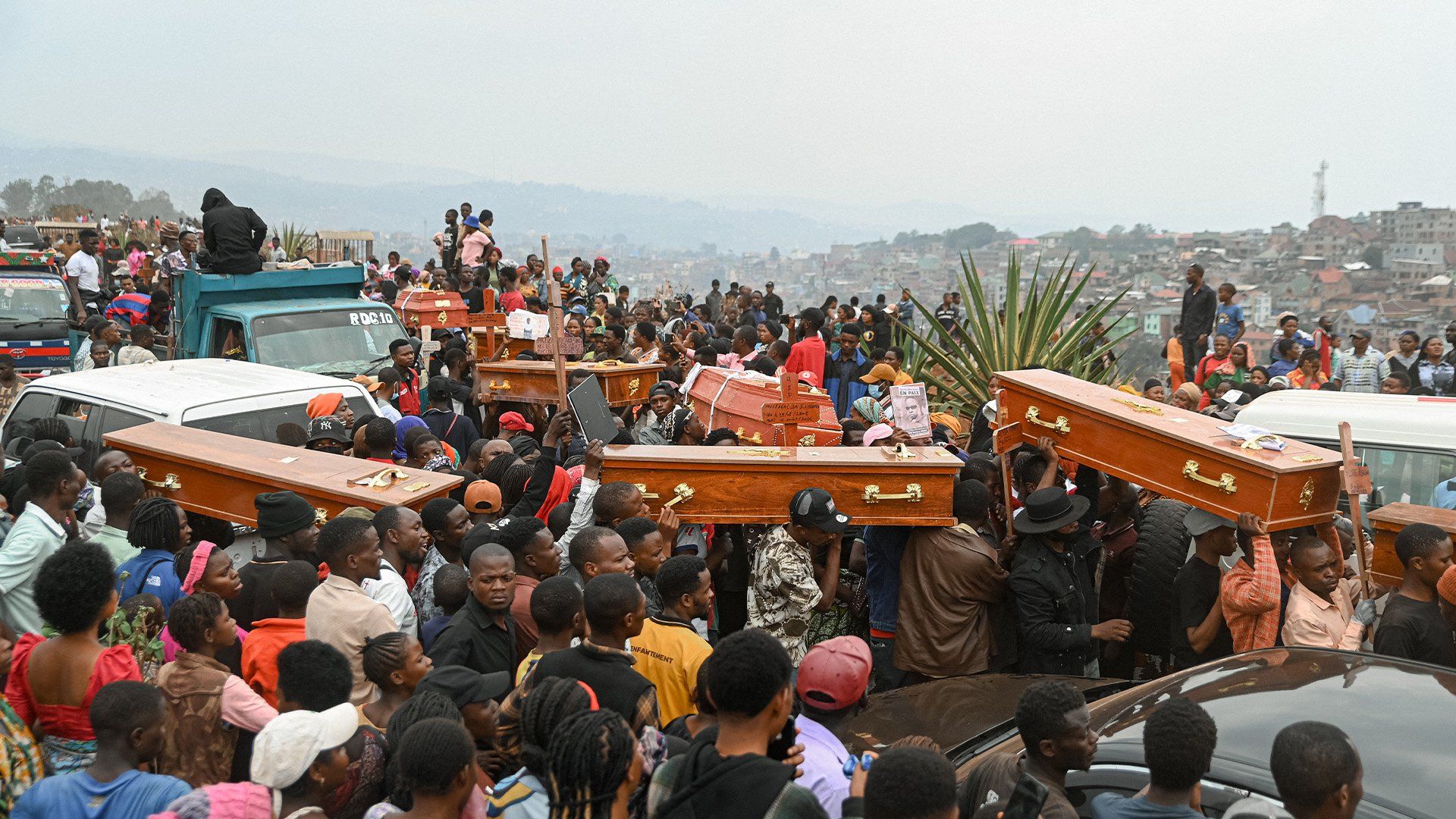
Memorial services were held across eastern Democratic Republic of Congo for at least 28 children killed after a fire tore through their school in a rebel-held city, one of the deadliest such incidents the region has seen in years. Families gathered for funerals as investigators continued to piece together how the blaze spread so quickly through the school building, with early reports putting the death toll at more than two dozen children. The tragedy has drawn renewed attention to the precarious conditions faced by schools operating in areas contested by armed groups, where infrastructure and emergency response capacity remain severely limited.
Supreme Court blocks Trump-backed congressional map in Missouri
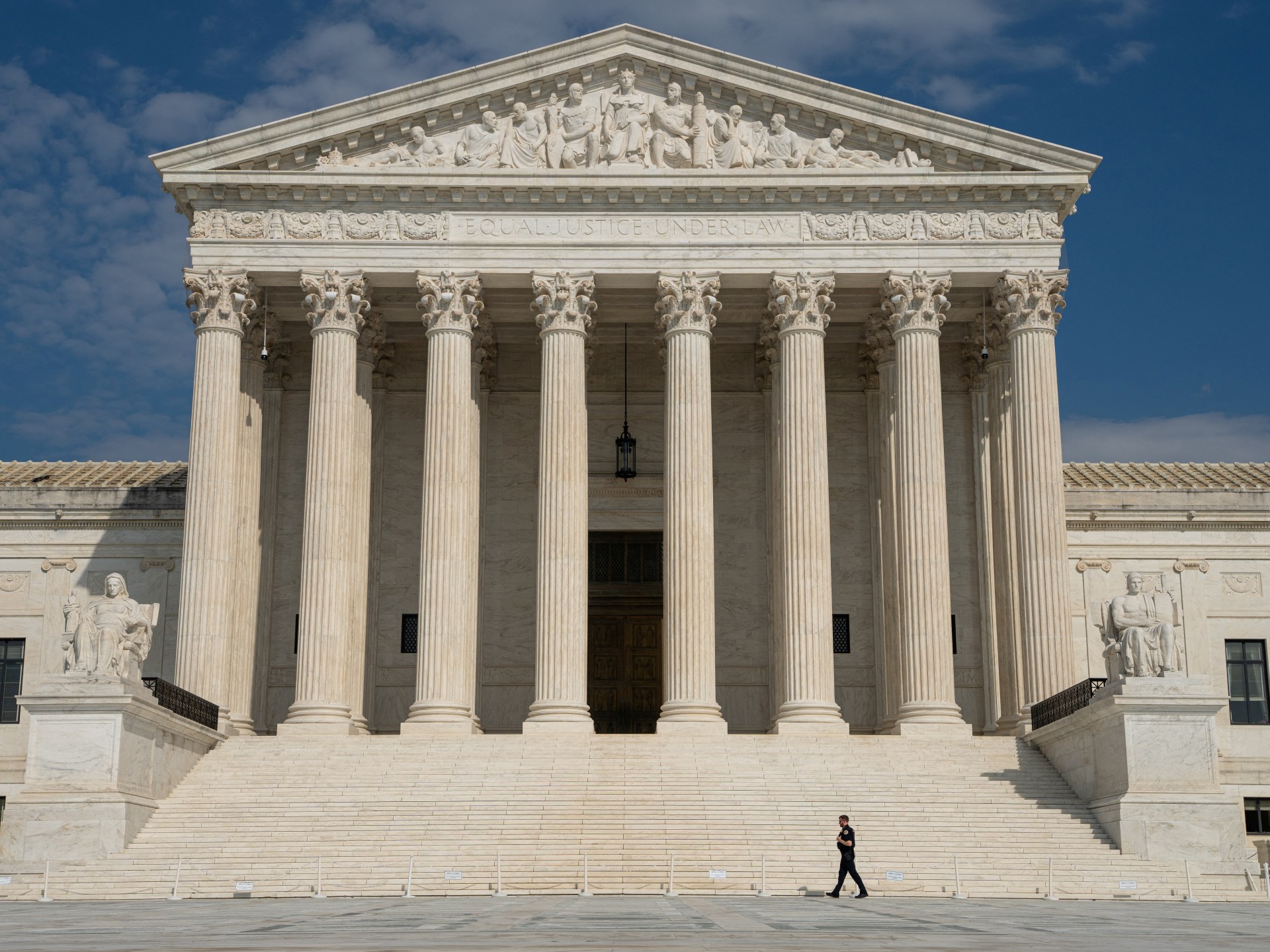
The US Supreme Court rejected a Republican-drawn congressional map in Missouri, dealing another blow to the Trump administration’s redistricting push ahead of the midterms, and separately declined to revive Trump-backed maps elsewhere, clearing the way for older district lines to stand in the interim. The rulings land as a Missouri Republican official faces contempt charges for ignoring a lower court order to redraw the map, adding a legal cloud to an already contentious redistricting fight. The court also turned back a separate White House effort to block the US Postal Service’s mail-in ballot rule, preserving expanded voting access heading into the election. Together the decisions represent a string of setbacks for Republican efforts to reshape electoral maps and rules before voters go to the polls.
UN warns Sudan’s humanitarian system ‘could collapse’
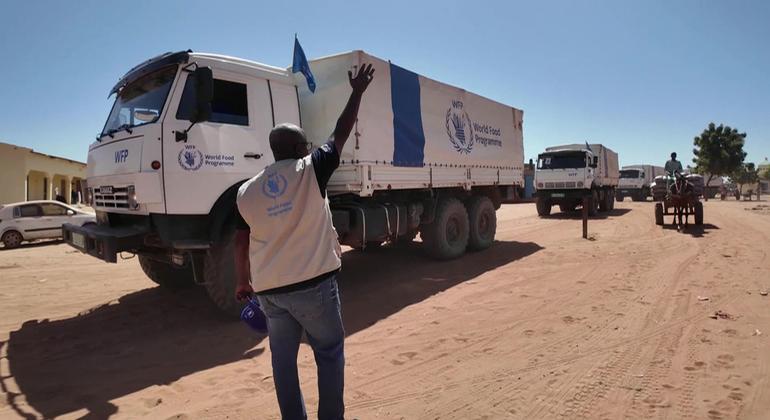
United Nations aid agencies warned they may be forced to scale back humanitarian operations in Sudan — home to the world’s worst hunger and displacement crisis — because of severe funding shortfalls, raising the prospect that millions could lose access to food and medical assistance. The warning comes as the UN separately reported that the human cost of violence in neighboring South Sudan “continues to grow,” compounding a regional crisis that aid groups say has been chronically underfunded compared to its scale. Officials said the funding gap threatens not just emergency food distribution but the broader network of clinics, water systems and displacement camps that millions of Sudanese now depend on.
In Brief
25 years after 9/11, US eases some travel security rules. Washington has begun rolling back parts of the post-9/11 security regime — from liquids restrictions to gate access — as officials weigh evolving threats against decades of accumulated screening measures. A parallel wave of retrospectives examined how the attacks reshaped air travel and noted that al-Qaeda still maintains a foothold in Afghanistan a quarter-century on.
Sweden’s election too close to call as far right loses ground. Early results show Sweden’s far-right bloc losing seats, leaving the national election result in doubt as mainstream parties jockey for a governing coalition.
Ford commits $1 billion to Kentucky plant. The automaker announced a $1 billion investment at its Kentucky facility, days after facing criticism from the Department of Transportation over its reliance on Chinese supply chains.
Compiled from the configured RSS feeds.