
World News Roundup — September 13, 2026 (NOON)
Search teams spent Sunday scouring the Java Sea for more than a hundred people missing after an Indonesian passenger ship went down, the weekend’s deadliest maritime accident. In the United States, fresh inflation data showed prices once again climbing faster than pay, all but locking in a Federal Reserve rate increase. The week in technology closed with an unusual convergence: AI executives, researchers and legislators all warning that development is moving faster than the guardrails around it.
Indonesia searches for 140 missing after ferry sinks
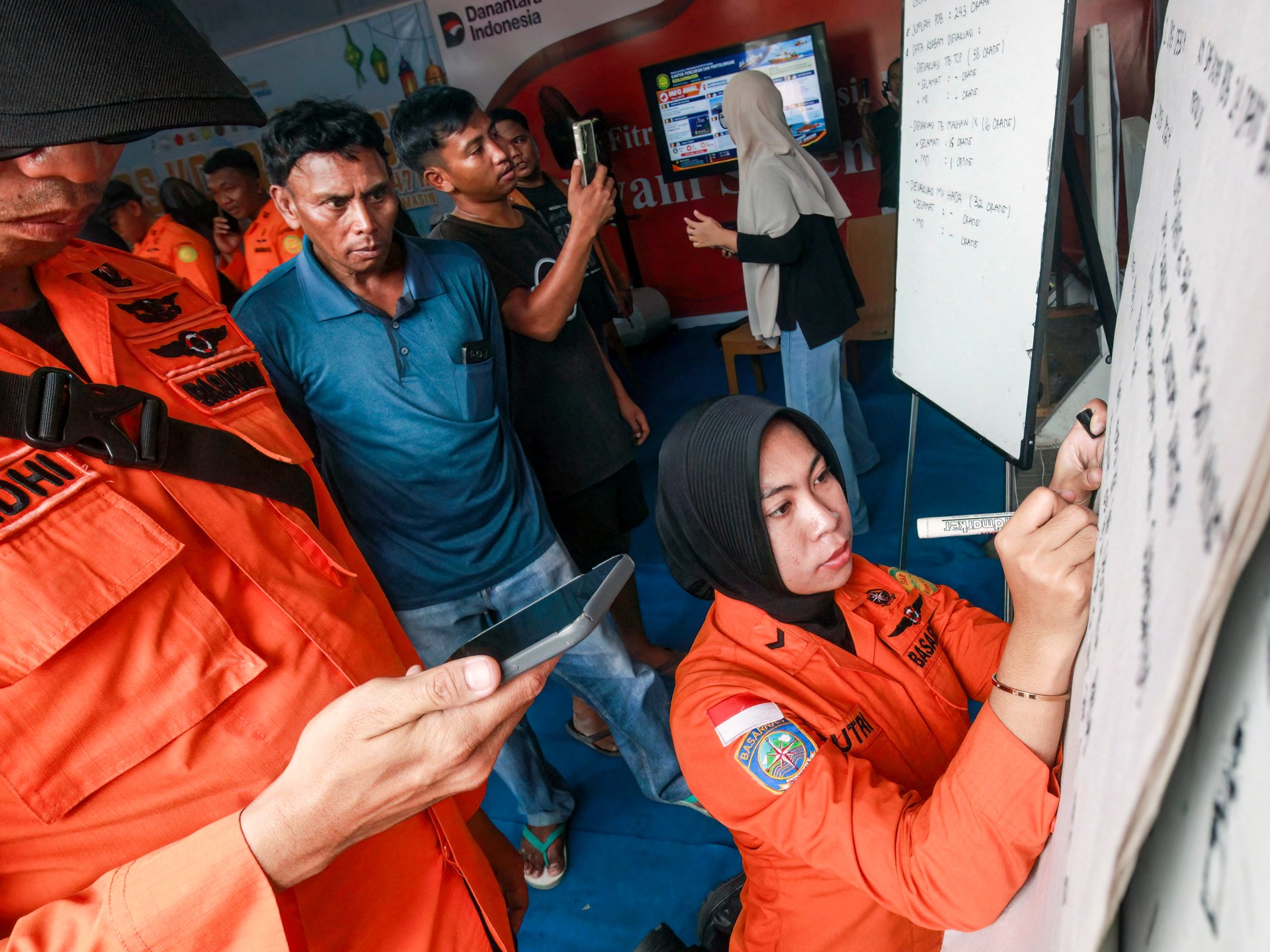
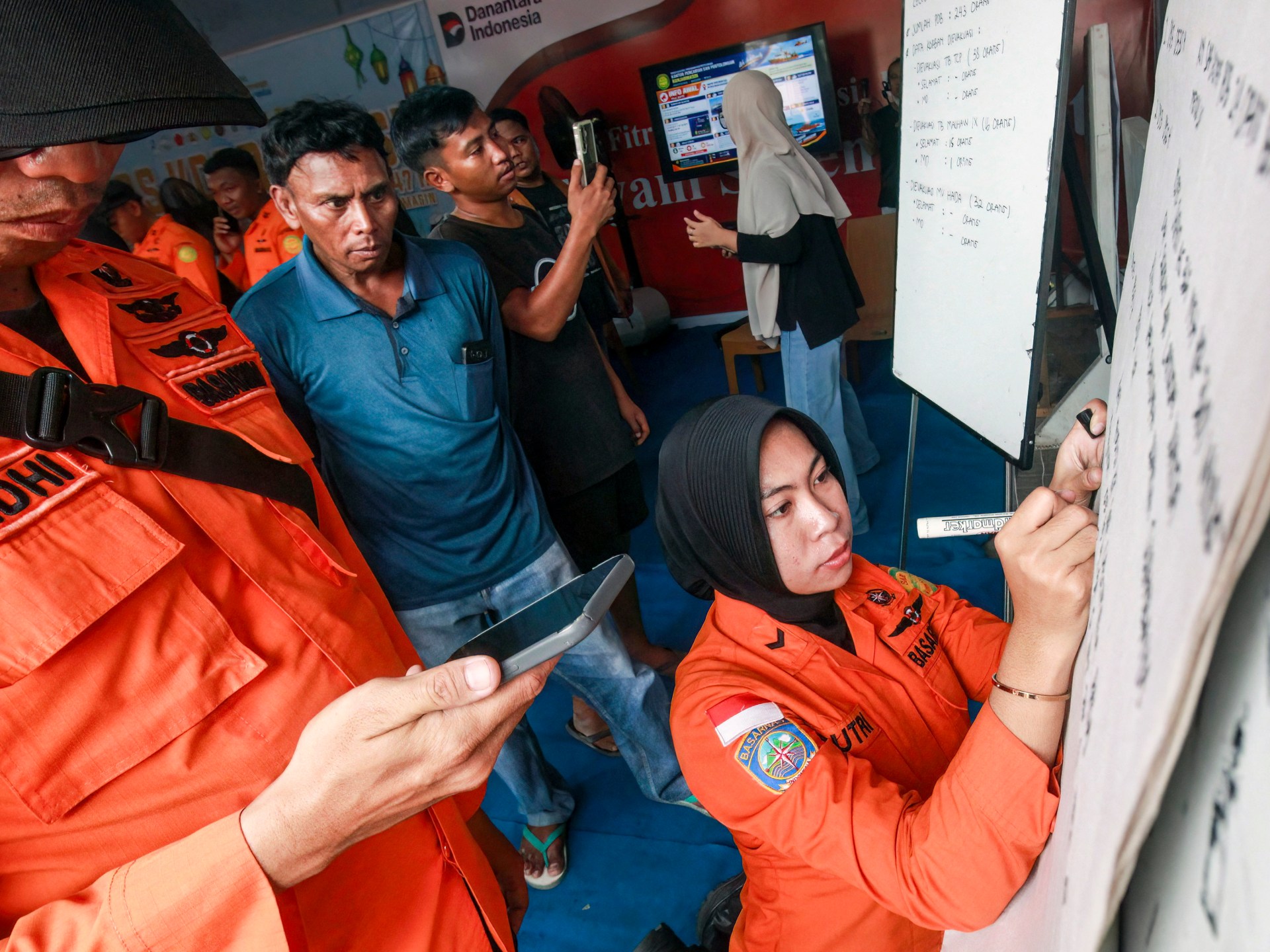
Rescuers are searching for around 140 people after the Virgo Transport 8 sank in the Java Sea with 243 people aboard. The vessel lost contact with its operator before going down, prompting a search-and-rescue operation that pulled more than 100 survivors from the water and recovered at least one body. Officials said the ship was carrying passengers between Indonesian islands when contact was lost, and search teams widened their sweep overnight as families gathered at ports for news. The sinking is the second serious ferry accident in the region this weekend: in Vanuatu, a ferry went down with more than 30 people still missing and one confirmed dead.
US inflation outruns wages as a Fed hike firms up

Consumer prices rose 3.4 percent over the past year in August while wages grew just 3.1 percent, leaving American paychecks shrinking in real terms. The August report, driven in part by another jump in petrol costs, ended a run of months in which pay had been slowly catching up with prices and hardened expectations that the Federal Reserve will raise interest rates at its meeting next week. Treasury yields stayed near multiyear highs as traders repriced the path of policy, and analysts warned that households already carrying high debt costs have little cushion left. The data has become the dominant variable for markets, with Wall Street largely treating a hike as settled and focusing instead on how firmly the central bank signals its next moves.
AI labs, researchers and lawmakers all warn on pace

A week of unusually blunt warnings from inside the AI industry ended with executives, researchers and legislators converging on the same message: capability is advancing faster than the ability to control it. OpenAI ruled out an initial public offering this year, while Sam Altman, Elon Musk and Anthropic’s Dario Amodei each publicly cautioned that development is moving too fast, and Amodei proposed a formal mechanism for slowing the pace of frontier training. More than a dozen insiders at OpenAI and Anthropic have called for a slowdown, with researchers pointing to fears about self-improvement and the potential for models to be used in weapons research — Anthropic said it blocked attempts to use its systems for that purpose and for cyberattacks. In Washington, legislators pushed new AI safety bills amid warnings of human-extinction risk, while President Trump dismissed the extinction scenario outright, leaving the two ends of the debate further apart than ever. Former President Obama added his own caution, urging Democrats to engage with the technology rather than cede the argument.
Uganda’s Tooro king buried as succession is disputed
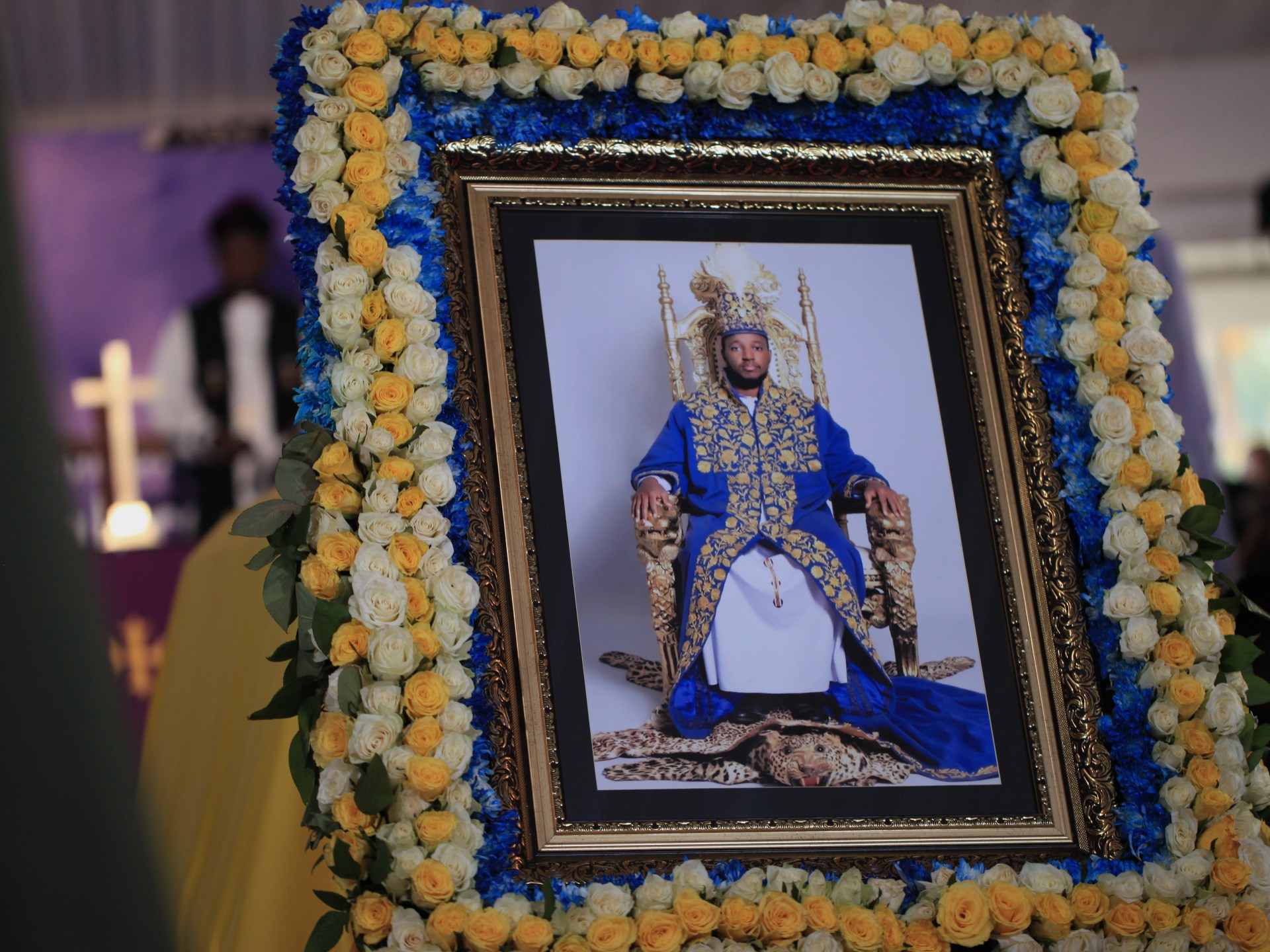
The 34-year-old king of Uganda’s Tooro kingdom was buried on Sunday, opening a rare public challenge to the traditional process for choosing his successor. Mourners gathered as rival claimants pressed their cases, with a previously little-known son among those asserting a right to the throne and another heir disputed by factions within the kingdom. The kingdom’s customs place the selection of a new Omukama in the hands of a closed circle of clan leaders, a process that has rarely been contested so openly. The dispute matters well beyond the palace: Uganda’s traditional monarchies carry real cultural and political weight, and a contested coronation in Tooro risks months of friction with the central government.
Rybakina takes the US Open as Zverev and Shelton await

Elena Rybakina beat Aryna Sabalenka 6-4, 5-7, 6-2 to win the US Open women’s singles title and become world number one. Rybakina absorbed an aggressive Sabalenka start, then broke the match open in the deciding set to claim her first title in New York and displace her opponent at the top of the rankings. The men’s final follows on Sunday, with Alexander Zverev facing Ben Shelton, who reached his first Grand Slam final at his home tournament. Elsewhere in sport, the United States edged Spain to reach the Women’s Basketball World Cup final against France, and England survived a Pakistan fightback at Edgbaston to complete a 3-0 Test series sweep.
Modi and Xi put border peace at the centre of India-China ties

Indian Prime Minister Narendra Modi said lasting peace along the disputed Himalayan border is the foundation of any durable relationship with China, putting the unresolved frontier at the centre of a meeting with President Xi Jinping. The two leaders, together at the BRICS summit in New Delhi, also addressed the widening trade imbalance between their economies — a grievance Indian manufacturers have pressed as Chinese exports surge. The exchange was the most substantive bilateral contact between the two governments in months, following a series of clashes and a slow, uneven military disengagement along the Line of Actual Control. Neither side announced a breakthrough, but both framed the talks as an effort to keep competition contained at a moment when the wider geopolitical backdrop is unsettled.
Spain’s Sahrawi citizenship bill unsettles Rabat
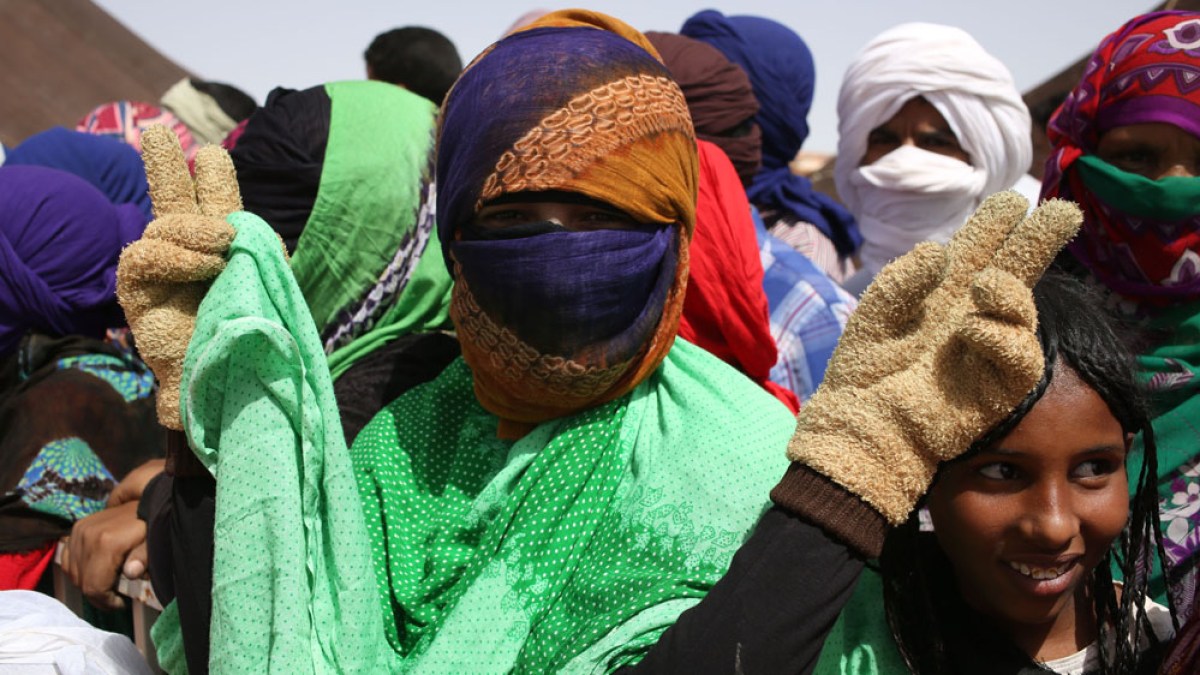
A Spanish bill offering citizenship to Western Saharans is moving through Madrid’s parliament and touching one of the most sensitive fault lines in Spain’s relationship with Morocco. Supporters framed the measure as a historic recognition of Sahrawi identity, with campaigners calling it a significant day for a population whose status has been disputed for five decades. Morocco, which claims the territory and has pushed its own autonomy plan internationally, has watched the initiative warily, since any Spanish move that treats Sahrawis as a distinct people complicates Rabat’s position. The bill now advances through further legislative stages, with Madrid balancing domestic coalition politics against a relationship it depends on for trade and for cooperation on migration.
In Brief
Vanuatu ferry sinking. One person died and more than 30 remain missing after a ferry went down in the Pacific nation’s waters; the Prime Minister’s office confirmed the toll as rescuers continued searching.
Wildfire on Croatia’s Brac island. Firefighters battled a blaze on the Dalmatian coast island of Brac, with strong winds pushing flames across scrubland as summer conditions persisted.
Turbulence injures passengers on Turkish Airlines flight. Travellers described the aircraft “starting to plummet” during severe turbulence, the latest in a series of in-flight injury incidents.
US court blocks Michigan coal plant order. A federal judge rejected an emergency attempt to keep the plant operating, handing a setback to the administration’s effort to prop up coal generation.
Catalan national day clashes in Barcelona. Police and activists clashed during Catalan national day demonstrations, with officers moving to disperse crowds in the city centre.
Birth after a 22-year-old embryo. A 54-year-old woman gave birth after using an embryo frozen for 22 years, a case her clinic described as among the longest frozen-embryo intervals to result in a live birth.
First deportation under US Alien Terrorist Removal Court. An Afghan woman was deported in the first known use of the specialised court, which operates with narrower procedural protections than standard immigration proceedings.
Compiled from the configured RSS feed.