
World News Roundup — September 4, 2026 (AM)
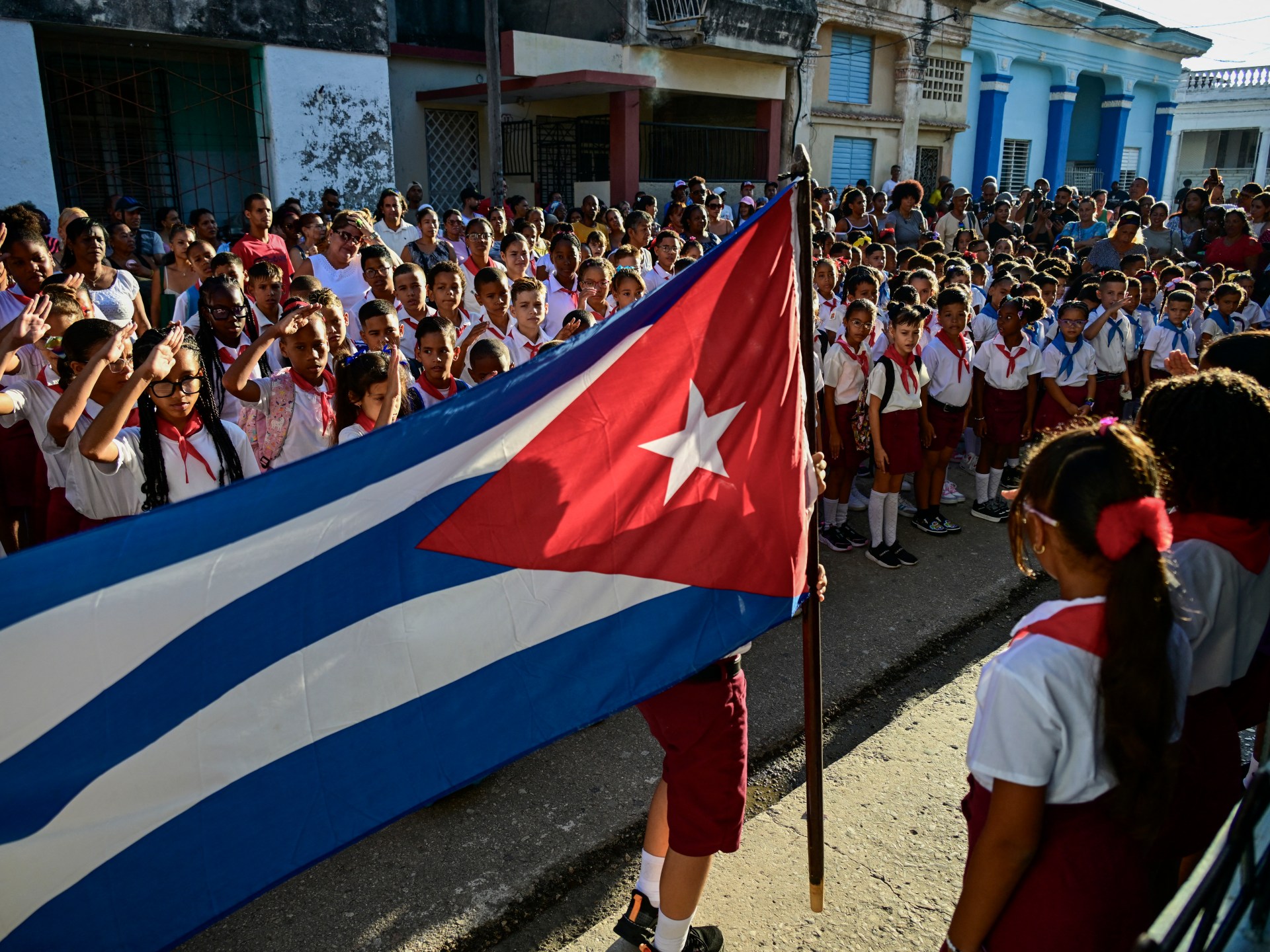
This edition covers Cuba’s economic reforms under renewed US pressure, the passing of feminist leader Gloria Steinem, Africa’s resource sovereignty moves, and major international developments reshaping governance and geopolitics.
Cuba Implements Pro-Market Reforms Amid US Sanctions Pressure
Cuba has announced new pro-market economic reforms as the Trump administration intensifies sanctions and military threats against the Caribbean nation. The government’s policy shift reflects attempts to stabilize an economy increasingly squeezed by Washington’s embargo and diplomatic pressure. The reforms signal a significant opening in Cuba’s traditionally state-controlled economic model, though experts question their effectiveness without relief from the broader US sanctions regime.
Gloria Steinem, Feminist Pioneer, Dies at 92

Women’s rights activist and feminist icon Gloria Steinem has passed away at age 92. Steinem’s decades-long advocacy transformed the landscape of women’s liberation, reproductive rights, and gender equality worldwide. Her work through publications like Ms. magazine and her leadership in the women’s movement helped shape modern feminist discourse and inspired generations of activists to challenge gender-based discrimination across politics, media, and society.
Ghana Moves to Capture More Value from Gold Exports
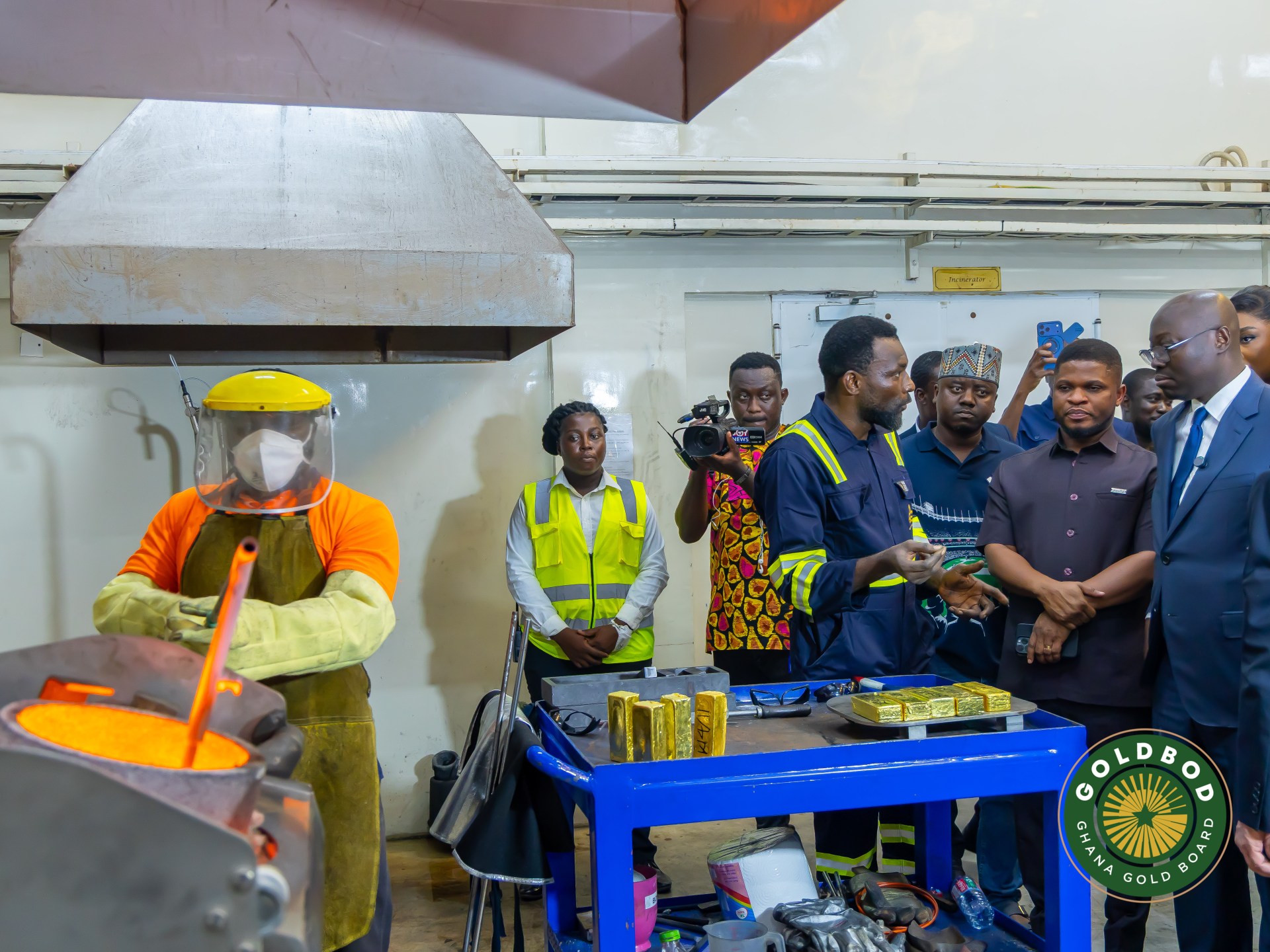
Ghana has tightened controls on its gold exports, requiring greater processing and value-addition within the country before international sales. The policy shift is part of a broader continental movement toward resource sovereignty—governments in Africa are increasingly demanding that raw materials be refined or manufactured locally to generate jobs, skills, and revenue. Ghana’s move follows similar efforts by other resource-rich nations seeking to end the cycle of exporting low-value commodities.
Haiti Calls for Continued International Security Mission
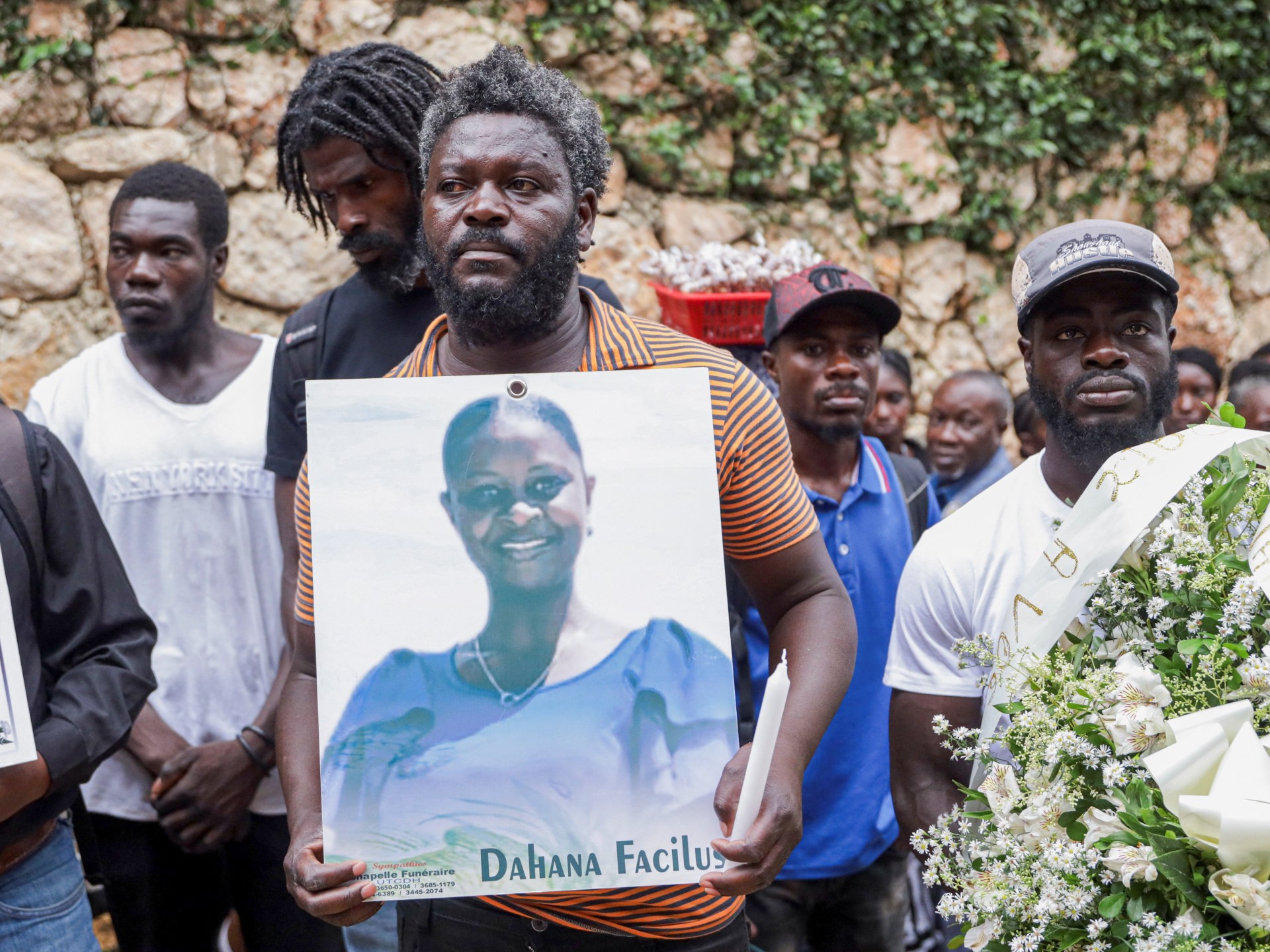
Haiti’s government has called for renewal of the international anti-gang task force as the nation prepares for elections scheduled in December. The foreign minister emphasized that continued security cooperation is essential to ensure safety and stability during the electoral process. Gang violence remains a critical challenge in Haiti, with criminal organizations controlling significant portions of the capital and disrupting civilian life. International support has become a cornerstone of Haitian efforts to establish order ahead of scheduled democratic processes.
South Korea’s AI Boom Reshapes Daily Life and Culture

South Korea’s artificial intelligence rally is fundamentally reshaping how Koreans work, date, entertain themselves, and choose their education paths. AI-driven matching apps are transforming romance and relationship formation, while reality television increasingly incorporates AI personalities and deepfake elements. Universities report shifting enrollment patterns as students pursue AI-related fields. The rapid adoption reflects South Korea’s position as a global tech leader and signals broader societal transformation as AI integration accelerates across entertainment, dating, and educational sectors worldwide.
Venezuela Oil Deal Faces Criticism as Modern Colonialism

A multi-billion-dollar US oil deal with Venezuela has drawn sharp criticism from analysts and activists who characterize it as a new form of colonialism. Critics argue that the arrangement prioritizes US corporate interests and resource extraction over Venezuelan sovereignty and equitable resource management. The debate reflects broader tensions over how resource-rich developing nations negotiate with advanced economies and whether energy agreements serve local development or primarily benefit foreign investors. The controversy underscores ongoing questions about equity in global resource trade.
UN Approves New Learning Institute Under Governance Reforms
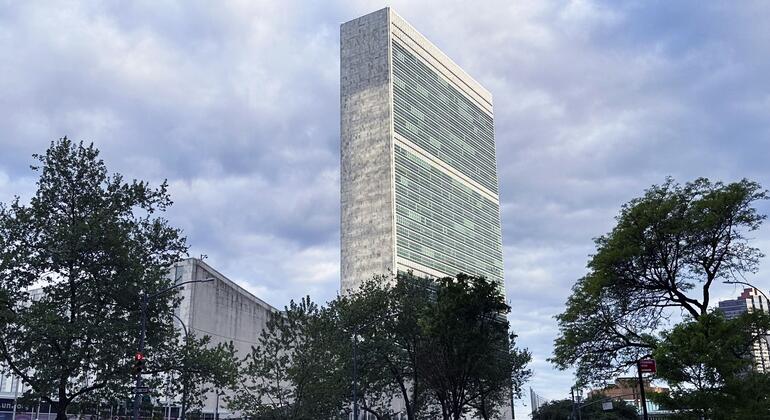
The UN General Assembly has approved the creation of a new learning and training institute, merging two existing United Nations education bodies as part of broader UN80 governance reforms. The new institution is designed to strengthen capacity-building support for both UN Member States and the UN system itself. The restructuring reflects ongoing efforts to modernize the organization’s operations and improve coordination across its sprawling bureaucracy. The reforms aim to enhance the UN’s effectiveness in supporting development and institutional strengthening globally.
Compiled from the configured RSS feed.