
World News Roundup — August 26, 2026 (NOON)
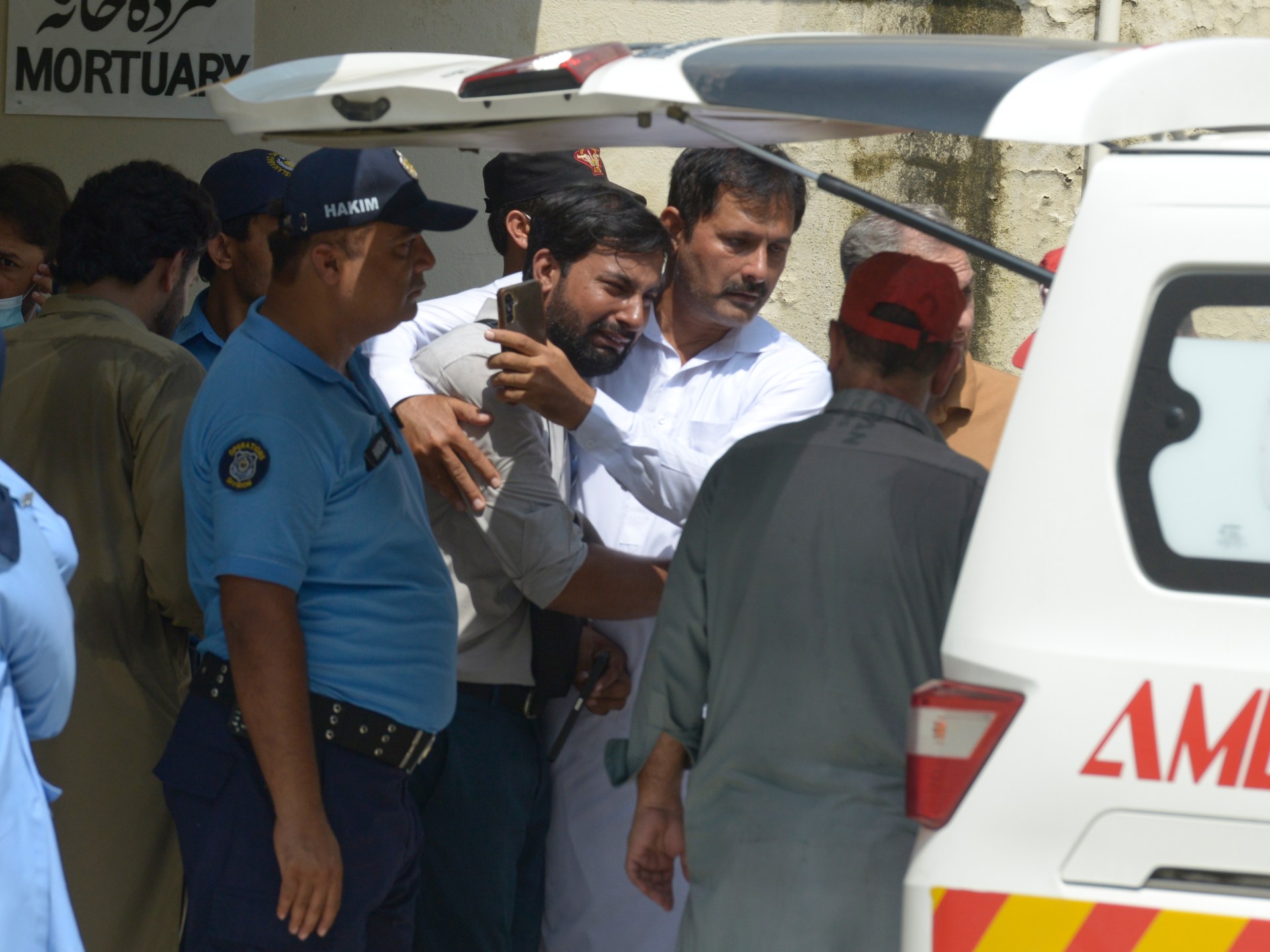
A pediatric tragedy in Pakistan, climate-triggered disaster in the Himalayas, and renewed focus on education ethics across South Asia dominate this edition. Pakistan’s capital reels after a hospital fire kills 14 newborns in a critical care unit, while Nepal struggles with a mass casualty event following an avalanche that triggered flash floods across mountain communities.
Pakistan Hospital Fire Kills 14 Newborns in PIMS, Raising Safety Alarms
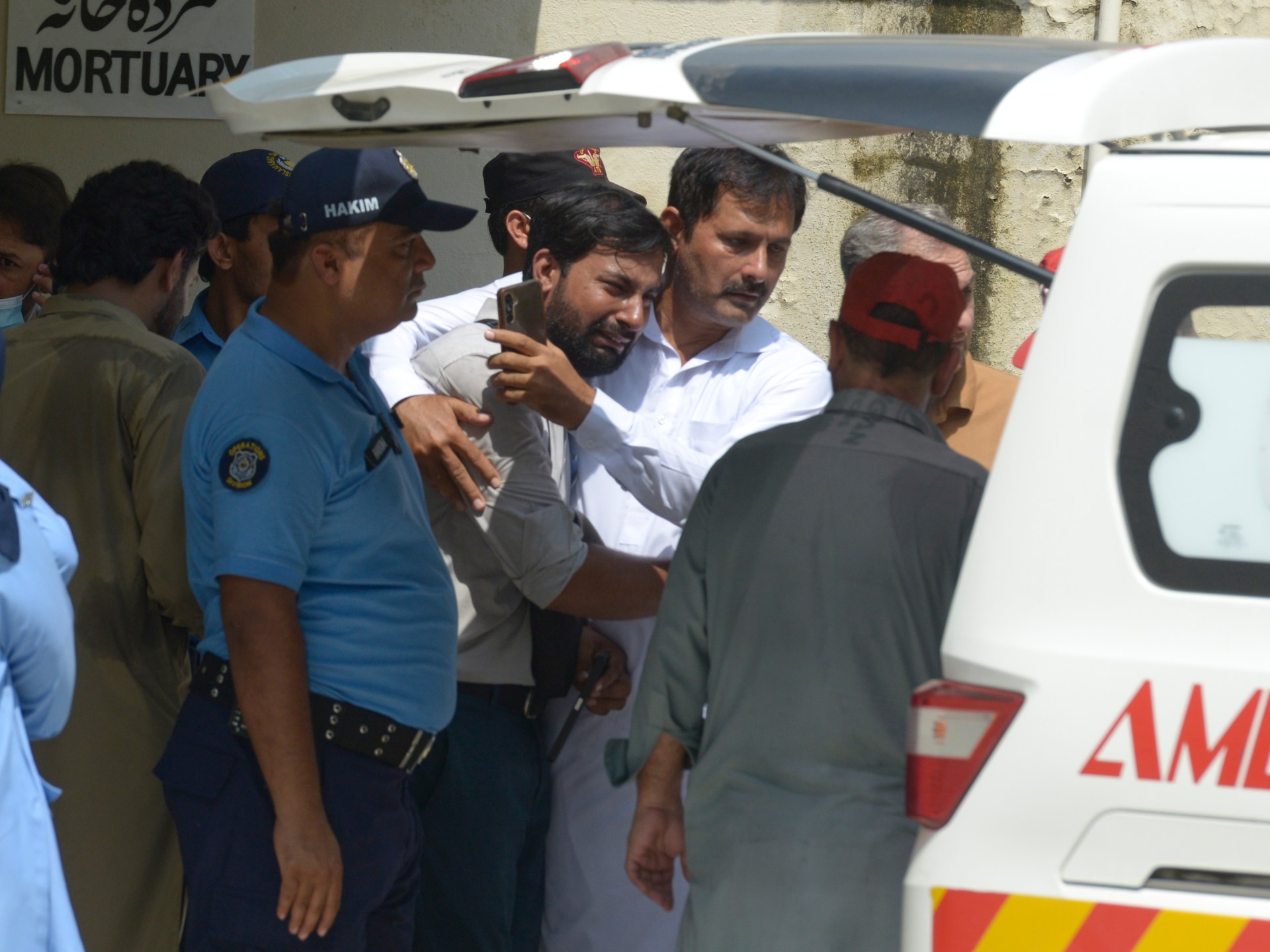
A fire ripped through the neonatal unit of Islamabad’s Pakistan Institute of Medical Sciences (PIMS) hospital, killing 14 newborn infants in what authorities describe as a preventable tragedy. The nursery ward, designed as one of the safest environments for critical infants, became a deathtrap with doors and windows locked during the blaze. Survivors and grieving families have begun demanding accountability, with investigators examining fire safety protocols and emergency response procedures at one of the country’s premier medical institutions. The incident has ignited scrutiny of hospital safety standards across Pakistan’s health system.
Nepal Avalanche and Flash Floods Leave Hundreds Missing Across Himalayas

An avalanche in Nepal’s high Himalayan region triggered massive flash floods that swept through northern communities, killing at least eight to fourteen people and leaving hundreds missing. The cascading disaster, captured in CCTV footage showing a terrifying mudslide across the Nepal-China border, has displaced thousands and overwhelmed local rescue efforts. Heavy rainfall and melting snow continue to complicate search and rescue operations, with authorities warning that the missing toll may rise significantly as communications remain disrupted in remote mountain valleys. The disaster underscores Nepal’s vulnerability to climate-driven natural hazards in one of the world’s most seismically and meteorologically active regions.
India’s Corporal Punishment Ban Remains Enforced Despite Student Death
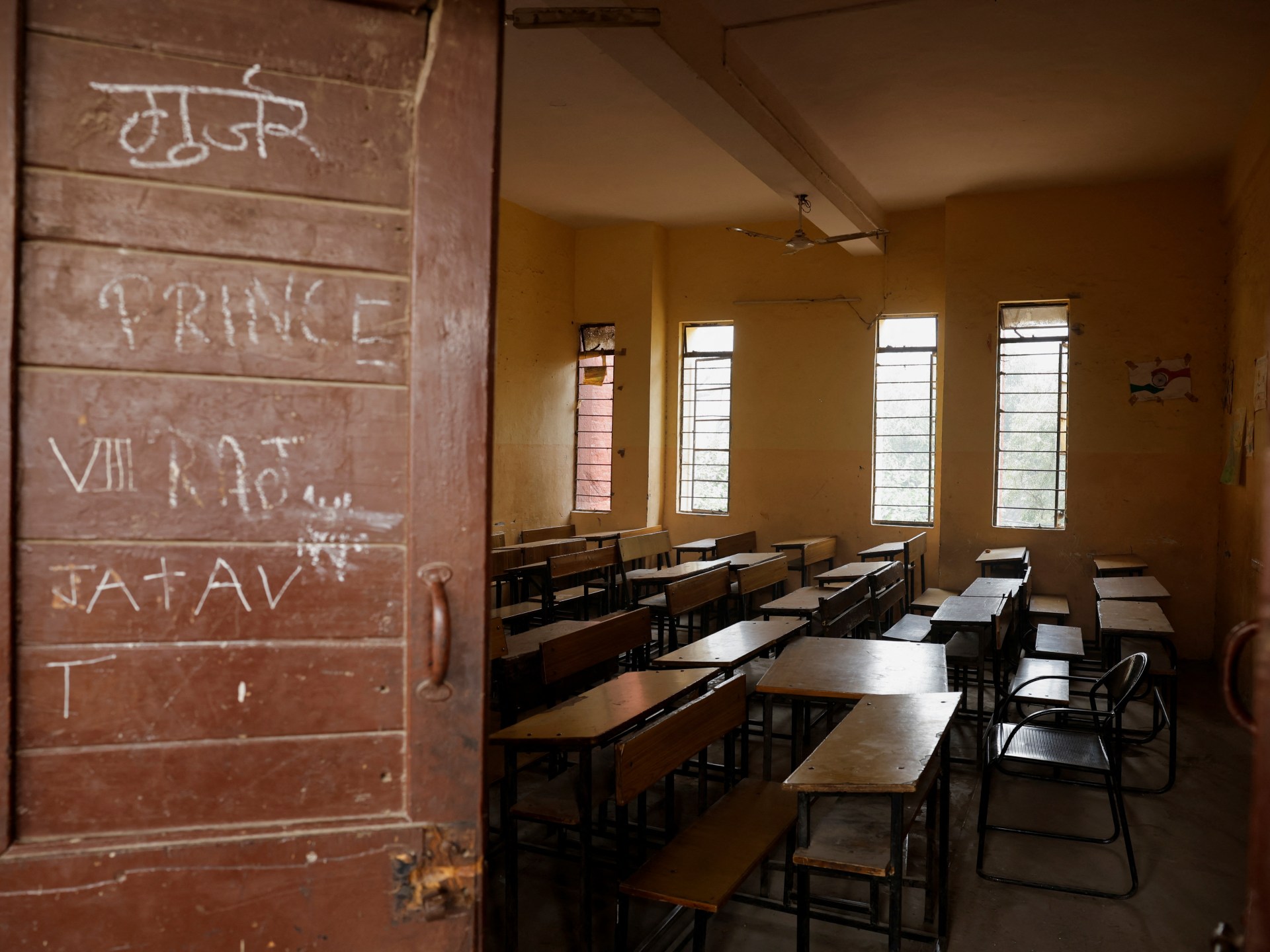
A student’s death following a teacher’s physical punishment has reignited India’s persistent debate over corporal punishment in schools, more than a decade after a national ban took effect. The case of Teja, whose death raises questions about widespread non-compliance with the prohibition, highlights that routine physical punishment by teachers continues across Indian schools despite legal prohibitions. Child rights advocates are using the tragedy to push for stronger enforcement mechanisms and teacher training to eliminate physical discipline entirely. The incident underscores the gap between written policy and ground-level school practice in India’s education system.
ICC Chief Calls on Japan to Resist US Pressure on War Crimes Court
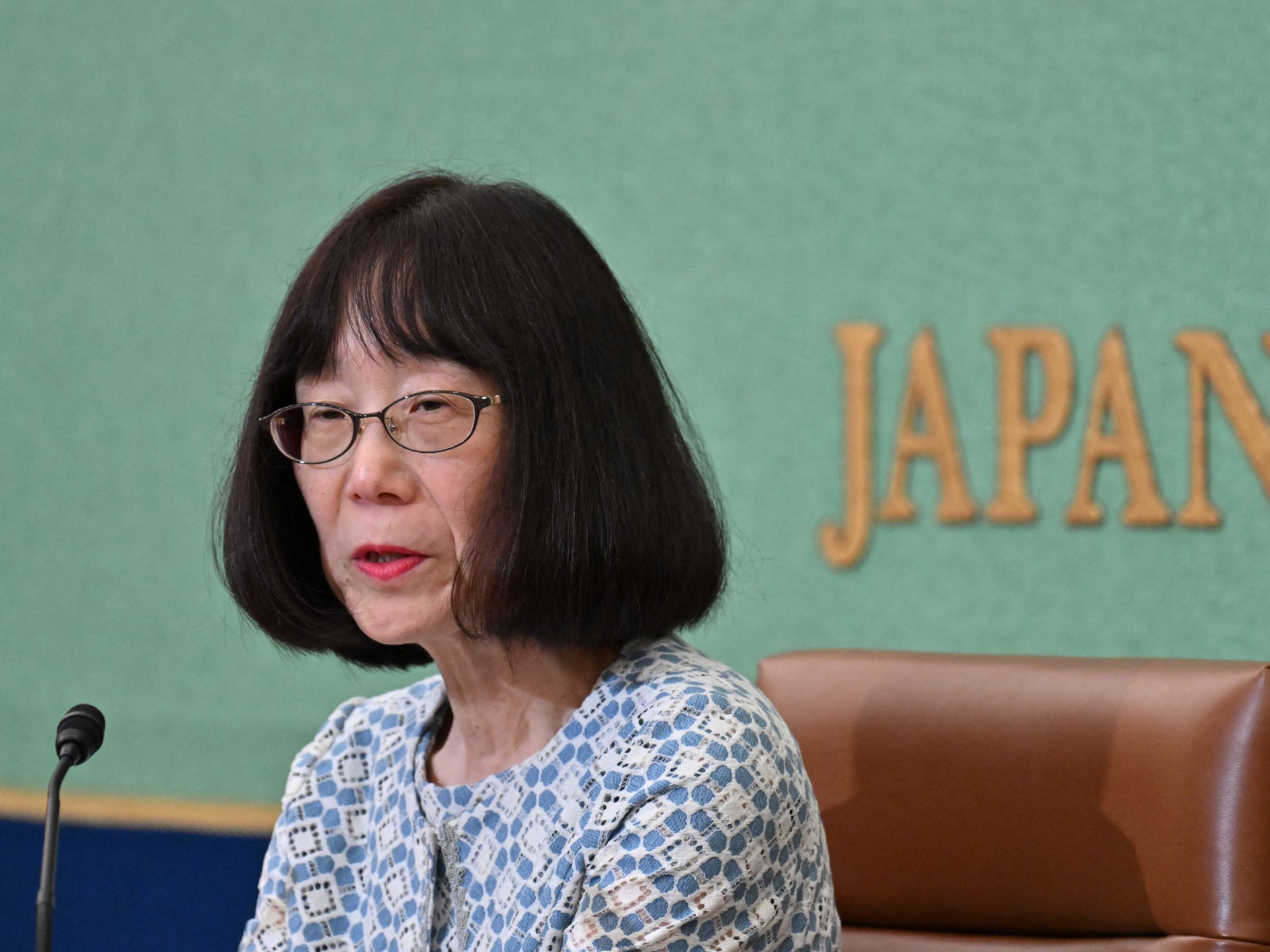
The International Criminal Court’s leadership is appealing to Japan and other nations to resist U.S. pressure campaigns against the institution. Washington escalated its campaign last week by sanctioning the ICC’s president and a senior trial lawyer, part of a broader U.S. effort to pressure the court on cases involving American interests. The ICC chief’s appeal to Japan specifically reflects efforts to shore up support among major economies as the court faces unprecedented U.S. hostility. The tension underscores the challenging political environment facing international justice institutions in an era of great-power competition.
India Expands Missile Technology Sharing With Private Sector
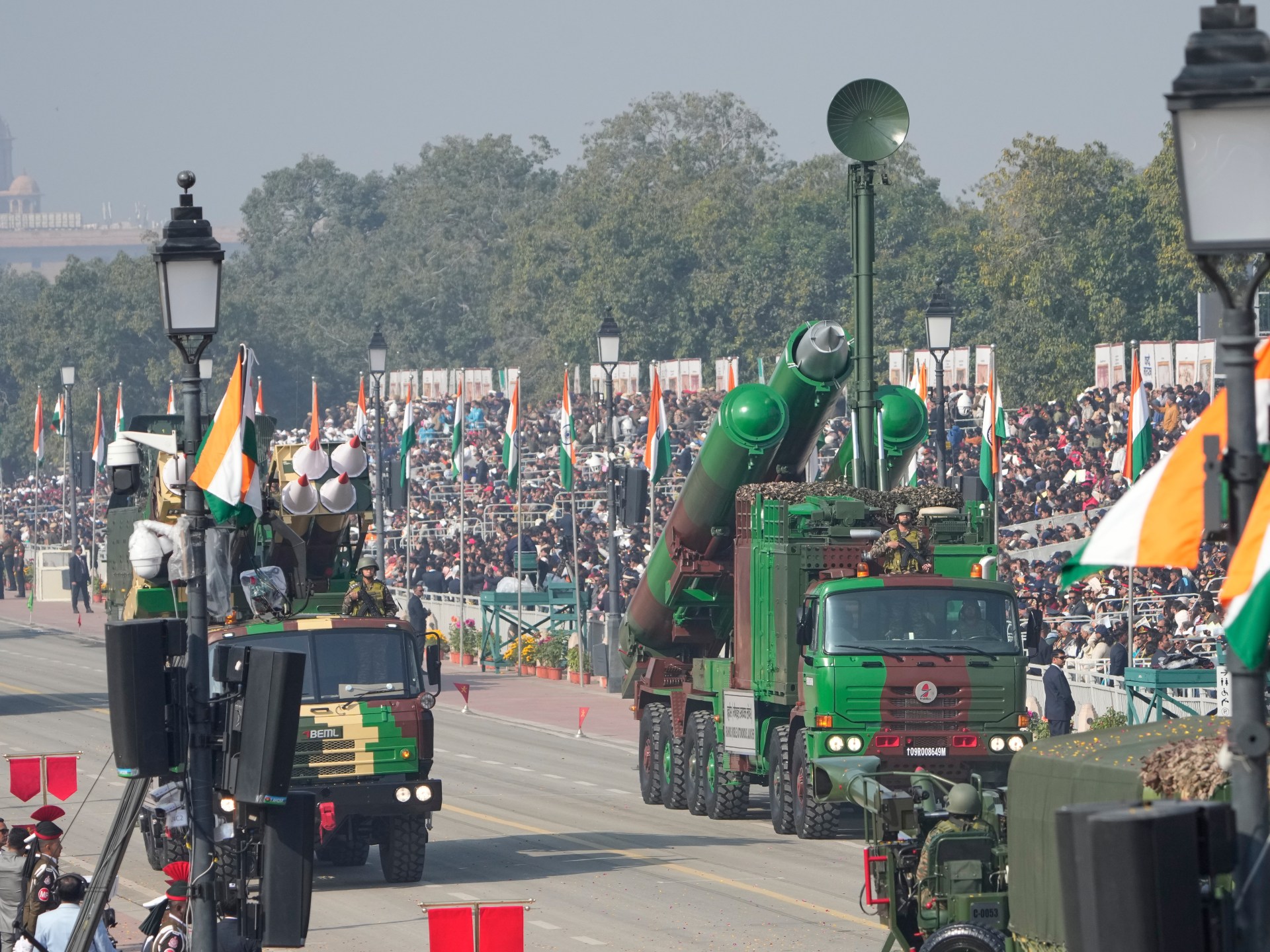
India is widening access to classified missile technology and defense secrets by permitting private sector companies to participate in strategic weapons development programs. The move represents a significant shift in India’s defense industrial policy, expanding beyond traditional government-controlled producers to include commercial manufacturers. The initiative aims to accelerate innovation and increase production capacity for advanced missile systems amid regional security tensions. Defense analysts view the policy as recognition that India’s private sector can contribute meaningfully to national security capabilities, though it raises questions about technology safeguards and information security protocols.
In Brief
European Boycott Threat Against FIFA Withdrawn — European football nations are backing away from their threat to boycott FIFA competitions, narrowing a standoff that had threatened international football governance.
Compiled from the configured RSS feed.