
World News Roundup — August 26, 2026 (AM)

A major tragedy in Islamabad, strategic fractures emerging in Sudan’s war, and escalating tech tensions dominate this morning’s global news. Below are today’s significant developments across key regions.
Pakistan Hospital Fire Kills 14 Newborns
A fire on the third floor of Islamabad’s largest hospital claimed the lives of at least 14 newborns overnight, marking one of the deadliest incidents in Pakistan’s recent medical history. The blaze broke out in the neonatal ward, and investigators are examining the hospital’s fire safety protocols and emergency response procedures. Pakistan’s health authorities have launched an official inquiry into the causes of the fire and the hospital’s preparedness measures, while the incident has raised questions about safety standards across the country’s medical facilities.
Sudan’s RSF Defeat May Fragment Rather Than End the War
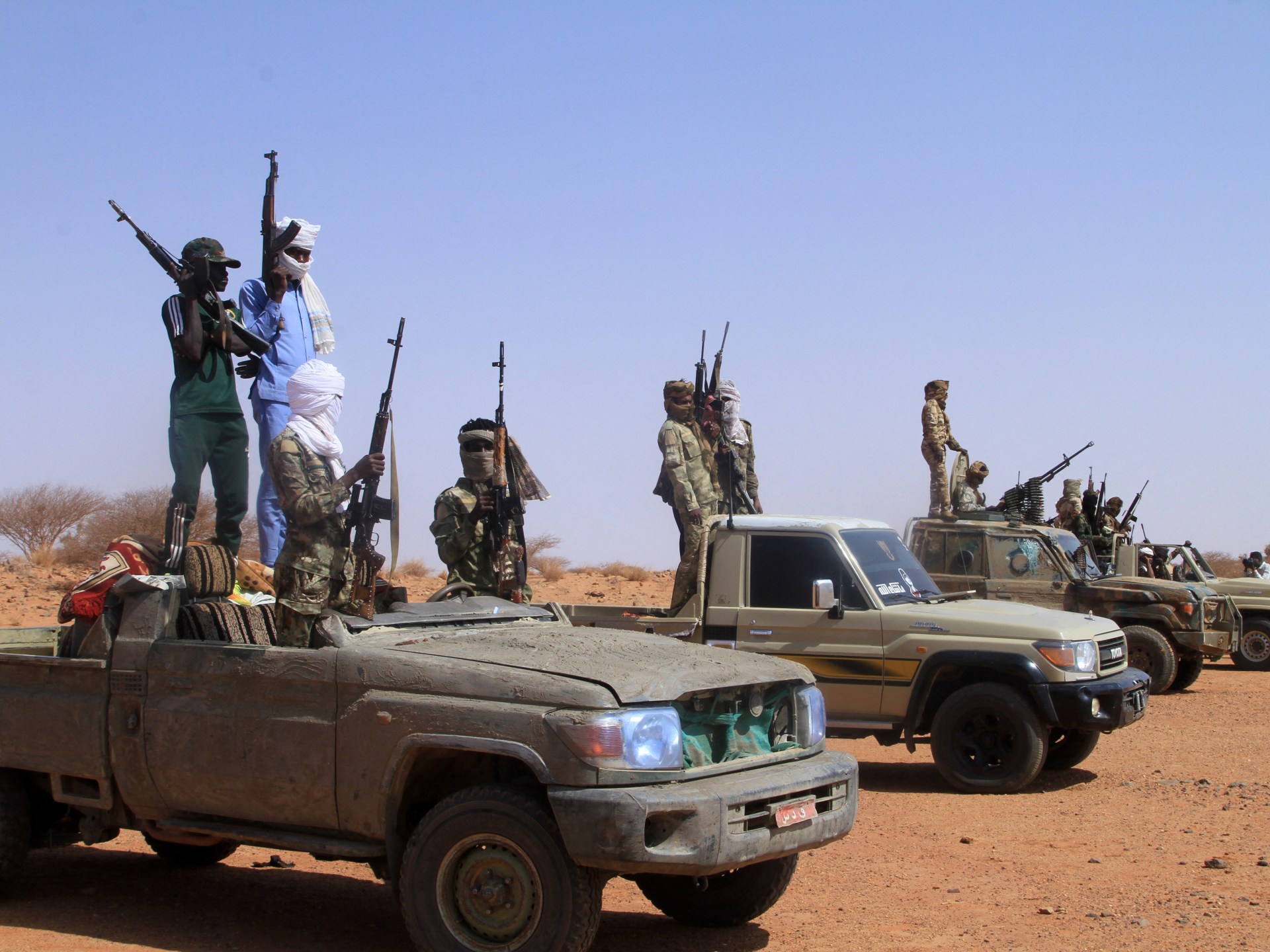
As Sudan’s Rapid Support Forces (RSF) face significant battlefield losses to the country’s regular army, analysts warn that military victory over the militia will not resolve the underlying conflict. The Sudanese military has consolidated gains through an armed coalition that may prove difficult to control once the common enemy is neutralized. Experts suggest that defeating the RSF could lead to fragmentation and a shift toward regional power struggles rather than a unified post-war government. The conflict’s humanitarian toll continues to worsen, with reports of severe water shortages in refugee camps highlighting the deepening crisis.
HP Partners with Huawei Despite U.S. Restrictions
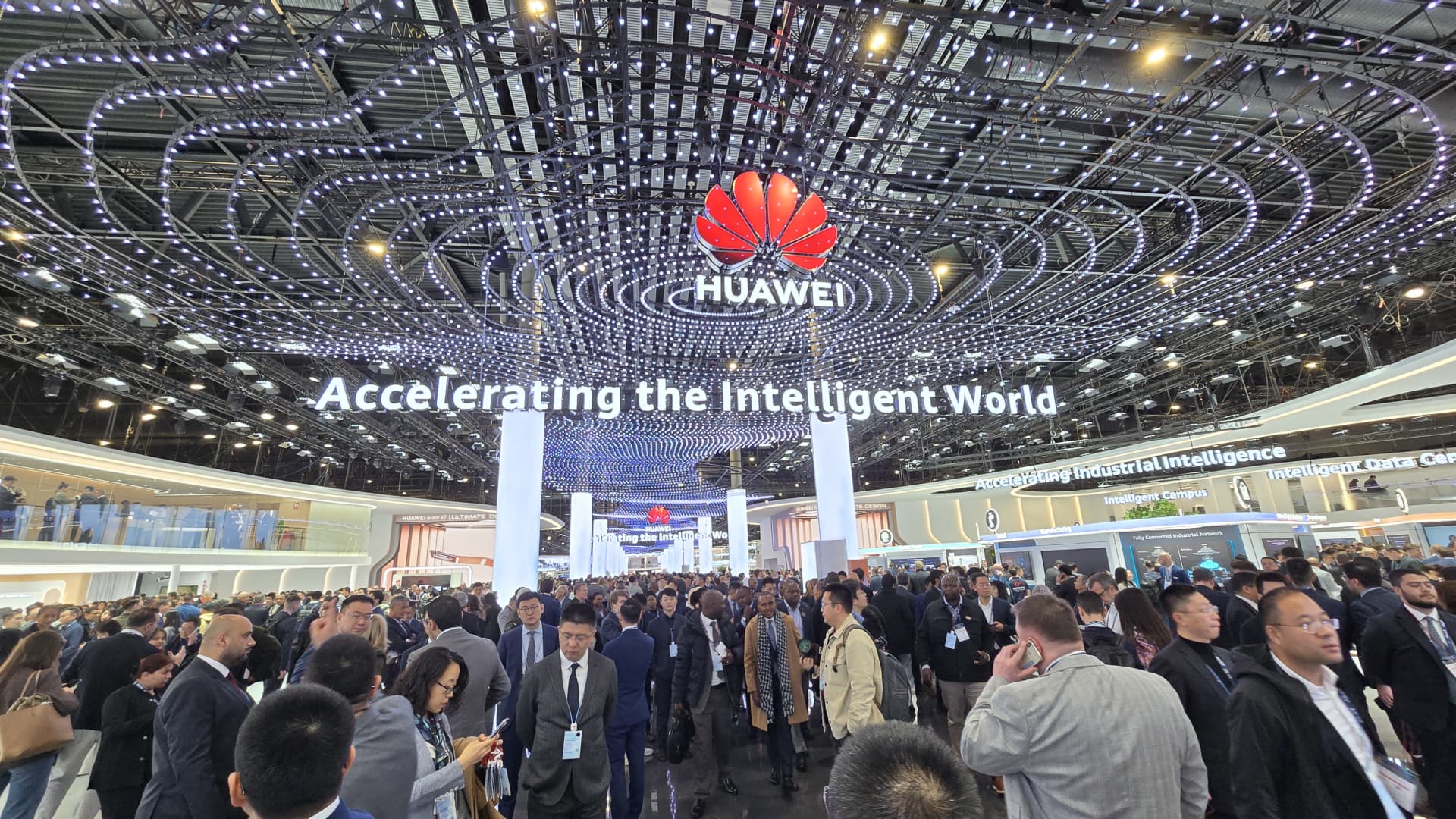
HP has announced a partnership to license WiFi technology from Huawei, marking a rare instance of major corporate adoption of Chinese technology outside China despite U.S. restrictions. The move underscores Huawei’s continued reach in global markets despite American efforts to isolate the company from international suppliers like Google. The partnership signals growing commercial interest in Huawei’s technical capabilities, particularly in telecommunications infrastructure, and suggests that U.S. sanctions have not fully severed the company’s global market presence.
Trump’s Saudi Nuclear Deal Advances Despite Proliferation Concerns
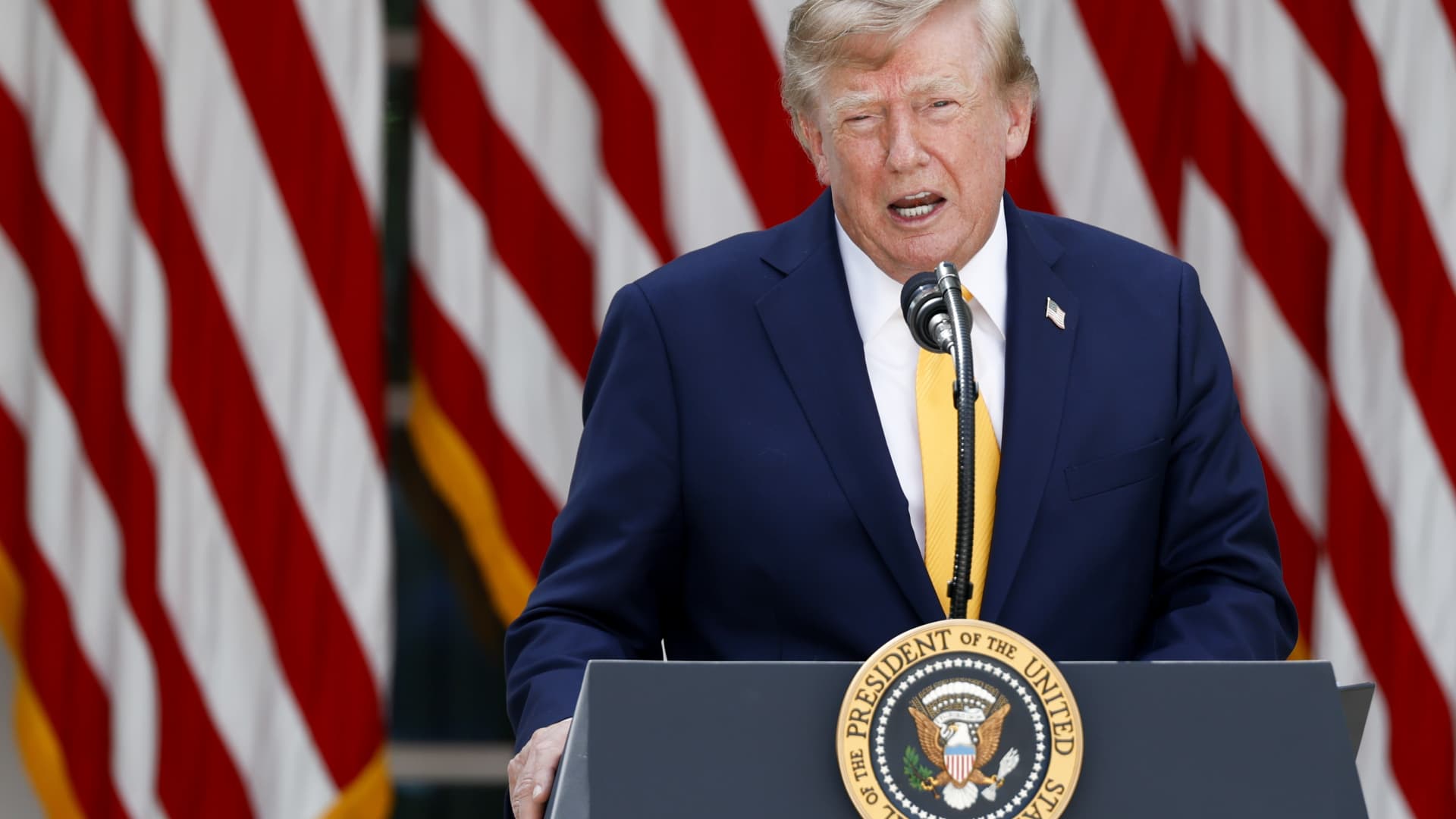
The Trump administration’s proposed nuclear cooperation agreement with Saudi Arabia has reached Congress for review, triggering fresh concerns from nonproliferation experts and Democratic lawmakers. The pact lacks permanent restrictions on uranium enrichment and reprocessing, raising the risk that Saudi Arabia could develop nuclear weapons capability in the future. Experts have criticized the deal for prioritizing geopolitical alignment over rigorous safeguards, particularly given the region’s instability and the absence of enrichment restrictions that characterized the Iran nuclear accord.
Brazil Fines TikTok $30 Million for Child Data Violations
Brazil’s regulatory authorities have imposed a $30 million fine on TikTok for illegally collecting data from children without proper consent. ByteDance, TikTok’s parent company, has been ordered to erase the improperly obtained child data from its Brazilian operations. The penalty is part of a broader global crackdown on tech giants’ data privacy practices, with multiple countries tightening oversight of how platforms handle minors’ personal information. Brazil’s action reflects growing international pressure to enforce child protection standards on social media companies.
Indonesia’s Ambitious Growth Target Draws Economist Scrutiny
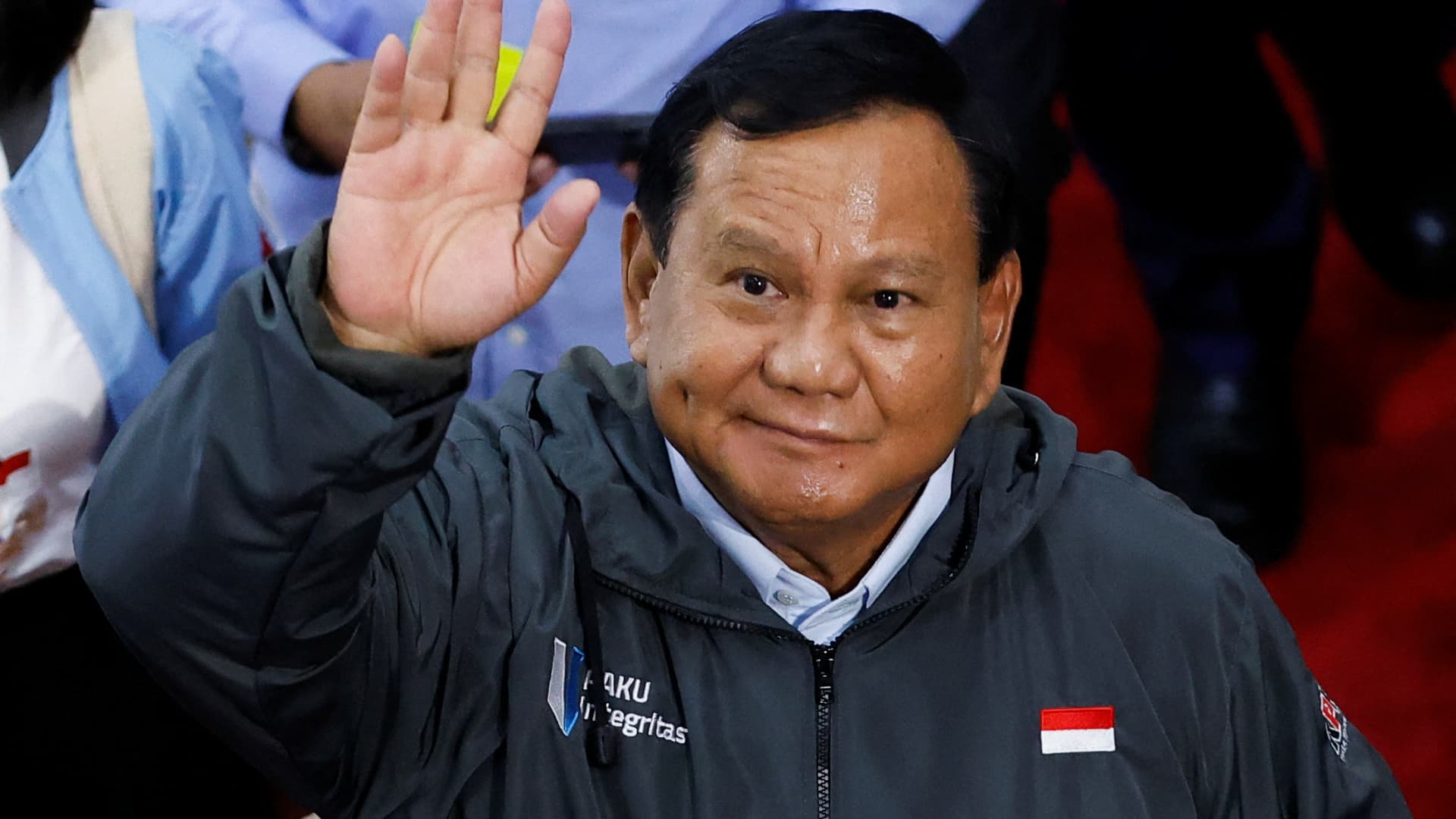
Indonesia has announced aggressive economic growth targets, but leading economists question whether the country can achieve these objectives while maintaining fiscal discipline. The growth ambitions, described by some analysts as “too much too quickly,” face headwinds from budget constraints and the need to balance development priorities with deficit management. Experts suggest that achieving the targets would require sustained reforms in tax collection and public spending efficiency, or risk broader macroeconomic imbalances.
Temasek-Backed Robots Bid for U.S. Market Via Singapore

As Washington restricts Chinese robotics companies from operating in the United States, a Temasek-backed venture capitalist is positioning Singapore as a gateway for Chinese robotics startups like Unitree to reach American markets. The strategy leverages Singapore’s neutral positioning and genuine development capabilities to circumvent U.S. sanctions, offering investors and manufacturers a workaround to existing restrictions. The effort reflects broader Chinese efforts to navigate American trade barriers while maintaining access to lucrative tech markets.
In Brief
- U.S. Army helicopter crash in Colorado: A Black Hawk helicopter crashed in the state, details of casualties and cause still being investigated.
- Sports: England’s Manchester United midfielder Bruno Fernandes and Manchester City defender John Shaw named PFA Players of the Year.
Compiled from the configured RSS feed.