
World News Roundup — August 21, 2026 (AM)
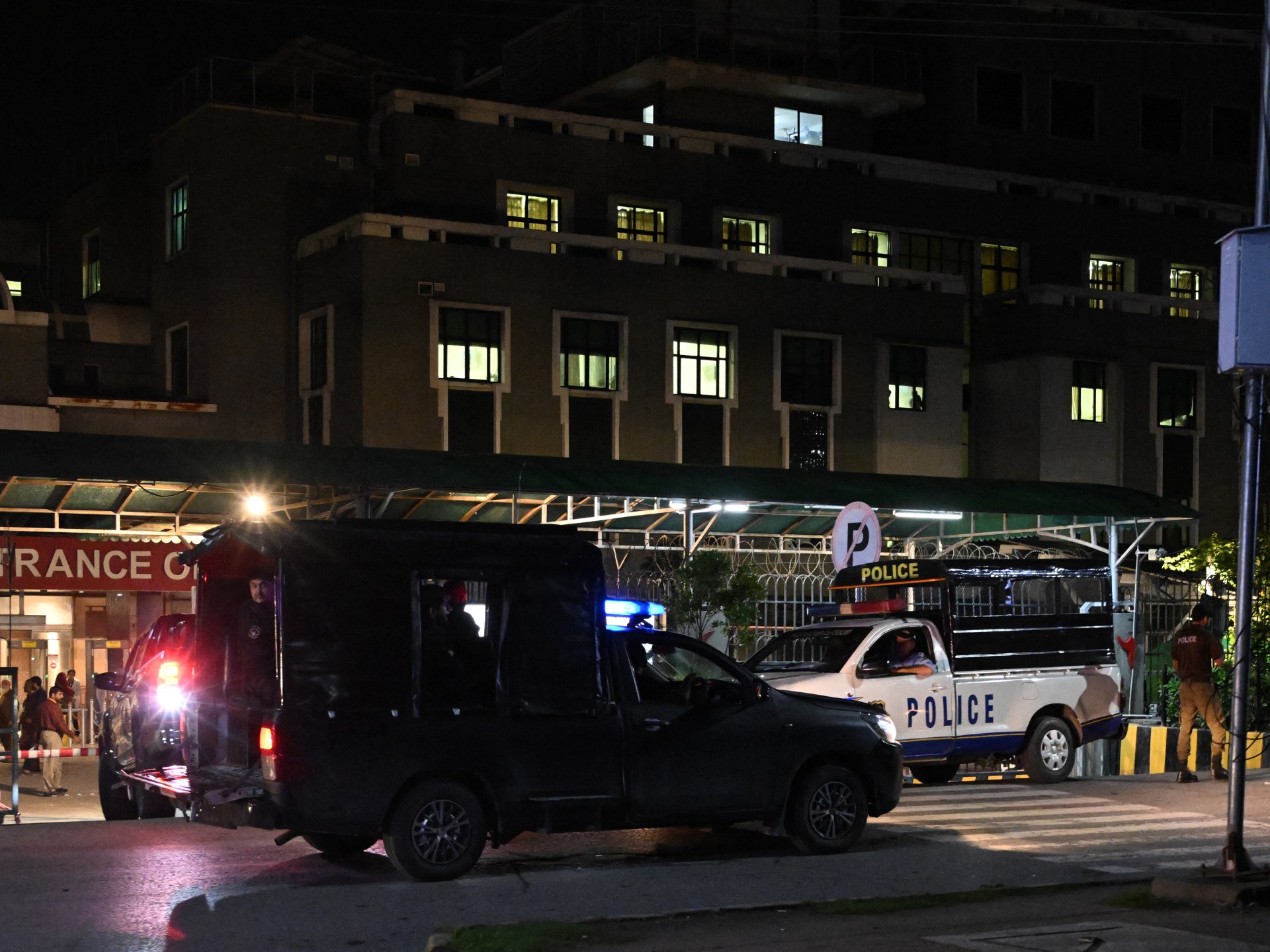
Pakistan’s former Prime Minister Imran Khan has been moved from jail to hospital after spending over three years in detention. Meanwhile, Yemen faces renewed conflict escalation, Somalia reports surging piracy attacks, and the US tightens its sanctions grip on Cuba. International responses to health crises in Central Africa and rising political instability across multiple continents define this edition.
Pakistan: Imran Khan Moved to Hospital After Court Order
Pakistan’s former Prime Minister Imran Khan has been transferred from jail to hospital following a court order, marking a significant development after more than three years of detention. Khan, who was voted out of office in April 2022, has been incarcerated on various charges. The court-ordered transfer to hospital suggests his health condition required medical attention that prison facilities could not provide.
Yemen: Escalating Military Conflict Threatens Regional Stability
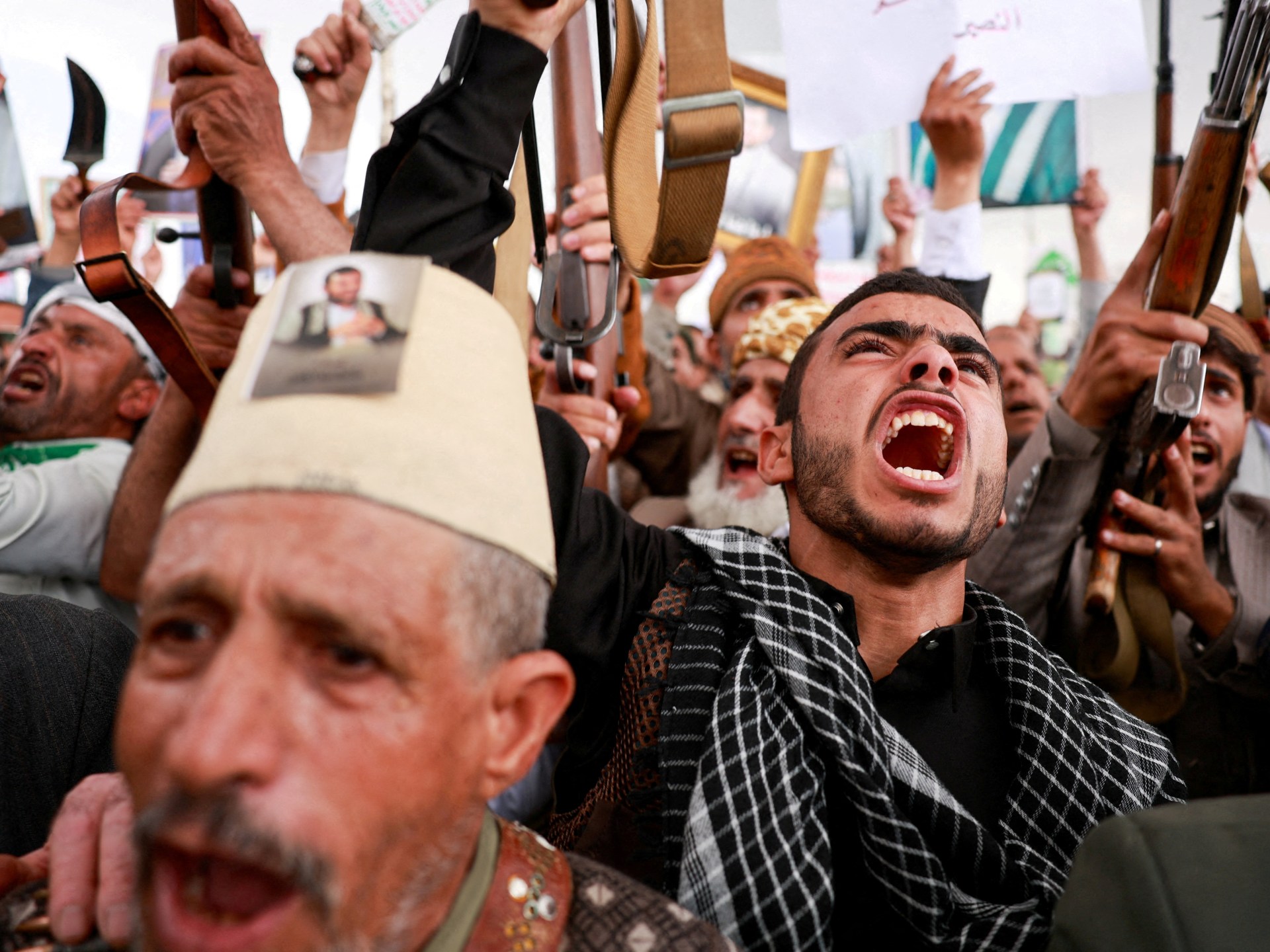
Yemen has slid back into full-scale warfare as Houthi forces and government-backed troops intensify their military operations. Government forces carried out 81 attacks in the last 24 hours, while Houthis claim to have targeted two objectives in Saudi Arabia. The renewed escalation underscores the fragility of Yemen’s security situation and threatens regional stability in the already volatile Arabian Peninsula.
Somalia: Piracy Resurgence Fueled by Regional Instability
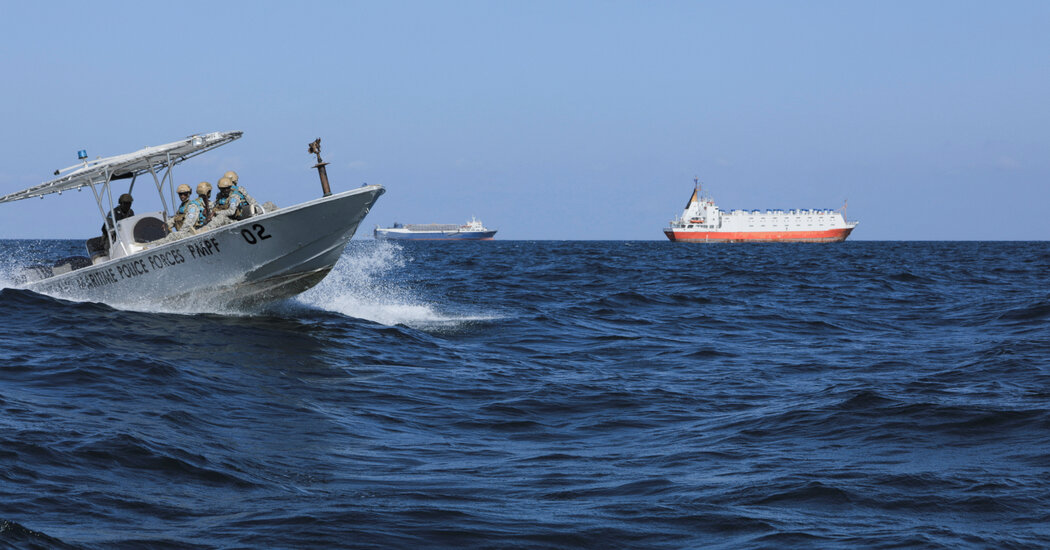
Two vessels were hijacked by Somali pirates within four days, marking a troubling resurgence in maritime piracy off the East African coast. Experts attribute the comeback to shifting regional dynamics, including the conflict in Iran and its ripple effects across global shipping lanes. The incidents signal a potential return to the piracy crises that previously plagued the Horn of Africa and threaten international maritime commerce.
Cuba: US Intensifies Economic Sanctions Targeting Key Industries
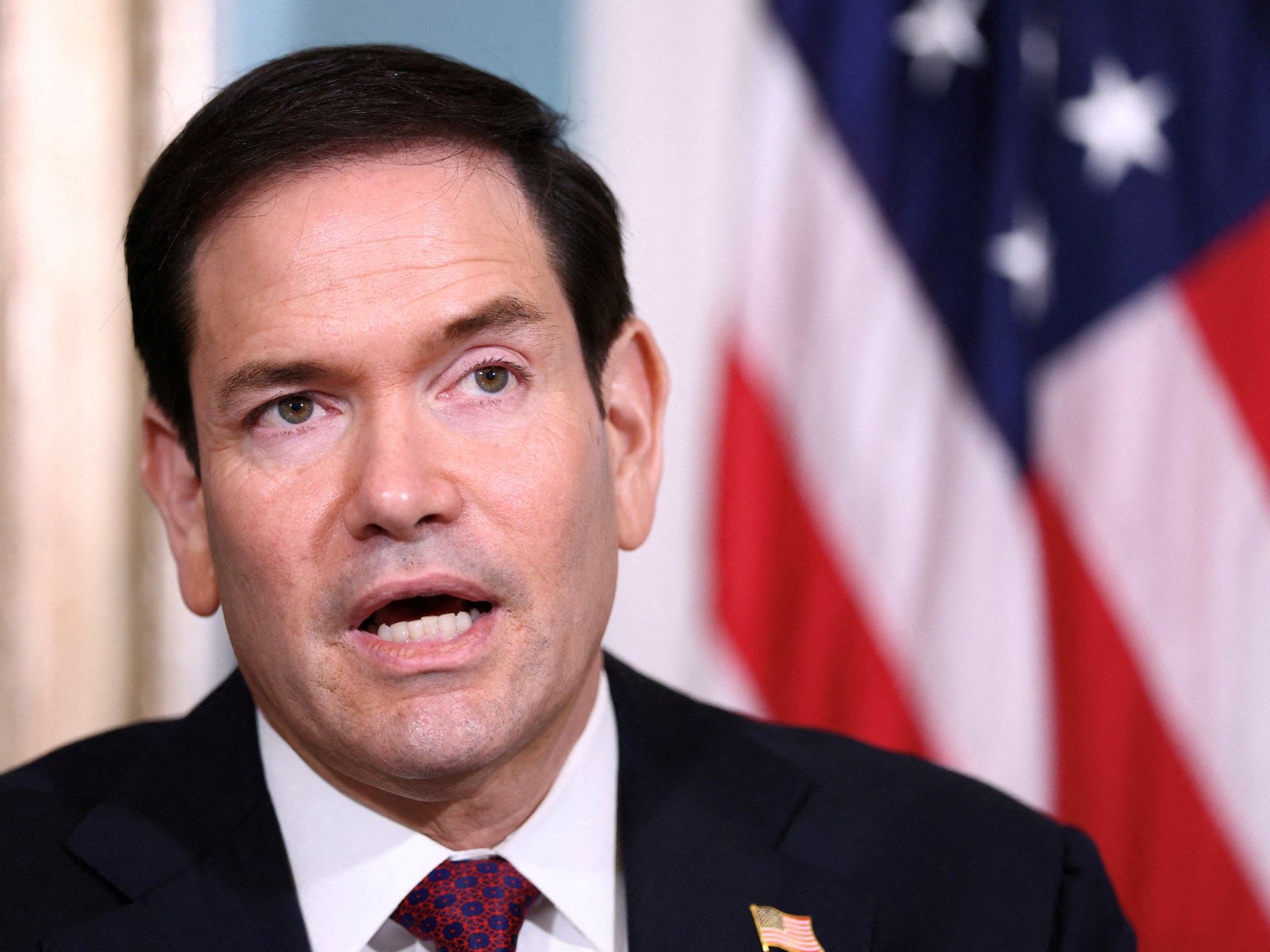
The United States has imposed new economic sanctions on Cuba targeting the mining and construction sectors, deepening the economic crisis on the island nation. US restrictions have already strained Cuba’s fragile economy, leading to widespread blackouts and chronic medical shortages. The latest sanctions escalation further constrains Cuba’s economic activity and threatens to worsen humanitarian conditions for ordinary Cubans.
Brazil: Latin America Builds AI Infrastructure Amid Tech Competition

Brazil has announced investments of approximately 2.3 billion reais ($444.2 million) to develop its artificial intelligence ecosystem and build supercomputing capabilities. The initiative positions Brazil as a serious competitor in AI development while navigating complex geopolitical tensions between US and Chinese technology interests. The investment signals Latin America’s determination to develop indigenous AI capabilities rather than remaining dependent on foreign tech powers.
DR Congo: Ebola Vaccine Deployment Accelerates as Deaths Approach 2,500
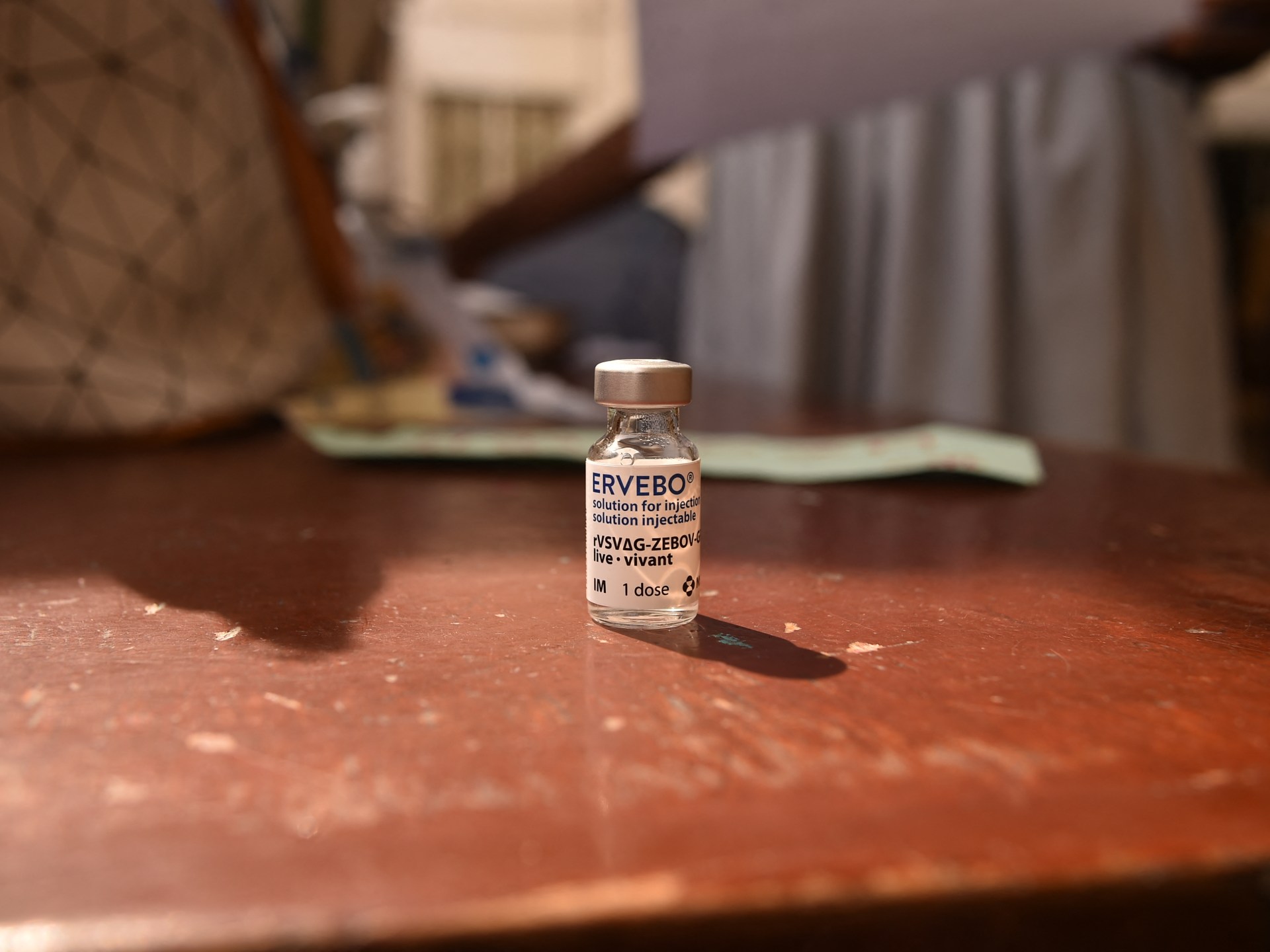
The Democratic Republic of Congo will receive 70,000 doses of Ervebo vaccine to combat the largest Ebola outbreak in the region’s history. The World Health Organization has allocated the vaccines as infections continue to spread and death toll approaches 2,500 cases. The vaccination campaign represents a critical response to contain the outbreak before it spreads further into neighboring regions.
Tunisia: Anti-Government Protests Persist as Economy Deteriorates
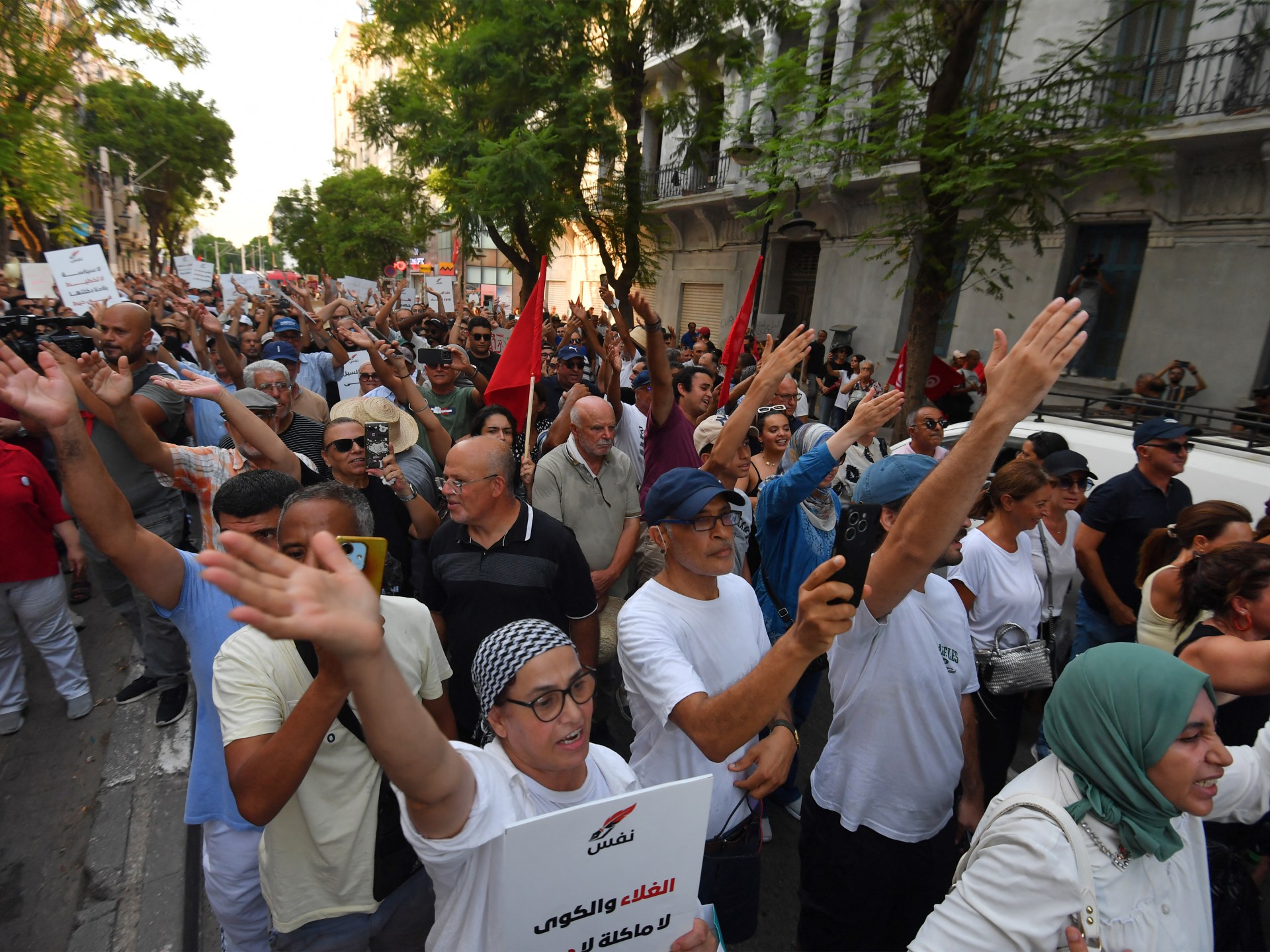
Tunisia has experienced a second month of anti-government protests as economic conditions continue to deteriorate across the country. Citizens have taken to the streets to voice discontent over inflation, unemployment, and declining living standards. The sustained protests reflect broader frustration with the government’s economic management and raise concerns about social stability in the North African nation.
Compiled from the configured RSS feed.