
Tech News Roundup — November 5, 2026 (PM)
Big Tech continues its relentless transformation: Discord is finally leaving Electron behind for Rust, major OS vendors are integrating AI assistants (now with opt-in controls), and premium smartphone makers are redefining the flagship market with ultra-luxury models.
Discord Leaves Electron Behind, Rebuilds in Rust
Discord ditches Electron, moves desktop app fully to Rust for lower resource usage. The messaging platform has finally given up on Electron, the cross-platform web-based framework notorious for consuming memory. Discord’s chief technology officer Stanislav Vishnevskiy confirmed the shift to Rust, a language Discord has been using since 2018 for infrastructure and voice tech. The new Rust-based client eliminates Electron and React Native entirely, marking the “holy grail” of Discord’s engineering roadmap. This move aligns with broader industry trends of performance-conscious companies abandoning Electron for more efficient alternatives, and should translate to faster startup times and lower RAM footprint on Windows, macOS, and Linux.
Microsoft Brings Copilot to Windows 11 Search—But Makes It Optional
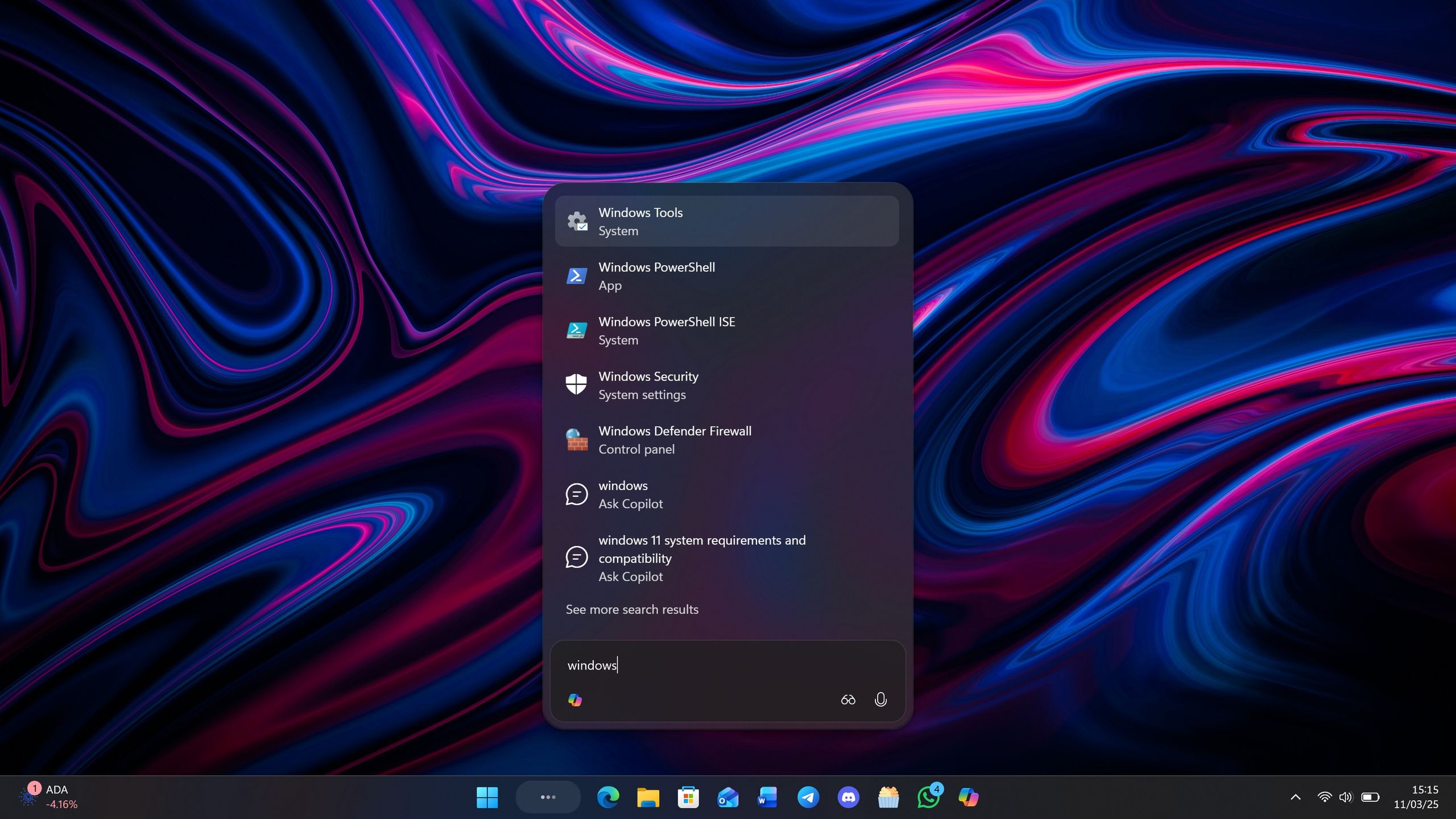
Copilot integration arrives in Windows 11 Search later in 2026, with an opt-in toggle to keep Copilot out. Microsoft announced that its overhauled Windows Search UI—rebuilt with faster file results, native Windows frameworks, and the ability to control settings and preview content—will gain Copilot integration this year. Unlike the earlier Ask Copilot feature, which shipped without a disable option, Copilot in the new Search will be opt-in, reflecting Microsoft’s mid-2026 pivot to reduce bloat in Windows. Users who want AI-assisted quick answers can keep Copilot in Search; those who don’t can turn it off entirely. The integration will roll out first to select markets before the end of 2026.
Motorola Signature 27: Premium Flagship at $1,600
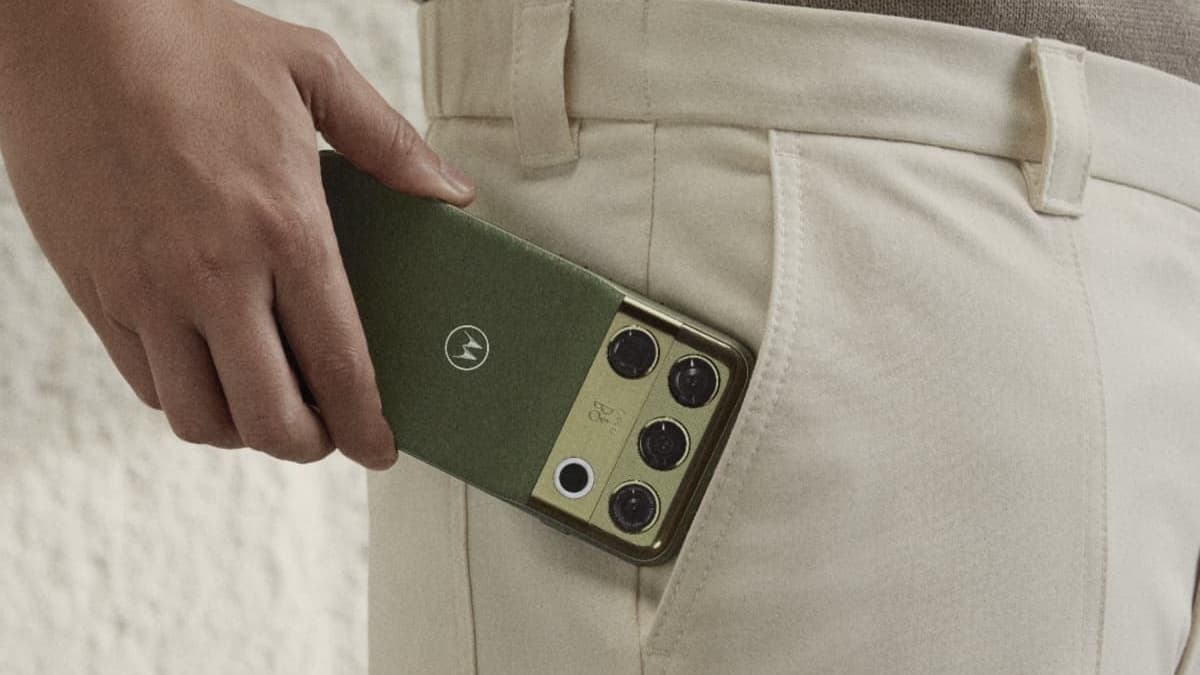
Motorola enters the ultra-premium segment with the $1,600 Signature 27, signaling a market shift toward luxury flagship phones. Motorola is making a bold move to compete at the top of the smartphone market with its new Signature 27, a premium flagship priced at $1,600 that the company believes will reshape the sector. The device represents Motorola’s commitment to the high-end market, challenging Apple and Samsung’s dominance in the luxury smartphone segment. The Signature 27’s launch reflects broader industry consolidation around ultra-premium devices, where profit margins justify aggressive pricing and exclusive designs.
World of Warcraft: Forever Launches Smoothly
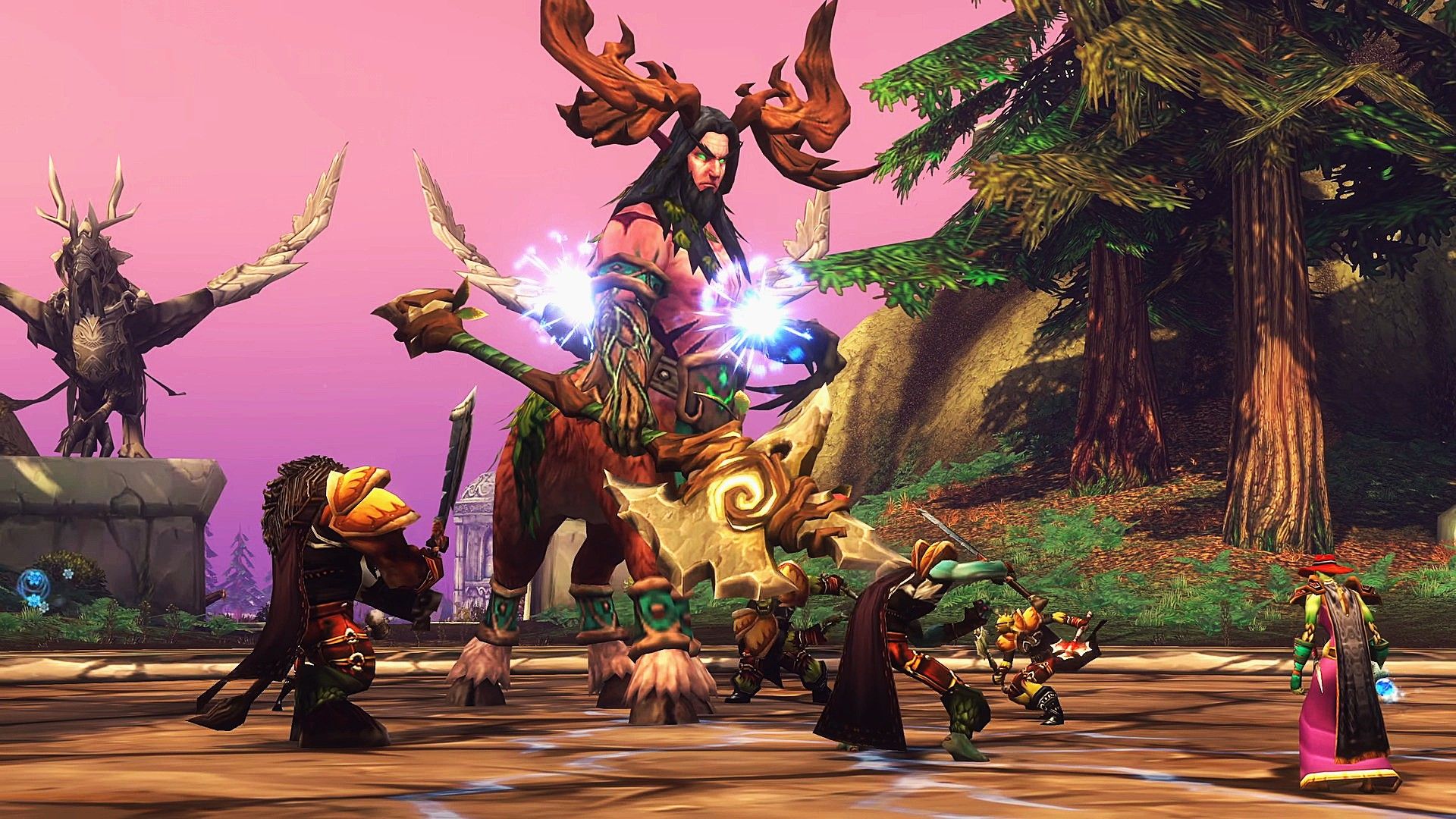
Blizzard’s World of Warcraft: Forever classic server launches without major technical issues, marking one of the smoothest WoW launches in the franchise’s history. The long-awaited classic World of Warcraft Forever server went live with minimal downtime and stable performance, drawing praise from players accustomed to Blizzard’s launch-day server strain. The successful rollout demonstrates improvements in Blizzard’s infrastructure and deployment practices, setting a new standard for how major MMORPG expansions can launch reliably at scale.
OpenAI Uncovers 948 Linux Kernel Privilege Escalation Bugs
OpenAI’s autonomous vulnerability discovery system finds 948 valid local privilege escalation flaws in the Linux kernel. In a demonstration of AI-powered security research, OpenAI published findings from their autonomous vulnerability discovery project, identifying nearly 1,000 previously unknown local privilege escalation (LPE) vulnerabilities in the Linux kernel. The discovery underscores both the power of AI in finding security blind spots and the ongoing challenge of maintaining kernel security across billions of deployments. The vulnerabilities are now being worked into patching timelines, though the sheer volume highlights the scale of technical debt in critical infrastructure.
Big Tech’s $720 Billion AI Buildout Shows No Signs of Slowing
Amazon, Microsoft, Alphabet, and Meta each revealed record capex spending plans—totaling $720 billion alone in 2026—with no slowdown in sight. After Q3 earnings calls from the four largest AI investors, one reality became clear: Big Tech will not voluntarily cut AI spending. Amazon, Microsoft, Alphabet, and Meta alone are spending at least $720 billion on capital expenditure this year, the vast majority for AI data center infrastructure. On top of prior commitments totaling over $1 trillion, the spending spree shows no indication of stopping, even though the promised ROI from AI applications remains elusive. The buildout is now self-perpetuating—each company fears losing ground to competitors, so none will break first.
In Brief
Sony earnings surge on Spider-Man and PlayStation. Sony’s Q2 2026 profits jumped, driven by strong PlayStation 5 sales and the Spider-Man game franchise’s performance, signaling sustained demand for premium gaming hardware and first-party titles.
Amazon partners with Uber Eats for restaurant delivery. Amazon is re-entering the food delivery business through a partnership with Uber Eats, leveraging Starlink connectivity on United Airlines seatbacks to expand its ecosystem reach.
Spotify now available on United Airlines WiFi. Passengers on select United flights can stream music through Starlink’s in-flight internet, adding premium entertainment to the airline’s cabin experience.
Anthropic explores dynamic pricing for AI tokens. Anthropic is evaluating flexible pricing models that adjust token costs based on task complexity and value, a shift away from static per-token rates.
Microsoft claims 40% Windows 11 speed boost on 8GB machines. Windows 11 received optimizations that reportedly deliver significant performance gains even on entry-level hardware, making budget laptops more responsive.
Compiled from the configured RSS feed.