
Tech News Roundup — November 5, 2026 (NOON)
This NOON edition features major moves in smart home AI, gaming accessibility, and gaming design philosophy — from Gemini’s real-world security integration to Xbox’s gaming-on-any-device breakthrough.
Smart Home Gets an AI Brain
Google’s Gemini for Home is moving beyond voice commands and into your home’s security infrastructure. AT&T has become the first home security provider to integrate Gemini for Home Premium with its Connected Life system, enabling AI-powered analysis of security camera footage. The integration lets Gemini describe delivery events, answer natural language questions like “What dug up the yard?” or search recorded footage by topic. Instead of manual review, homeowners can ask their AI about package drops, unexpected visitors, or backyard activity — a significant leap in practical AI utility for the average home.
Xbox Cloud Gaming Gets Wired for Speed and Smartphones
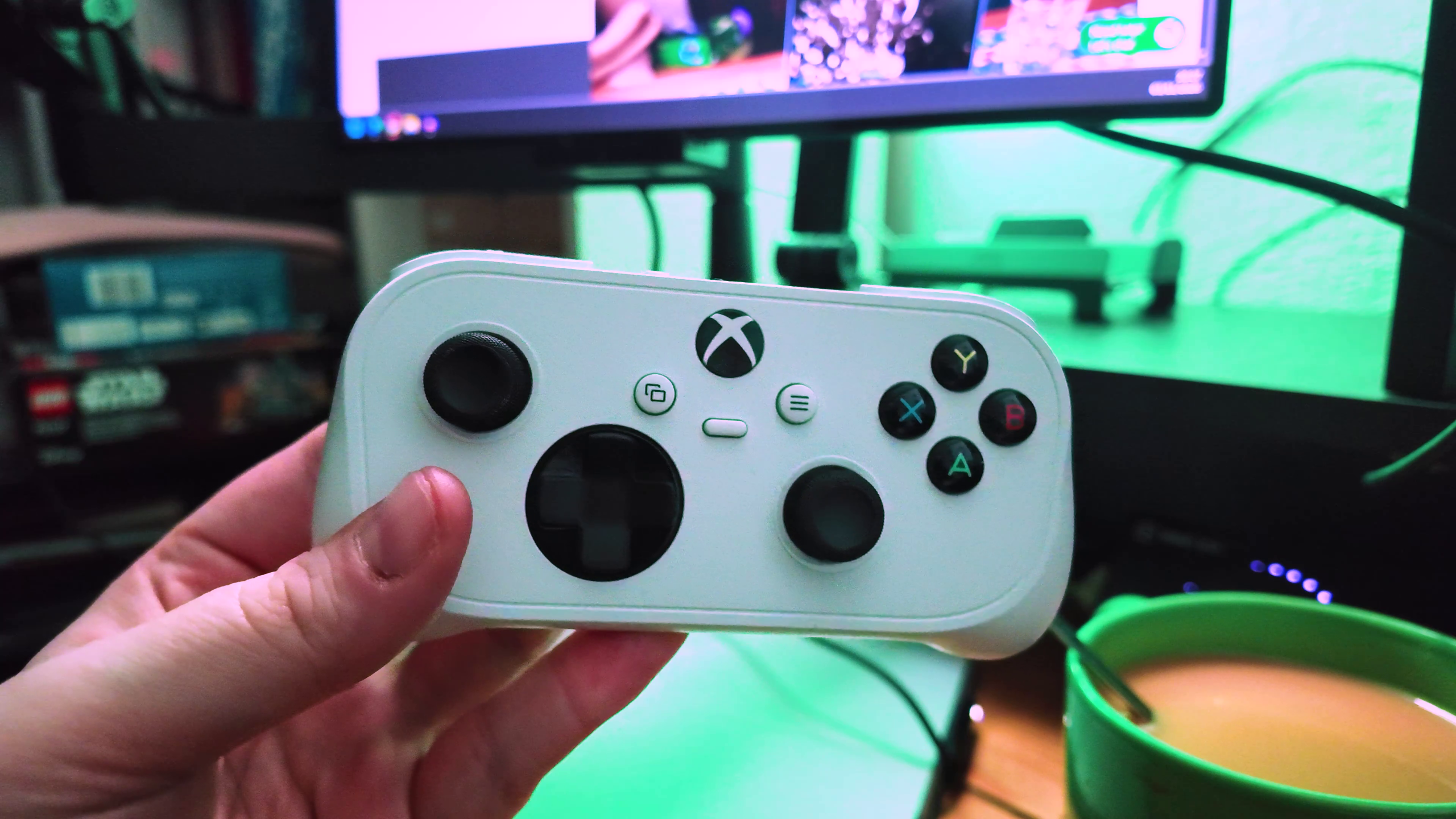
Microsoft confirmed two major upgrades to Xbox Cloud Gaming that reshape how players access games without a console. The Xbox Nano Controller now supports Cloud Connect — a direct Wi-Fi connection that bypasses Bluetooth and delivers input directly to Microsoft’s cloud servers, dramatically reducing latency and making gameplay feel noticeably snappier. Equally surprising: players can now use their smartphone (iOS or Android) as a virtual gamepad for Xbox Cloud Gaming on supported Smart TVs. The phone controller loads in a web browser with no app needed, and some games will feature custom-tailored touch layouts. Cloud Connect is currently in preview in the US on Smart TVs and browsers; the phone controller is rolling out globally on supported TVs. Both features signal Microsoft’s intent to lower the barrier to cloud gaming — you no longer need a dedicated controller or even a traditional screen.
Nintendo Reimagines Ocarina of Time Around Elegance
Nintendo’s upcoming Ocarina of Time remake prioritizes elegance over raw ambition. In interviews, lead producer Eiji Aonuma and producer Hidemaro Fujibayashi revealed that the team focused on refining the 1998 game’s core magic — responsive controls, intuitive puzzles, and pacing — rather than grafting modern open-world expectations onto the original design. The remake will run on Switch 2, offering a faithful reimagining that respects what made the game legendary while modernizing its presentation. This philosophy extends Nintendo’s track record of respectful remakes: not “bigger,” but better for how players actually play.
Windows 11 Gets a Mac Makeover with Start11 v3
Windows 11 desktop customization just got an opinionated upgrade. Start11 v3 — a third-party utility that replaces Windows 11’s Start menu and taskbar — now offers a cohesive Mac-like interface transplant. The tool gives Windows the visual consistency macOS users take for granted: unified menu styling, refined navigation, and a dock-like taskbar. For users frustrated by Windows 11’s design choices, Start11 v3 delivers a polished, alien-but-functional aesthetic that proves Windows’ UI flexibility. It’s a reminder that Windows’ real strength — beneath its aesthetic stumbles — is malleability.
In Brief
Nothing’s Screen-Free AI Device — Nothing is teasing a dedicated AI device without a traditional screen, launching next month. The company is keeping details scarce, but early hints suggest a focus on voice-driven interaction and ambient intelligence. MPV Media Player 0.42 brings multi-threaded compression and improved Wayland support to the open-source player, enhancing performance on Linux desktops. LZ4 Compression 1.11 adds multi-threaded compression to the liblz4 library, delivering significant performance gains for data archival and streaming applications.
Compiled from the configured RSS feed.