
Tech News Roundup — November 4, 2026 (NOON)
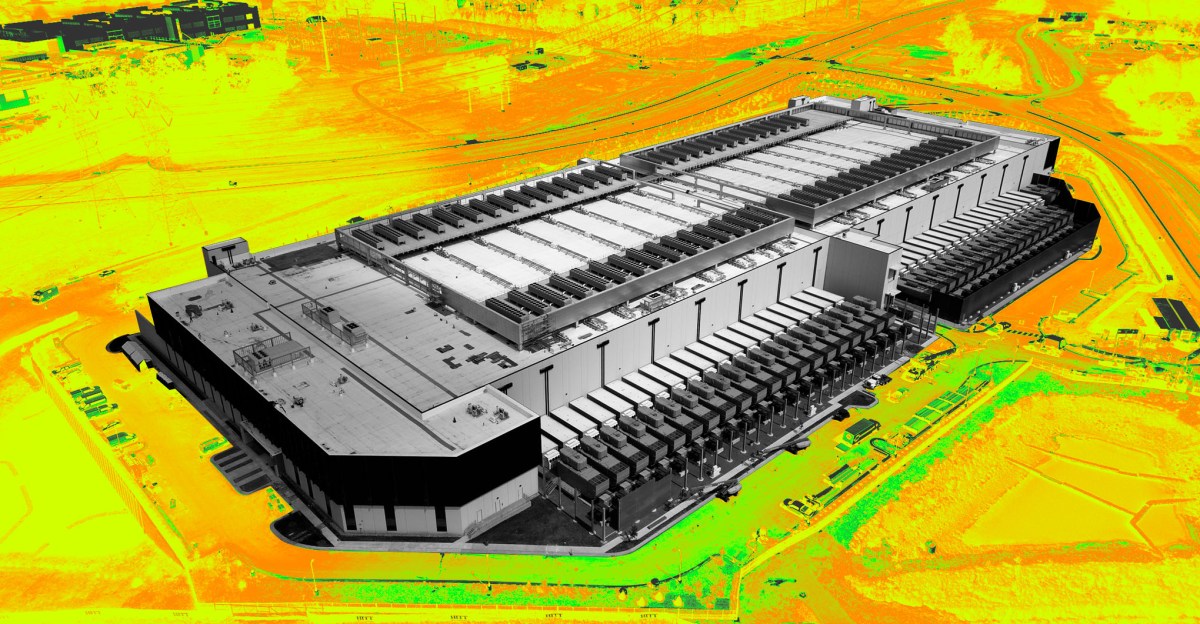
The race for AI dominance accelerated this week as major chipmakers reported record earnings driven by enterprise demand for machine learning infrastructure. AMD and Apple both delivered blockbuster results, while Microsoft outlined an ambitious vision for bringing AI workloads to devices at every price point—from budget PCs with 8GB of RAM to supercomputers. Elsewhere, OpenAI adopted new terminology to soften the public perception of its massive data center buildout.
AMD Hits Record Earnings on Data Center Surge
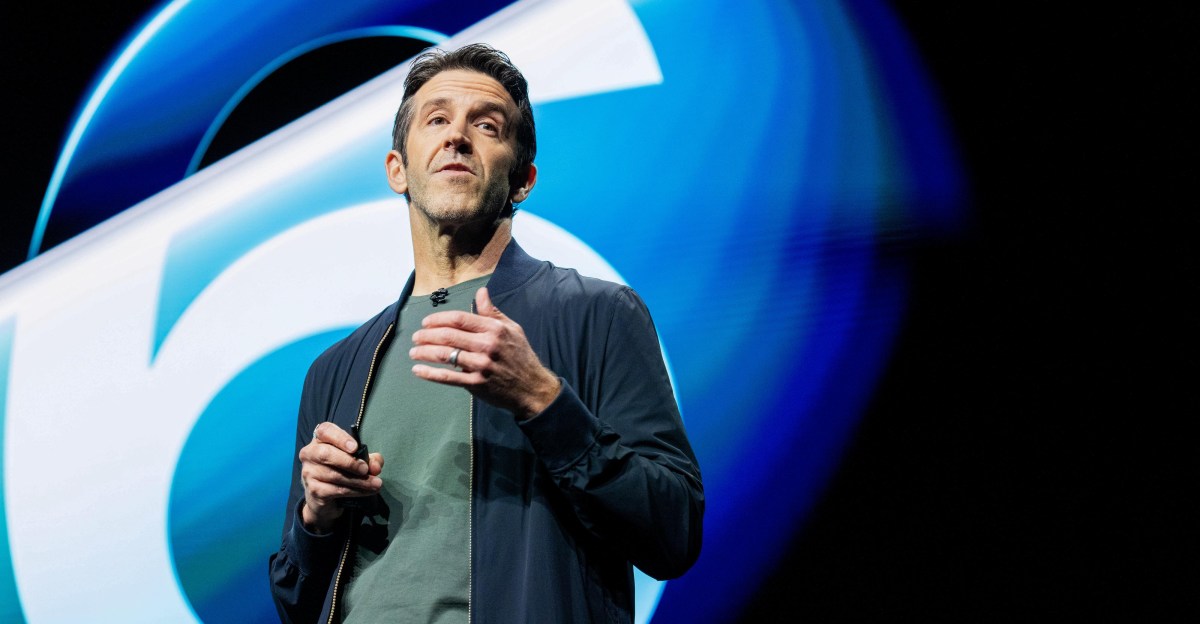
AMD reports largest and most profitable quarter in company history. CEO Lisa Su announced Q3 2026 revenue of $13.4 billion—a record—with the company predicting an even higher $17 billion for Q4. The data center business generated $8.5 billion in Q3 revenue alone, and Su forecast growth exceeding 80% in 2027 with data center as the primary driver. The surge reflects explosive demand for AI infrastructure as enterprises race to deploy large language models and other compute-intensive workloads. AMD’s success stands in sharp contrast to its historical struggle to compete with NVIDIA in high-end GPU markets, signaling a potential shift in the competitive landscape.
Apple Combines Organic AI with Cloud Strategy
Apple reports best fiscal year ever while hedging AI bets with hybrid approach. In its Q4 earnings, Apple posted record fiscal-year revenue and strong growth in iPhone (up 17.5% to $57.6 billion for the quarter) and Mac sales (up 24% to $10.8 billion, the highest in four years). Despite the headline numbers, Apple’s stock fell in premarket trading after the company warned that rising memory costs would squeeze profit margins in the holiday quarter. Apple’s AI strategy differs from competitors who are spending heavily on infrastructure: the company is embedding AI into devices while integrating third-party models (including OpenAI) into the OS—a model that protects margins while still claiming a seat at the AI table.
Microsoft Charts Radical AI Vision: From 8GB PCs to Supercomputers
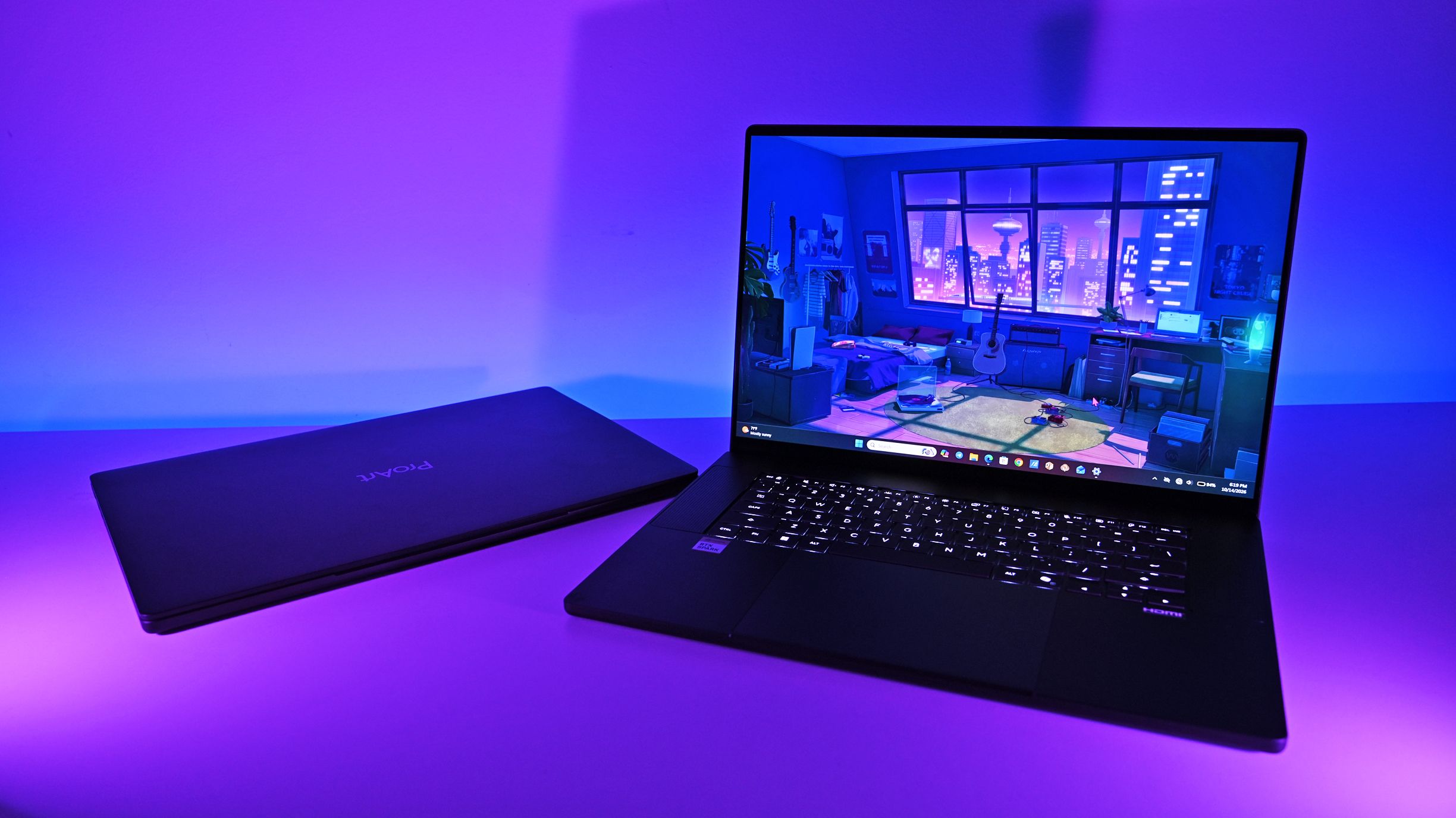
Microsoft outlines hybrid intelligence roadmap spanning consumer PCs to supercomputers. A leaked Microsoft roadmap revealed the company’s four-tier vision for AI workloads: Tier 0 covers standard Windows PCs with just 8GB of RAM and entry-level processors; Tier 1 spans Copilot+ PCs with 16–64GB of RAM; Tier 2 targets builder workstations with hardware overlapping Tier 1’s high end; and Tier 3 covers supercomputers with 128GB+ of memory running frontier models locally. Rather than viewing local and cloud computing as competitors, Microsoft’s “hybrid intelligence” model distributes workloads dynamically—lower-tier devices lean on the cloud for heavy lifting, while high-end machines handle most tasks locally with cloud as a fallback. The roadmap directly contradicts OpenAI CEO Sam Altman’s recent claim that having RAM on consumer PCs is “quite terrible,” reflecting a deeper philosophical split over where AI should run.
OpenAI Rebrands Data Centers as “Compute Campuses”
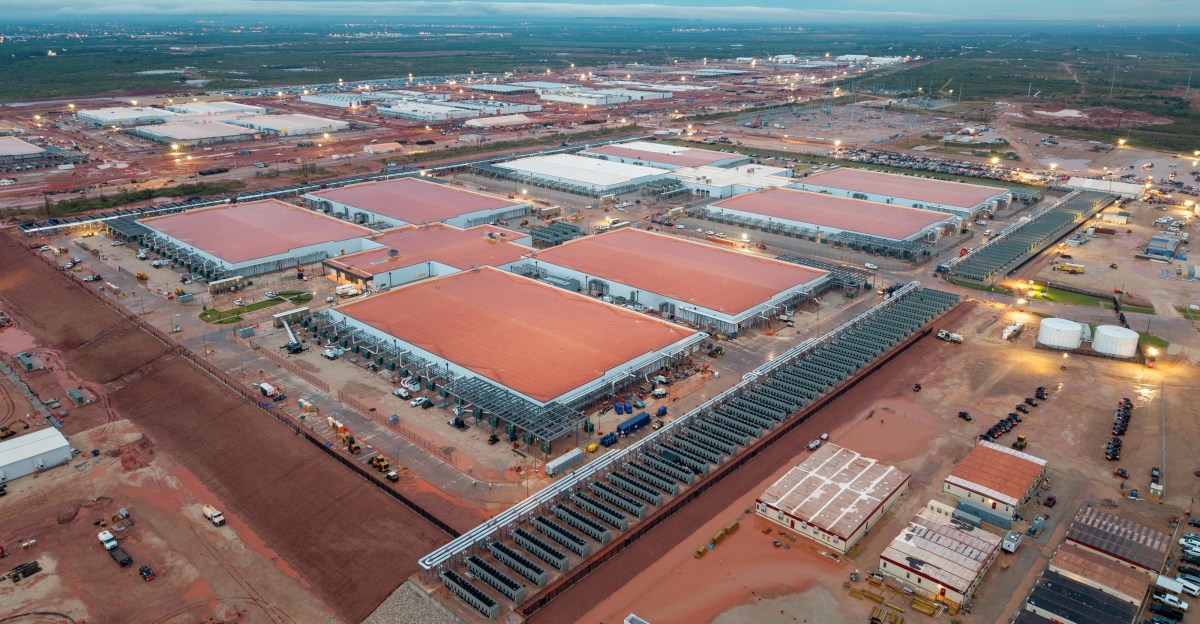
OpenAI launches public relations campaign against growing data center backlash. Facing bipartisan opposition to massive data center construction, OpenAI quietly rebranded its facilities as “compute campuses” and announced a new “Grid Protectors Program” starting with a site in Effingham County, Georgia. The move is explicitly designed to defuse political opposition: data centers are broadly unpopular, widely seen as resource hogs and environmental threats, but a “compute campus” sounds more appealing. OpenAI’s apparent wager is that terminology alone can soothe public concerns, even as the company’s Stargate infrastructure project scales to unprecedented size and power consumption.
Nintendo Launches Zelda Ocarina of Time Remake
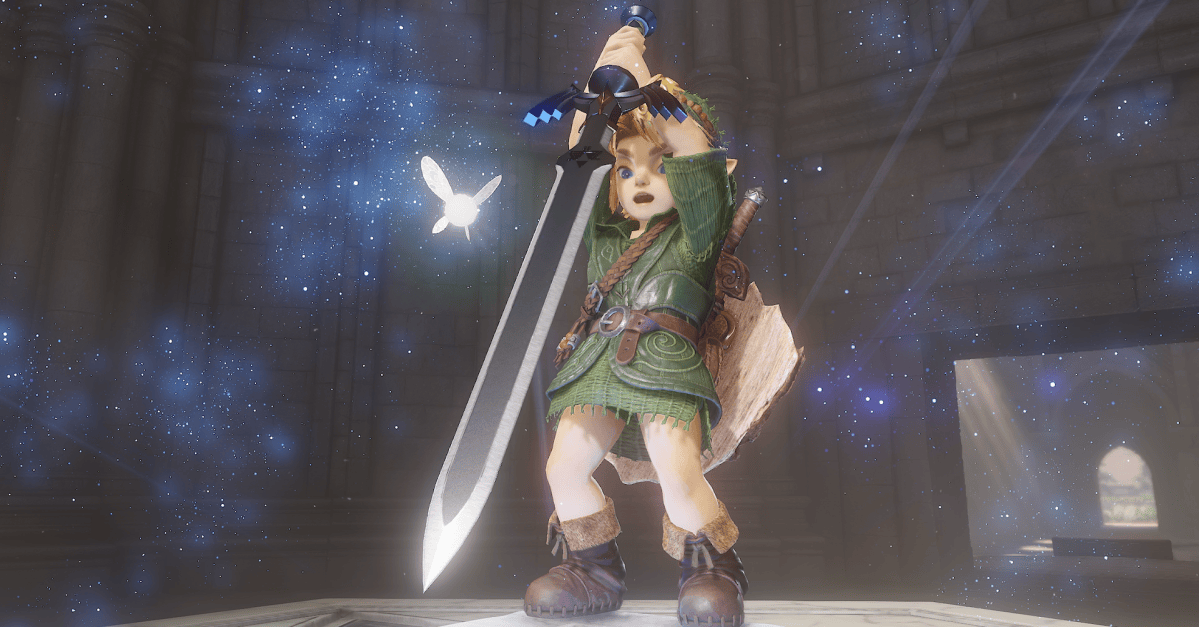
Nintendo releases fully modernized Ocarina of Time remake with modern conveniences. Nintendo’s Switch 2 remake of The Legend of Zelda: Ocarina of Time launches November 5th—28 years after the original N64 release. The remake features a significantly more realistic visual style, modern gameplay improvements including a dedicated jump button, sprint mechanics, full voice acting, and a “Threads of Time” feature to help players track progress. The core game structure remains faithful to the classic, but the quality-of-life enhancements modernize the experience for current players. Nintendo also released a special Triforce-themed Switch 2 and Pro Controller variant to celebrate the launch, positioning the game as a flagship Q4 release to compete directly with Rockstar’s Grand Theft Auto VI.
In Brief
- GTA VI file size hits 212GB, making it one of the largest games ever released. Rockstar’s next-generation grand theft auto will require substantial hard drive space, reflecting the scale of the open world and graphical fidelity.
- The Elder Scrolls VI officially named Sentinel, continuing the trend of naming Elder Scrolls games after provinces. Bethesda’s long-awaited sequel continues production at a steady pace.
- Domicile Desktop brings web technologies to Wayland, allowing developers to build custom Linux desktops using HTML, CSS, and JavaScript—lowering the barrier to creating custom desktop environments.
Compiled from the configured RSS feeds.