
Tech News Roundup — November 3, 2026 (AM)
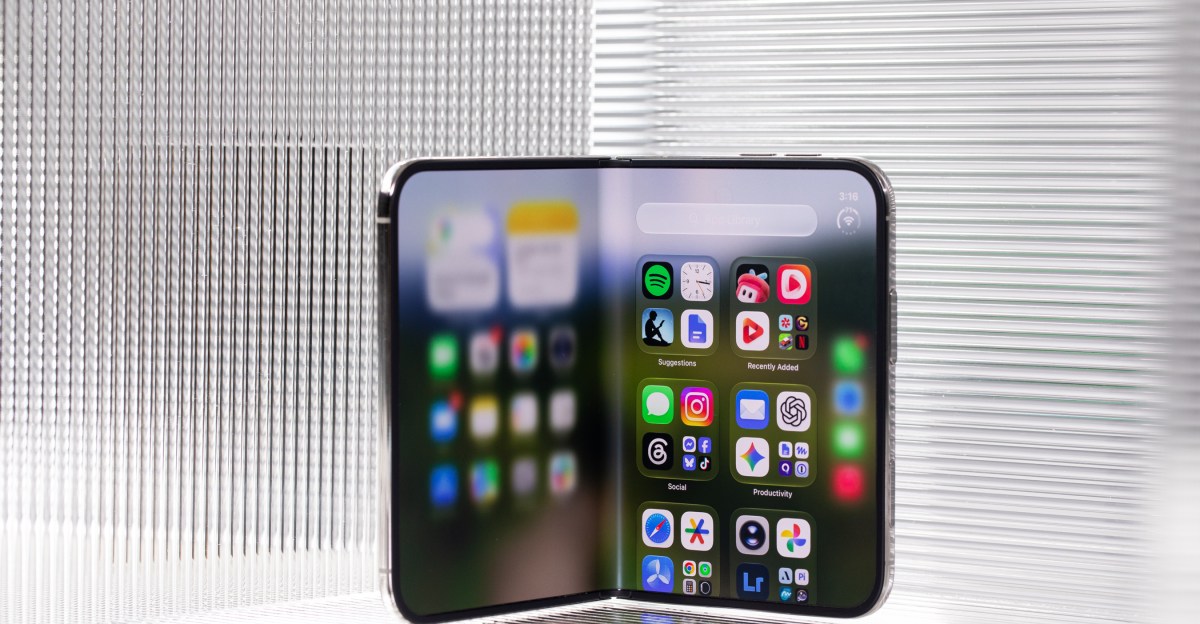
Apple’s hardware momentum shows mixed signals this quarter: the company achieved a record $57.58 billion in iPhone revenue, a 17% surge from last year, driven by premium iPhone 18 Pro pricing and foldable iPhone Duo presales. Yet that same Duo launch exposed a harsh reality—CEO John Ternus admits Apple cannot predict when supply and demand will equilibrate, with shipments slipping into 2027. Google pushed AI boundaries by running machine learning on a satellite in orbit, while Anthropic tightened controls on Claude’s use in game cloning to discourage IP erosion. Microsoft’s gaming division faced renewed scrutiny after the abrupt departure of Xbox COO Helen Chiang sparked allegations of mistreatment. Security researchers revealed a 1.3-million-device Android botnet secretly built into set-top boxes by a Chinese manufacturer, now shut down. Industry-wide, privacy-conscious automakers like BMW and Ford are making bids with autonomous-driving and data-protection pledges.
Apple’s Foldable Success Masks Supply Chain Chaos
Apple’s iPhone Duo foldable set a new precedent for the company’s hardware ambitions, but the launch exposed supply-chain fragility. The $1,999 device sold out in preorders with some units not expected to ship until 2027. CEO John Ternus told Reuters the company is “working hard to get it to as many customers as quickly as possible” but acknowledged Apple cannot currently predict when supply will catch up to demand. Meanwhile, Apple’s overall iPhone revenue hit record territory in Q4 2026—$57.58 billion, a 17% leap—driven by premium-tier iPhone 18 Pro and Pro Max models alongside aggressive price increases on older SKUs. The Duo’s supply crunch starkly contrasts with robust legacy iPhone demand, suggesting the foldable form factor is resetting buyer expectations and stretching manufacturing capacity.
Google Demonstrates AI Running in Earth Orbit
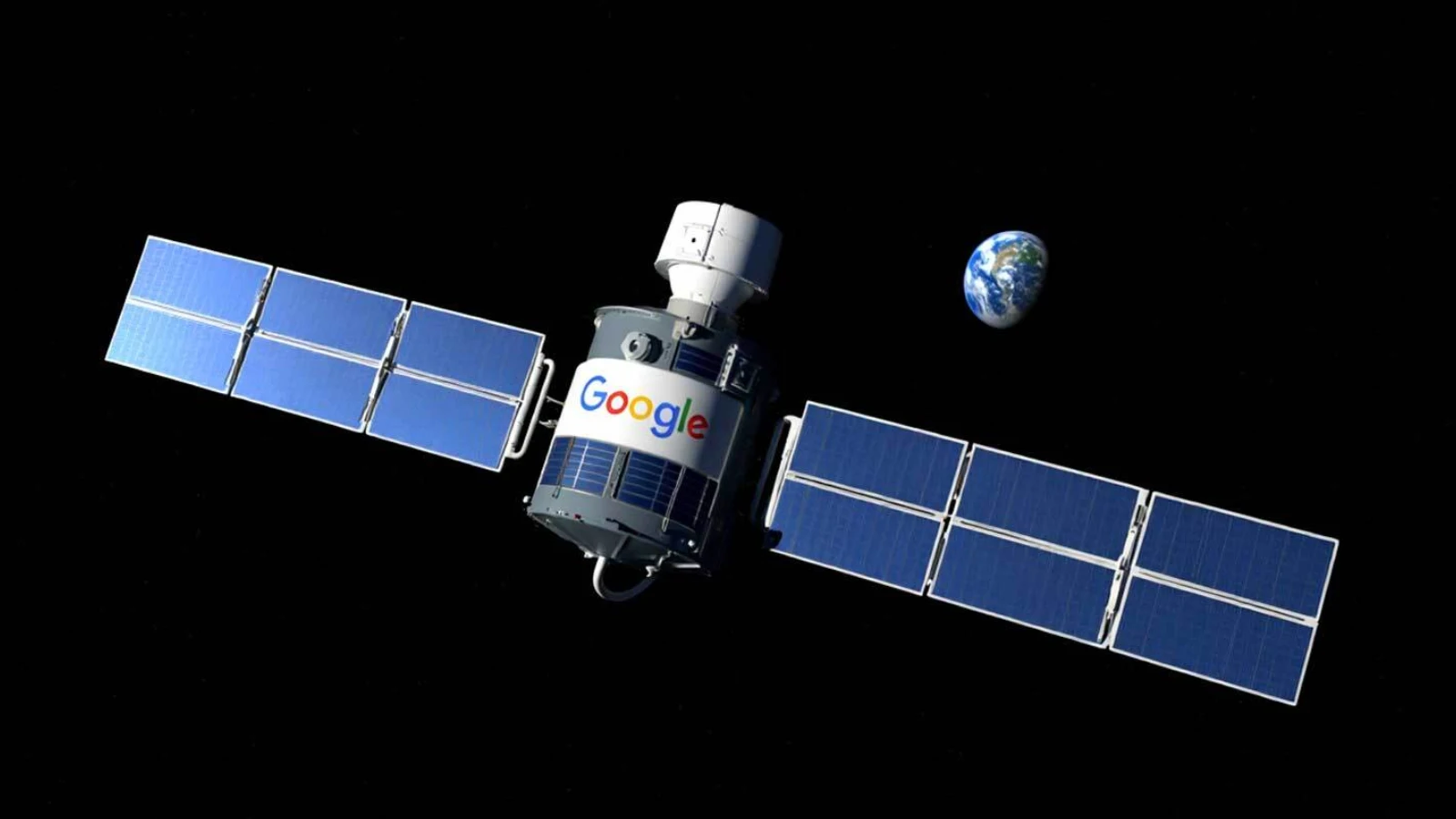
Google took a symbolic step toward distributed computing by running a machine-learning model on an experimental satellite in orbit. The proof-of-concept tasked the space-based AI with composing a short poem about space—a whimsical validation that ML inference can function reliably outside Earth’s data centers. The initiative signals long-term interest in edge AI and satellite-based processing, potentially enabling faster response times for certain compute-heavy applications while reducing reliance on ground infrastructure. No timeline for commercial deployment was announced, but the experiment underscores how AI workloads are fragmenting across terrestrial and orbital environments.
Anthropic Restricts Claude Code to Prevent Game Clones

Anthropic updated Claude Code’s system prompt to prevent the AI tool from recreating existing video games as decompilations, recompilations, or direct clones. The new guardrails allow game development in original designs and genres but explicitly block reverse-engineering of existing titles. The move reflects growing industry concern over AI-assisted intellectual-property erosion—the retro gaming scene has been flooded with algorithmically generated clones of classic games. Anthropic frames the guardrail as a calibration, not a ban on game development, leaving room for creative AI-assisted game design while discouraging IP infringement. The policy suggests a broader pattern of AI safety teams tuning model behavior to discourage specific misuse vectors without abandoning legitimate use cases.
Xbox’s Leadership Crisis Deepens as COO Exits After 3 Months
Xbox’s chief operating officer Helen Chiang left Microsoft after less than 12 weeks in the role, just months after her July promotion. Chiang’s departure memo was notably terse, and in a lengthy LinkedIn post titled “Clarity is Kindness” (a reference to Xbox CEO Asha Sharma’s recent Wall Street Journal profile), Chiang signaled “serious concerns” about how she was treated during her exit. The abrupt turnover, following 21 years at Microsoft, raised questions about internal Xbox governance and leadership stability. Sharma took the helm of Xbox earlier this year with an ambitious agenda to compete in cloud gaming and live services, but the rapid churn of her direct reports suggests organizational friction beneath the surface. The timing coincides with broader gaming industry restructuring at major publishers.
Android Botnet Exposed: 1.3 Million Set-Top Boxes Compromised
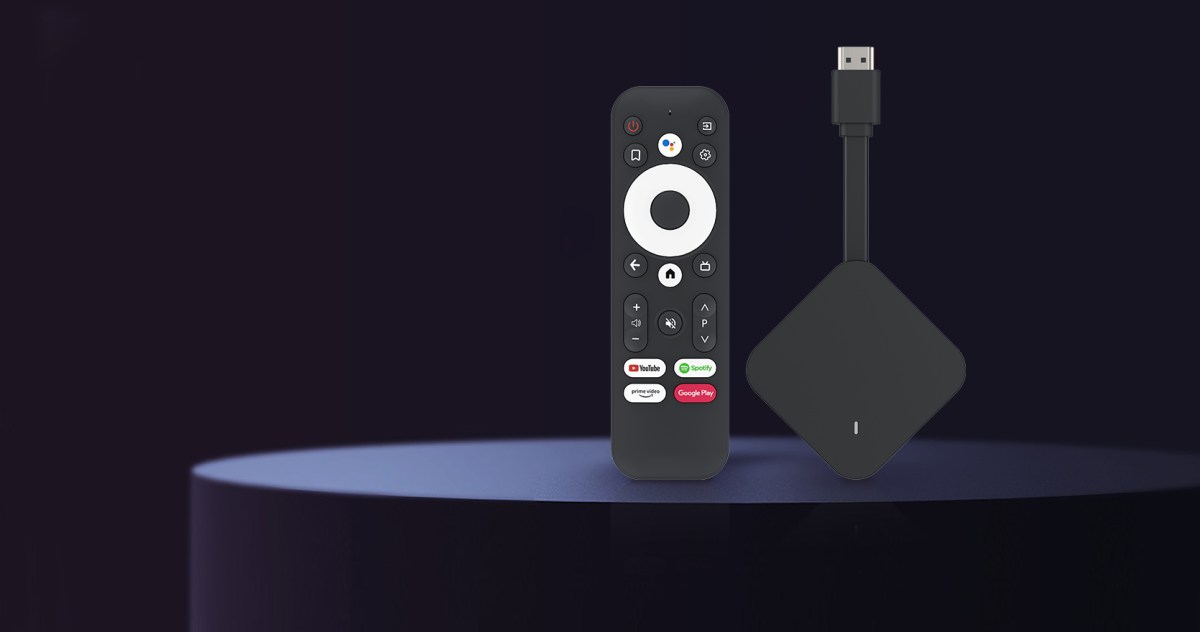
Google disclosed that a Chinese manufacturer—Videostrong Technology Co.—secretly embedded a backdoor into 1.3 million Android TV-based set-top boxes and operated them as a botnet for ad fraud, data exfiltration, and unauthorized network traffic routing. Google says it has now dismantled the backdoor and banned Videostrong from building or supplying certified Android devices. The breach represents one of the largest deliberate Android hardware compromises and underscores the risk of supply-chain tampering in connected-device markets. Videostrong’s intentional malice—rather than negligence—elevates the incident to a willful act of sabotage, heightening scrutiny on Android hardware certification and third-party manufacturer oversight.
Autonomous Driving: BMW and Ford Compete on Safety and Privacy
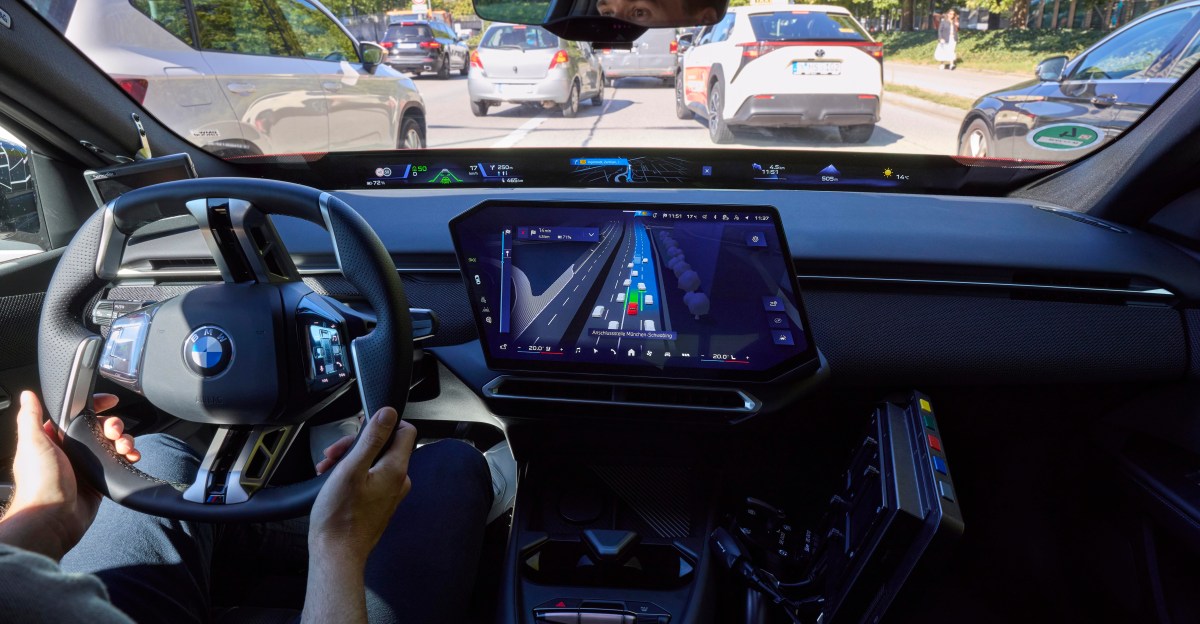
BMW announced a Level 2 urban driver-assistance system launching in 2027, starting in Germany and expanding to other markets. The system can steer, accelerate, brake, handle lane changes, navigate roundabouts, and manage turns in city environments—effectively bringing Tesla’s FSD-style automation to urban streets on BMW’s timeline. Separately, Ford publicly committed to never selling customer driving data to third-party data brokers, a privacy pledge aimed at differentiating the automaker amid regulatory and legal pressure on Tesla and others for data sales. Ford pledged to aggregate and anonymize telemetry while giving customers granular control over data collection preferences. Both initiatives reflect the dual pressure on automakers to accelerate autonomous capabilities while defending customer privacy—two battlegrounds shaping 2027’s competitive landscape.
VR Platform Consolidation: Meta Ending Quest 2 OS Updates in 2027
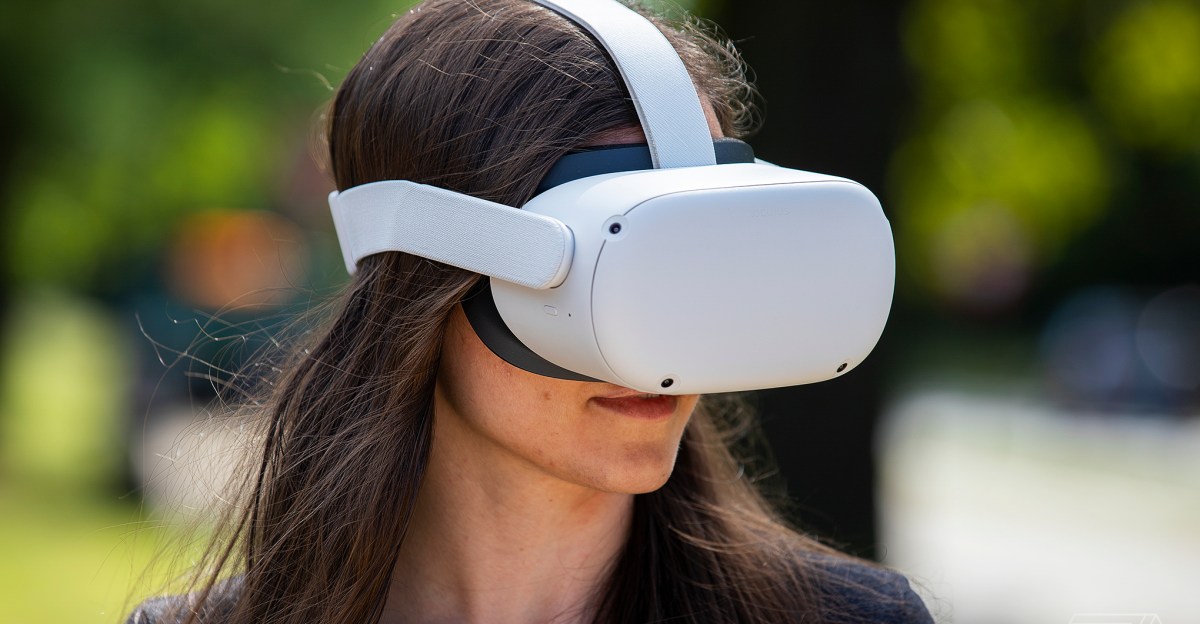
Meta confirmed it will cease OS updates for Quest 2 and Quest Pro headsets by March 2027, with version 213 serving as the final feature release. The company will continue shipping security patches and critical bug fixes through end-of-2027, then end all support. Meta is positioning Quest 3 and 3S as the “baseline for Meta VR gamers,” signaling an intentional shift away from legacy platforms ahead of the spring 2027 launch of Meta’s own VR Glasses. The move accelerates user migration to newer hardware and consolidates developer attention on current-gen platforms, a common pattern in consumer electronics as vendors tighten hardware refresh cycles.
In Brief
Xbox Game Pass surge: October 2026 marked the biggest month for Xbox releases this year, with 210 new games vying for players’ wallets, signaling strong pipeline diversity. Windows Central
Apple Watch Ultra 4 discount: The premium smartwatch is on sale for $100 off, matching its lowest price to date. [The Verge]
Compiled from the configured RSS feed.