
Tech News Roundup — November 1, 2026 (PM)

Linux’s latest development cycle shatters records while Meta settles major legal claims. Xbox platform reviews remain scarce due to complicated access workflows, and subscription services shift to dynamic pricing models.
Linux 7.4 Breaks Records With Nearly 20,000 Commits
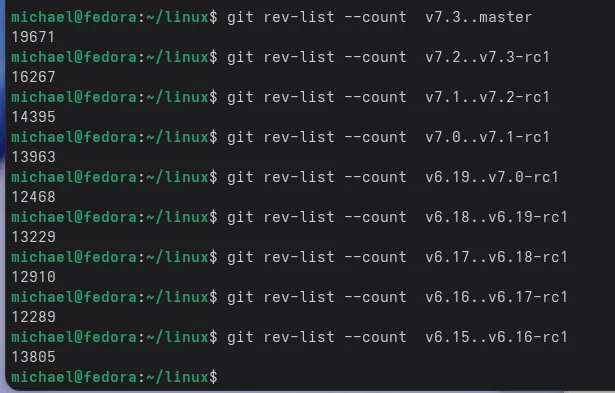
Linux 7.4 merge window sets new historic record. The latest kernel development cycle has been the most active on record, with nearly 20,000 commits landing in the merge window alone. The Linux source tree is now approaching 42 million lines of code—up from 41 million in version 7.3. The kernel’s continuous expansion reflects the growing complexity of hardware support, security patches, and performance optimizations across thousands of contributors. Related developments in the same cycle include improvements to the Perf profiling tools and OverlayFS filesystem enhancements driven partly by AI-assisted code review.
KDE Fixes 15-Year-Old File Copy Notification Bug
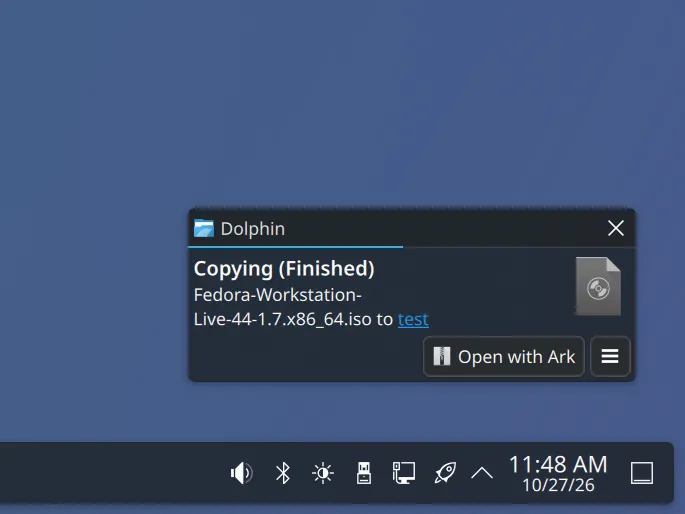
Desktop environment eliminates long-standing USB file transfer accuracy issue. The KDE project is resolving a bug that has persisted since 2011, affecting the accuracy of progress notifications when copying files to USB drives. The fix is scheduled for KDE Frameworks 6.32, arriving next month. The issue caused file copy dialogs to report inaccurate completion times and transfer speeds on external storage, a frustration familiar to anyone who has transferred large files to portable drives.
Meta Ordered To Pay $25 Billion in New Mexico Settlement
New Mexico judge imposes record penalty exceeding earlier state settlement. A New Mexico court has ordered Meta to pay $25 billion to resolve claims that the company misled users regarding the 2018 Cambridge Analytica scandal and related privacy incidents. The judgment dwarfs the $17 billion settlement Meta reached with 40+ state attorneys general this summer on similar allegations. The ruling raises questions about whether other states negotiated too leniently, though Meta’s legal team is expected to challenge the verdict. [The Verge]
Xbox Review Access Complexity Keeps Game Coverage Sparse
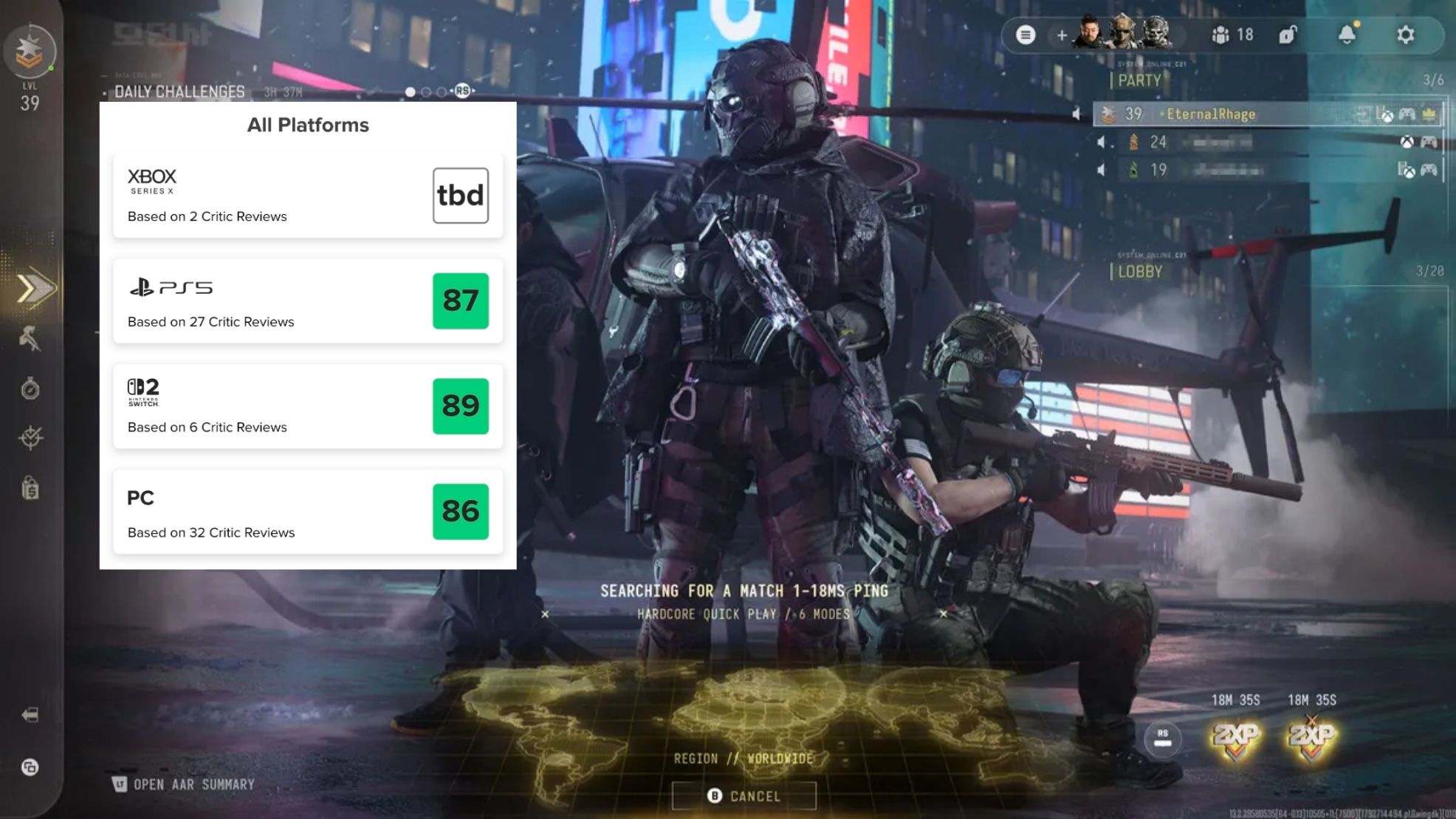
Cumbersome device whitelisting process discourages critics from reviewing Xbox versions. Call of Duty: Modern Warfare 4, published by Microsoft-owned Activision, has generated 89 reviews on PlayStation and 86 on PC but fewer than two critical reviews on Xbox Series X. The disparity stems not from platform preference but from Xbox’s needlessly complex review-code redemption process. Critics and outlets must provide their Xbox Live Device ID to a PR company, wait for manual whitelisting of their hardware, and only then can they redeem a code—a stark contrast to PlayStation’s straightforward code-redemption system or PC’s immediate Steam access. Even outlets dedicated to Xbox coverage resort to reviewing on PC and PlayStation first due to embargoes and time constraints. Until Microsoft simplifies this workflow to match competitor platforms, Xbox-exclusive and Xbox-published titles will remain underrepresented in critical reviews and Metacritic aggregates.
France Imposes Data Traffic Tax on Global Tech Giants

New levy targets data transmission to French users at 5.5 cents per gigabyte. The French National Assembly has approved a proposed tax on data traffic routed to users in France, charging 5.5 cents per gigabyte transmitted. The measure is designed to target major technology companies including Google, Meta, Amazon, and Netflix, which consume substantial bandwidth delivering video streaming and digital services to French audiences. The tax represents an attempt to shift some infrastructure costs to content providers and reflects growing friction between European governments and US tech platforms over resource consumption and local economic impact.
Starlink Shifts to Dynamic Pricing Based on Network Demand

Elon Musk’s satellite internet service abandons fixed-rate billing. Starlink is transitioning away from uniform monthly pricing and moving toward dynamic pricing that fluctuates based on network capacity and local demand in each service area. Users are being notified that identical service packages may cost more or less depending on congestion levels and available bandwidth in their region. The shift brings Starlink’s pricing closer to airline and hotel models, where availability and demand directly influence consumer cost—a potentially controversial move for customers accustomed to predictable fixed billing.
Compiled from the configured RSS feed.