
Tech News Roundup — November 1, 2026 (NOON)
This NOON edition brings advances in AI-driven content generation, major platform migrations, creative hardware innovation, and alternatives to restrictive cloud services. Google pushes generative worlds further, Microsoft faces user friction during a unified Copilot rollout, and smaller innovators offer practical solutions to locked-in ecosystems.
Google Genie 4: Next-Generation AI World Simulation
Google advances interactive AI-generated worlds. Google announced Genie 4, its latest world model for generating interactive experiences using AI. The company reports four major improvements: more realistic environments, real-time natural language updates to existing scenes, integrated audio generation, and Gemini 3.8 Flash powering the simulations. Experiences can now span two minutes (up from one minute in Genie 3). Google positions Genie 4 for use in pre-visualization for filmmakers, game prototyping, and robot training scenarios. The longer sequences and better realism suggest a step toward practical production tools, though the full capabilities and commercial availability remain to be seen.
Microsoft’s Copilot Sidebar Outage: A Clumsy Migration
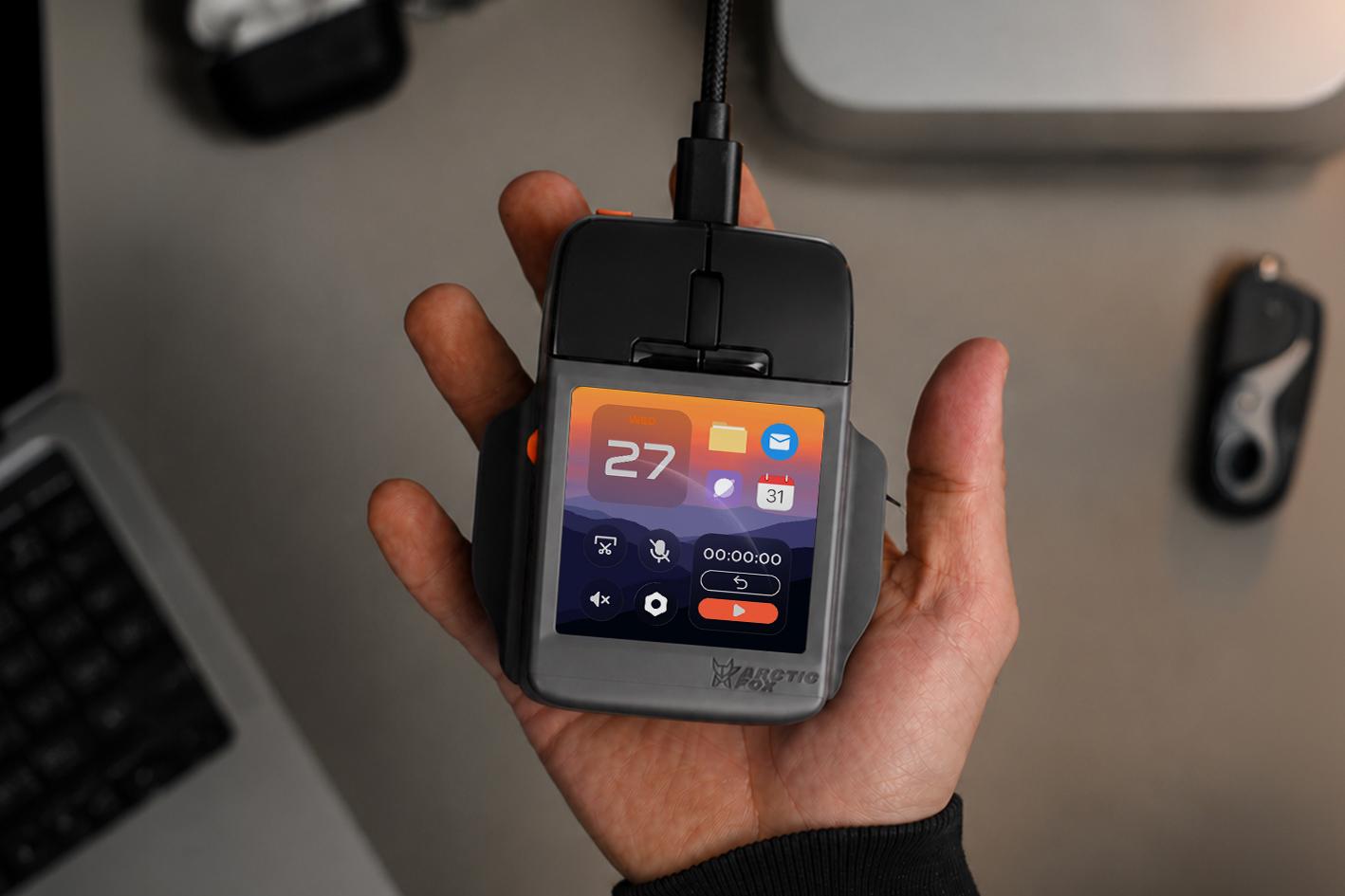
Users lose Copilot access during Edge sidebar migration. Microsoft is migrating Copilot to a new unified experience, leaving some Edge users without sidebar access for days or longer. Users trying to activate Copilot in the Edge Sidebar see a message stating the service is unavailable during migration and directing them to use the web version at copilot.com instead. Windows Central and Reddit users report the disruption, which suggests data is being moved alongside the transition. The timing is particularly awkward: Microsoft spent the last two years deprecating competing Edge Sidebar features to prioritize Copilot, then immediately disabled Copilot itself mid-transition. The optics underscore a broader pattern where Microsoft’s push for unification prioritizes speed over user continuity.
Super Mouse: Touchscreen Macro Pad Integrated into Input Device
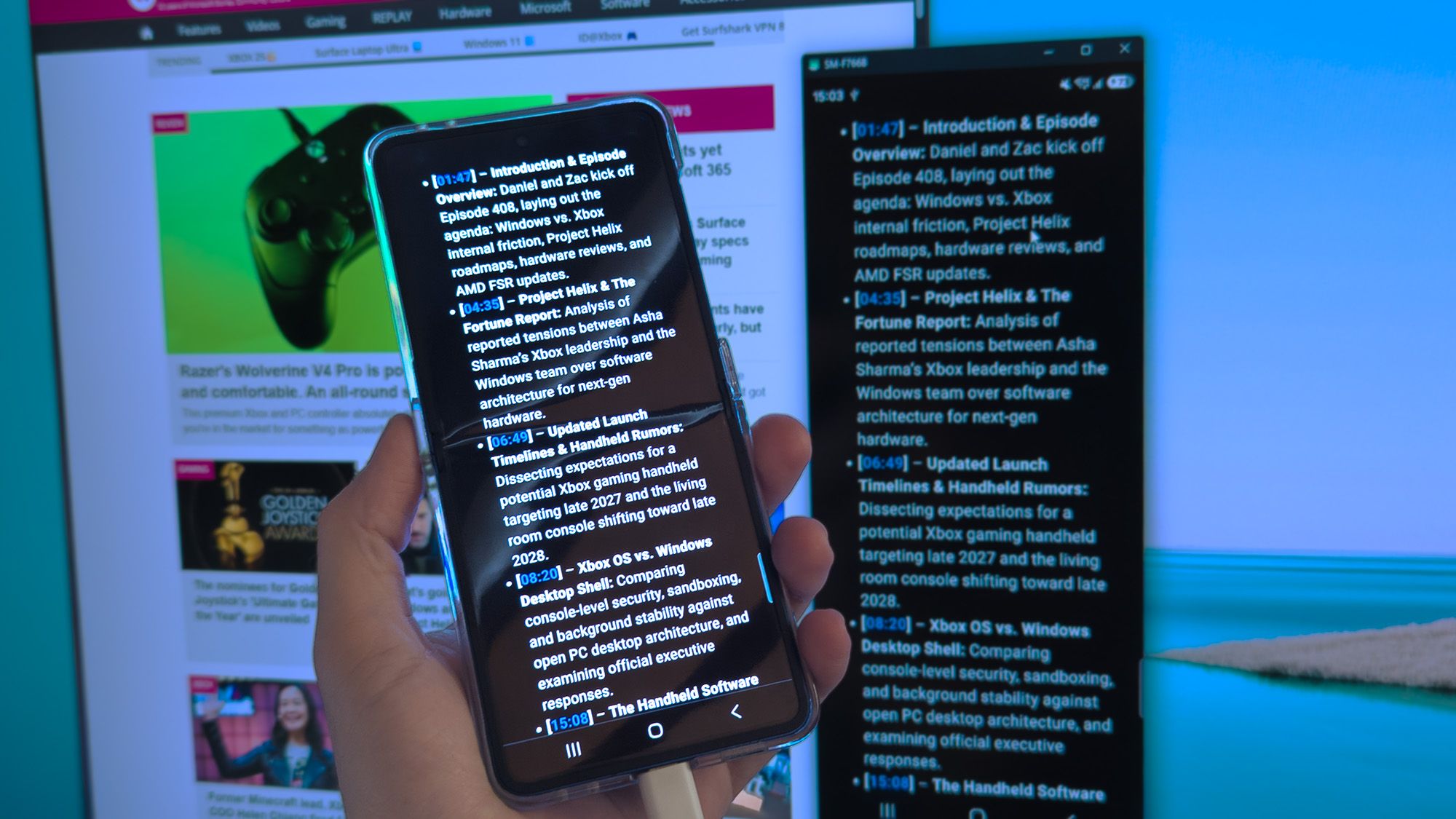
Innovative multi-function mouse replaces dedicated macro pads. Arctic Fox Technologies announced the Super Mouse, a device that replaces traditional programmable buttons with a compact touchscreen integrated beneath the user’s palm. The boxy design prioritizes function over ergonomics, but the touchscreen enables rapid reconfiguration without opening settings menus. The device can replace separate peripherals — trackpad, macro pad, streaming controller — and potentially even function as a smartphone-sized keyboard with swipe input. The Super Mouse is now available for pre-order via Kickstarter. While the concept is novel, the execution depends on whether the touchscreen proves responsive under real-world hand positioning and whether developers ship meaningful apps for the platform.
scrcpy: Open-Source Phone Mirroring Alternative Gains Traction
Lightweight open-source tool offers Windows Central-tested alternative to Phone Link. scrcpy (screen copy) is a free, open-source application that mirrors Android phones to Windows PCs with minimal resource overhead. Unlike Microsoft’s Phone Link, scrcpy offers USB or wireless connectivity, low-latency performance, and granular customization via command-line arguments (screen-off mode, stay-awake, window cropping). Windows Central tested it across multiple workflows: live health metric display, security camera feeds, and clipboard sync between phone and desktop. Setup requires enabling USB debugging on the phone (a straightforward developer-options toggle). The tool remains under active development on GitHub and supports custom features like direct camera capture and bitrate adjustment. Performance depends on the device but runs comfortably on modern hardware without Phone Link’s recurring disconnection issues.
Spotify Prepares AI Music Remixing Feature (Coming 2027)

Spotify plans AI-personalized song remixes and variations. Spotify is developing a new AI-driven feature that will let users create custom remixes and alternative versions of their favorite tracks directly within the app, arriving in 2027. The capability will lean on artist rights agreements and licensing arrangements currently in negotiation. While the feature promises creative personalization, Pplware reports that premium tiers and potential add-on fees will likely restrict access — a detail that may limit adoption among users expecting the feature in the base subscription. The rollout depends on finalizing agreements with rights holders, making the actual 2027 arrival date uncertain.
DroidDeck: Native Xbox Game Pass PC on Android
Open-source app ports Xbox Game Pass PC library to Android phones. DroidDeck, a GitHub-hosted open-source emulation tool, now supports native playback of Xbox Game Pass PC titles directly on Android devices (version 0.6.0+), bypassing the cloud-dependent Xbox Cloud Gaming service. Performance varies by game: Hollow Knight: Silksong runs above 100 FPS on capable devices like the Ayn Thor, while Minecraft Dungeons 2 sustains 30–40 FPS. DroidDeck also supports Steam, Epic Games, GOG, Amazon Games, and itch.io libraries. The app is still early in development but demonstrates that pocket-sized devices can handle full PC gaming without mandatory cloud mediation. iOS users remain unsupported. The implications for portable gaming are significant: players can carry their entire Game Pass library in their pocket without relying on streaming bandwidth or Microsoft’s cloud infrastructure decisions.
Compiled from the configured RSS feed.