
Tech News Roundup — October 31, 2026 (PM)
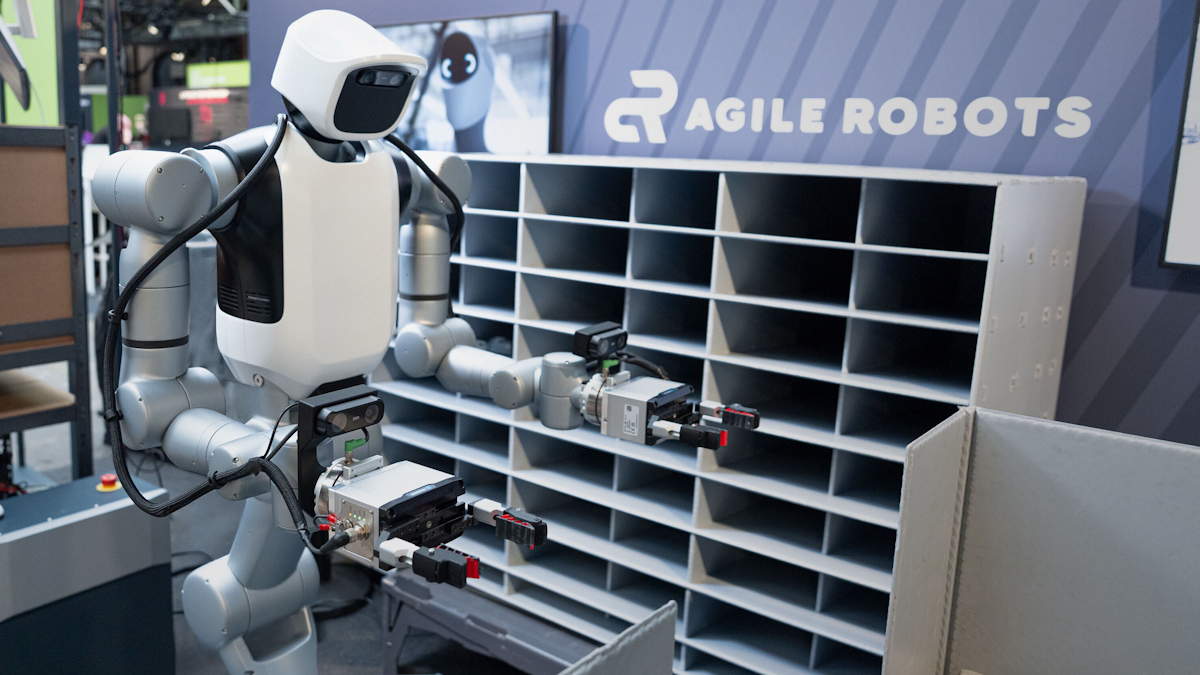
October’s close brings a wave of infrastructure and platform updates across industrial automation, mobile operating systems, and Linux ecosystem development. Humanoid robots are beginning real factory deployment, Android faces an adoption crisis with its latest version, while the Linux world celebrates both kernel maturity and desktop environment improvements.
Humanoid Robots Begin Factory Deployment
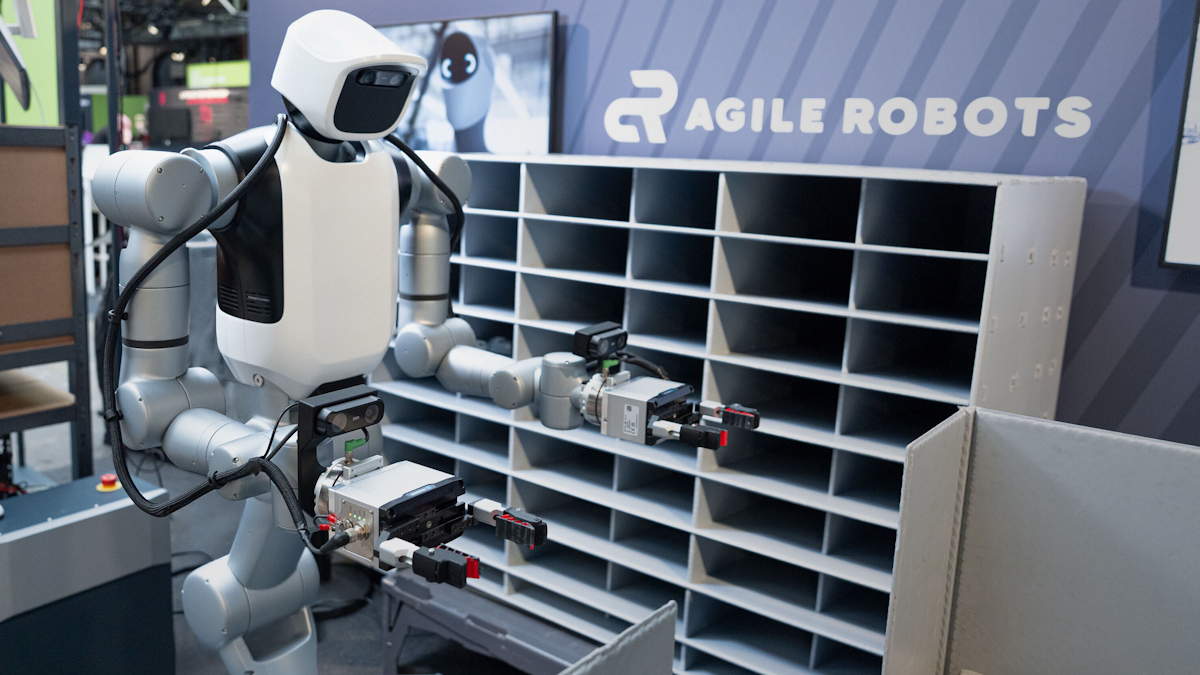
Audi is testing humanoid robots with AI capabilities for internal logistics tasks at its Ingolstadt factory in Germany. The shift marks a departure from traditional industrial robotics — instead of fixed-position welding arms in cages, these mobile humanoids are being deployed to handle complex internal logistics challenges that the automaker has struggled with previously. The tests suggest manufacturers are now confident enough in AI-assisted automation to integrate humanoid robots into active production environments for dynamic, non-repetitive tasks.
Android 17’s Struggling Adoption

Four months after its release, Android 17 has achieved only a 1% adoption rate among active smartphones — an embarrassing position that sharply contrasts with adoption curves of prior Android versions. The slow uptake reflects both manufacturer fragmentation and user reluctance to upgrade without killer features, leaving Google’s latest mobile platform in an awkward position and suggesting significant friction in the Android ecosystem’s update pipeline.
Linux Ecosystem Matures: Desktop and Developer Tools

The Linux ecosystem received multiple significant updates this week spanning kernel development, desktop environments, and developer tooling. KDE Plasma 6.9 brings substantial performance optimizations to the desktop, while GNOME developers formalized a new RFC (Request For Comments) process for managing major technical decisions — replacing ad-hoc discussions with structured governance. On the kernel side, Linux 7.4 continues maturing with Ceph mount options and improved I/O handling. Wine 11.21 improved WoW64 OpenGL performance for gaming, and Sculpt OS 26.10 shipped with its custom Genode microkernel. These parallel advances across desktop, kernel, and gaming layers reinforce Linux’s position as a mature, actively developed platform.
Developer Tools: CUDA and Gaming Graphics Improvements

CUDA Oxide 0.3 vastly improved Rust language support for NVIDIA CUDA programming, making it easier for developers to write GPU-accelerated code in a memory-safe language. Separately, DXVK-NVAPI 0.9.3 delivered a series of improvements for Linux gamers running the latest NVIDIA drivers. Together, these updates signal strengthening developer tooling for GPU-accelerated workloads on Linux, both for scientific computing and entertainment.
Mobile Security Alert: Android SMS Vulnerability

A critical Android vulnerability dubbed “SMS of Death” allows attackers to block an entire device by sending specially crafted SMS messages — no user interaction required. The flaw underscores persistent Android security challenges and highlights the importance of timely security updates. Users should ensure their devices receive the latest patches immediately.
In Brief
Gaming delays and consumer gadgets: Final Fantasy XIV’s Evercold expansion is delayed (no gameplay footage of the feature has been shown yet), while [The Verge]’s Installer 150 roundup highlights the latest touchscreen-equipped consumer devices including iPad Mini, Alexa photo frame, and Readwise updates.
Compiled from the configured RSS feed.