
Tech News Roundup — October 31, 2026 (AM)
Major AI companies formalize publisher protections as autonomous vehicles advance. Apple expands its Intelligence suite globally while Google achieves a landmark milestone in space-based AI infrastructure.
AI Companies Back Unified Scraping Opt-Out Standard
OpenAI, Google, Microsoft, and Anthropic have jointly endorsed a new industry standard that allows publishers to control AI training access through a single policy. The new “policy token” signal will live in websites’ robots.txt file, enabling publishers to set AI training preferences across all major companies at once rather than managing individual opt-out protocols. Proposed by Anthropic’s Kevin Kelley as part of the Internet Engineering Task Force (IETF) process, the standard represents a coordinated approach to addressing publisher concerns about unauthorized content use in AI model training.
Apple Brings Intelligence to China with iOS 27.3
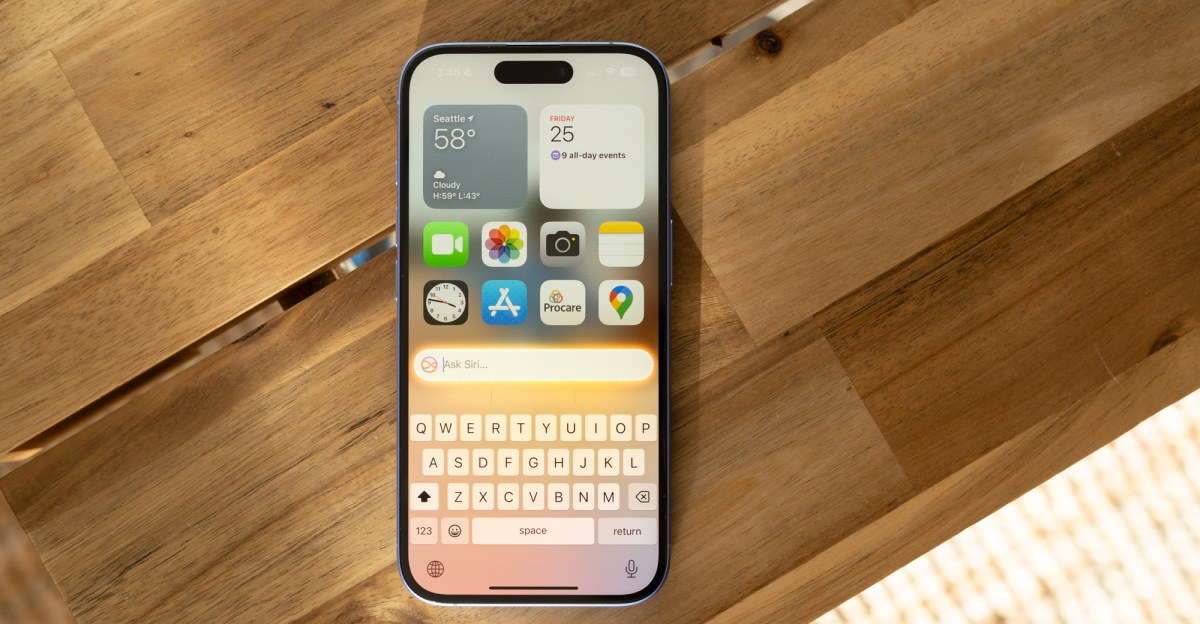
Apple is launching its Intelligence feature set in mainland China, beginning with an iOS 27.3 beta on November 4th and a full public release in December. The initial rollout excludes the new Gemini-like Siri AI but includes notification summaries, real-time translation, rewriting and proofreading tools, visual intelligence, and object removal from photos. Apple has partnered with Alibaba to integrate Chinese-language support, marking a significant expansion of its AI-powered offerings in one of the world’s largest smartphone markets following regulatory clearances.
Google’s AI Satellite Achieves First Successful Response from Space
Google’s Project Suncatcher satellite successfully booted its Tensor Processing Units and executed the first AI inference in orbit, with the on-board Gemma 4 model generating a haiku about space. The milestone demonstrates Google’s vision for distributing AI computation across space-based data centers, potentially reducing latency and enabling new applications for satellite-based intelligence. The test included various space-themed prompts and telemetry validations, confirming the feasibility of training and running AI models directly in orbit.
MacBook Pro Gets Touchscreen OLED Upgrade
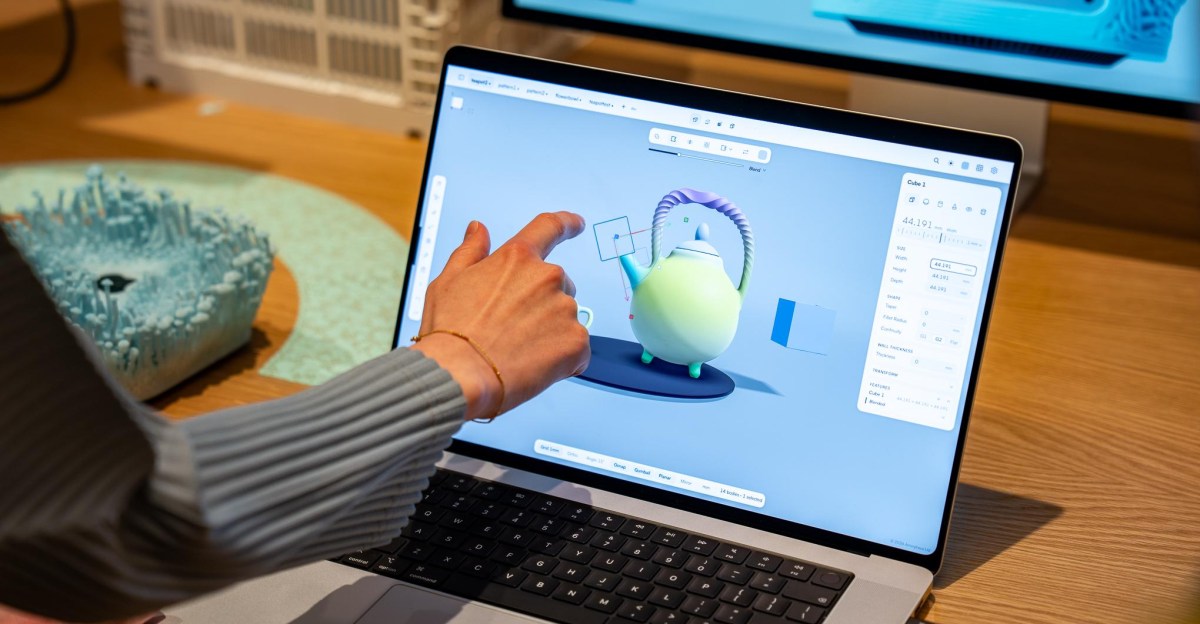
Apple’s updated MacBook Pro now features an OLED touchscreen above the keyboard, joining the existing OLED display. The addition provides quick access to system controls, app shortcuts, and contextual tools without requiring a full open-lid interaction. Industry analysts project that the touchscreen OLED variant could sell 1.5 million units in 2027 alone, signaling strong demand for the premium feature as the company refreshes its professional laptop line with advanced display technology previously reserved for specialist applications.
Autonomous Vehicle Advances: Rivian and Waymo Accelerate Deployments
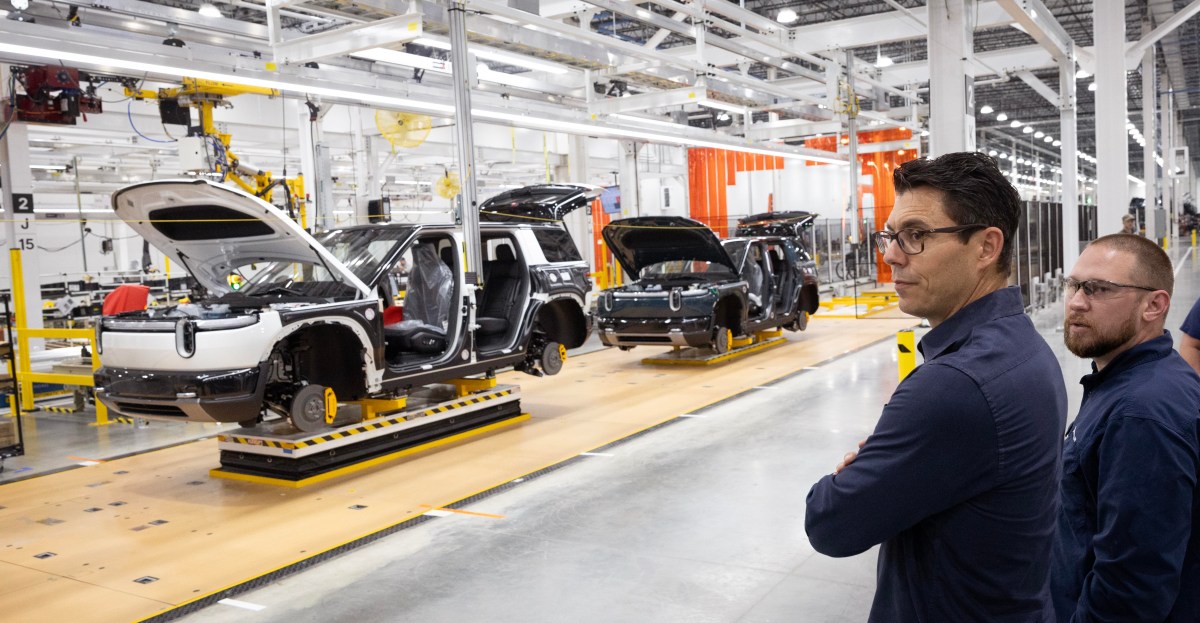
Rivian is preparing its first real-world autonomy test for point-to-point robotaxi service scheduled to launch in Q3 2026, while Waymo unveiled a new purpose-built Toyota bZ4X platform specifically designed for autonomous ride-hailing. The dual announcements signal accelerating timelines for autonomous vehicle commercialization, with both companies moving beyond research phases into revenue-generating deployments. Toyota’s partnership with Waymo represents a strategic bet by a traditional automaker on outsourced autonomous technology, while Rivian’s in-house development approach offers a vertically integrated alternative for the emerging robotaxi market.
In Brief
- Database delays: PostgreSQL 19 has slipped beyond its traditional September–October release window to November or later, citing increased AI/LLM-related bug reports and patches as the primary burden on the development team.
- Leap second abolished: Unix time no longer includes periodic leap seconds, with UTC and civil timekeeping now diverging permanently—the technical simplification eliminates a source of system bugs across decades of distributed software.
- Crypto heist: Binance suffered a record-breaking hack resulting in $6.3 billion in stolen cryptocurrency, marking one of the largest digital asset thefts in exchange history.
Compiled from the configured RSS feed.