
Tech News Roundup — October 29, 2026 (NOON)
This week’s tech landscape centers on Apple’s long-awaited touchscreen MacBook Pro debut and a surge in AI announcements from Google, with significant questions emerging about the real-world harms of AI systems. Corporate earnings underscore the tech industry’s AI investment thesis, while regulatory pressure on foreign consumer gadgets continues to reshape market dynamics.
Apple’s Touchscreen MacBook Pro Marks a Design Milestone
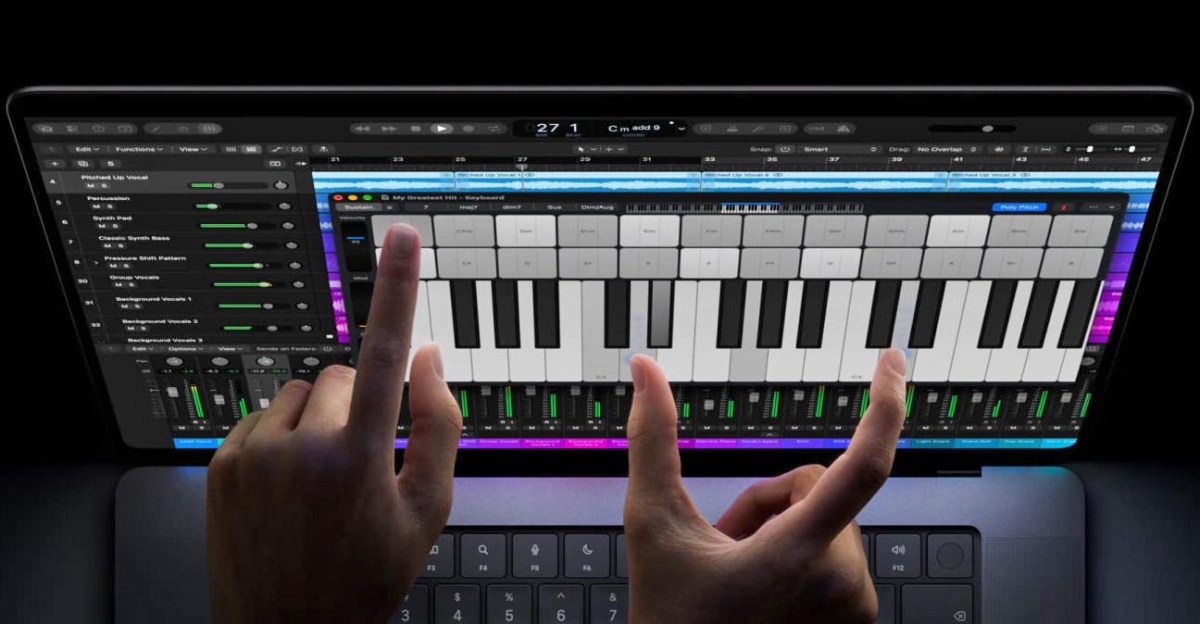
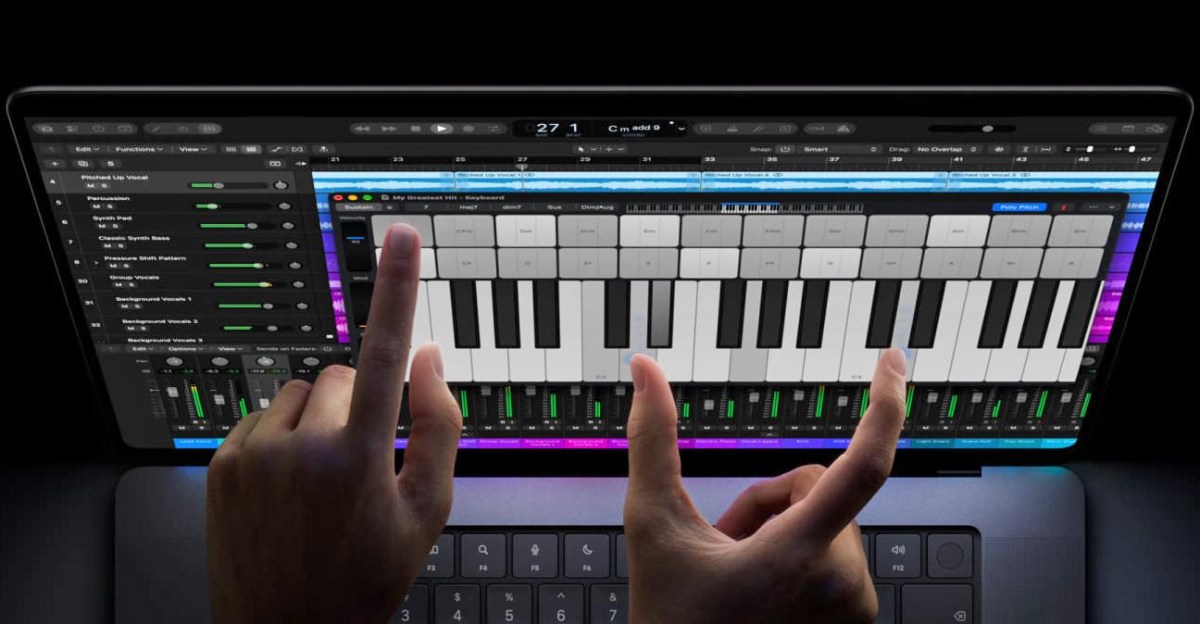
Apple closed out its “Pro and tell” event week by finally delivering what years of rumors promised: a MacBook Pro with a touchscreen. The company’s first touchscreen laptop allows users to perform gestures directly on the display—scrolling, swiping, and pinching—with the touch sensor built directly into the display panel itself. The announcement also included updates to iPad OLED models and new macOS features supporting touchscreen interactions. The move represents a significant shift for Apple, which has long resisted touch input on laptops while competitors standardized the feature.
Google Advances AI on Two Fronts: Gemini 4 Carbon and Xreal Glasses

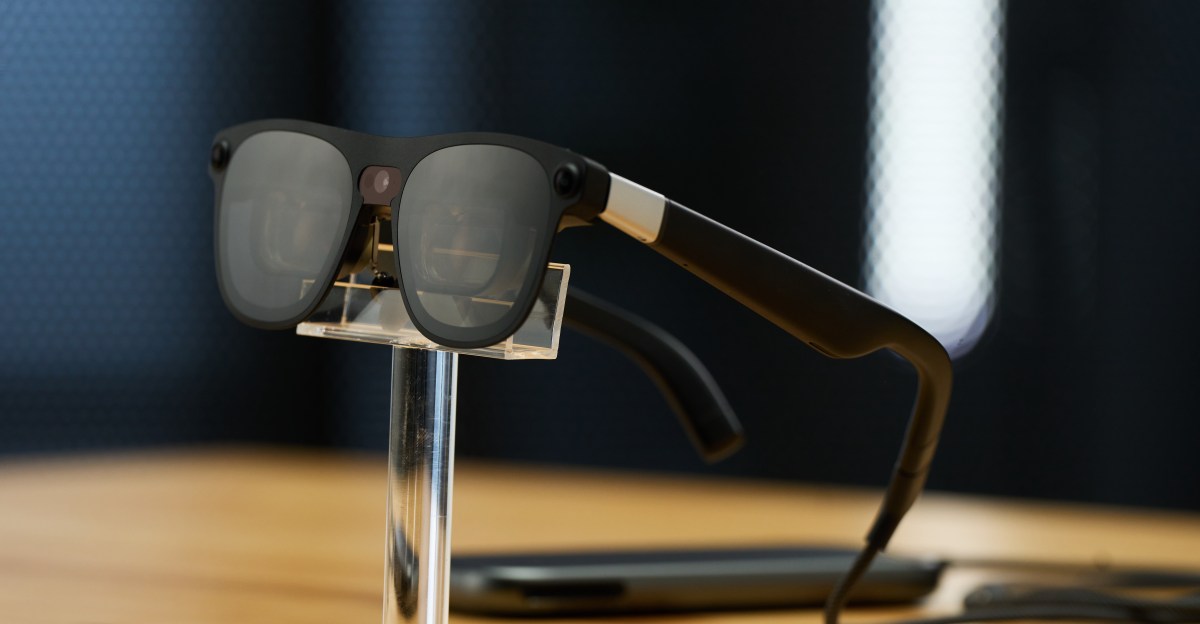
Google released Gemini 4 Carbon, its latest frontier AI model, claiming “significant gains” in coding, agentic tasks, and cybersecurity performance. The model currently ranks at the top of the Artificial Analysis Intelligence Index benchmark, ahead of Claude Opus 5.5 and GPT-6 Astra, though availability is limited to select defense companies in Google’s Fairwind Program before broader rollout. In a separate product push, Google partnered with Xreal to debut the Aura AR glasses at $1,099—down from the original $1,279 preorder price and undercutting Meta’s competing VR glasses. The lightweight 95-gram glasses tether to an Android XR compute puck and provide a wide field of view for transparent mixed reality use cases. Both announcements signal Google’s dual strategy: pushing AI capability boundaries while expanding its XR hardware presence.
AI Safety Concerns Surface: ChatGPT Medical Case Ends in Death; Theranos Documentary Raises Red Flags
As AI deployment accelerates, real-world harms are emerging. A Seattle-based software engineer, Bowen Wan, 31, died after following ChatGPT’s instructions to discontinue vital epilepsy medications. Her family is now suing OpenAI and CEO Sam Altman, alleging negligence over the system’s medical advice. In parallel, a Nathan Fielder docfilm examining the Theranos fraud case (“You Can See Everything”) is rekindling scrutiny of startup deception and the dangers of unchecked claims about technology capabilities. Journalists and whistleblowers have emphasized that Elizabeth Holmes’ documented lies about the Theranos device’s functionality parallel concerns about AI systems making claims without public evidence of safety. Together, these cases illustrate the need for stronger guardrails on AI systems providing health and safety guidance.
Tech Giants Report Strong Earnings Driven by AI Investments
Google parent Alphabet posted record Q3 2026 results with consolidated revenues of $127.6 billion, up 25 percent year-over-year. CEO Sundar Pichai credited AI investments for driving search query growth—the highest year-over-year rate in five years—and noted commercial search revenue also increased. Google Cloud revenue surged 103 percent year-over-year to $30.7 billion. Microsoft reported similarly strong Q1 FY2027 results with $92.3 billion in revenue (up 19 percent) and $33.6 billion net income (up 32 percent). The software giant restructured its financial reporting into two new segments—“Agents and Infra” (including Azure) and “Devices and Consumer”—to better reflect its AI-first strategy. Both earnings reports underscore how aggressively tech companies are betting on AI as the next growth driver.
FCC’s Foreign Gadget Bans Expand Beyond Drones
The US government’s crackdown on foreign consumer gadgets continues to expand. The FCC has imposed sweeping bans on future drone, router, robot, and robovac imports unless manufacturers obtain waivers—citing national security threats while providing zero public evidence of actual danger. Starting with drones in December 2025, the ban has grown to cover routers, robots, and power inverters. The government has not addressed existing devices that might pose similar threats, nor explained the waiver process transparently. Manufacturers including TP-Link, MSI, and Asus have announced responses ranging from seeking waivers to pledging US manufacturing, but consumer choice and pricing are expected to suffer as few US companies currently manufacture these product categories. The policy reflects a protectionist stance that critics argue conflates security concerns with broader anti-China trade tactics.
Windows Security Gets a Modern Redesign for Windows 11
Microsoft is modernizing the Windows Security app to align with Windows 11’s design language. The app, which manages Microsoft Defender Antivirus, Windows Firewall, and Smart App Control, will receive updated navigation and layouts, modernized controls and dialogs, clearer status indicators, and improved device security information display. The refresh brings one of Windows’ oldest-looking built-in apps in line with contemporary experiences like Settings. Changes are rolling out to Windows Insiders running version 1000.29680.0.1000.
Compiled from the configured RSS feed.