
Tech News Roundup — October 27, 2026 (PM)
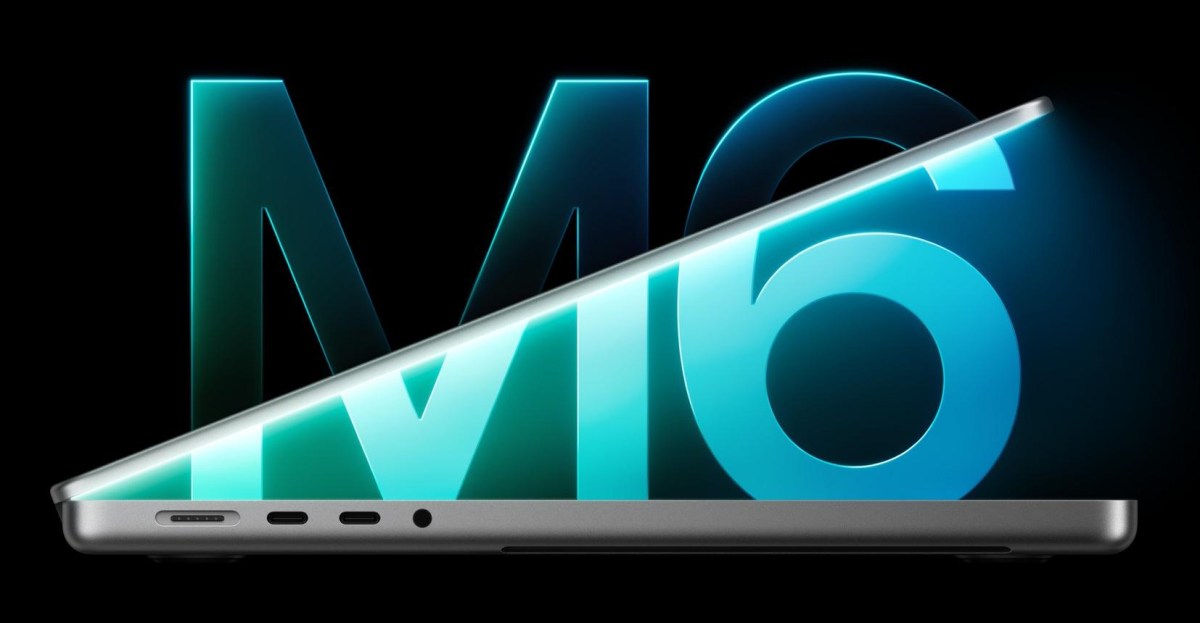
Apple continues its processor refresh cycle with the M6 chip reaching the MacBook Pro and iMac. Meanwhile, Windows 11 matures with native tools that finally escape the browser, electric vehicle technology accelerates in both consumer and military segments, and the desktop Linux ecosystem launches fresh distributions and tools.
Apple Launches M6 MacBook Pro and iMac
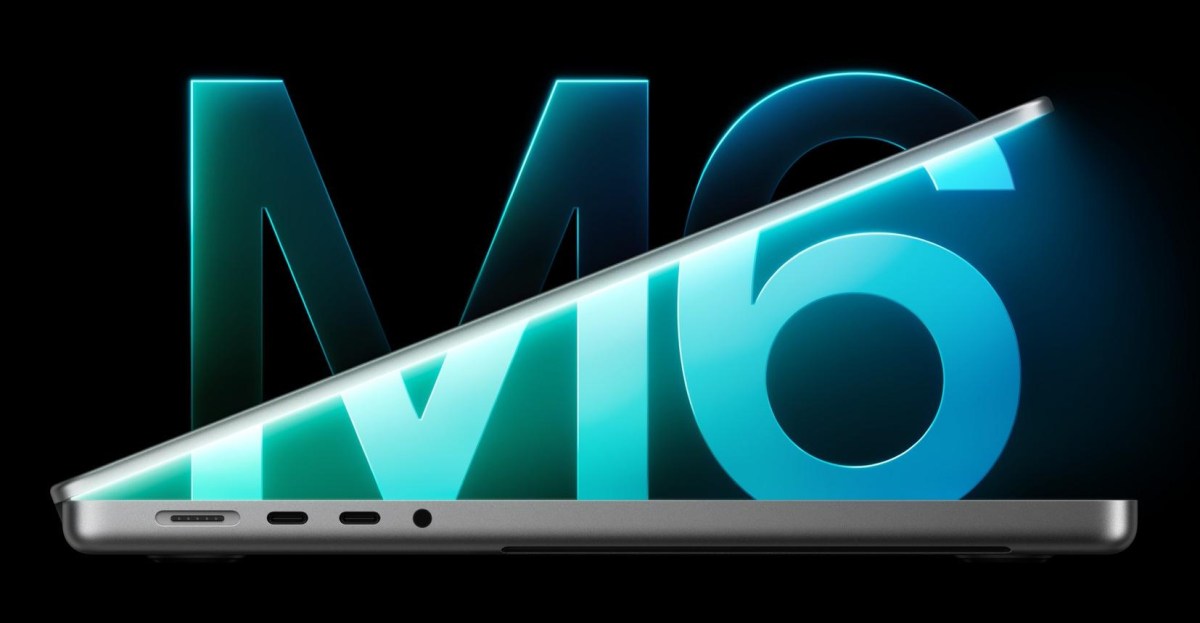
Apple M6 processor arrives on entry-level MacBook Pro and iMac. Apple refreshed its entry-level MacBook Pro with the M6 chip announced in August, following the same cadence that brought M5 to the lineup a year ago. The M6 MacBook Pro adds faster storage options and the ability to configure up to 4TB of storage. Simultaneously, Apple released the iMac with M6, continuing the tradition of bringing its latest processors to the all-in-one desktop. Both devices maintain the same design and port layout as their predecessors, focusing the update on performance gains rather than form factor changes.
Windows 11 Adds Native Speed Test Tool, Improves Subscription Management
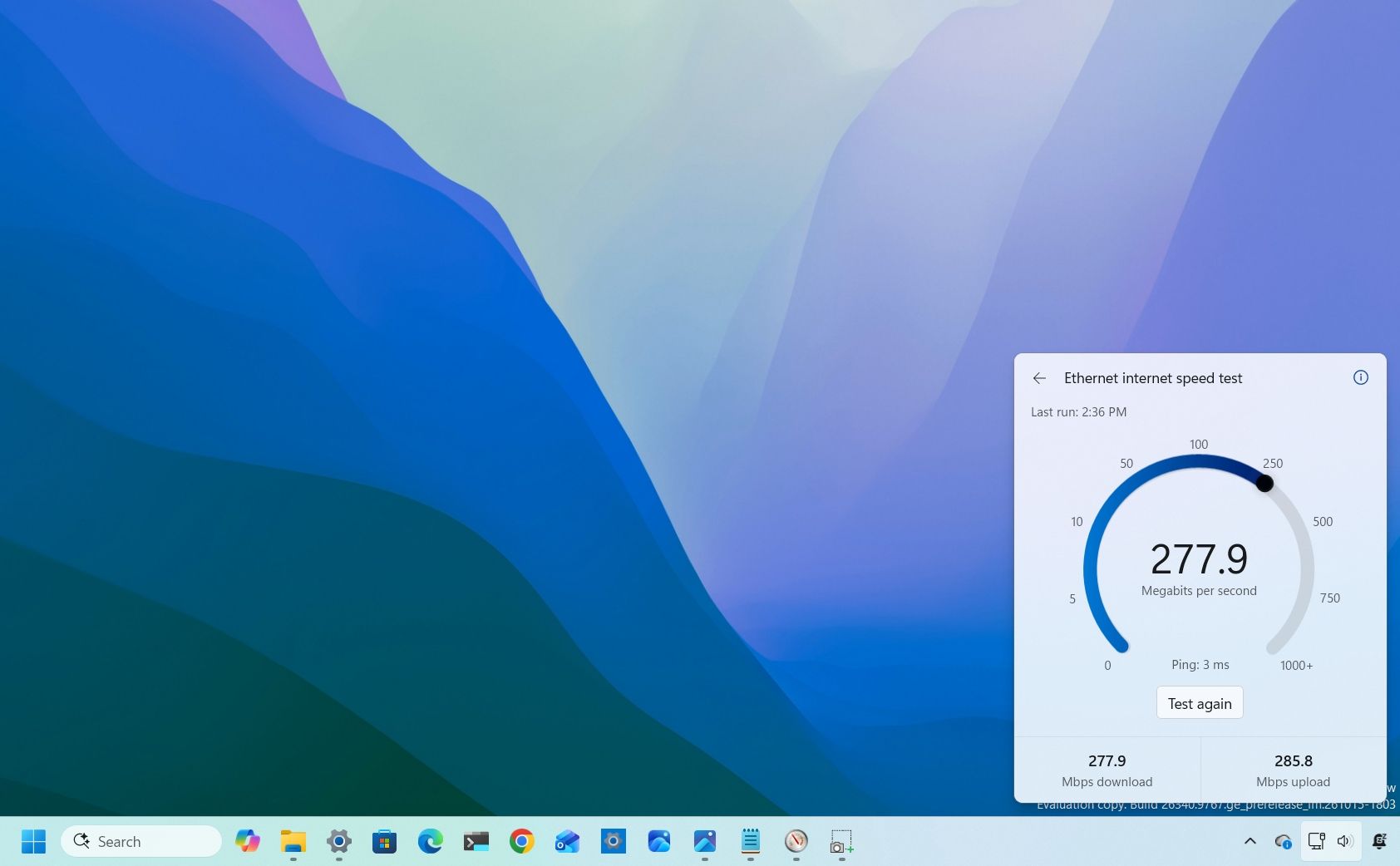
Microsoft integrates native speed test into Windows 11, eliminating browser dependency. Windows 11 build 26340.9767 introduces a built-in internet speed test accessible directly from Quick Settings, finally replacing the awkward Bing shortcut that previously forced users to launch Edge. The new tool measures download and upload speeds plus ping without leaving the desktop, powered by Ookla’s Speedtest service. In the same release, Microsoft added a subscription management feature that lets Microsoft 365 subscribers toggle recurring billing directly from Settings instead of jumping to a web portal. These changes reflect Microsoft’s broader effort to make Windows feel more cohesive by keeping users on the desktop for routine tasks rather than redirecting to the browser for web shortcuts masquerading as features.
Ford’s Fathom EV Puts Home Backup Power Inside the Truck
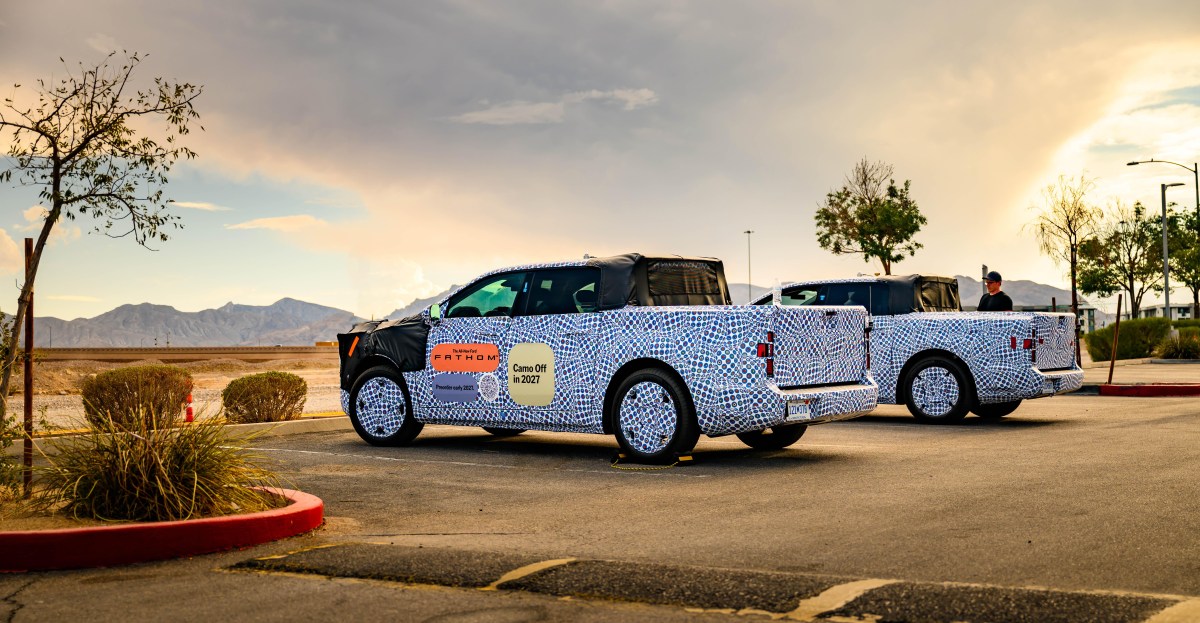
Ford’s sub-$30,000 electric truck includes integrated bidirectional charging inverter for home backup power. Ahead of the full reveal in early 2027, Ford announced that the Fathom—its next-generation EV pickup priced under $30,000—will feature vehicle-to-home (V2H) and vehicle-to-load (V2L) capabilities built directly into the truck. Rather than requiring a separate $10,000 home battery backup system, the Fathom can serve as a mobile power station to keep homes running during outages. This positions the Fathom as a practical EV alternative for homeowners seeking emergency backup power, setting it apart from competitors that treat bidirectional charging as a premium luxury feature.
China Approves Xpeng and Volkswagen for Autonomous Driving Operations

Xpeng and Volkswagen receive Chinese regulatory approval to operate autonomous driving technologies on public roads. Xpeng secured a license to conduct demonstration operations of its Yoyo robotaxis in Guangzhou, marking a significant milestone in China’s autonomous vehicle race—a market projected to reach $1 billion in value by 2040. Volkswagen simultaneously received approval to advance its autonomous driving capabilities on Chinese roads, broadening the scope of testing beyond the restrictions that once limited such projects. These approvals underscore China’s accelerating push to lead in autonomous vehicle technology, with both companies now operating in real-world conditions rather than controlled test environments.
Anduril Enters the Laptop Market With American-Made BlueChip Line
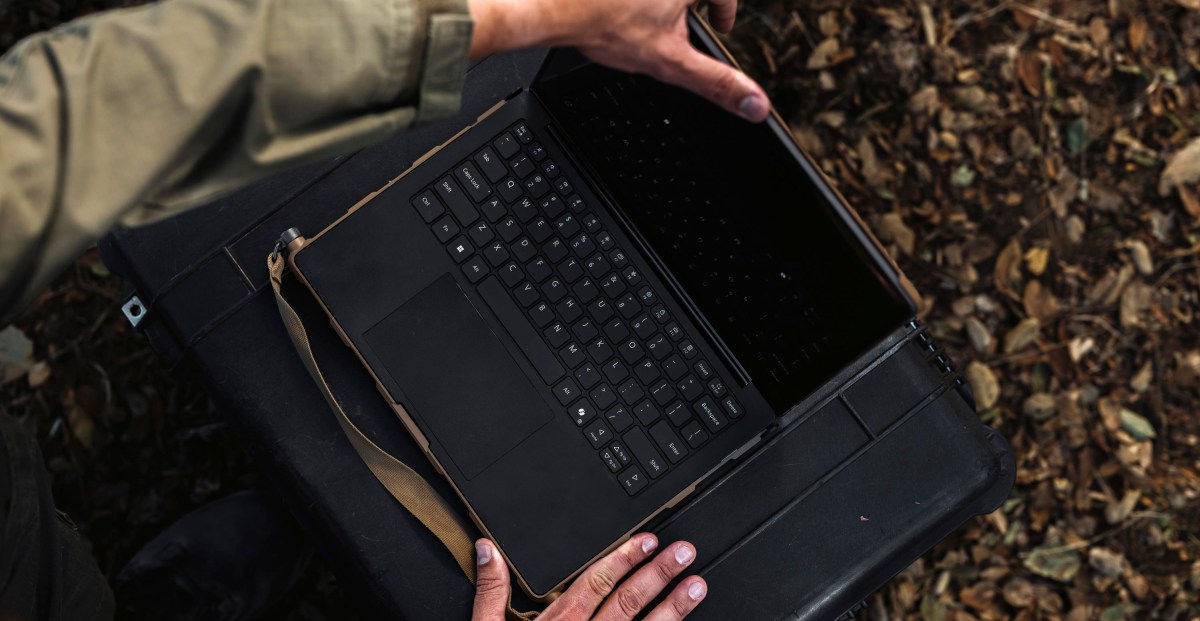
Palmer Luckey’s Anduril partners with Qualcomm on American-made BlueChip laptops for military and commercial markets. Anduril Industries and Qualcomm announced a joint venture to produce BlueChip laptops featuring Snapdragon X Arm-based processors, with the first ruggedized prototypes targeting the U.S. military. Assembly will take place at Anduril’s Arsenal-1 facility in Ohio, though full component localization remains a future goal. The announcement reflects broader industry momentum toward reshoring technology manufacturing, as geopolitical tensions and supply chain vulnerabilities push defense and critical infrastructure buyers to demand devices assembled outside traditional semiconductor supply chains.
Linux Desktop Ecosystem Advances With KDE Plasma 6.8.2 and New Pavee OS

KDE Plasma 6.8.2 stabilizes the desktop environment; Ikey Doherty unveils Pavee OS as new daily-driver distribution. KDE Plasma reached version 6.8.2 this week, continuing the cadence of bug fixes and refinements that followed the 6.8 release on the 30th anniversary of the KDE project. Meanwhile, Ikey Doherty—creator of Solus and Serpent OS—announced Pavee OS, a new daily-driver distribution built atop his Barney package-management framework. Pavee represents Doherty’s vision for how a modern Linux distribution should be built in 2026, signaling renewed vitality in the desktop Linux community as developers invest in fresh tooling and user experiences.
Compiled from the configured RSS feed.