
Tech News Roundup — October 26, 2026 (PM)
Apple, Microsoft, and cloud services continue reshaping the computing landscape. Meanwhile, AI safety concerns prompt policy changes, and open-source communities push forward with kernel and driver improvements for legacy systems.
Apple’s OLED iPad Mini Gets Larger, Thinner Design
Apple announced a new iPad Mini featuring an 8.5-inch OLED display, up from the previous 8.3-inch generation, while maintaining the device’s compact form factor through 24% slimmer bezels. The tablet measures just 5.4mm thick and lighter than its predecessor, offering a peak brightness of 1200 nits and an IP67 rating for water and dust resistance. The Wi-Fi-only model starts at $699, with Wi-Fi and cellular editions at $849.
Microsoft Releases First Surface Laptop Ultra Firmware Update
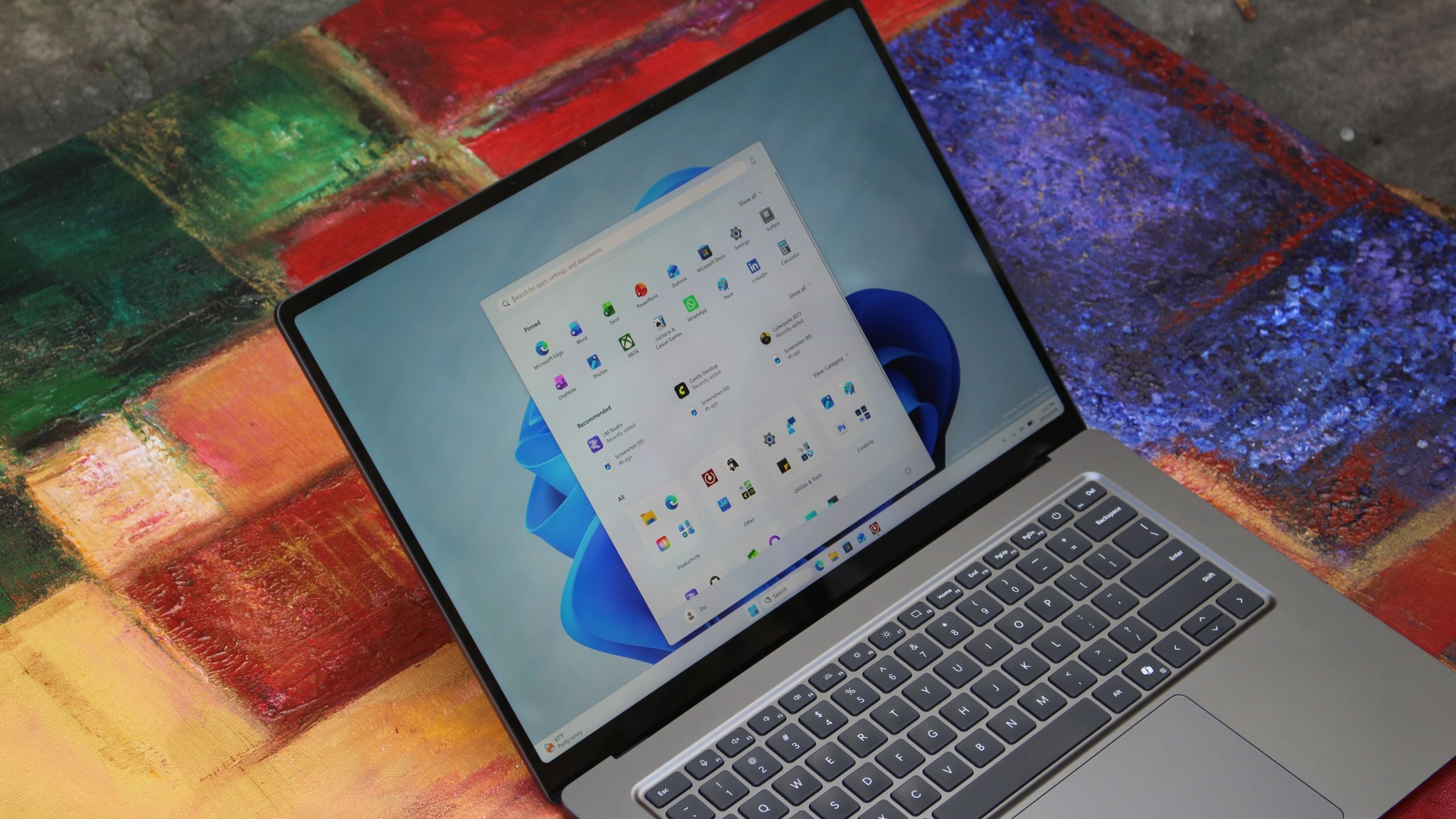
Microsoft released its first firmware update for the Surface Laptop Ultra just six days after launch, addressing multiple hardware issues reported by users and reviewers. The update resolves screen flickering on the device’s Mini-LED display, eliminates extended reboot times that plagued initial Windows Update installations, reduces unexpected restarts (BSODs), and includes general performance improvements. While the flickering issue is now fixed, some reviewers note that ghosting remains present. Microsoft has committed to firmware updates through 2032, the first major improvement signal for the RTX Spark-powered system.
OpenAI and Anthropic Tackle the COBOL Crisis With AI Migration Tools
The IRS, banks, airlines, and government infrastructure worldwide rely on systems running COBOL — a programming language from the 1960s that few developers understand anymore. OpenAI announced substantial improvements in its latest models’ ability to migrate aging COBOL systems into modern code, offering a potential lifeline to organizations drowning in legacy maintenance. The company claims these AI tools could help accelerate the transition from billion-dollar technical debt. Anthropic’s Claude also supports code migration tasks, bringing competitive pressure to solve one of enterprise computing’s most pressing structural problems.
Linux 7.4 Kernel Brings Multi-Front Improvements

The Linux 7.4 kernel merged significant improvements across multiple subsystems. EFI updates improve direct kernel booting on UEFI systems without relying on separate bootloaders like GRUB or systemd-boot, simplifying system architecture for embedded and specialty hardware. A new “Core MM” tree redesign optimizes memory management. The scheduler now addresses cache-aware scheduling regressions affecting AMD Ryzen AI 9 HX 370 processors. EXT4 filesystem performance gains from optional buffered IOmap handling promise substantial speedups for large-block write operations. These layered improvements signal the kernel’s ongoing focus on performance, scalability, and hardware enablement across diverse processor generations.
Nouveau-DKMS Seeks to Revive Support for Aging NVIDIA GPUs

Open-source GPU support is gaining traction with Nouveau-DKMS, a new out-of-tree driver focusing on older NVIDIA graphics processors. The project targets GeForce 400 and 500 series “Fermi” cards and potentially other pre-Turing generations where NVIDIA’s modern Nova driver cannot function. By operating as a DKMS (Dynamic Kernel Module Support) module, Nouveau-DKMS aims to extend the useful life of legacy hardware and provide an alternative for users who cannot upgrade to newer GPUs. The initiative complements ongoing work to modernize support across the open-source GPU ecosystem.
Microsoft Reimagines Windows Recall as Privacy-Focused Context Vault
Microsoft is testing a redesigned version of its controversial Recall feature, now called Project Pantheon internally and branded as “Context Vault.” The new approach transforms Recall from a system-wide screenshot surveillance tool into a user-controlled personal memory vault where employees can manually collect and organize files, text clippings, and images for later reference. Unlike the original Recall, which automatically captured everything on screen and raised serious privacy concerns, Context Vault operates on an opt-in, user-curated basis. This represents a significant pivot to address privacy criticisms while retaining the productivity benefits of AI-assisted information recall.
Sweden Restricts ChatGPT and Claude Access on Government Computers

The Swedish government announced it will block direct access to ChatGPT and Claude on employees’ work computers, citing information security concerns. The policy aims to ensure that any AI services used by the public administration are properly evaluated and approved before deployment. While AI adoption is accelerating globally, Sweden’s decision reflects growing official scrutiny around unvetted AI tools handling sensitive government data. The move signals a regulatory shift toward formal AI governance in public sector operations, particularly as agencies balance innovation opportunities against data protection risks.
Compiled from the configured RSS feed.