
Tech News Roundup — October 26, 2026 (AM)
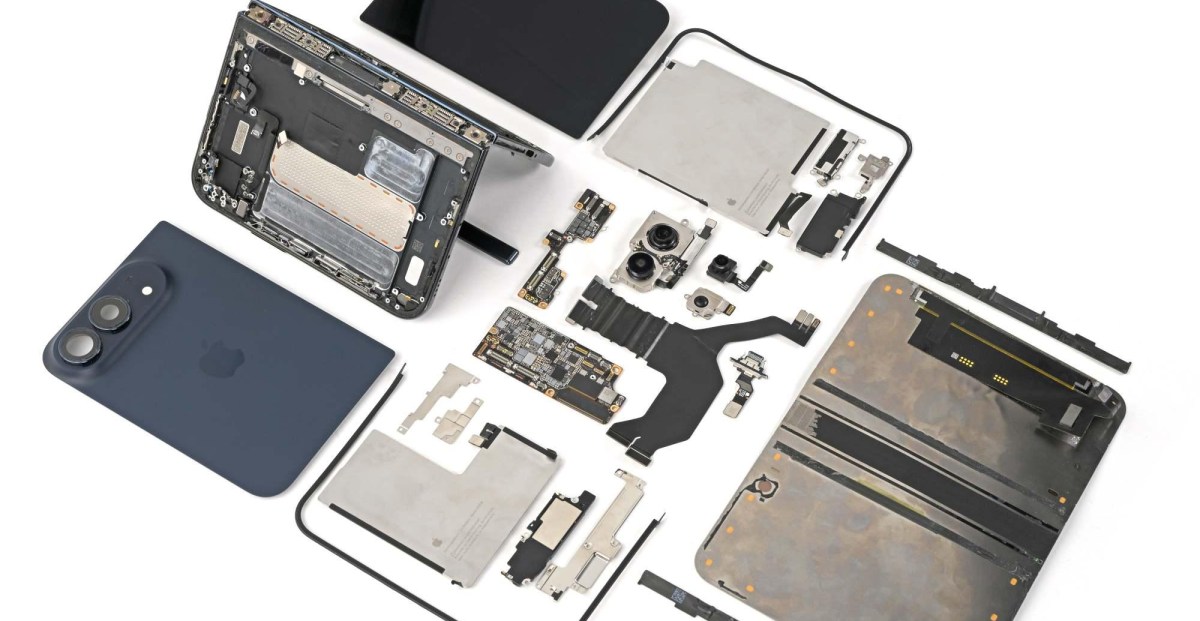
Apple’s latest foldable draws scrutiny on repairability, Samsung faces a critical software crisis on its flagship Ultra model, and Microsoft continues its incremental path to system stability with this week’s Windows 11 patch. Meanwhile, browser alternatives to Arc are gaining traction, and Linux kernel development accelerates with sound subsystem improvements driving innovation across Wayland and remote computing protocols.
iPhone Duo Achieves Best Foldable Repairability Score Yet
Apple’s iPhone Duo has earned a 5/10 repairability score from iFixit—the highest rating the teardown site has ever given to a foldable device. The teardown reveals how Apple masks the fold crease through a matte nano-texture cover on the internal screen that scatters reflections while improving outdoor readability. The display uses oval-shaped subpixels arranged at varied angles to further minimize visual distortion at the fold. While the score reflects the device’s inherent complexity, the engineering solutions demonstrate Apple’s commitment to making foldables more practically usable without sacrificing durability.
Samsung One UI 9 Bug Bricks Galaxy S26 Ultra During Initial Setup
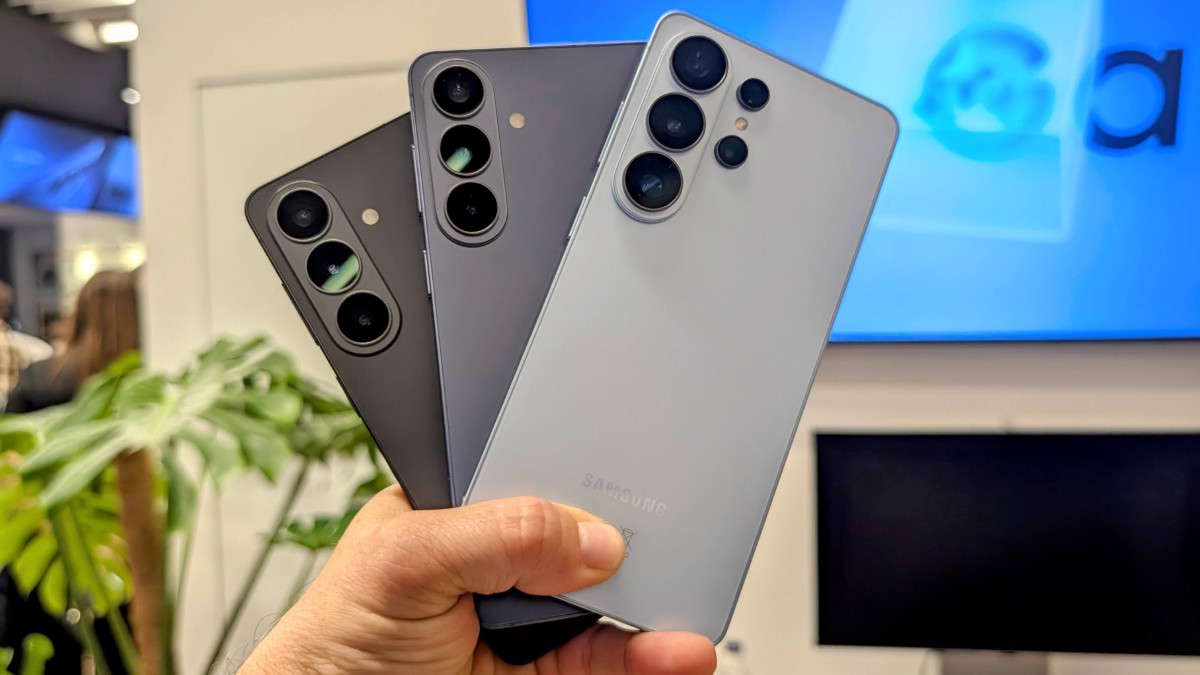
A critical bug in Samsung’s One UI 9 is rendering Galaxy S26 Ultra units completely unusable. The defect appears during the device’s initial setup process, trapping phones in an infinite boot loop that prevents users from ever completing the configuration wizard. Affected devices remain locked in the setup screen with no workaround available short of a factory reset—though even that path is complicated by the initial setup requirement. This represents a serious quality control failure that has left early adopters with what amounts to expensive paperweights until Samsung releases a fix.
Zen Browser Emerges as Credible Arc Replacement
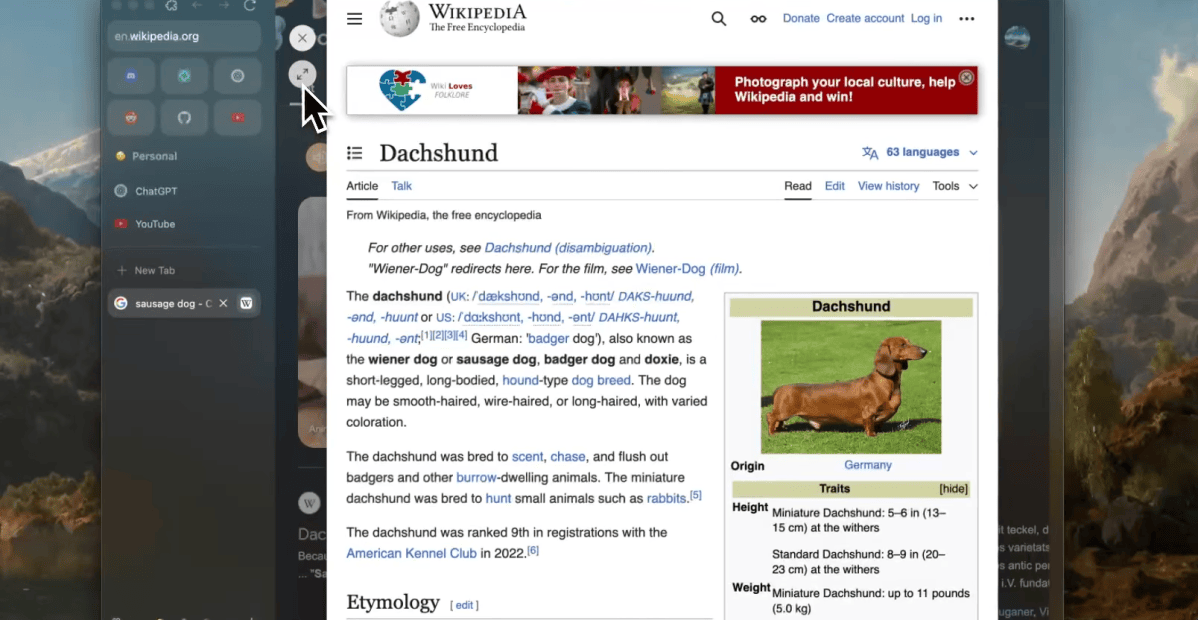
With Arc browser officially shutting down as Atlassian pivots to its AI-focused Dia project, Zen Browser is capturing Arc users seeking a modern alternative. Zen unabashedly borrows Arc’s best design patterns—sidebar navigation, launcher-like pinned tabs, and pop-over “glance” views for quick information access—while adding its own polish and stability. Early adopters report that despite some minor inconveniences, Zen delivers the innovative interface experience that made Arc beloved without the uncertainties of a startup-backed project facing corporate restructuring.
Windows 11 October Update Addresses Six Persistent User Friction Points
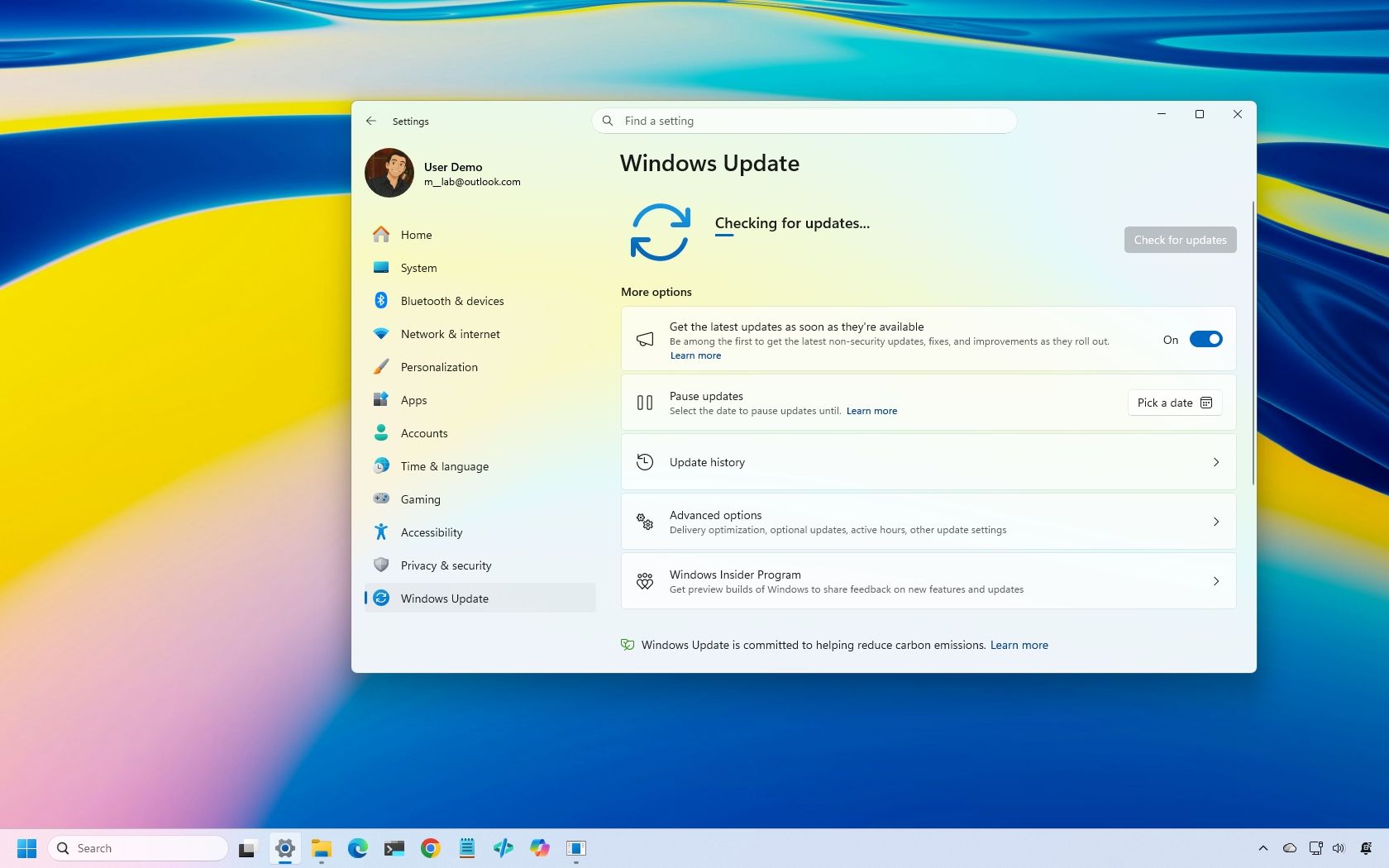
Microsoft’s October 2026 cumulative update (KB5127648) ships with eight targeted Bluetooth reliability improvements, fixes for fingerprint authentication failures after cold boot, and a fix for mouse stuttering in games—issues that have frustrated users for months. The patch also restores printing functionality with RAW and Generic Text Only drivers, resolves Always On VPN connection failures, and prevents File Explorer crashes in multi-user environments including Azure Virtual Desktop. While less visible than feature releases, these fixes target the specific pain points that compound into poor daily user experience.
Linux 7.4 Kernel Expands Audio Support Amid Surge in AI-Generated Patches
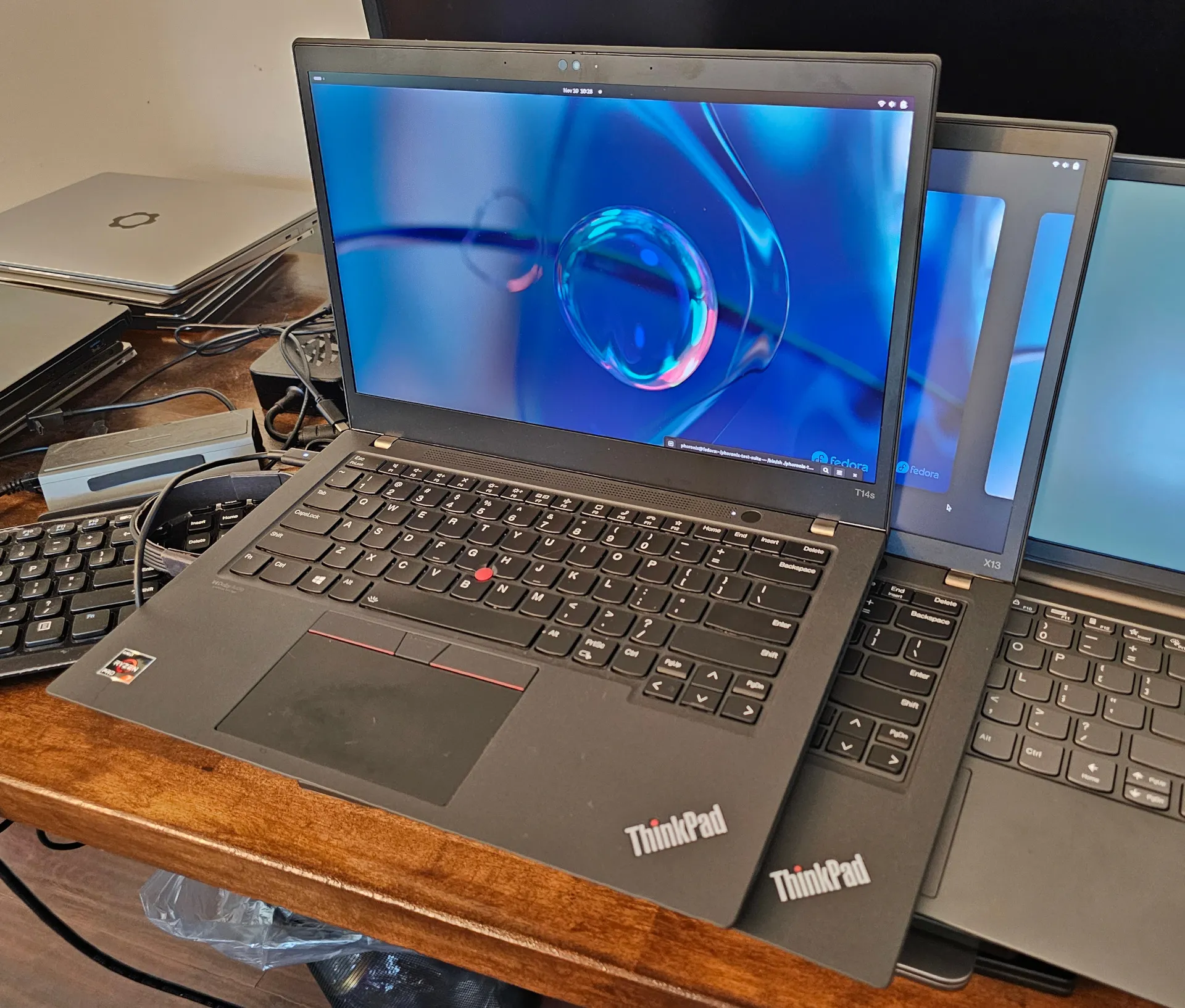
The Linux 7.4 sound subsystem brings expanded audio device support and compatibility improvements, with SUSE maintainer Takashi Iwai noting that “the AI flood continues” in kernel development. The ongoing wave of AI-assisted patches is both uncovering new bugs and accelerating incremental improvements across the sound stack. The influx represents a fundamental shift in how the kernel evolves, with machine-learning tools discovering edge cases and generating fixes faster than traditional review cycles allow, though human maintainers remain critical gatekeepers for quality control.
New Wayland Protocol Advances Remote Desktop and VNC in Modern Linux
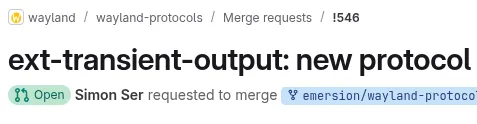
Prominent Wayland developer Simon Ser has proposed the new ext-transient-output protocol to improve support for remote desktop and VNC software in the Wayland ecosystem. The protocol simplifies how remoting applications integrate with Wayland compositors, addressing a long-standing friction point for users who rely on remote access tools. The change represents incremental progress toward feature parity with X11 for remote-access use cases, removing one of the remaining barriers to Wayland adoption for system administrators and remote workers.
In Brief
Redox OS Lands Performance Improvements — The Redox operating system kernel saw significant optimization work in September with better memory management and I/O performance, advancing the Rust-based OS project closer to practical usability.
Switch 2 Accessory Nears Design Perfection — An upcoming Switch 2 accessory came within millimeters of a perfect fit during development, showcasing Nintendo’s attention to hardware details even in peripheral design.
Compiled from the configured RSS feed.