
Tech News Roundup — October 25, 2026 (AM)

Linux 7.4 kernel development continues its rapid evolution, with this release merging significant updates across multiple subsystems. The kernel brings modernized block driver support including floppy disk driver fixes and Apple M4 NVMe support, complemented by 539 merged memory management patches introducing DAMON improvements and core optimizations. Graphics driver updates headline AMD GPU progress with HDMI 2.1 features, and systemd has begun supporting Rust programs natively—signaling a growing trend toward memory-safe languages in system-level code.

Linux kernel 7.4 ships major subsystem updates. The 7.4 release merges 539 memory management patches, modernized block device drivers with Apple M4 NVMe support and floppy disk fixes, and AMD GPU graphics enhancements including HDMI 2.1. Systemd’s new Rust support indicates broader adoption of memory-safe languages in core infrastructure.
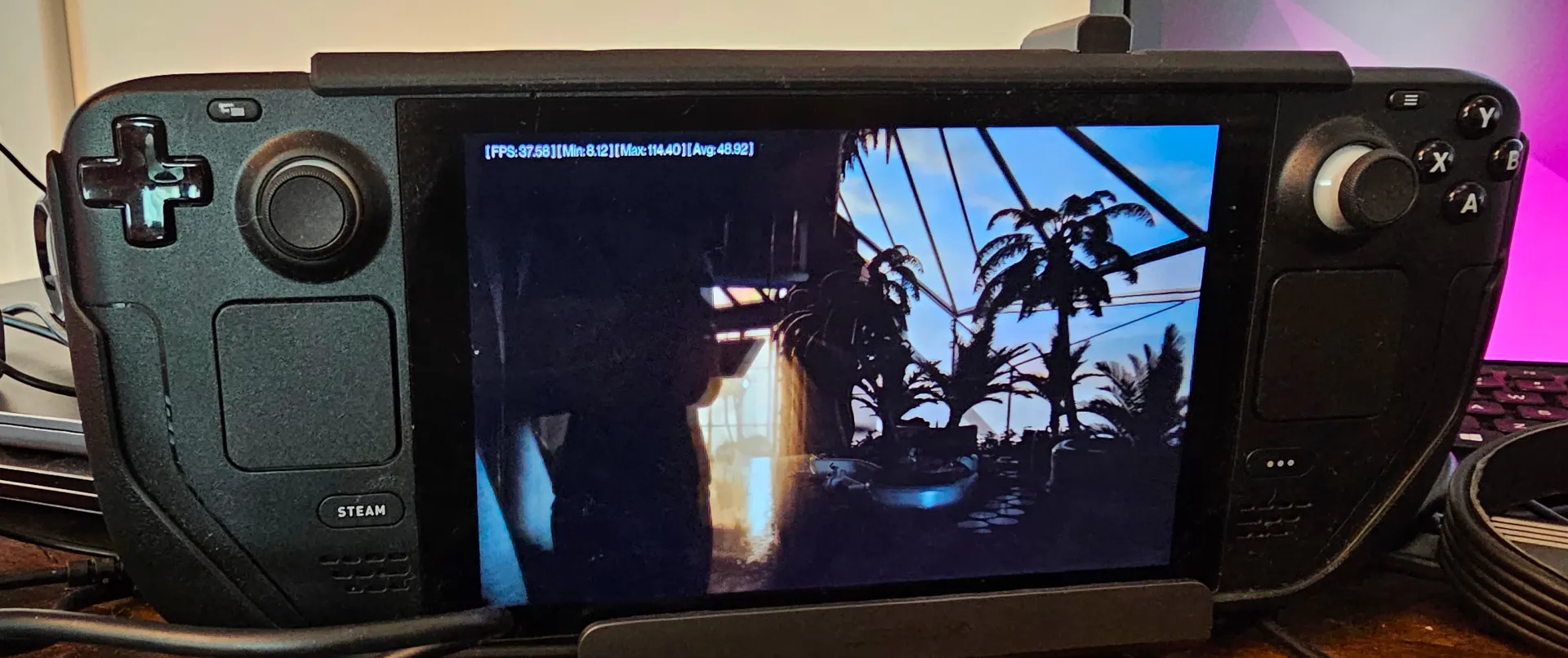
SteamOS 3.9.5 brings updated kernel and desktop environment to Steam Deck. Valve released SteamOS 3.9.5 with Linux 7.2 kernel, KDE Plasma 6.7 desktop environment, and system-wide stability improvements. The update refreshes the Steam Deck’s OS foundation and prepares the platform for ongoing game releases and hardware iterations.
Apple prepares a Pro-focused event showcasing new hardware and software. [The Verge] reports Apple is organizing a “Pro and Tell” event to highlight innovations across professional workflows, professional devices, and Pro-tier software features. The company is expected to unveil updates to MacBook Pro (including a rumored touchscreen variant), iMac Pro models, and possibly new software for creative professionals.
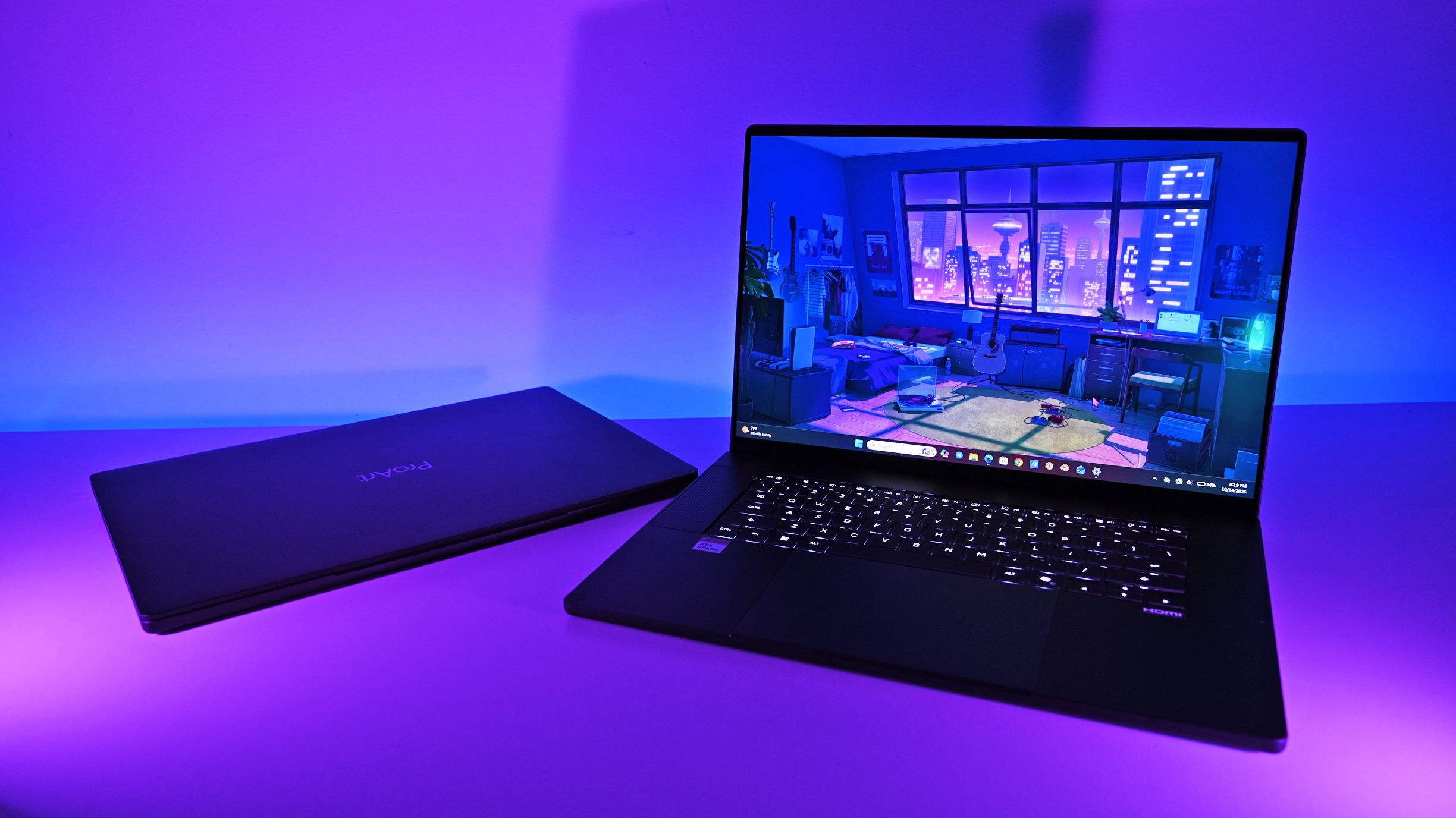
ASUS ProArt P16 RTX Spark sets a new standard for creator laptops. Windows Central reviews ASUS’s latest creator workstation, which combines RTX GPU acceleration, 16-inch display for creative work, and thermal engineering designed for sustained performance under heavy rendering loads. The system represents ongoing hardware evolution in the creator-class laptop segment.

Chrome begins reading clipboard contents, raising privacy concerns. Google Chrome is introducing a feature that reads clipboard data in the background, allowing web pages to access copied content without explicit user permission. This update has sparked privacy concerns as the feature could enable sites to monitor what users copy and paste during browsing, potentially capturing passwords, personal data, or sensitive information inadvertently pasted into forms.
In Brief
Pennsylvania enacts AI-generated ad labeling law. [The Verge] reports Pennsylvania is requiring political and commercial advertisements containing AI-generated media to include clear disclosure labels. The legislation addresses growing concerns about synthetic media and deep fakes in advertising.
Compiled from the configured RSS feed.