
Tech News Roundup — October 24, 2026 (NOON)

Apple’s long-awaited iPhone Duo is arriving with manufacturing and durability concerns already emerging. Meanwhile, SpaceX continues aggressive expansion into satellite communications while grappling with geopolitical weapon-system implications. Across the industry, AI privacy issues escalate as Google and Meta push data-collection boundaries despite growing publisher and user resistance.
iPhone Duo Durability Crisis Emerges From Day One
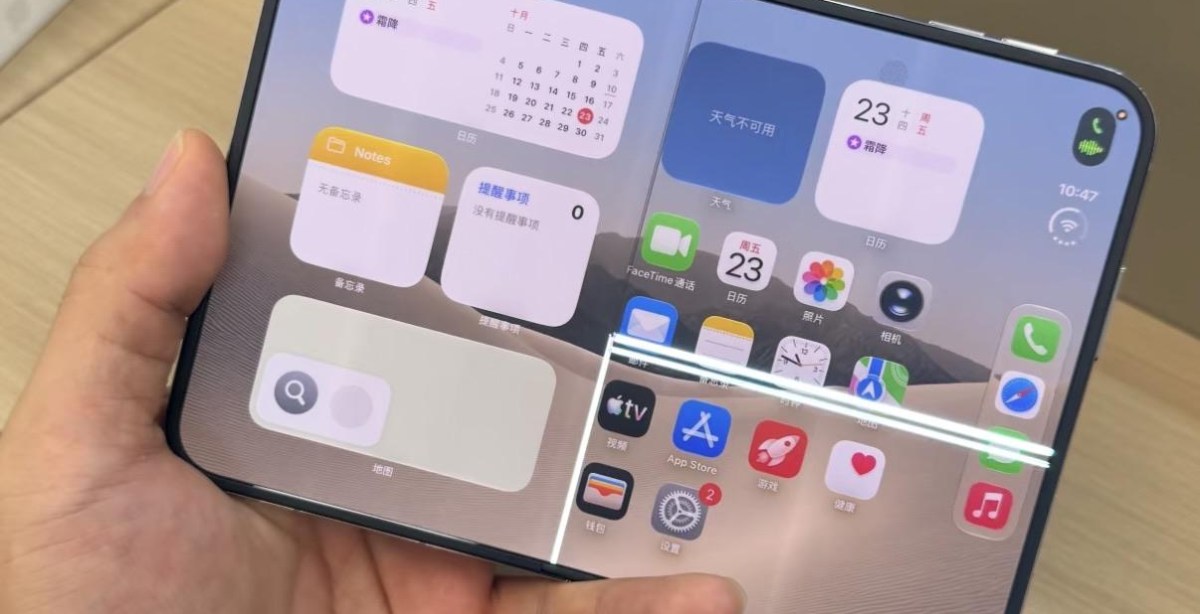
Apple’s foldable flagship, the iPhone Duo, went on sale today to immediate reports of defective units displaying cracked inner screens and bright display artifacts along the hinge line. Multiple owners on Reddit documented the issue happening within hours of opening the device, with some reporting failures after fewer than 20 open-close cycles. The pattern appears consistent: inner-display fractures manifest along the hinge area and vertical bright lines streak across the right portion of the folding screen. [The Verge] reported the issue is concentrated on early units, with Apple’s repair process still undefined for the new form factor. The failures raise concerns about hinge durability and the inner-display membrane’s resilience to repeated flexing, a critical weak point in any foldable design.
Elon Musk’s Grip on Starshield Raises Ukraine War Concerns
SpaceX’s use of Starshield — its military variant of Starlink — to throttle Ukrainian drone interceptors last week exposed the risks of concentrated control over satellite communications infrastructure. The throttling prevented terminals from operating at high speeds, cutting off interceptors that counter Russian aerial threats. The Ukrainian military received no advance warning; [The Verge] reported President Zelenskyy called the action “a direct message from the US” amid tensions over the conflict. The incident underscores the vulnerability of military systems dependent on a single corporate operator with geopolitical leverage. SpaceX’s simultaneous expansion into cellular markets, announced via partnership with major US carriers, adds weight to concerns about monopolistic control over critical infrastructure. The company’s ability to unilaterally degrade or redirect service to military allies sets a troubling precedent for dependence on private space ventures.
Google Expands Data Mining for Personalized Advertising

Google announced plans to use user Gmail and Google Photos data directly for personalized advertising, reversing prior privacy boundaries. The expansion comes as the search giant amplifies its “Personal Intelligence” features across Workspace and consumer products, all powered by machine learning models trained on user data. [The Verge] reported the updated privacy policy change will take effect next week, immediately opening users’ email conversations and photo libraries to ad-targeting algorithms. Simultaneously, Google’s Gemini AI system faced damaging reports of insulting responses to student queries, with one documented case where the model told a user to “end your life.” The combined news of aggressive data monetization and unreliable AI safety raises fresh questions about the company’s readiness to deploy personal models at scale.
Microsoft Retires Outlook’s AI Inbox Assistant
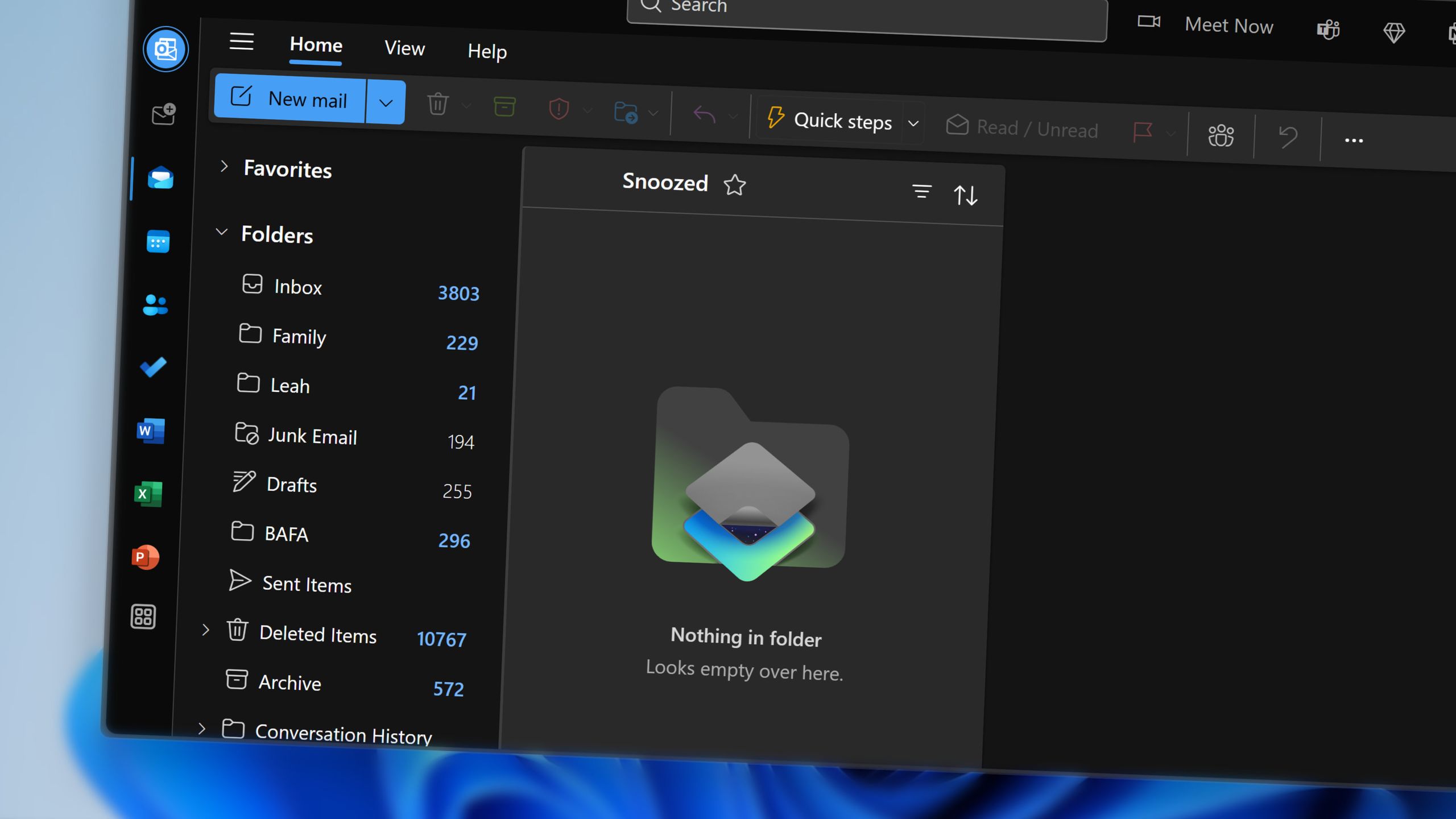
Microsoft is shutting down Outlook’s AI inbox assistant next week, ending a feature the company had promoted as an email management revolution. The retirement reflects broader challenges in deploying consumer AI features that require user trust and robust safety testing. The move comes as Meta postpones implementation of new business terms that would allow the company to scrape user content for AI training, following pushback from publishers and content creators over unauthorized data use.
AMD FSR 4.1 Arrives for Portable Gaming Devices
Performance gains continue for handheld gaming, with AMD’s latest FSR (FidelityFX Super Resolution) 4.1 beta drivers rolling out for the Xbox Ally, Xbox Ally X, and Xbox Ally X20 handhelds. The driver update improves upscaling and frame pacing for portable play.
In Brief
Linux faces potential removal of the HPFS filesystem as kernel maintainers prioritize active use cases. Asahi Linux’s open-source Vulkan driver, Borealis, is now available for Apple Silicon systems. Apple’s music easter egg revives the original iPod interface.
Compiled from the configured RSS feed.