
Tech News Roundup — October 23, 2026 (NOON)
Meta faces persistent legal concerns over AI training despite revised business terms; critical PHP vulnerabilities that power much of the web were actively exploited before patches shipped. This edition covers Meta’s unresolved scraping issues, emergency PHP security patches, the end of Arc browser, Etsy’s AI crackdown, Microsoft’s claimed breakthrough in medical AI, and the AI industry’s record lobbying spend.
Meta’s AI Scraping Terms Still Too Broad
Meta tweaked its business terms but legal experts say the changes don’t fix AI scraping concerns. Meta revised its business account terms, effective October 30, to remove language explicitly permitting AI training on news sites—but legal scholars warn the new language still grants dangerously broad scraping rights. Cornell Law School professor James Grimmelmann told Nieman Lab that the “associated with your products or services” clause remains unchanged and “would let Meta scrape entire sites.” Meanwhile, Meta’s separate consumer terms for its Muse AI assistant continue to allow training on user-generated content, raising separate privacy concerns about the AI’s reach across the platform.
Critical PHP Vulnerabilities Exploited Before Patch

Two severe PHP vulnerabilities (CVE-2026-109618 and CVE-2026-109619) were actively exploited on October 17—four days before patches were released. Amazon’s threat intelligence team discovered a “PHP2Shell” exploit attempt targeting the flaws through a honeypot system, according to disclosures from AWS and security firms Wired and Bleeping Computer. The vulnerabilities affect PHP itself, which powers WordPress and a large portion of the web, making this a critical internet-wide security issue. Websites scrambled to apply patches on Wednesday, but the preview of exploitation underscores the dangers of the zero-day window before public disclosure.
Arc Browser Shutting Down December 22

Browser Company is sunsetting its innovative Arc browser on December 22, moving resources entirely to its AI-focused Dia browser. New Arc account creation has already been disabled; on November 23, iOS and Android users will lose the Browse for Me AI feature and sign-in/sync capabilities; by December 22, macOS and Windows access will be gone entirely. The company pivoted to Dia development last year but maintained Arc’s appeal with AI integrations and a command-bar-centric interface. The shutdown marks the end of one of the most inventive browsers in recent years, though Dia aims to carry forward the AI-first vision.
Etsy Cracks Down on AI-Generated Product Listings

Etsy is requiring at least one unedited photo of the actual product for every listing to combat AI slop and misleading generated images. The platform’s new policies mandate that the first image must be an unedited photo of the real item against a real background, with all images accurately representing what buyers will receive. Etsy says buyers report difficulty distinguishing AI-generated products and sellers are concerned about legitimacy. The stricter rules reflect a broader marketplace frustration with AI content overwhelming legitimate commerce—a pattern playing out across platforms from Amazon to TikTok.
Microsoft Claims AI Diagnostic Tool Outperforms Doctors
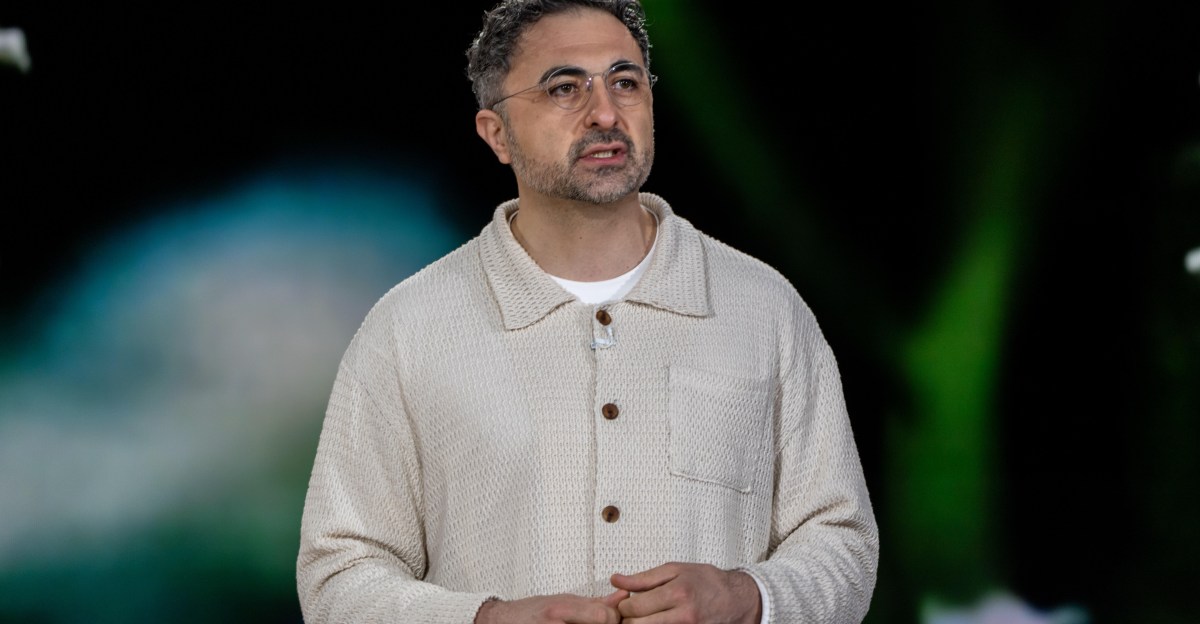
Microsoft’s AI diagnostic system reportedly diagnoses medical conditions up to four times more accurately than human physicians in head-to-head testing. The company published results in Science this week, testing its AI system against real doctors using case reports and emergency department data compiled into its own benchmark. Microsoft AI Chief Mustafa Suleyman told The Verge this represents the long-promised moment when AI truly improves healthcare outcomes. The findings bolster the industry’s case for AI-assisted medicine, though the proprietary benchmark and lack of real-world deployment data invite scrutiny about generalizability and whether the test conditions favor the algorithm.
AI Industry’s Lobbying Spending Hits Record Highs
OpenAI, Anthropic, and Nvidia each reported their highest-ever quarterly lobbying spend ($1.5M, $2.1M, and $2.2M respectively) in Q3 2026. The spending signals that major AI firms recognize the regulatory stakes are rising as Washington grapples with AI policy, export controls, and competition. While the sums are modest compared to Microsoft ($2M+ per quarter) or Google ($3M+), the sharp upward trajectory for the AI trio—particularly Nvidia’s defense-focused agenda around China policy—reflects the industry’s pivot toward shaping the rules of the road before they are set in stone.
In Brief
Linux kernel improvements use AI to clean up AMD Zen detection code — A request for comments on the Linux mailing list proposes using AI to modernize the kernel’s microarchitecture-specific code paths for AMD Zen processors, a signal that kernel developers are exploring AI tooling for infrastructure maintenance. Phoronix
Compiled from the configured RSS feed.