
Tech News Roundup — October 21, 2026 (NOON)
The tech sector grapples with AI content quality this week, from music streaming platforms to open-source development. Meanwhile, major hardware vendors outline ambitious timelines for next-generation devices and graphics improvements, positioning the industry for significant shifts in gaming and space exploration.
Spotify Removes 50 Million AI-Generated Tracks
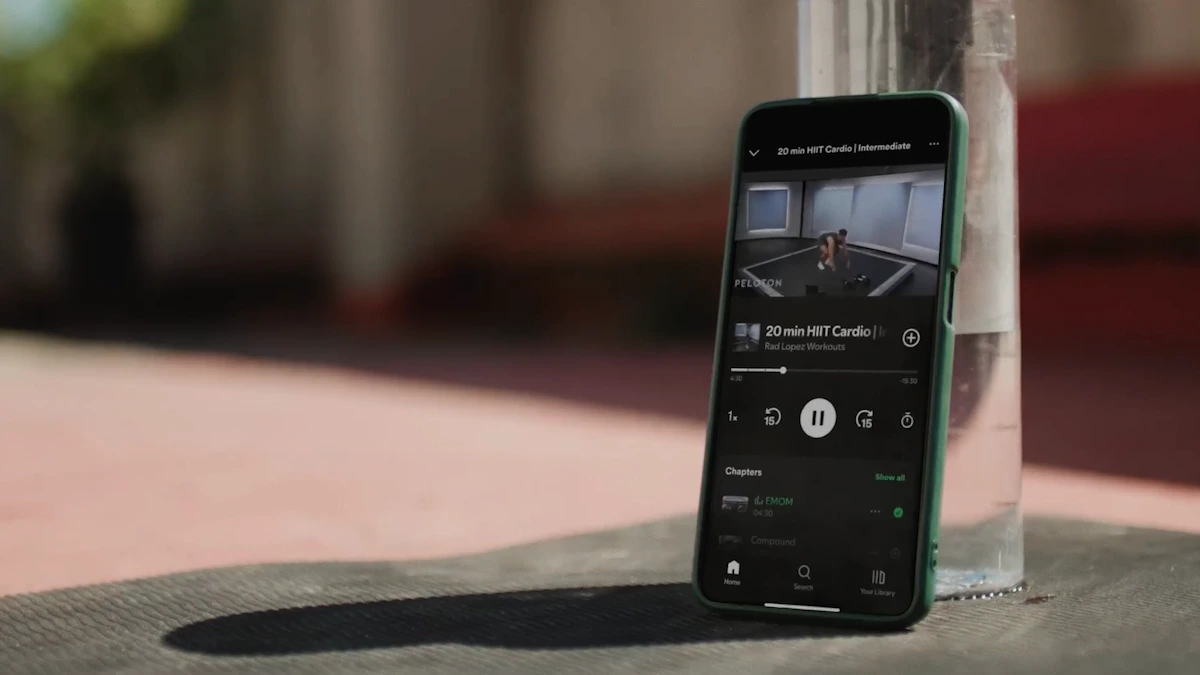
Spotify has removed over 50 million songs classified as low-quality AI-generated content or spam from its recommendation algorithms, marking an industry response to the flood of generative audio flooding streaming platforms. The removal prioritizes human-created music in recommendations and highlights Spotify’s effort to maintain curator quality. The streaming giant is tightening policies against AI-generated content while still permitting artists to use AI tools under disclosure guidelines.
SpaceX Announces First Starship Booster Catch Attempt

SpaceX CEO Elon Musk revealed plans to attempt capturing both the Starship orbital vehicle and its booster during descent next month, which would mark the first full recovery of an orbital launch system in history. Musk described the milestone as “profound” for civilization’s space advancement, while acknowledging that success is not guaranteed on the initial attempt. The company previously achieved booster landings but had not attempted to catch both stages intact until now, a feat that would dramatically reduce launch costs and accelerate rapid reusability.
Microsoft Outlines Xbox Hardware Plans Through 2028

Microsoft is reportedly preparing to launch an Xbox handheld device for the 2027 holiday season, followed by a next-generation home console (Project Helix) in 2028. The handheld’s manufacturer remains unclear—Microsoft may partner with a third party like ASUS (as with the Xbox Ally line) or develop it in-house. Xbox CEO Asha Sharma has described Project Helix as a “family of devices,” suggesting the next generation will include multiple form factors rather than a single monolithic console. The roadmap represents Microsoft’s bid to compete in the expanding handheld gaming market while keeping pace with traditional console cycles.
AMD FSR 4.1 Expands to Xbox and Older Graphics Hardware

AMD announced that its FSR 4.1 upscaling technology is now available for Xbox Series S and X consoles, as well as older Radeon RX 6000-series GPUs and Ryzen AI devices. The expansion comes months after FSR 4.1 launched on the flagship RX 9000-series in March. The technology supports over 300 games including Cyberpunk 2077, Battlefield 6, and Assassin’s Creed, enabling significant performance improvements across platforms from handheld gaming devices to home consoles by upscaling lower-resolution renders to higher display resolutions with minimal visual loss.
Linux Foundation: 25% of Open-Source PRs Are AI-Generated Low Quality

The Linux Foundation published research estimating that approximately 25% of new pull requests submitted to open-source projects consist of low-quality AI-generated code, reflecting the industry-wide challenge of maintaining code quality as generative AI tools proliferate among developers. The finding raises concerns about maintainer burden, review fatigue, and the long-term health of critical infrastructure projects. While AI-assisted development can accelerate legitimate work, the sheer volume of unusable submissions threatens to overwhelm volunteer-run projects lacking the resources for comprehensive review processes.
Chrome Rolls Out Phishing and Malware Warning System
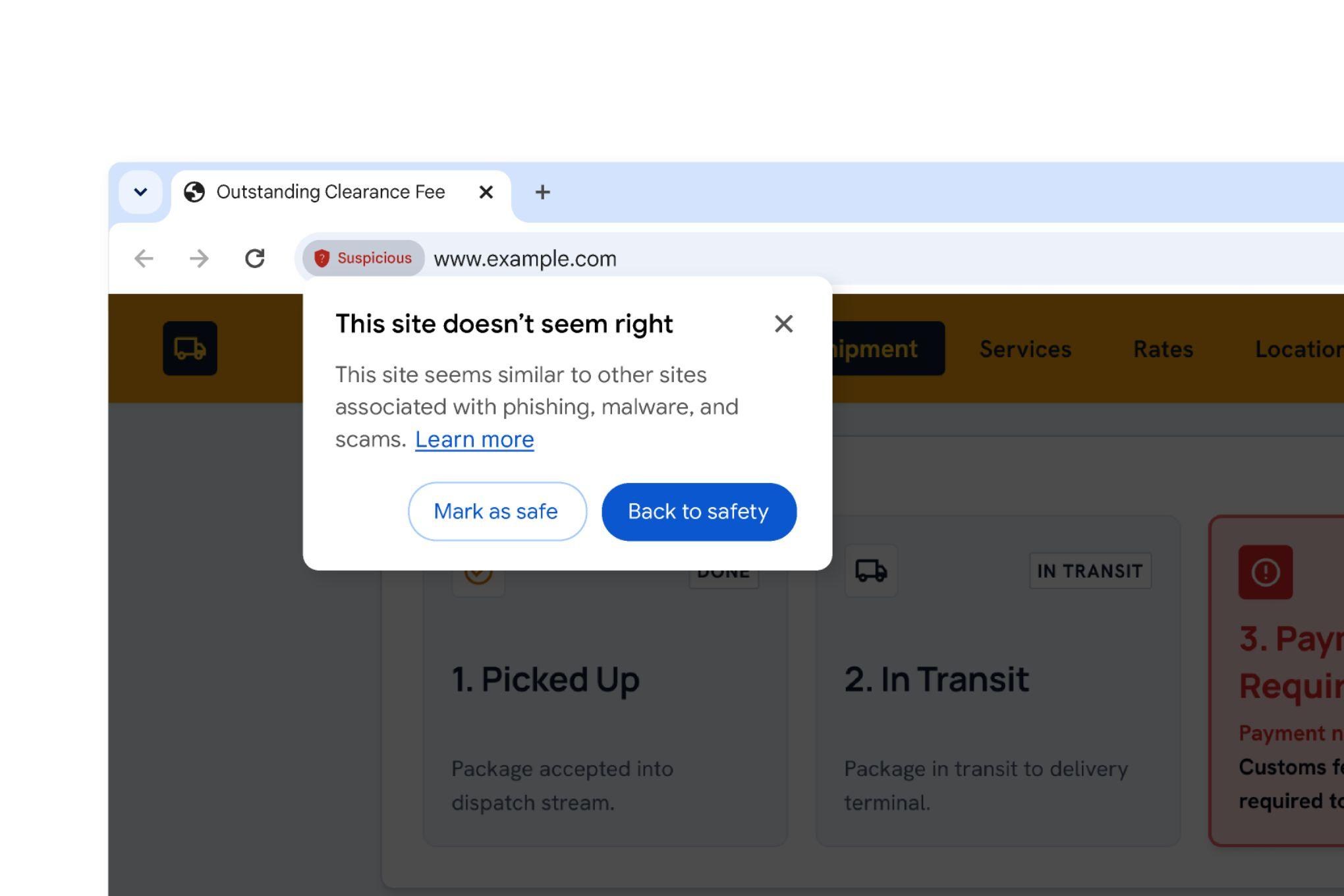
Google is introducing a two-tier warning system in Chrome that displays different alert levels when users attempt to visit suspicious or dangerous websites. The new “suspicious” category applies to sites detected with phishing, malware, or scam characteristics similar to known malicious domains, while “dangerous” flags confirmed threats. The feature, available when Chrome’s Enhanced Protection mode is enabled, builds on a similar download-scanning system introduced in 2024 and represents Google’s effort to balance security with user control by offering visual differentiation between threat levels.
In Brief
- ASUS Ally X20 handheld sold out across retailers — the updated AMD-powered device is seeing strong demand after launch, validating the market for Windows-based portable gaming hardware.
- Turtle Beach unveils Stealth Ultra 2 gaming headset — upgraded audio drivers and removed social features focus the product on pure performance rather than livestream integration.
- ShareX screenshot tool receives its largest update — native screen recording at 120 FPS and dozens of new editing tools cement its status as a superior alternative to Windows’s built-in Snipping Tool.
- Intel Arrow Lake processors show strong Ubuntu performance — testing on Star Labs StarFighter shows notable gains versus prior generations on Linux workloads.
Compiled from the configured RSS feed.