
Tech News Roundup — October 21, 2026 (AM)
Google is bringing its Personal Intelligence feature to Gemini AI in cars, allowing the assistant to tap into your Gmail, Calendar, Maps, Photos, YouTube, and Search data to help with driving-related tasks. In parallel, Microsoft’s Xbox and Windows divisions face internal friction over the design of the next-gen Project Helix console — Xbox leadership is pushing for a specialized gaming-focused OS while Windows wants a modified desktop version, with the console now targeting a 2028 launch at a premium $1,200–$1,800 price point.
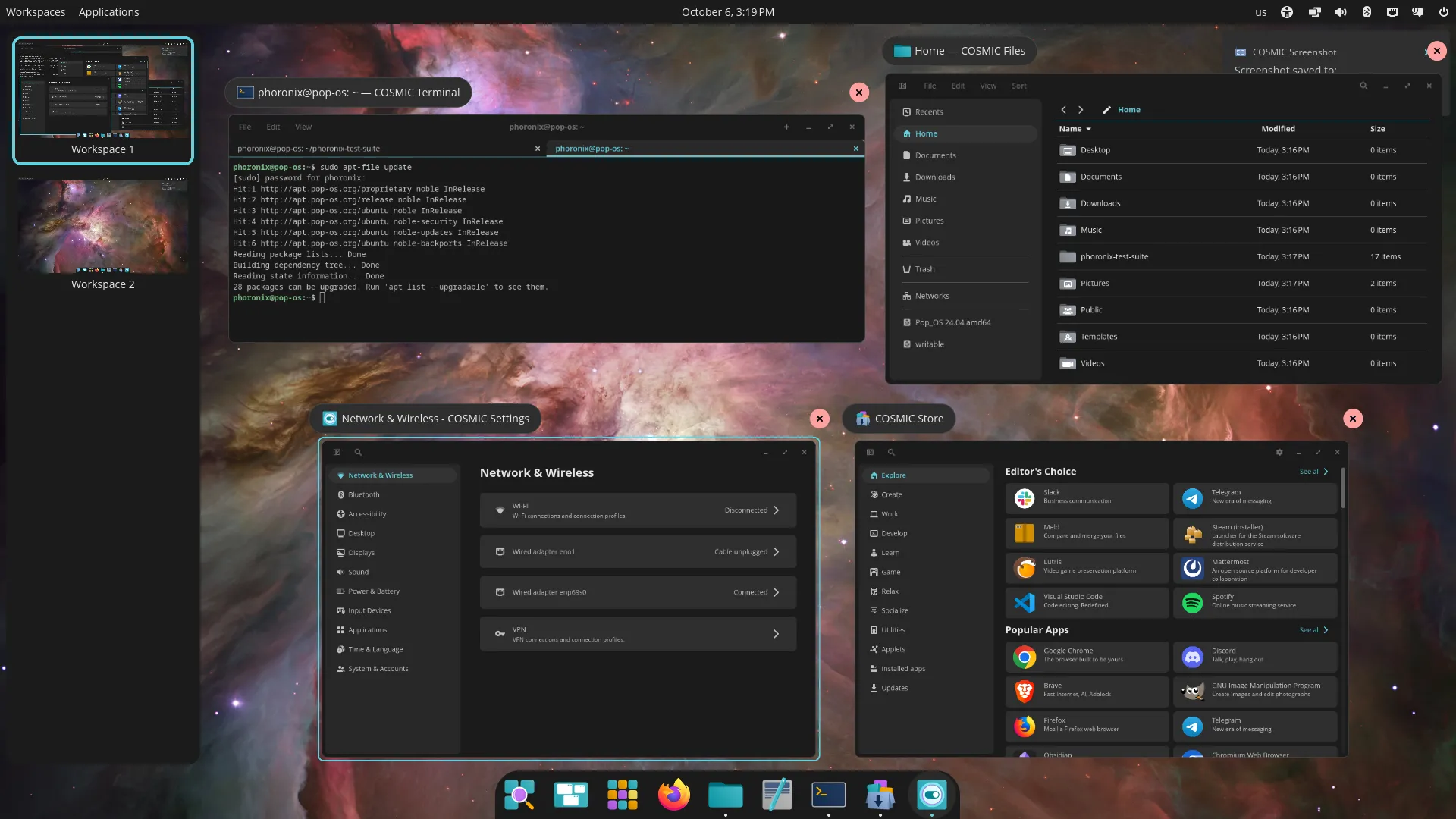
Meanwhile, Elon Musk announced that Tesla and SpaceX have formed special committees to explore a merger, with independent directors handling discussions while Musk recuses himself due to conflicts of interest. Meta paused its Muse AI feature after researchers discovered over 6,800 shared conversation URLs publicly accessible through DNS records. YouTube is testing a hidden dislike button, moving it from the main UI into a submenu. Intel and AMD announced a collaboration on oneDNN optimizations for PyTorch, merging Zen improvements into the shared library. System76 released COSMIC Epoch 1.11 with Wayland support, and Linux 7.4 gained dynamic PAMT for Intel server memory savings.
Google Rolls Out Personalized Gemini AI to Android Auto and Connected Cars
Google’s Personal Intelligence—a feature that integrates user data from Gmail, Calendar, Maps, Photos, YouTube, and Search—is now heading to Android Auto and cars with Google built-in. Drivers can ask Gemini contextual questions like “take me to my doctor’s appointment” or “what’s my flight status?” and the AI will pull details from emails and confirmations to fulfill the request without manual navigation. This represents a significant step toward more proactive in-car AI assistance, embedding Google’s information ecosystem directly into vehicle interfaces.
Project Helix Console Coming in 2028 Amid Internal OS Design Clash at Microsoft
Microsoft’s next-generation Xbox hardware roadmap is solidifying: a handheld in 2027 followed by the full console in 2028. However, internal tensions between Xbox and Windows teams emerged over the console’s operating system. Windows pushed for a modified desktop version of Windows, while Xbox leadership advocated for a specialized gaming OS. Xbox ultimately prevailed in directing the OS design. The console is expected to command a premium price of $1,200–$1,800, potentially making it the most expensive gaming console to date, though Microsoft may subsidize the cost closer to $1,000. First development kits are expected in early 2027.
Tesla and SpaceX Form Special Committees to Explore Merger
During SpaceX’s Q3 earnings call, Elon Musk revealed that both Tesla and SpaceX have established special committees of independent directors to discuss a potential merger. Musk noted that he recuses himself from the talks due to conflicts of interest, creating what he described as an “odd kabuki dance” where directors negotiate without his direct involvement. The move came at shareholders’ request and suggests serious exploration of combining the EV and space exploration companies, though no timeline or terms have been disclosed.
Meta Pauses Muse AI Sharing Feature After Privacy Exposure
Meta has suspended the Muse AI sharing feature after security researchers discovered more than 6,800 shared conversation URLs publicly accessible via DNS records. The links, which were meant to allow users to share specific AI conversations with others via link-sharing, inadvertently exposed personal and business secrets in plaintext on the web. Meta spokesperson Tracy Clayton said the company is reviewing the report and will implement changes to how these links are managed before re-enabling the feature.
In Brief
YouTube is testing a hidden dislike button, moving the control from its primary position under videos into a three-dot submenu—a change that could reduce dislike usage by making the button less discoverable. Intel and AMD announced a collaboration on oneDNN neural network library optimizations for PyTorch, with AMD’s Zen improvements now being integrated into the shared library. System76 released COSMIC Epoch 1.11, adding Wayland xdg-dialog-v1 support and improved multi-GPU handling. Linux 7.4 merged dynamic PAMT to help Intel servers reduce RAM footprint. Phoronix and Windows Central reported on ongoing GPU optimization and hardware development trends.
Compiled from the configured RSS feed.