
Tech News Roundup — October 19, 2026 (PM)

Hardware makers continue iterating on smart health devices while the gaming and AI worlds collide in unexpected ways. From wearable redesigns to retro console emulation breakthroughs, this edition spans gadgets, gaming, and the expanding role of AI in creative tools.
Wyze Redesigns Smart Scales With Handle Display
Wyze has released an updated version of its Ultra BodyScan smart scale that moves the device’s 4.3-inch color display from the base to a retractable handle, making measurements readable at eye level rather than requiring users to bend down. The new Ultra BodyScan Plus maintains the electrodes on the handle for bioelectrical impedance analysis while pricing the redesign at $149, about $30 more than the original model. The change addresses a core ergonomic complaint about smart scales and shows hardware makers prioritizing usability alongside measurement capability.
Fans Port Halo: Combat Evolved to the Dreamcast, Beating the Hardware Gap

A developer known as @JiltedValkyrie has achieved the seemingly impossible by porting the original Halo: Combat Evolved to the SEGA Dreamcast despite a 14-fold performance gap between the consoles. The Dreamcast has 256MB of RAM versus the original Xbox’s 512MB, and its CPU runs at 1.4 GFLOPS compared to the Xbox’s 20 GFLOPS. Despite these constraints, the port achieves 60 FPS in select areas with typical gameplay running between 10–20 FPS. The developer has optimized the build through careful culling, reduced level-of-detail models, and simplified AI behavior—dead enemies and friendly marines now despawn rather than persisting on screen. This feat of optimization exemplifies the current wave of AI-assisted reverse engineering and custom firmware development that’s allowing hobbyists to unlock capabilities that seemed impossible even a year ago.
AI Tools Spark a Custom Firmware Revolution in Music Hardware
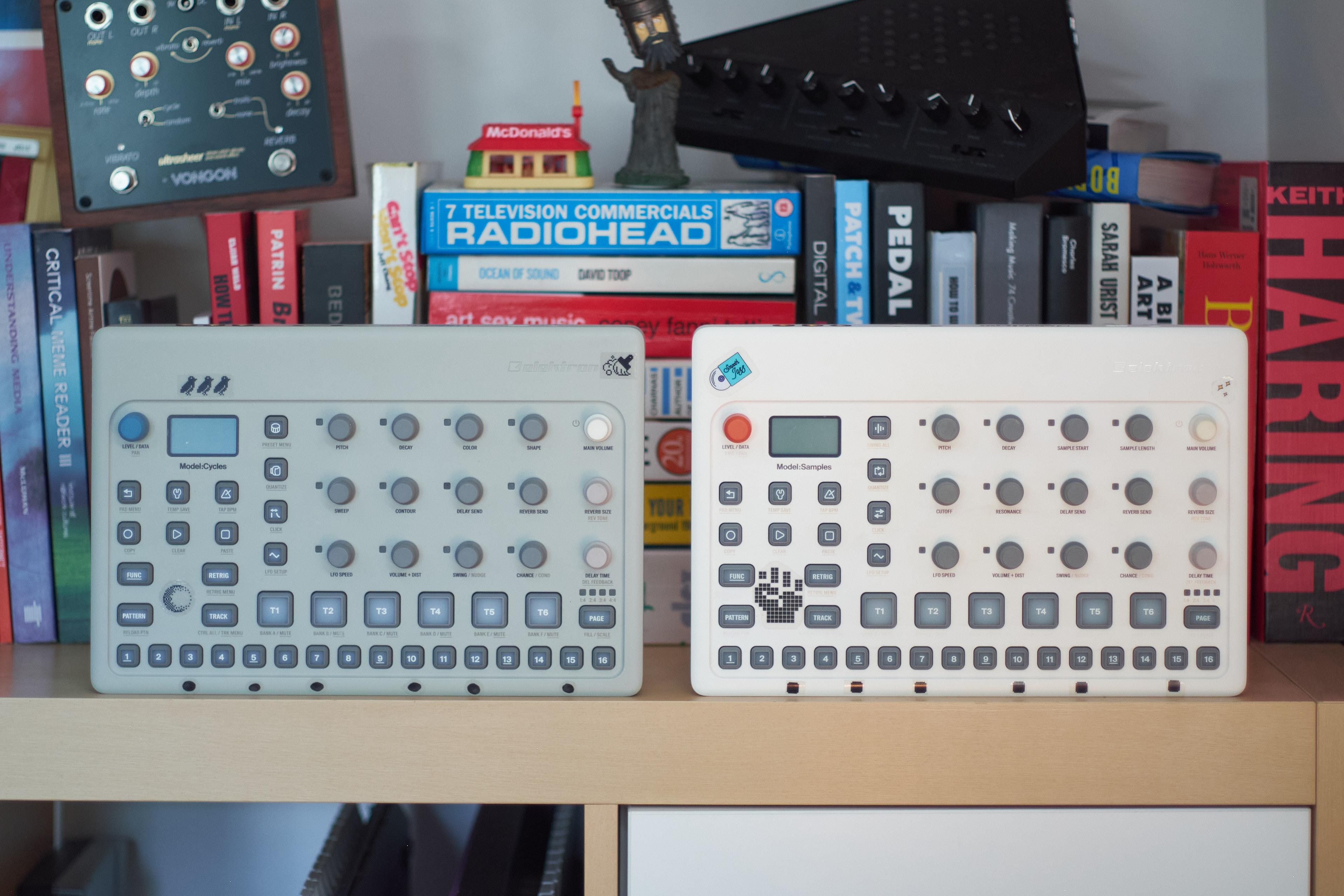
A phenomenon called “vibe coding”—using large language models and AI assistants to write custom firmware for synthesizers, samplers, and grooveboxes—has democratized what was once an expert-only domain. In the pre-LLM era, adding simple features like velocity sensitivity to devices like the Korg Volca could take weeks or months and require deep embedded systems expertise. Now, hobbyist hardware hackers are transforming budget synthesizers into full-featured instruments in days, with GitHub rapidly accumulating thousands of custom firmware projects. The shift reflects a broader pattern: AI is lowering barriers to specialized technical work, enabling creators to focus on what they want to build rather than spending months mastering how to build it.
Microsoft’s Xbox Strategy Chief Confirms the Industry Is Using AI—And Isn’t Hiding It

Brandon Stirrup, Senior Business Strategy Manager at Microsoft Xbox, took to social media to publicly declare that game development is embracing AI tools and that the gaming industry’s reluctance to openly discuss the shift is holding it back. Stirrup, who created a game prototype over a weekend using AI, argued that “gaming is the only industry slow-walking the transition because users have negative sentiment” while other sectors have moved forward. He also stated bluntly that “leaders are afraid to talk about AI” but that “users want the truth. We’re using AI.” The admission reflects Microsoft’s establishment of Xbox Labs, a formal initiative exploring AI-driven game development and modding. While the comment sparked speculation about whether Stirrup would face consequences, it underscores the industry’s collision between innovation momentum and user skepticism about AI-generated content.
Linux Continues Steady Progress on Developer Tools and Core Systems
Canonical released Multipass 1.17, bringing direct support for non-Ubuntu Linux distributions alongside its existing Ubuntu VM orchestration across Windows, macOS, and Linux platforms. Simultaneously, the open-source ecosystem continued incremental improvements: GNOME Mutter landed power-efficiency upgrades that reduce GPU work in power-savings mode, and GNU Linux-libre 7.3 removed additional firmware blobs as part of its effort to provide fully open-source kernel builds. These changes exemplify the consistent, under-the-radar work that keeps Linux infrastructure modern and aligned with emerging hardware capabilities.
Democrats Signal AI Regulation Could Become a Midterm Campaign Issue
As midterm polls suggest Democrats may flip at least one chamber of Congress, top party members have signaled they intend to increase regulatory scrutiny of AI companies if they gain committee leadership. Democratic committee members are already pressing the industry on tax credits tied to data centers and recent security breaches, and control of committee agendas could enable them to call AI executives to testify and set formal hearing schedules. The shift reflects growing political momentum around AI governance, with both parties seeing the issue as increasingly salient to voters.
In Brief
Microsoft marked 12 years of its Windows Insiders program with a commemorative wallpaper release. Developers continue expanding gaming backwards compatibility, with PS5 emulation now functional on Xbox One hardware, part of the broader trend Microsoft has formalized through Xbox Labs. A Portuguese municipal government entered a new waste logistics contract but is negotiating to reduce infrastructure costs, illustrating how cities worldwide are adopting new digital platforms for services.
Compiled from the configured RSS feed.