
Tech News Roundup — October 18, 2026 (PM)

A wave of AI adoption hits consumer operating systems, Microsoft stakes a bold bet on physical game media, and regulators begin cracking down on robotaxi deployments. This week’s tech landscape is shaped by shifts in platform strategy, kernel development, and the ongoing tension between digital-first vendors and consumer demand for ownership and offline capability.
Ubuntu Embraces Desktop AI with Myna Assistant
Canonical has unveiled Ubuntu 26.10 “Stonking Stingray,” marking the debut of Myna, a native AI voice and text assistant built directly into the Linux desktop. Unlike cloud-dependent alternatives, Myna operates locally without external server dependency, prioritizing privacy and offline availability. The integration signals Linux’s competitive response to Windows and macOS, both of which have embedded their own AI assistants into recent releases.
Xbox’s Physical Games Gambit: A Counter to PlayStation’s All-Digital Future

Microsoft is signaling a contrarian move against industry trends by hiring a “Xbox Games Supply Strategist” focused on physical game releases and supply chain management for future console generations. The hire suggests that while PlayStation commits to all-digital distribution, Xbox may embrace alternative physical formats—potentially cartridges like Nintendo’s Switch, proprietary media, or even NFC-based licenses—for its upcoming Helix console. The move capitalizes on PlayStation’s recent brand damage, as consumers increasingly discuss ownership rights and resale viability in digital-only ecosystems.
Cities Push Back Against Robotaxi Expansion

Across North America, municipal governments are implementing restrictions and regulatory hurdles to slow robotaxi deployments. Cities concerned about traffic congestion, safety validation, and labor displacement are imposing caps on autonomous vehicle permits and demanding independent safety audits before wider operation. The pushback comes as Waymo, Tesla, and other operators accelerate commercial service rollouts, creating a critical policy inflection point for the industry’s growth trajectory.
Apple’s Chaotic HomeView Ad Resonates with Parents

Apple’s latest advertisement for its new HomeView smart display has generated unexpected viral traction by depicting a deliberately chaotic family morning routine—yelling, mess, misplaced keys—instead of the company’s typical minimalist aesthetic. Parents, particularly those with teenagers, report feeling genuinely represented, praising the commercial for capturing authentic household dynamics rather than aspirational staging.
Linux 7.4 Kernel Preview: AMD Radeon and M4 Acceleration
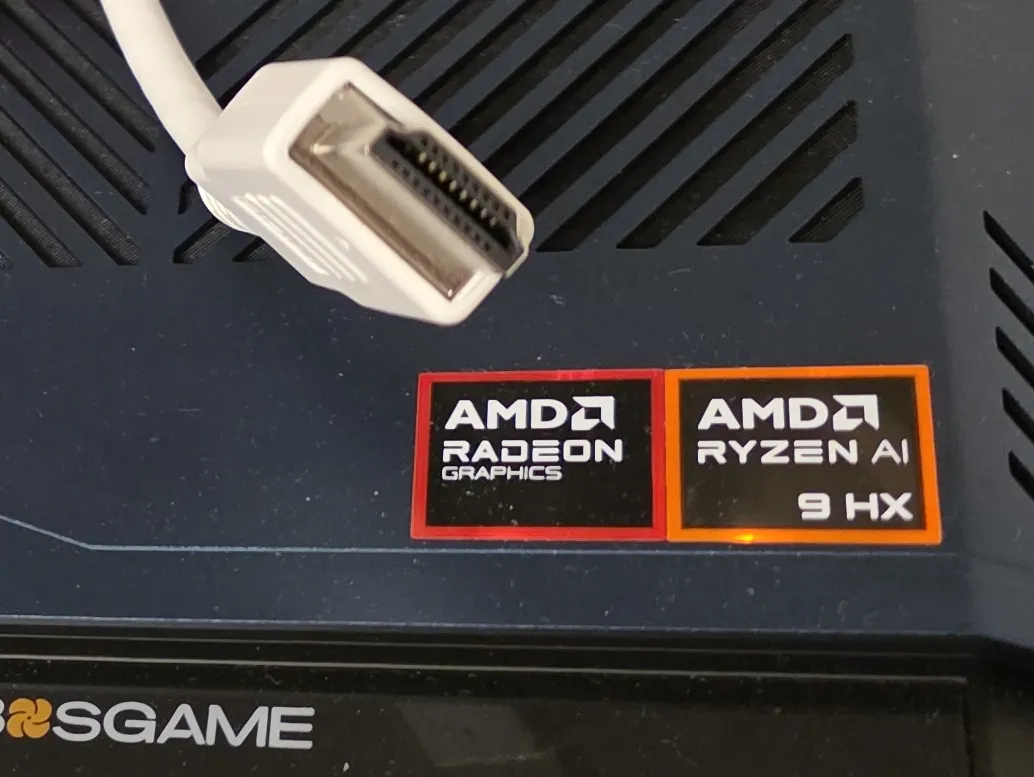
The upcoming Linux 7.4 release will bring Radeon HDMI 2.1 support enabled by default, AMD performance optimizations, and Apple M4 processor enhancements. These updates continue the kernel’s push toward broader hardware support and efficiency improvements across diverse platforms, with particular focus on GPU acceleration and mobile chip compatibility.
Browser Optimization: Omarchy Cuts XDG Overhead
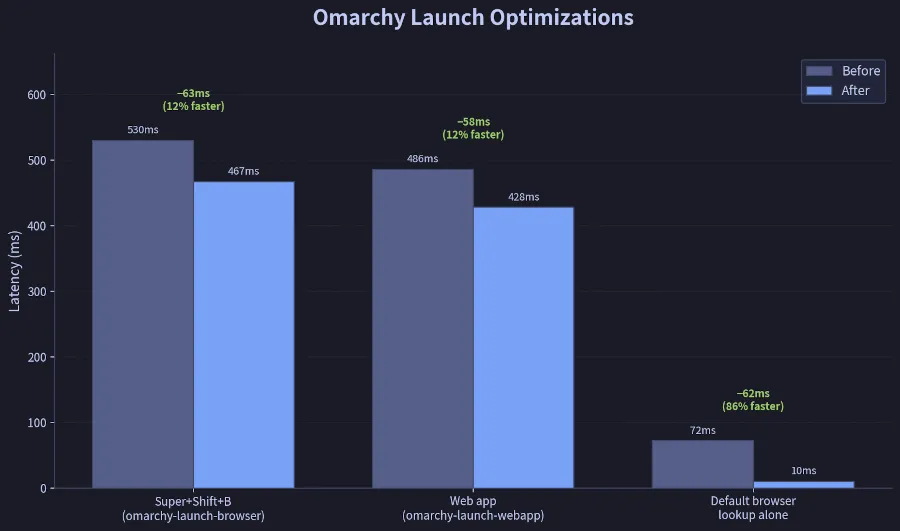
The Omarchy Arch-based distribution has achieved measurable browser startup improvements by eliminating XDG specification overhead, demonstrating gains in application launch speed without sacrificing functionality. The optimization exemplifies ongoing efforts in the open-source community to reduce software bloat and improve baseline system responsiveness.
In Brief
TikTok bans Musk documentary account — Platform permanently suspended the account of Alex Gibney’s Musk film just ahead of wider theatrical release, citing unspecified violations. [The Verge]
Compiled from the configured RSS feed.