
Tech News Roundup — October 17, 2026 (NOON)
A dangerous new smartphone attack bypasses user interaction entirely. Apple cracks down on deepfake creation tools with explicit App Store rules. Major OS vendors ship incremental but meaningful improvements—Windows gains a redesigned Search experience with inline actions, and Linux 7.3 approaches release with performance refinements.
Zero-Click Smartphone Malware via Ads

AdFection attack lets malware spread just by viewing ads. Security researchers have discovered a new infection technique called “AdFection” that infects smartphones and PCs through online advertising without requiring any user interaction—no clicks, no downloads, no action at all. Smartphones were once considered safer because users had to actively click malicious links to be infected, but this attack completely eliminates that protection layer. The technique exploits how devices process ad content, spreading infection to both Android and Windows devices through compromised ad networks.
Apple Tightens App Store Rules Against Deepfake Tools
Apple explicitly bans “nudify” apps creating non-consensual intimate images. Following sustained criticism and enforcement action, Apple has updated its App Store guidelines to more explicitly prohibit so-called “nudify” apps that generate intimate images of people without consent using AI tools. The move comes after high-profile abuse cases: X users leveraged Grok earlier in 2026 to create nonconsensual deepfakes, including of minors. While Apple did not remove X or Grok from the App Store despite public calls to do so, it claims to have threatened removal and has now taken direct action against dedicated nudify apps. A San Francisco city attorney ordered Apple to remove 13 nudify apps in July, a process Apple says it completed.
Windows 11 Gains Overhauled Search and File Explorer Shortcuts
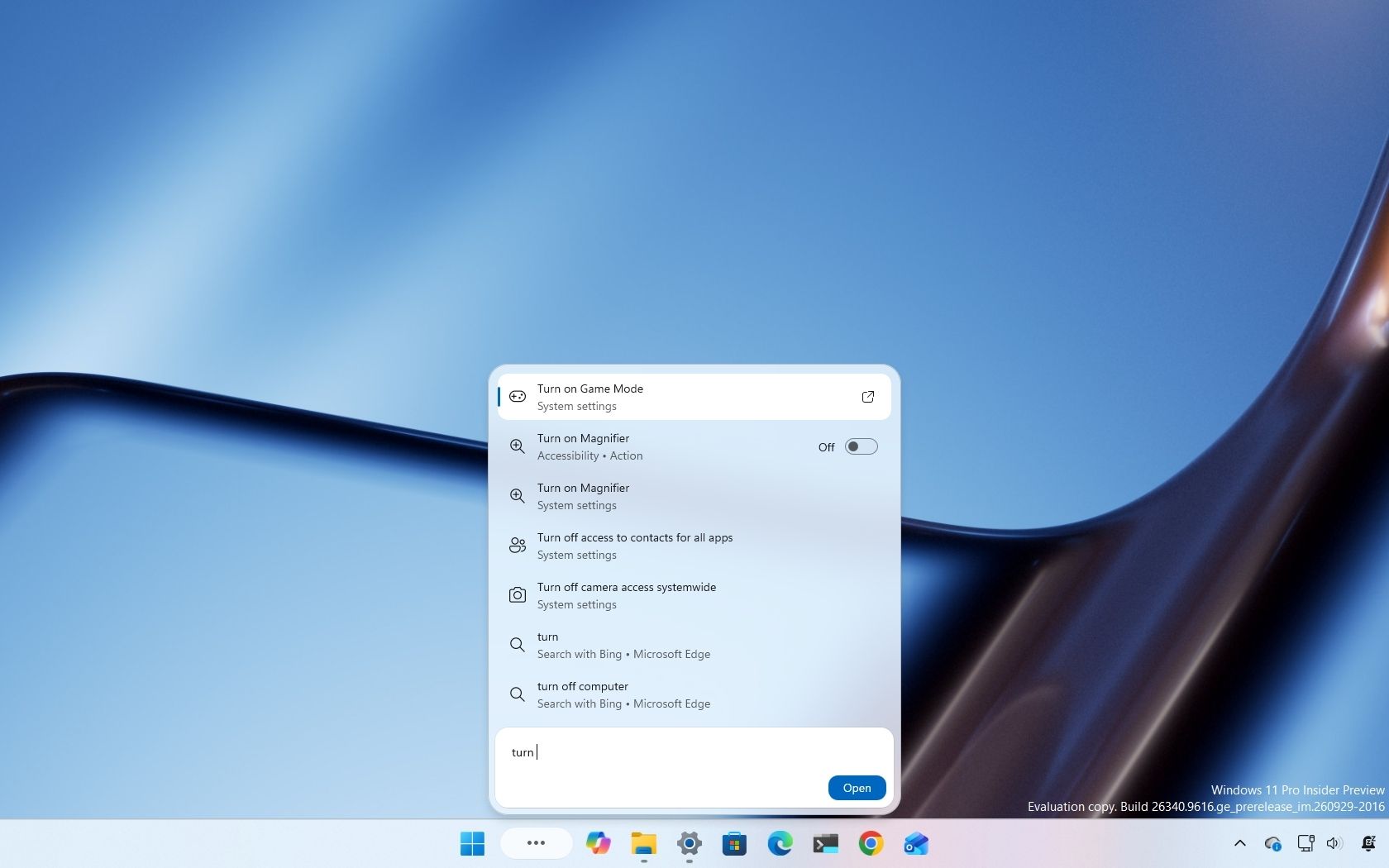
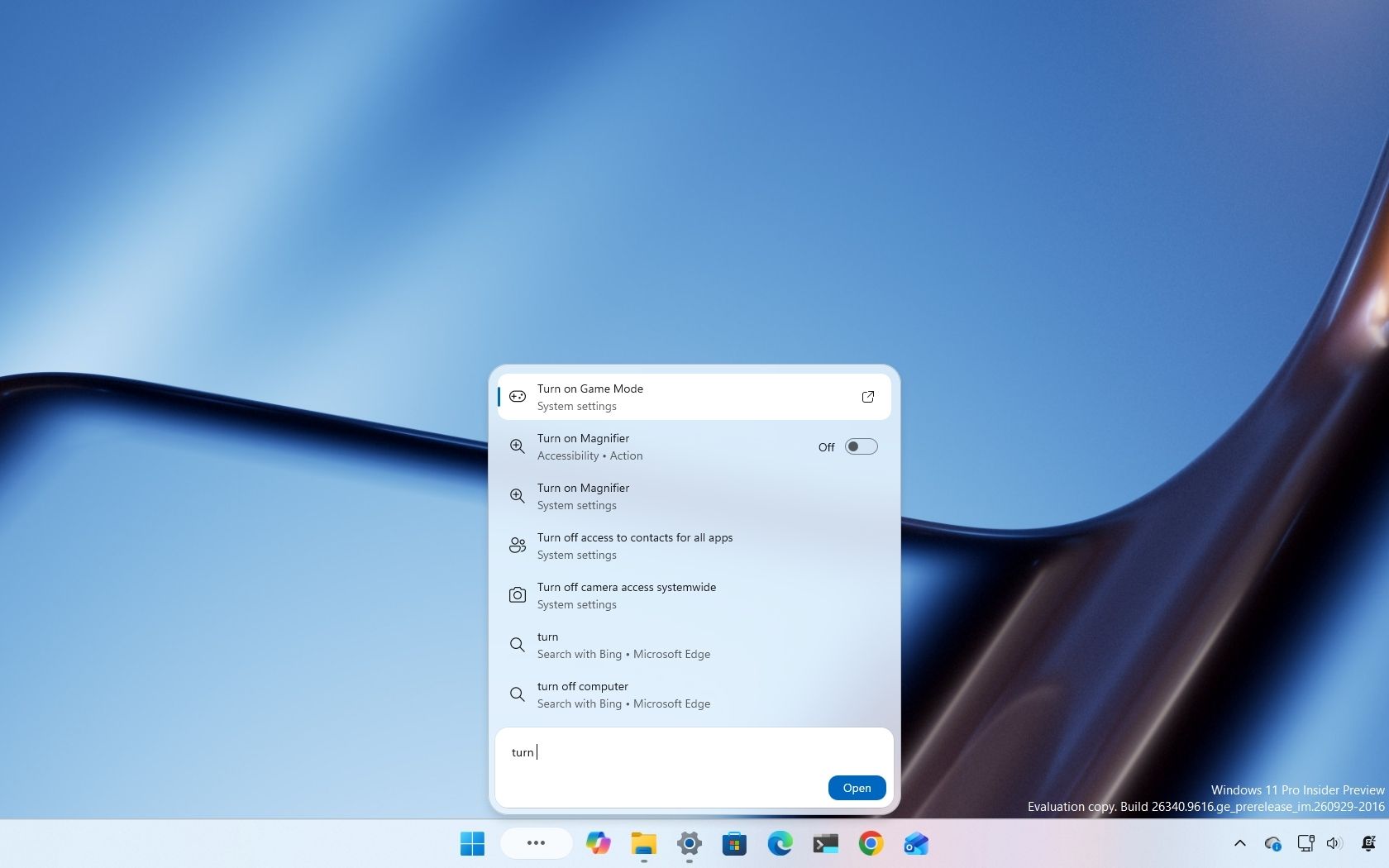
Windows Search redesign makes everyday tasks faster with inline actions. Microsoft’s Windows Insider Program releases in early October introduced a completely redesigned Windows Search experience using WinUI 3, aimed at improving speed and reducing memory use. The interface now features inline actions that let you perform common tasks directly from the search box—enable Bluetooth, toggle dark mode, adjust brightness, arrange windows, and more without leaving the search field. The search also improves handling of typos and synonyms, understanding your queries more naturally. In File Explorer, Microsoft added support for the ~ character to quickly open your profile folder (e.g., typing ~\AppData goes directly to AppData), plus improved view customization that stays consistent across different access paths. The company also began rolling out Battery Status widgets to track PC and peripheral battery levels, and Cloud Rebuild gained a new “Remove & sanitize files” option for secure data erasure before OS reinstallation.
Linux 7.3 Release Arrives With Performance Improvements
Linux kernel 7.3 ships Sunday, October 18, with Valve and performance refinements. The Linux 7.3 kernel is officially scheduled for release on October 18 barring last-minute issues. This version includes notable performance improvements and enhancements driven partly by Valve’s contributions to ensure gaming and multimedia workloads run smoothly. The kernel continues the incremental refinement strategy that has made Linux a stable and responsive platform across servers, desktops, and embedded devices.
Vintage iPods Get Bluetooth and Spotify via Restoration Project
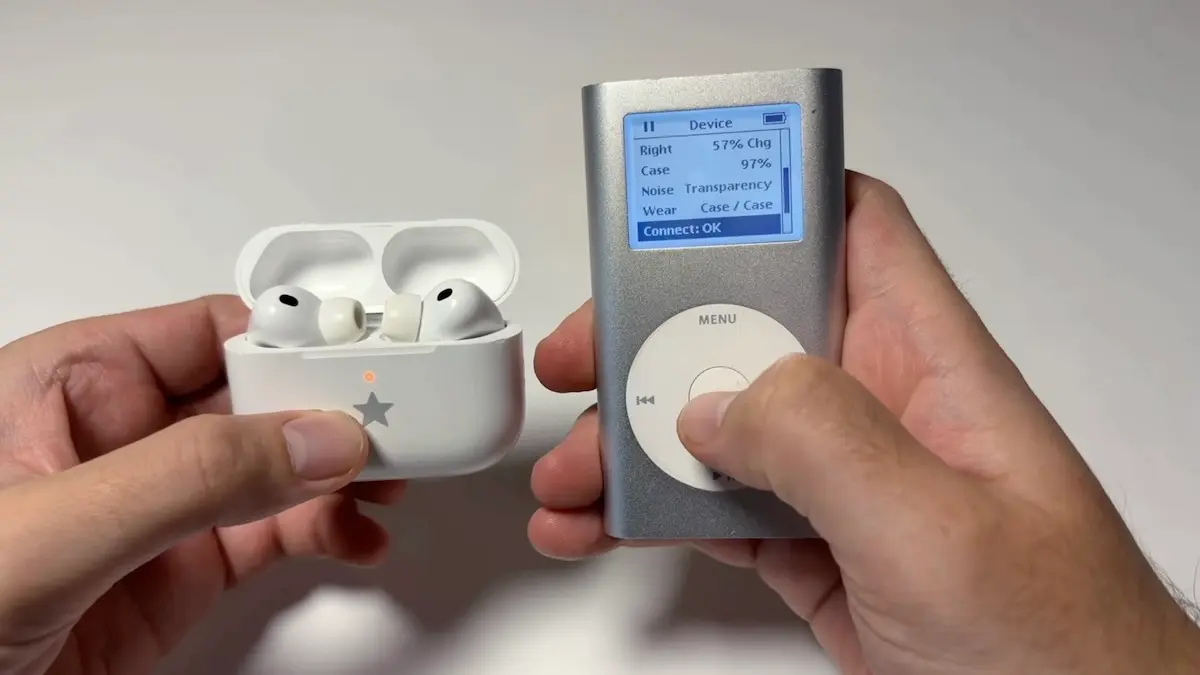
Project gives classic iPods Bluetooth, USB-C, and modern music streaming. A restoration project aims to bring classic iPods back to life by adding wireless connectivity and access to modern music services like Spotify, while preserving the iconic design and simple interface that made them beloved. The solution adds Bluetooth support, USB-C charging, and integration with contemporary streaming services, adapting the hardware to 2026 technology needs without losing the original aesthetic. For fans of Apple’s most iconic media device, the project offers a path to keep vintage iPods functional and relevant in an age of streaming.
Microrobots Promise to Reduce Cardiac Treatment From Weeks to Days
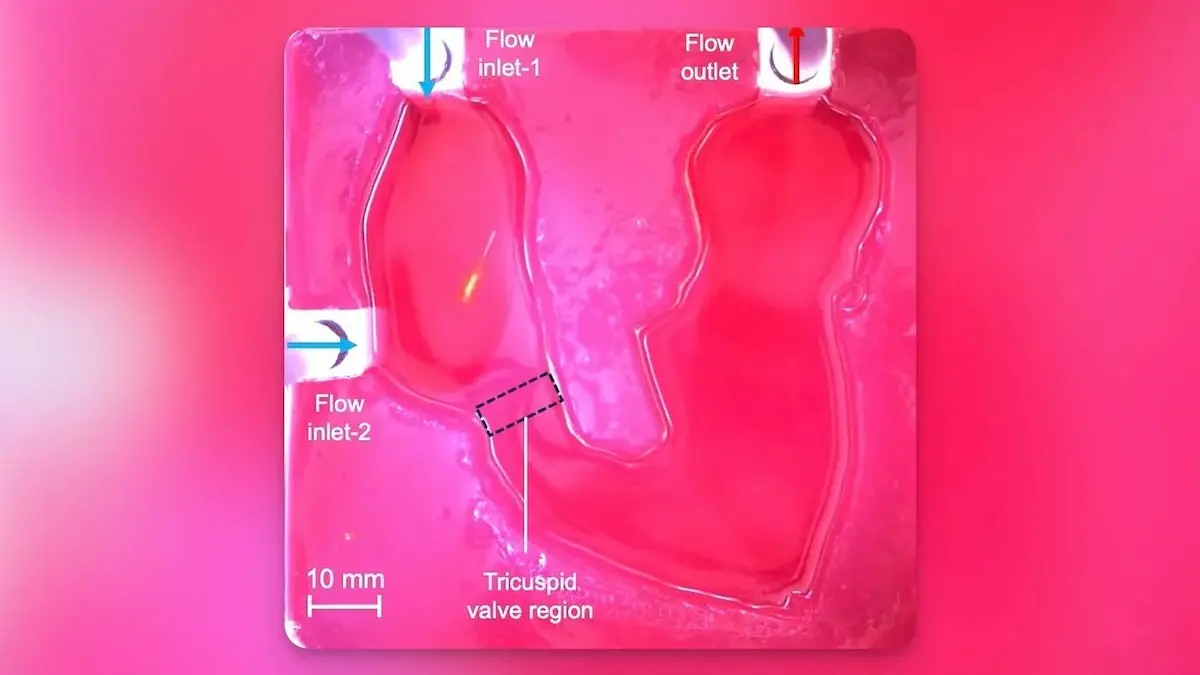
Johns Hopkins microrobots could slash cardiac infection treatment duration dramatically. Researchers at Johns Hopkins University have developed magnetic microrobots capable of carrying medications directly to affected heart tissue, potentially reducing treatment duration from weeks of intravenous antibiotics or open-chest surgery to just a single day. The innovation targets cardiac infections, using magnetic guidance to position microrobots precisely where needed, delivering therapeutics directly to the problem area. If clinical trials are successful, this approach could become a major advance in minimally invasive cardiac care.
Compiled from the configured RSS feeds.