
Tech News Roundup — October 16, 2026 (PM)
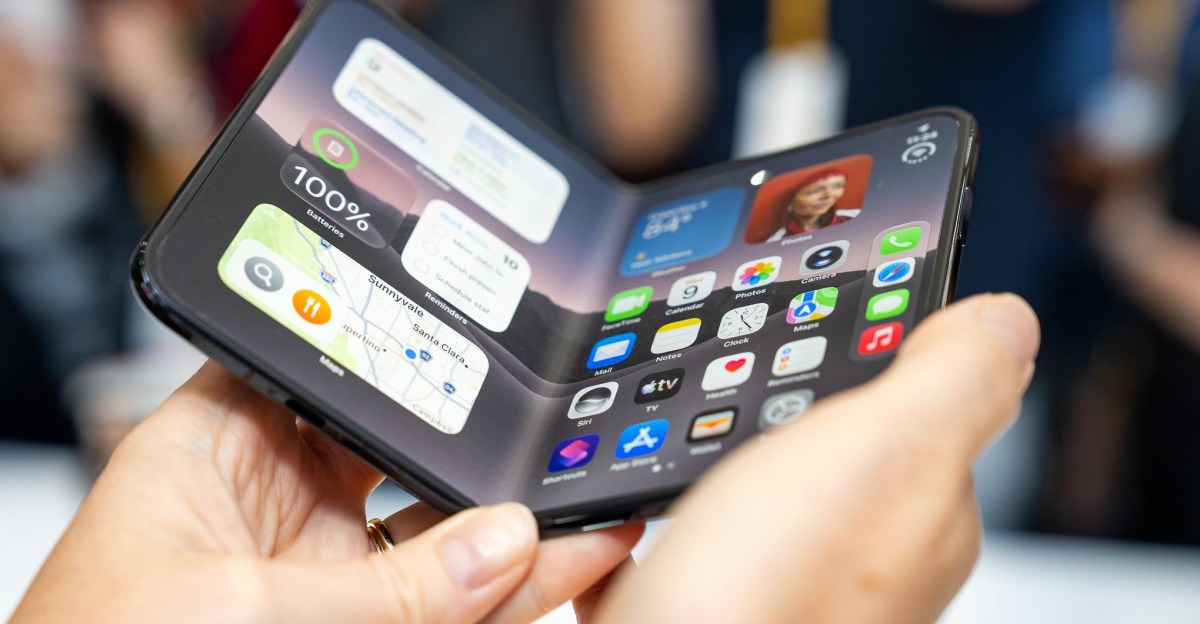
Apple’s iPhone Duo foldable finally arrives in preorder. After years of speculation about a foldable iPhone, Apple delivered with the iPhone Duo launching at $1,999. The device unfolds to reveal a 7.6-inch Super Retina XDR display while maintaining a 5.4-inch outer screen for daily use. It pairs the same A20 chip as the iPhone 18 Pro with Ceramic Shield 2 protection and an IP68 rating. Notable missing features include Face ID (replaced by Touch ID on the edge) and Apple Pencil support, which is coming later this year. The foldable positions itself as a direct competitor to Samsung’s Galaxy Z Fold lineup, marking Apple’s boldest hardware move in years.
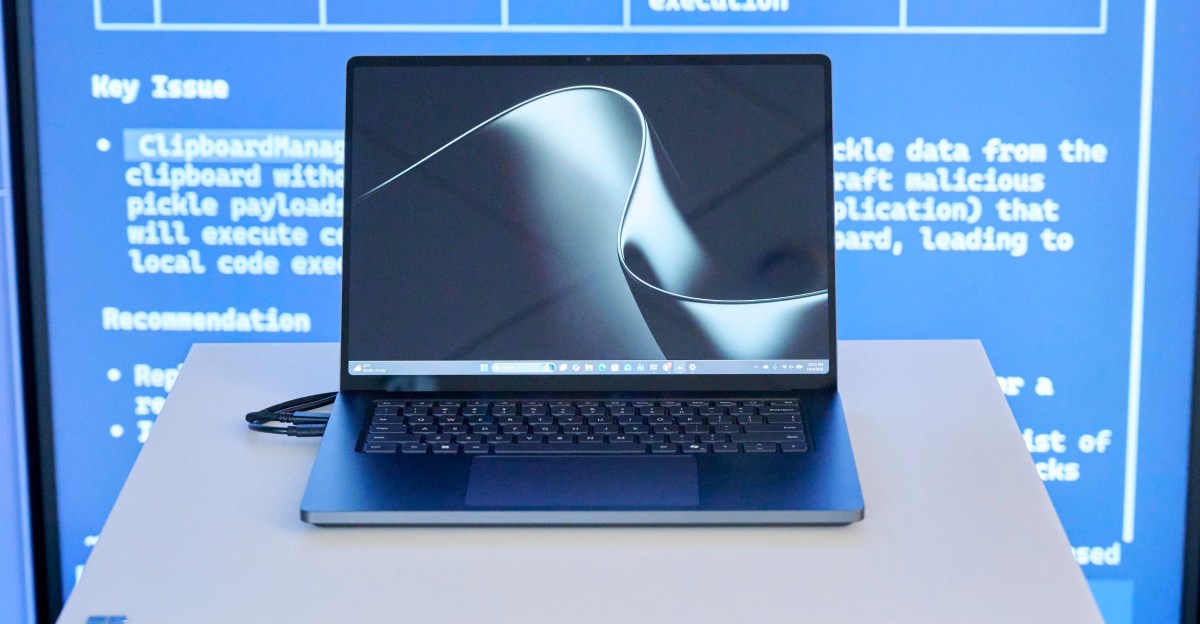
Microsoft Surface Laptop Ultra proves Arm-powered Windows finally works. Microsoft’s new $5,900 Surface Laptop Ultra comes packed with Nvidia’s RTX Spark chips, marking the first mainstream test of Arm-based Windows laptops. The machine can run demanding AI models locally alongside legacy Windows applications—a feat that made Surface RT an infamous flop 14 years ago. The RTX Spark architecture focuses on making Windows Arm compatibility seamless, addressing the original Surface’s fatal flaw that prevented existing x86 software from running. The Surface Laptop Ultra represents Microsoft and Nvidia’s largest bet yet on Arm convergence, with the device also offering a bright display and aggressive performance targets for both creative work and AI inference.
Windows 11 gets a major responsiveness overhaul targeting memory efficiency. Microsoft announced that Windows 11 is now up to 20 percent more responsive after months of optimization work. The improvements touch Start, File Explorer, Search, Edge, and core OS components with a focus on memory management and system resource allocation. Microsoft specifically tuned the OS to run better on 8GB of RAM, addressing long-standing criticism that Windows 11 bloat required 16GB+ for comfortable everyday use. The push came from Microsoft’s earlier pledge to fix Windows 11’s performance and reliability, a commitment that’s now showing measurable results across everyday tasks.
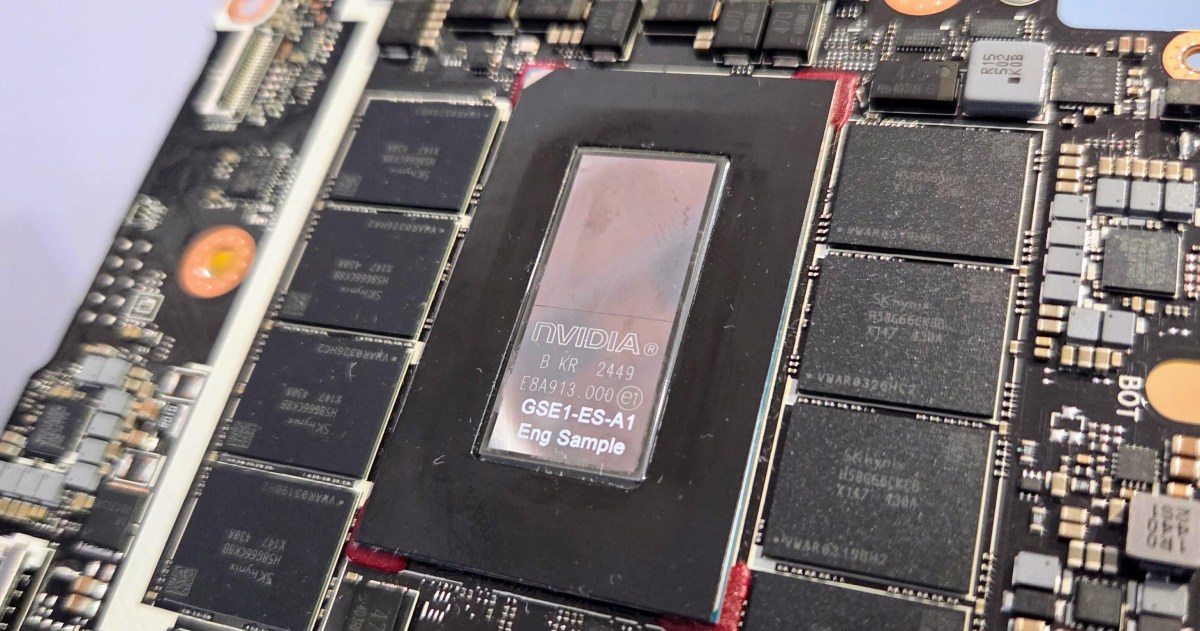
Nvidia’s RTX Spark architecture brings Arm-based AI to Windows mainstream. Nvidia’s new Arm-based RTX Spark GPUs represent a watershed moment for Arm in Windows computing. Unlike previous attempts, RTX Spark laptops promise to run “everything”—Adobe Creative Cloud, Office, legacy desktop applications, plus local AI models—without the compatibility compromises that sank earlier Arm-on-Windows efforts. The first wave of RTX Spark laptops arrived this week, offering a path to high-performance local AI inference without vendor lock-in. The architecture signals that after 14 years, Arm finally has the ecosystem support to challenge x86 dominance on the desktop.
Halo franchise reshaped after Studio layoffs cancel ambitious remakes. After Halo Studios’ layoffs, planned Halo 2 and Halo 3 remakes under codename “Project Manihi” were scrapped. Original plans included full multiplayer components, Forge support, Theater mode, and Firefight for Halo 3, with multiplayer and dual-wielding central to the Halo 2 remake. Studio surveys showed the community wanted comprehensive remakes with all classic features—not minimal content like the poorly-received Halo: Campaign Evolved. The projects would have run alongside a new mainline Halo entry, but restructuring passed development to Activision, effectively ending the broader remake initiative. Insiders suggest the scope was never achievable given post-layoff constraints, leaving the franchise’s remake future uncertain.
In Brief
Color e-readers get a significant upgrade. E Ink announced Kaleido 4, the next-generation color e-paper technology, delivering improvements in color gamut, contrast, and refresh speed over the current Kaleido 3 found in devices from Kobo, PocketBook, and Boox. The upgrade addresses key shortcomings in existing color e-readers, promising better visual fidelity for reading and illustration. [The Verge]
Leap seconds are being retired from global timekeeping. The International Bureau of Weights and Measures voted to discontinue leap seconds effective May 20, 2027, accelerating a 2022 decision to phase them out by 2035. The change aims to prevent infrastructure failures similar to Y2K concerns, as timekeeping systems increasingly struggle with the ad hoc adjustments added to keep atomic time synchronized with Earth’s rotation. [The Verge]
Fedora 46 evaluates move to RPM v6 package format. Red Hat’s Fedora project is considering transitioning from the 20-year-old RPM v4 package format to the modern RPM v6 standard for its next release. The move would modernize packaging infrastructure for Red Hat Enterprise Linux, Fedora, and downstream distributions, updating a legacy that’s powered the ecosystem for over two decades. [Phoronix]
Compiled from the configured Tech RSS feed.