
Tech News Roundup — October 16, 2026 (AM)
The tech landscape continues to shift toward AI-first computing as major platform updates roll out. OpenAI extends ChatGPT’s browser capabilities, NVIDIA launches its new RTX Spark platform targeting local AI workloads, and gaming platforms introduce developer-friendly features.
AI Assistants Gain Deeper Browser Integration
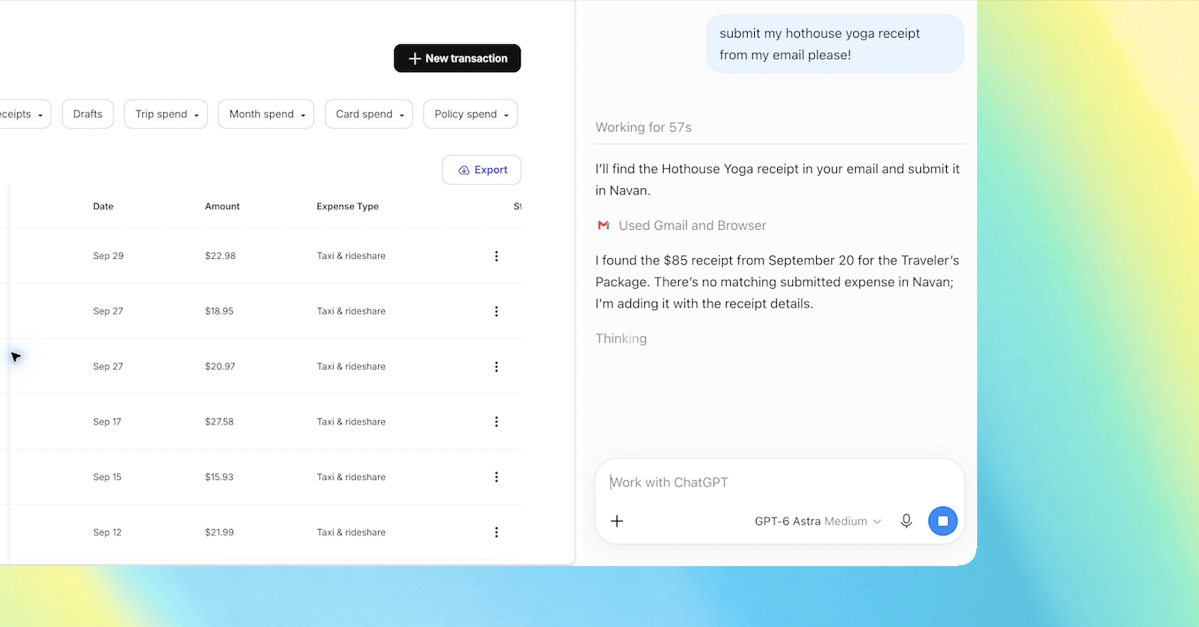
ChatGPT’s Chrome Extension Now Accesses Your Open Tabs. OpenAI has upgraded its ChatGPT Chrome extension to view and interact with the browser tabs you have open. When the extension is installed, users can tag Chrome within ChatGPT’s web or desktop app, and ChatGPT can then examine the content across multiple tabs simultaneously. OpenAI demonstrated the capability with a request to compare sofas across three different shopping tabs, showing practical applications for research, comparison shopping, and content analysis without manually copying and pasting information.
NVIDIA RTX Spark Launches with Focus on Local AI Performance
NVIDIA’s New RTX Spark Platform Ships in Consumer Laptops Starting October 16. Early reviews of NVIDIA’s RTX Spark superchip reveal a platform engineered primarily for AI workloads rather than traditional gaming performance. The platform combines an 18-core ARM CPU, discrete GPU, and up to 128GB of unified memory—designed to run large language models and AI applications locally on the device. Reviewers from Windows Central, Tom’s Hardware, and HotHardware praised the platform’s breakthrough AI inference capabilities, with particular emphasis on its ability to execute complex AI models without cloud connectivity. Gaming performance ranks as secondary; the platform handles AAA titles adequately but prioritizes developer and creative workloads. Microsoft Surface Laptop Ultra, ASUS ProArt P14/P16, Dell XPS 16, HP OmniBook X, and Lenovo Yoga 9n models ship with RTX Spark options starting at prices ranging from $2,599 to $3,799.
Gaming Platforms Refine Developer and Player Features
Valve Introduces Achievement Sets to Organize Steam Game Progress. Valve is rolling out a new “achievement sets” feature that lets game developers group achievements by base game, DLC, and expansions. Rather than displaying a flat list of hundreds of achievements, players now see organized sets with individual progress bars and completion trophies for each category. The feature launches immediately for developers to implement; players earn achievements through normal gameplay, but the post-play browsing experience becomes significantly more navigable. Combined with earlier Xbox app improvements on Windows, the gaming ecosystem is increasingly focused on making progression visible and rewarding across multiple platforms.
AR Glasses Expand Market Footprint in Europe

Ray-Ban Meta Smart Glasses Launch in Portugal. Meta and Ray-Ban’s collaboration brings AR-enabled eyewear to the Portuguese market, offering multiple colorways and styles at consumer-accessible price points. The glasses include integrated cameras, spatial audio, and real-time translation features powered by Meta’s AI stack. The Portugal launch represents the continued international expansion of Ray-Ban Meta—once an experimental product, now widely distributed across European and global markets.
Autonomous Driving Advances with Processor Partnerships

Volvo Adopts NVIDIA Technology for Hands-Free Urban Autonomous Driving. Volvo will integrate NVIDIA’s autonomous driving platform into its EX60 vehicles, enabling Level 2+ hands-free, point-to-point urban driving capabilities. The partnership brings NVIDIA’s DriveOS software stack and AI compute to Volvo’s vehicle architecture, allowing the vehicles to autonomously navigate city streets with minimal driver intervention. This marks a significant automotive OEM commitment to NVIDIA’s autonomous driving vision, competing with Qualcomm and other chipmakers vying for automotive AI supremacy.
Linux Ecosystem Advances with Steam Client Modernization
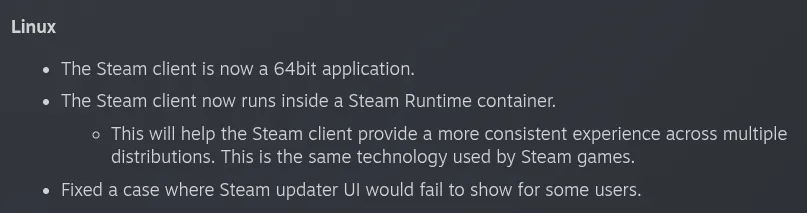
Steam Linux Client Officially Transitions to 64-bit Architecture. Valve released a major Steam beta update that converts the native Linux Steam client from 32-bit to 64-bit, aligning with industry trends and enabling access to modern libraries and performance optimizations. The shift removes legacy 32-bit dependencies and positions Linux gaming to leverage contemporary CPU architectures without emulation overhead. This milestone reflects Steam’s ongoing commitment to the Linux gaming ecosystem, particularly as Proton compatibility layers continue to expand the Windows game library accessible on Linux.
In Brief
- Withings Health Monitoring Moves Behind $100/Year Subscription — Withings announced a new $100 annual subscription to sync health data from its wearables to third-party fitness apps, restricting data portability to paid users.
Compiled from the configured RSS feed.