Tech News Roundup — October 15, 2026 (PM)

Grand Theft Auto VI is arriving in just over a month with a fresh launch trailer from Rockstar Games, meanwhile wearable hardware gets smarter with brighter AR glasses and Microsoft expands its presence across operating systems.
GTA VI Launch Trailer Sets the Stage
Rockstar Games released its final marketing trailer for Grand Theft Auto VI, giving players another preview of the Miami-set sequel arriving next month. The 90-second clip, captured entirely on PlayStation 5, emphasizes the game’s electronic vibe with a new score from French electronic duo Justice. The trailer doesn’t reveal major new gameplay details but reinforces the game’s music-forward direction—consistent with past GTA titles that have emphasized licensed soundtracks and in-game radio stations.
AR Glasses Jump to 1200 Nits—the Brightest Yet
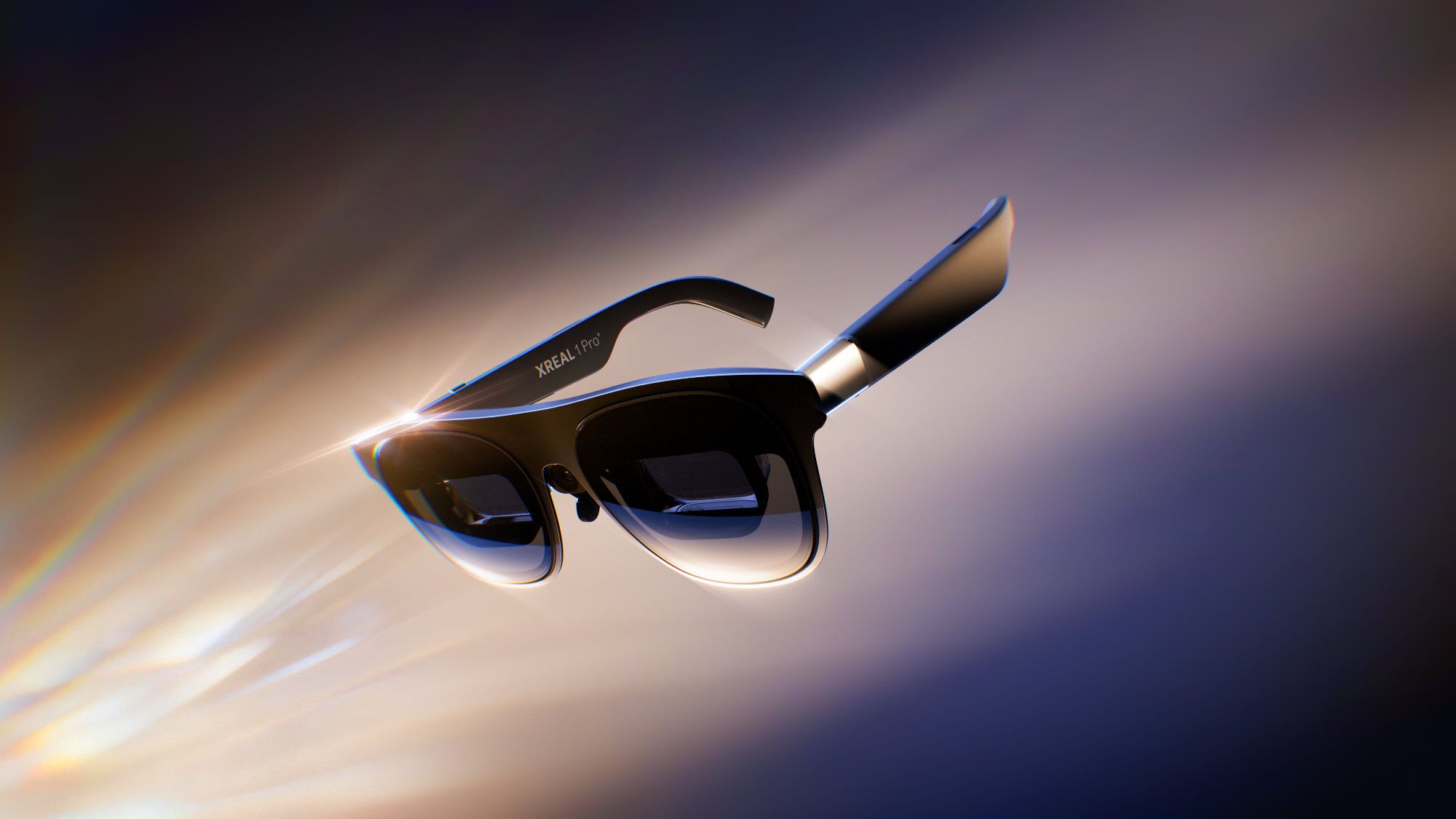
XREAL announced the XREAL 1 Pro+, a meaningful upgrade to the best-reviewed consumer AR glasses on the market. The headline improvement is a jump in brightness from 700 nits to 1,200 nits—critical for AR glasses that compete with outdoor ambient light. The glasses retain the 57-degree field of view and 3DoF (three degrees of freedom) spatial tracking of the previous model but add AI HDR enhancement for improved color and contrast, a more responsive 2D-to-3D conversion engine (refreshed from 30Hz to 60Hz), and a redesigned nose pad for comfort during extended wear. Pricing starts at $599.
Xbox Shrinks Its Controller to Pocket-Sized
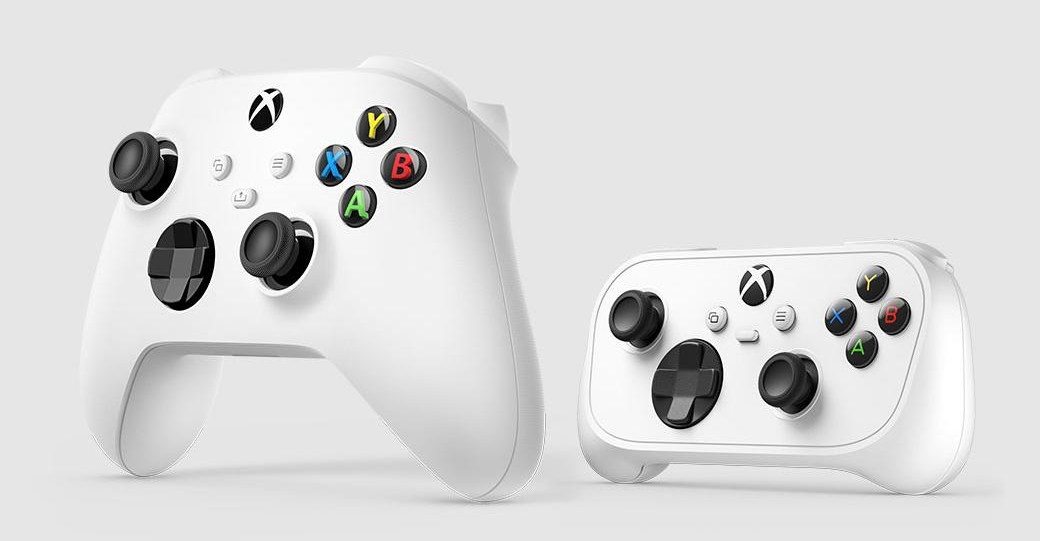
Microsoft officially launched the Xbox Nano Controller, a compact gamepad engineered for smaller hands and on-the-go play. At just over five inches long—shorter than most smartphones—the Nano retains all standard Xbox buttons and dual-stick layout while supporting Xbox Wireless and Bluetooth connectivity to consoles, phones, tablets, and PCs. The $49.99 controller includes rechargeable batteries and is positioned as Microsoft’s most portable controller option to date.
Apple Expands Smart Home Ambitions with HomeView
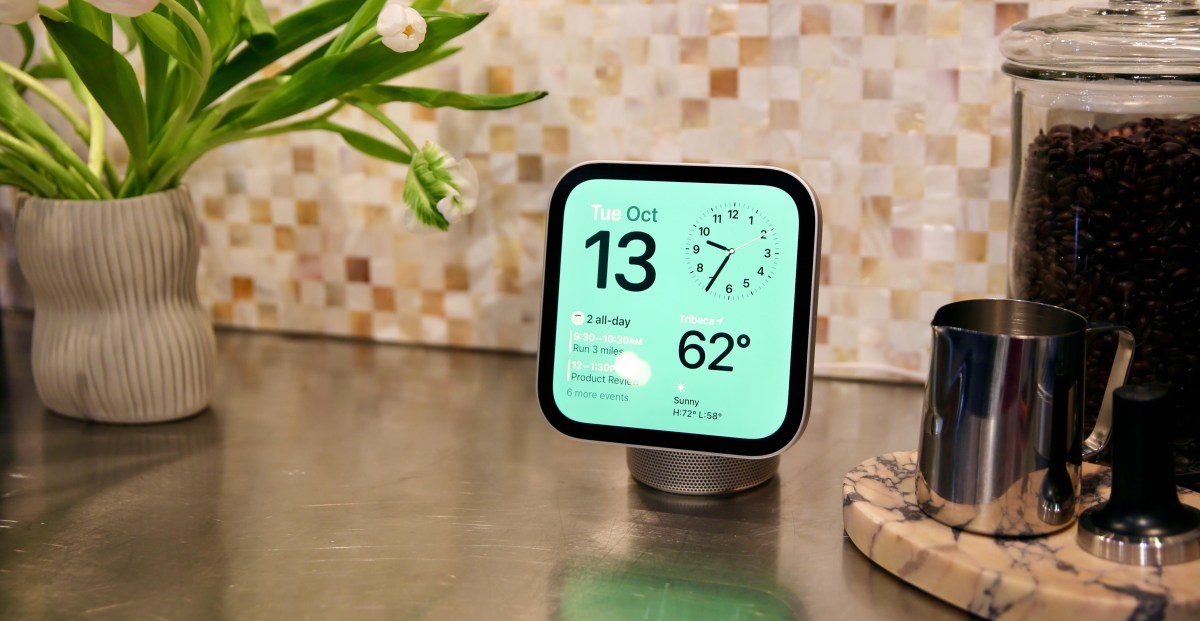
Apple released HomeView, a new smart display designed as the centerpiece for home automation. The 7-inch display emphasizes ease of use and visual simplicity, positioning itself as an accessible entry point for home control. HomeView pairs with the refreshed HomePod mini (2026 edition), signaling Apple’s renewed commitment to the smart home market after a relative lull in device innovation. Both devices integrate deeply with HomeKit and Apple’s broader ecosystem.
Halo 5 Comes to PC Through Community Project

Halo 5: Reforged, an unofficial community-driven port of Halo 5: Guardians, is bringing Microsoft’s flagship shooter to PC after more than a decade on console exclusivity. The project represents a larger trend in gaming where players are reclaiming beloved titles on modern platforms. Simultaneously, the indie studio House House (behind Unpacking) announced that its upcoming game Big Walk will skip Xbox platforms entirely, citing BDS concerns about Microsoft’s involvement with Israel. The double move underscores shifting dynamics in gaming distribution and developer ethics.
Microsoft Defender Arrives on Linux Desktop
Microsoft released Microsoft Defender for Endpoint as a native client for Linux desktop environments, marking a major expansion of the security vendor’s cross-platform strategy. The move brings threat detection, vulnerability scanning, and behavioral analytics to Linux workstations—traditionally a blind spot for enterprise endpoint security. Bundled alongside the latest Ubuntu 26.10 release (shipping with Linux kernel 7.3, GNOME 51, and complete Rust-based coreutils), the combination signals enterprise demand for unified security across heterogeneous operating systems.
Android Reads Your Private Messages—To Protect You

Google announced that Android will deploy on-device AI to analyze private messages and detect threats, offering users real-time protection against malicious links and phishing attempts without sending message text to Google’s servers. The feature represents a privacy-conscious approach to mobile security—leveraging machine learning inference directly on the device rather than transmission and analysis in the cloud. All processing occurs locally, preserving user privacy while improving threat visibility.
Compiled from the configured RSS feed.