Tech News Roundup — October 14, 2026 (NOON)

Apple introduced HomeView, its new smart display for coordinating family life. Gears of War: E-Day launches with polished action gameplay. Developer tools advance with Intel’s ISPC compiler, while container infrastructure challenges persist amid geopolitical tensions affecting tech platforms.
Apple HomeView Smart Display
Apple Unveils HomeView Amid Household Chaos. Apple’s new HomeView smart display arrives with an unconventional marketing campaign that depicts family mornings as controlled chaos — unruly, fast-paced, and resonating with parents juggling multiple responsibilities. The device aims to centralize family coordination and household management, with the advertising strategy deliberately breaking Apple’s typical minimalist aesthetic to connect with real-world household complexity.
Gaming: Gears of War Reboot Launches
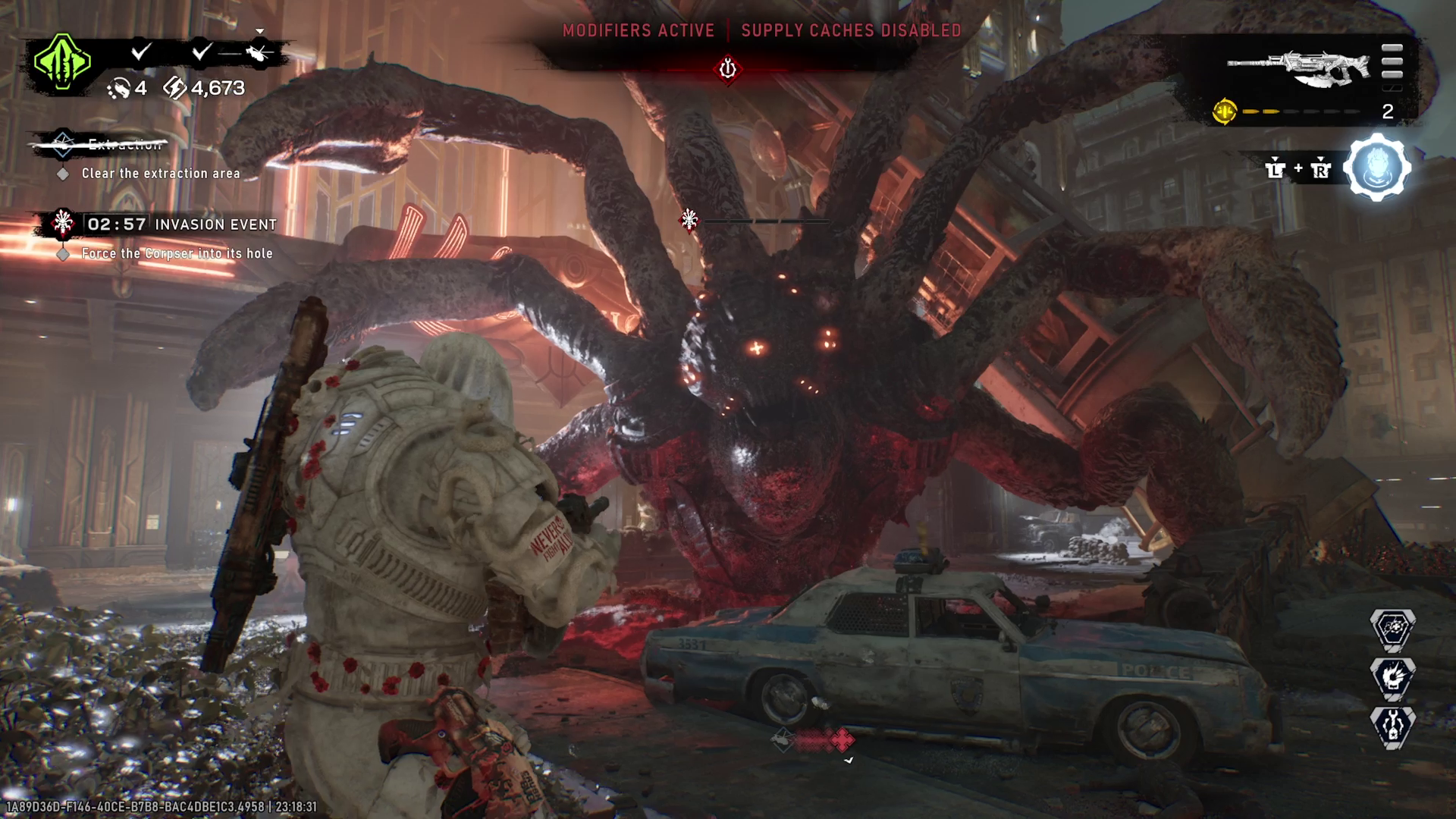
Gears of War: E-Day Delivers Strong Action Experience. The latest Gears of War title, Gears of War: E-Day, launches with impressive visuals and satisfying combat mechanics. While the game shows some minor imperfections in pacing and narrative, it successfully represents the series as a flagship action-game franchise for Xbox and establishes a new direction for the iconic IP.
Developer Tools: Intel ISPC Compiler Update
Intel Releases ISPC 1.32 with Extended Instruction Set Support. Intel’s ISPC (Intel SPMD Program Compiler) reached version 1.32 with critical additions: AVX10.2 and APX instruction support. The update importantly extends compatibility to AMD Zen 6 processors, breaking traditional vendor lock-in for vectorized code and enabling developers to write once, compile for multiple architectures.
Cybersecurity: Russian Disinformation Networks Persist
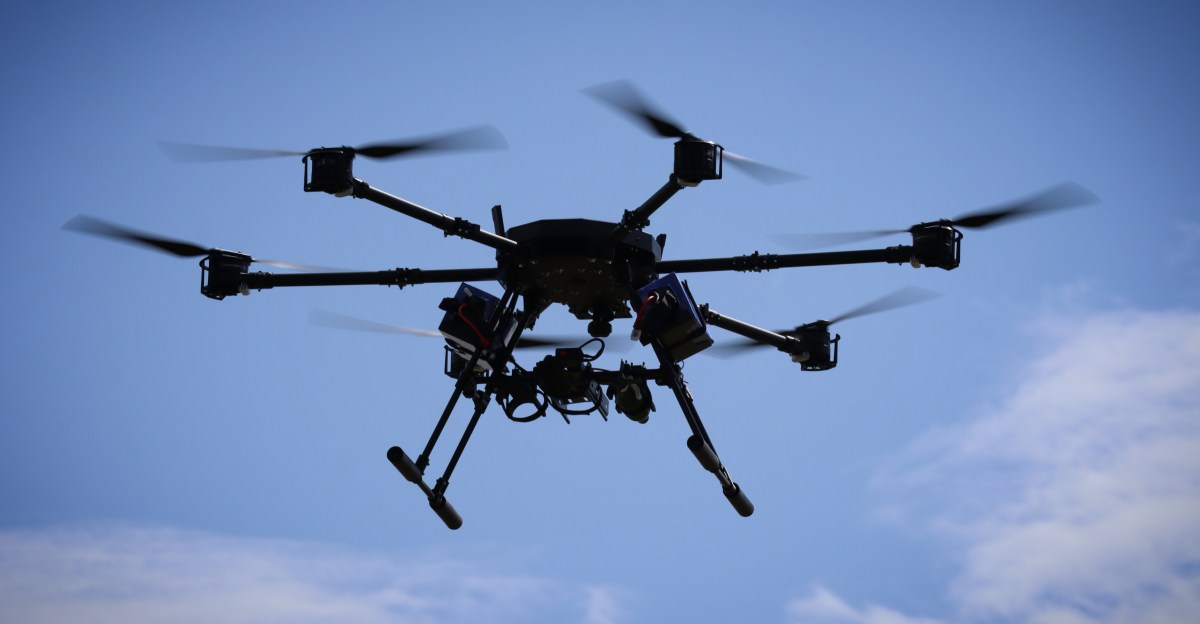
Yandex Outage Exposes Scale of Russian Bot Farming Operations. Following Ukrainian drone strikes on Yandex infrastructure in Moscow, Russian state-backed bot farms continue operating and spreading disinformation despite the disruption. Analysis reveals the vast scale and automation of these influence operations — a concerning indicator of how persistent and resilient such networks have become even under physical infrastructure attacks.
Graphics & ML: Mesa Adds AI Acceleration
Mesa Library Expands GPU Support for Machine Learning. The Mesa graphics library, a cornerstone of open-source graphics, added support for YOLOX object detection models via PyTorch. The expansion enables neural processing unit (NPU) acceleration on commodity GPU hardware, making GPU-accelerated machine learning accessible to developers using open-source graphics stacks.
In Brief
Google Dorks Expose Search-Indexed Secrets. Pplware published a deep-dive into advanced Google search operators (Google Dorks) that reveal sensitive information—credentials, backup files, admin panels—inadvertently indexed by search engines. These techniques are essential knowledge for security professionals and system administrators defending against information leakage.
Docker Address Pool Exhaustion Breaks Container Networking. Docker users encountered critical networking failures when predefined address pools become fully subnetted, preventing new container launches. The issue affects Dockhand and Portainer, with documented workarounds for diagnosing and resolving the subnet depletion.
Compiled from the configured RSS feed.