Tech News Roundup — October 13, 2026 (NOON)
Tech automation is accelerating across retail, device longevity, and even the Linux kernel itself. This NOON edition tracks robots on supermarket shelves, old smartphones getting a second life through custom Android, and Google’s bold bet that Android-based laptops can compete with Windows.
Automation: Robots Now Restocking Shelves in European Supermarkets
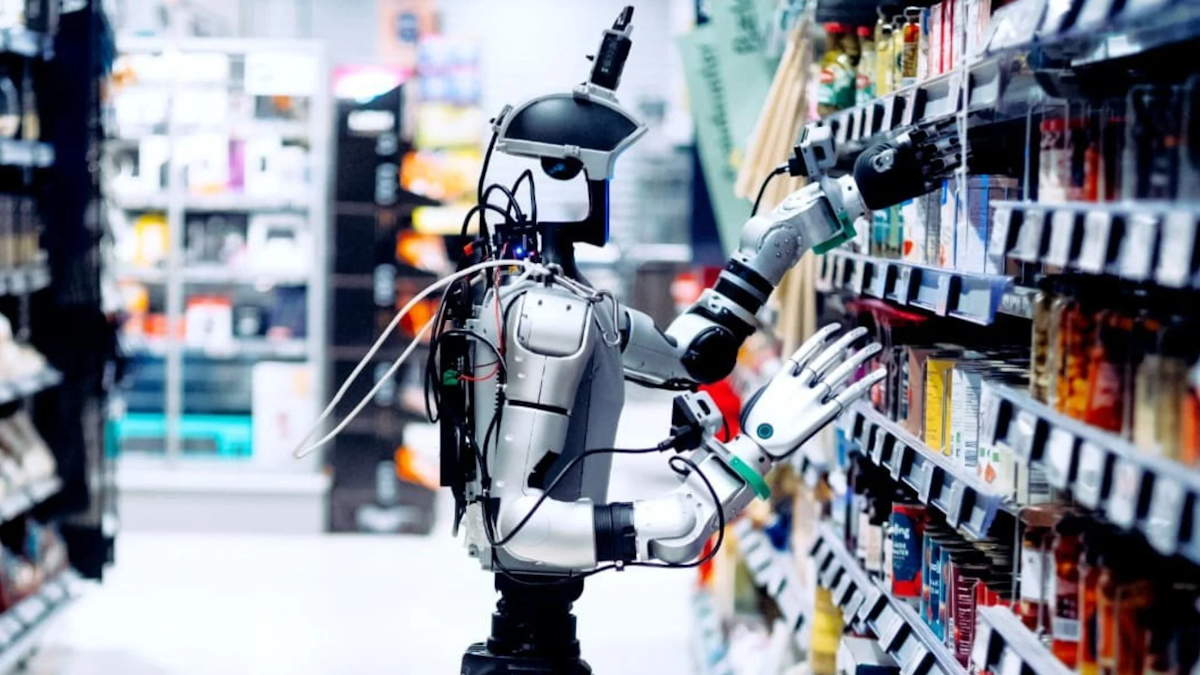
Retail automation enters practical phase as humanoid robots hit store shelves. In a Føtex supermarket chain location near Copenhagen, Unitree’s Hive Robots are now autonomously restocking products on shelves overnight. The breakthrough is significant because it marks the first meaningful deployment of general-purpose humanoid robots in actual retail environments, moving beyond research labs and pilot programs. The Chinese manufacturer’s AI-powered robots can navigate store aisles, identify shelf locations, and place items with minimal human oversight—essentially solving one of retail’s costliest labour problems.
Mobile: LineageOS 24 With Android 17 Revives Legacy Smartphones
Custom Android 17 breathes new life into phones gathering dust in drawers. The LineageOS project has released version 24, built on the brand-new Android 17, and it’s coming much faster than usual—catching many in the community by surprise. The custom ROM lets users upgrade older, unsupported smartphones to the latest Android version, addressing both the longevity crisis (where older phones lose security updates) and reducing electronic waste. With LineageOS 24 backing Android 17, devices that would otherwise be retired now have years of usable life ahead, a win for both sustainability and users who can’t afford annual phone replacements.
Computing: ASUS Googlebook 14 Brings Android to Premium Laptops
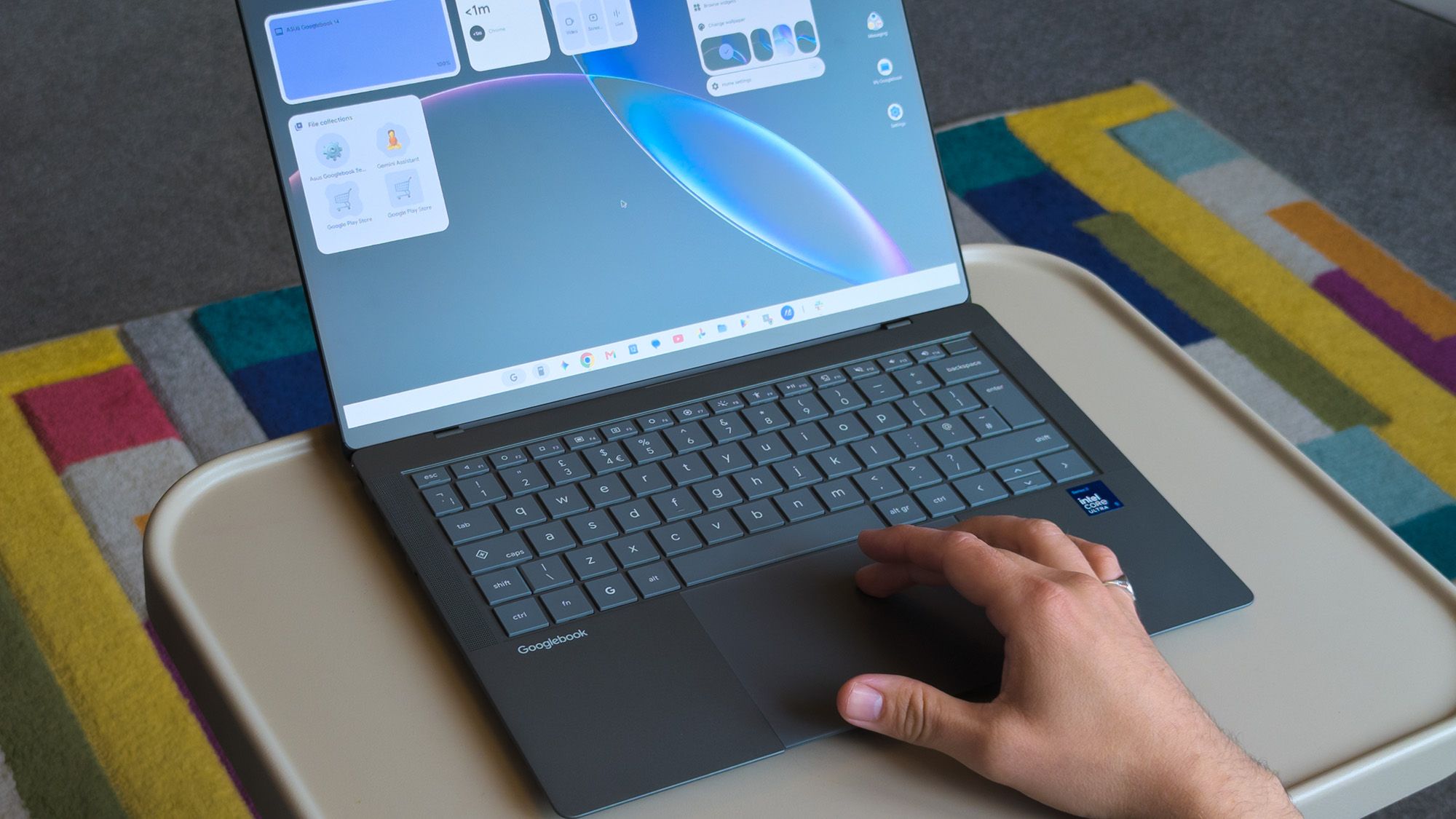
Google’s Googlebook OS on a $1,299 ASUS laptop challenges Windows dominance—with mixed first impressions. Google announced its premium “Googlebooks” in September as a counterpart to budget Chromebooks, partnering with OEMs like ASUS to build Android-powered laptops. The ASUS Googlebook 14 features impressive hardware: a 0.97 kg magnesium-aluminum chassis, OLED 16:10 display rated for 450 nits and 100% DCI-P3 colour coverage, and haptic touchpad. However, early testing reveals significant friction on the software side—Caps Lock defaults to a context menu (need Fn to actually capitalize), no Delete key, app compatibility issues (Slack isn’t available as a native app, forcing the web version), and Microsoft Edge crashes the entire system. While the hardware rivals ASUS’s Zenbook line, Googlebook OS’s limitations leave questions about who will adopt Android for serious laptop work when Windows and macOS remain more feature-complete.
Linux: Linus Torvalds Uses AI to Improve Kernel Code Clarity and Uncover Bugs
Linux’s creator embraces Claude AI to make complex kernel code more readable and finds lurking bugs in the process. Linus Torvalds has continued using Claude Code (an AI-assisted coding tool) this weekend, following his initial experiment using it to draft improvements to the Linux I/O subsystem. Beyond generating initial patches, the AI has helped him refactor cryptic code sections into more understandable implementations—and in doing so, the AI flagged long-standing bugs that human reviewers had missed. This marks a significant pragmatic shift: the famously skeptical open-source icon is now openly advocating for AI’s value in kernel development, specifically for making code more maintainable and surface hidden issues through fresh analysis. If the practise gains adoption in the kernel community, AI-assisted code review could become a standard tool for improving Linux’s security and maintainability.
Gaming: No Man’s Sky Confirmed for iPhone and iPad Launch
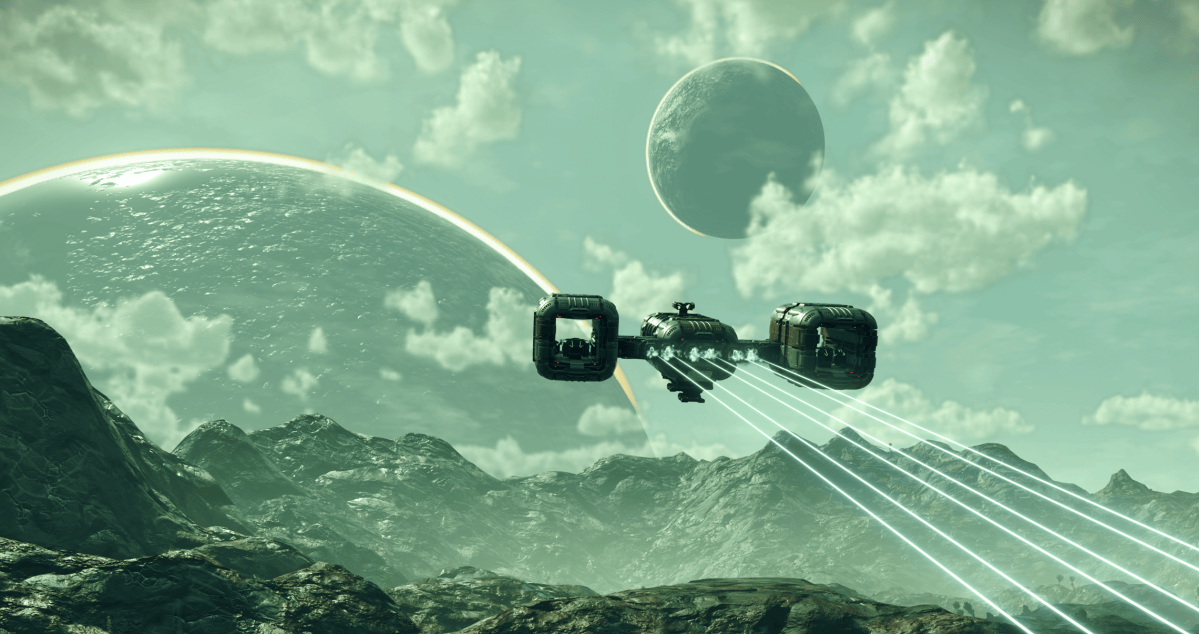
Massive space exploration game comes to iOS, expanding gaming options for Apple ecosystem. Hello Games has confirmed that No Man’s Sky—the sprawling procedurally-generated space exploration game that started as a niche indie title and has since amassed millions of players—will launch on iPhone and iPad. The port represents a significant engineering challenge given the game’s scale (billions of planets to explore) and the performance demands of real-time graphics, but iOS’s hardware improvements in recent years (Apple’s custom silicon) now make such demanding games feasible on tablets. The announcement opens the game to Apple’s vast installed base and is another sign that the mobile platform is closing the AAA gaming gap.
Compiled from the configured RSS feed.