
Tech News Roundup — October 12, 2026 (PM)
This afternoon brings major announcements across AI infrastructure, flagship phones, consumer hardware, and Apple’s smart home strategy. Microsoft’s push toward independence from GPU giants, OnePlus’s return to flagship ambitions, and Apple’s dedicated smart home event shape the week ahead.
Microsoft’s Maia 300 Redefines AI Economics

Microsoft announced its third-generation Maia AI inference chip, designed to reduce the company’s reliance on Nvidia GPUs for large-scale cloud deployments. The Maia 300 delivers 40 percent more tokens per megawatt compared to leading GPU-based systems and is optimized for reasoning models and agentic tasks. Production rollout begins in 2027. The chip reflects the broader industry trend of hyperscalers building custom silicon to lower inference costs and gain architectural flexibility—a strategy Google, Amazon, and Meta have pursued in parallel.
OnePlus 16 Delivers Premium Specs for the Chinese Market
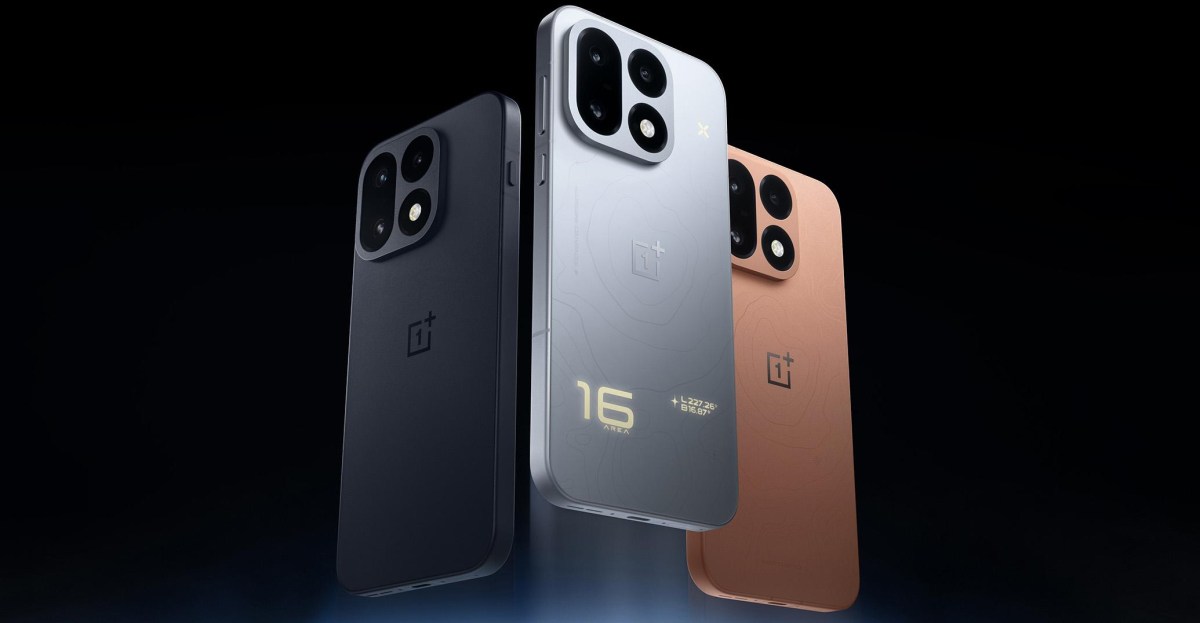
OnePlus launched the OnePlus 16 in China today—the company’s first flagship phone since exiting the US and European markets this summer. The 16 pairs a Snapdragon 8 Elite Extreme Gen 6 processor with up to 16GB of RAM and 1TB of storage. The standout feature is a 9000mAh silicon-carbon battery, one of the largest ever in an Android flagship, coupled with 100W wired and 50W wireless charging. The display is a 185Hz OLED panel, a major step up from prior OnePlus offerings. The hardware positions the 16 as OnePlus’s best phone in years—a bet that premium specs alone can win back flagship market share without a US presence.
HelixSR Mod Brings DLSS 3.7 to AMD Gaming Handhelds
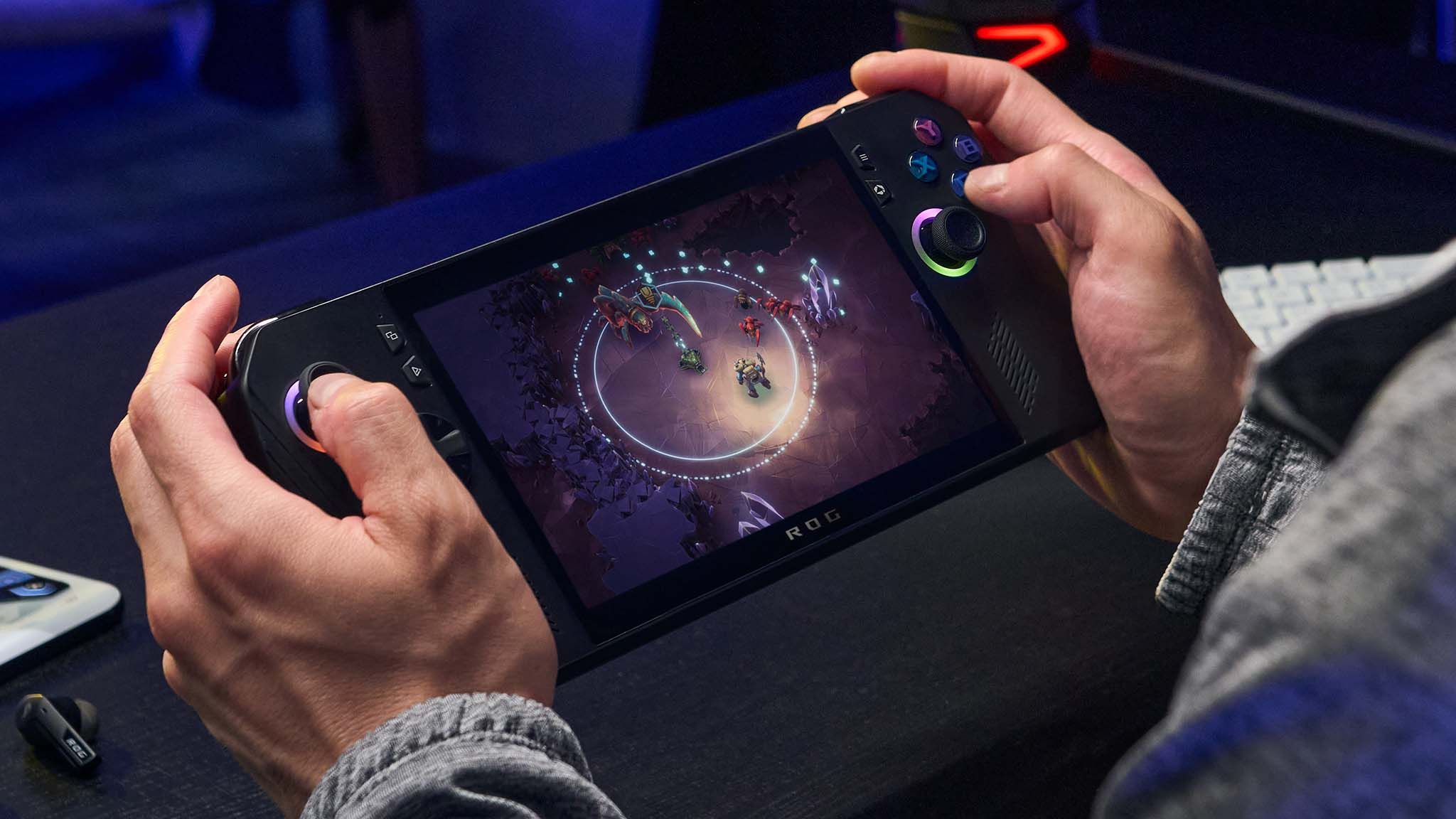
A community-developed mod called HelixSR has successfully enabled Nvidia’s DLSS 3.7 upscaling technology to run on AMD-powered handhelds including the ROG Ally X and Steam Deck. The trick: the mod convinces games that the AMD hardware is FSR 3.1-capable, allowing DLSS’s image reconstruction to run in its place. Early benchmarks show HelixSR consuming 7 milliseconds for 1080p upscaling versus 11 milliseconds for AMD’s native FSR 4, a meaningful improvement on power-constrained handhelds. Testing has shown 35–40 FPS in demanding games like Control on the Ally X at 1080p—up to locked 60 FPS at 720p. The mod is limited to DirectX 12 titles and requires the OptiScaler helper tool for games without FSR 3.1 support, but its existence proves the modding community continues to unlock capabilities Nvidia and AMD alone cannot deliver.
Fitbit Edge Splits the Difference Between Smartwatch and Fitness Tracker

Google officially launched the Fitbit Edge, a mid-tier fitness tracker positioned between the minimalist Fitbit Air and the full-featured Pixel Watch 5. The Edge sports a 46 percent larger OLED display than the aging Fitbit Charge 6, retaining a physical side button for interaction and adding notification support—the key feature for users who want to stay connected without committing to a full smartwatch. At 11.5mm thick, it’s slightly bulkier than the Charge 6, but the main upgrade is the replaceable battery, extending longevity compared to sealed wearables. The Edge represents Google’s acknowledgment that smartwatch fatigue is real and a significant segment prefers lightweight trackers with targeted smart features over all-in-one devices.
Nothing’s CMF Introduces Budget Wireless Speakers
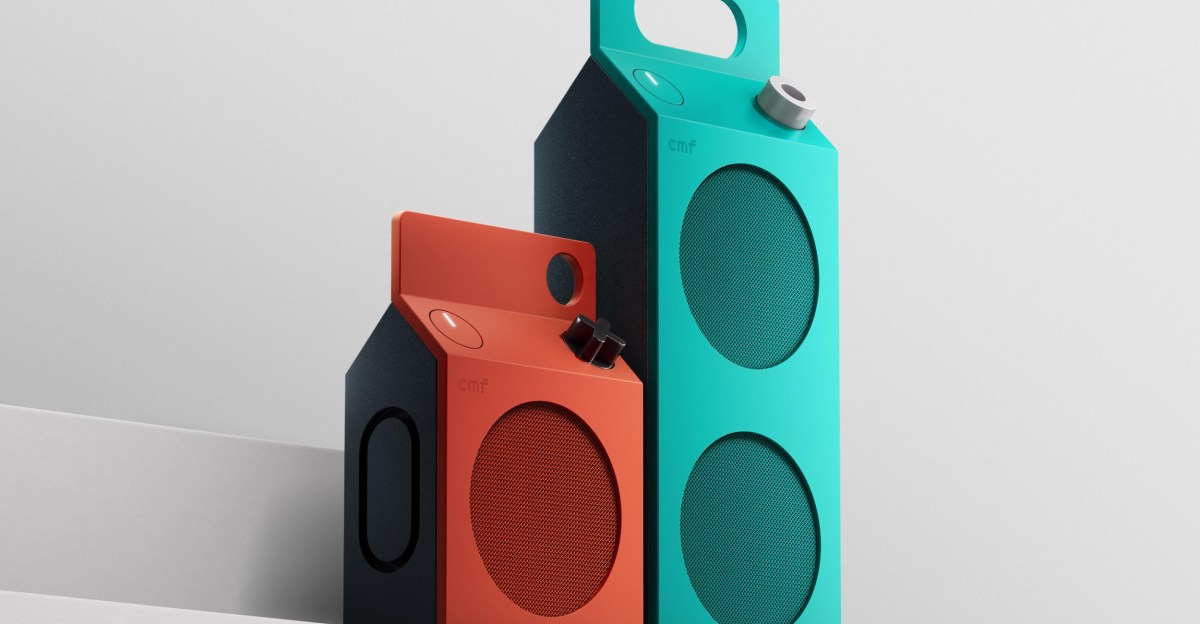
CMF, the budget sub-brand being spun off from Nothing, announced its first portable Bluetooth speakers—the Speaker M and Speaker S. The devices combine low pricing with distinctive modular designs and vibrant color options, a CMF trademark. The speaker housings resemble colorful milk cartons, a whimsical aesthetic that helps them stand out in a crowded market. Like other CMF products—the Headphone Pro is the reference—these speakers prioritize personality and value over premium materials, targeting the segment where affordability and visual appeal matter as much as audio quality.
Apple’s Smart Home Event Signals Renewed Ambition
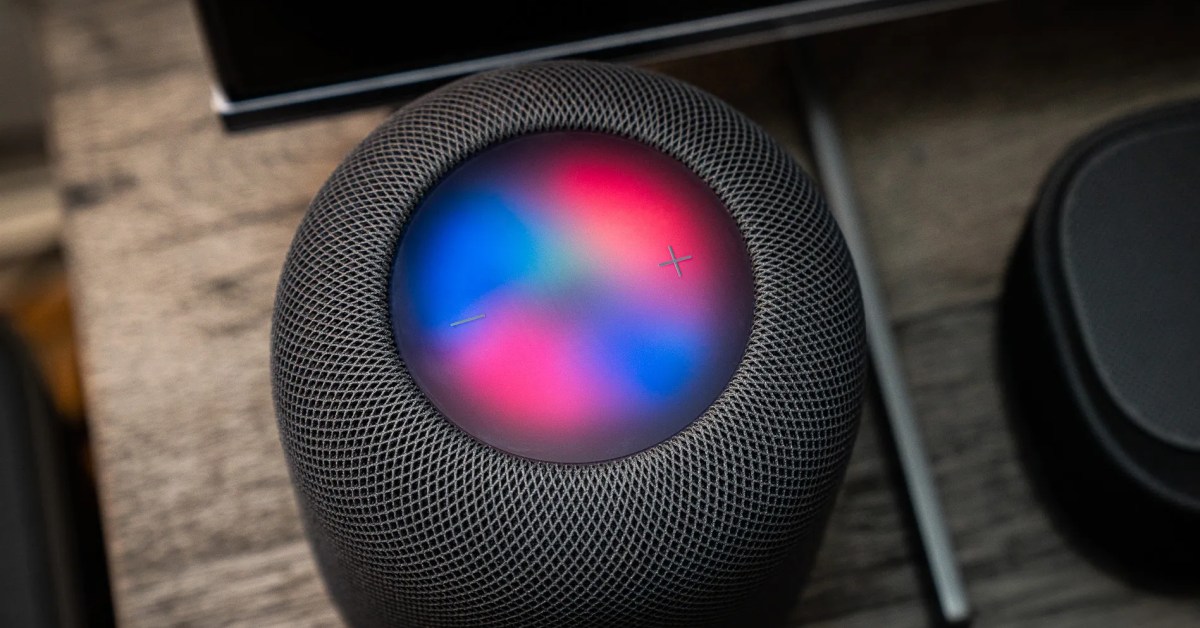
Apple is hosting its first dedicated smart home event on October 13th in New York City under the banner “Welcome Home.” The company is expected to unveil three new products: a HomeView smart display (Apple’s first major home-control device in years), a refreshed HomePod Mini, and an updated Apple TV. The smart display is seen as the linchpin of Apple’s renewed push into the home—a category where Amazon, Google, and other competitors have dominated for over a decade. Apple’s belated entry reflects both the strategic importance of in-home interfaces and the company’s historical reluctance to offer lower-margin devices, a tension the HomeView lineup may finally resolve.
In Brief
- Firefox 158 Adds JPEG-XL Support: Mozilla’s Firefox 158 release enables JPEG-XL image format decoding by default, advancing support for the modern image codec across the web.
- Linux 7.4 Targets Snapdragon X2 Elite Laptops: The Linux 7.4 kernel upstream adds formal support for three Snapdragon X2 Elite laptop models, expanding Windows-on-Arm alternatives for developers.
Compiled from the configured RSS feeds.