
Tech News Roundup — October 11, 2026 (PM)
This edition brings innovations in alternative computing substrates, major smart home announcements from Apple, expanded local AI tooling for developers, and continued refinements to the Linux kernel’s hardware support. DNA-based molecular computers are demonstrating surprising efficiency, while consumer-facing smart home technology reaches a maturity inflection point.
Molecular Computing Breakthrough
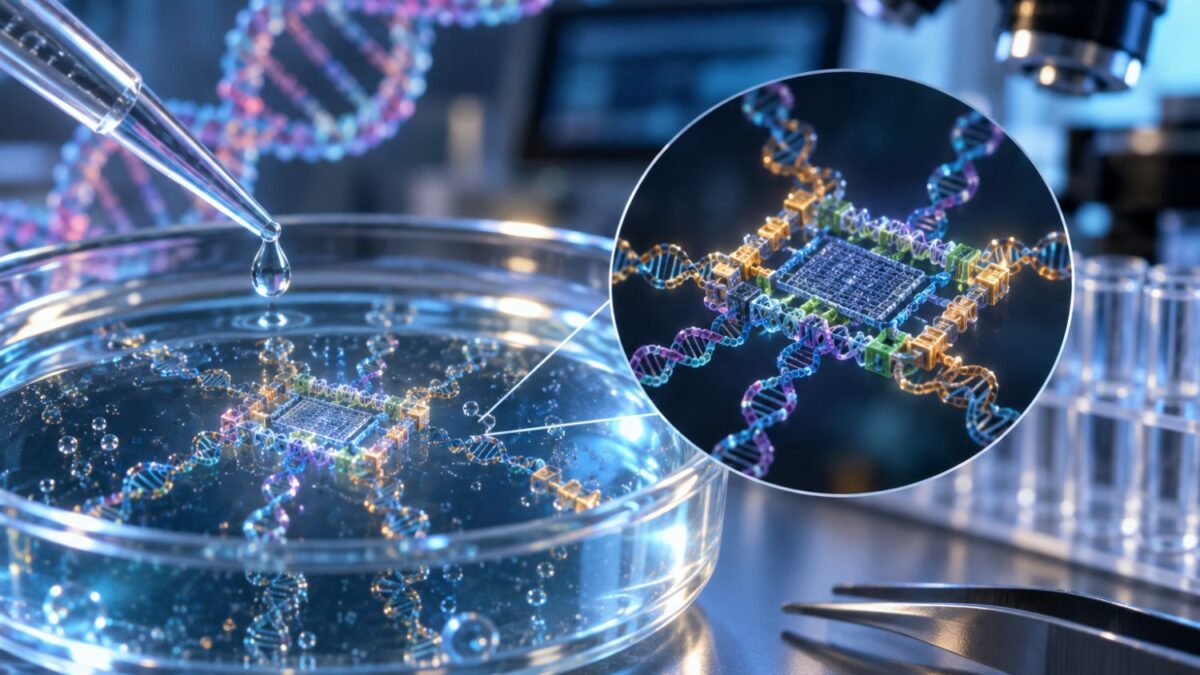
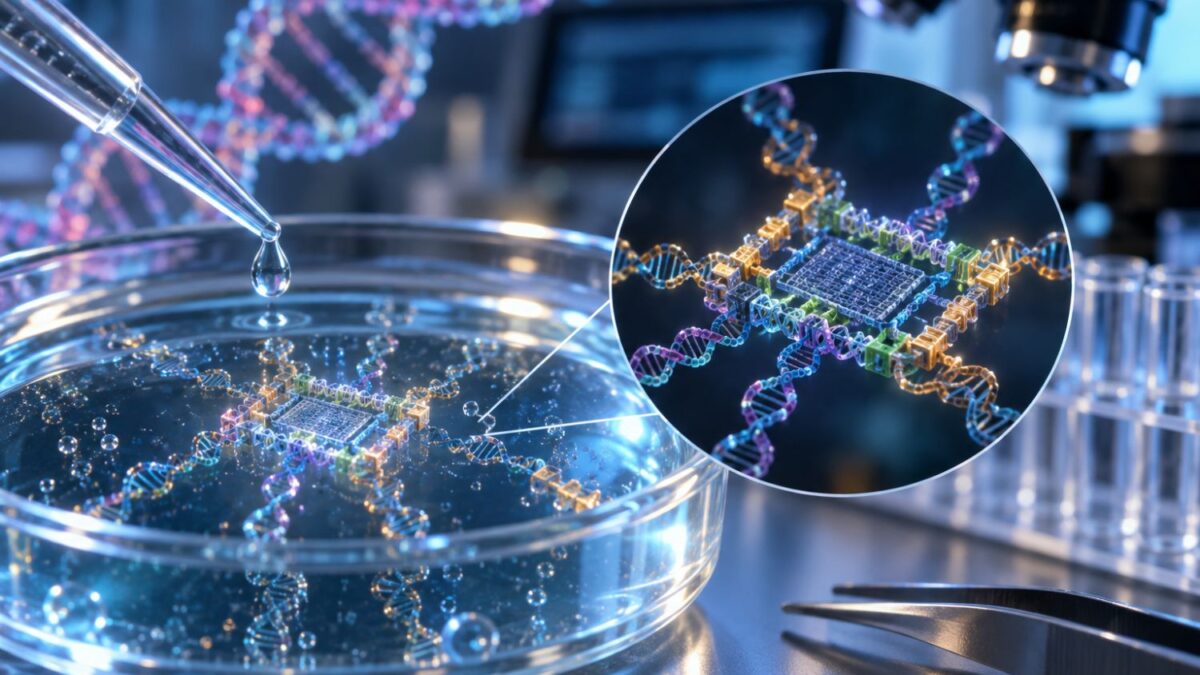
Researchers develop DNA-based molecular computers solving mathematical problems in under a minute. Scientists have demonstrated a new model of molecular computation capable of solving mathematical problems using DNA molecules. The system executes operations in less than one minute, eliminates the need for explicit error-correction mechanisms, and opens pathways to alternative forms of computation beyond traditional electronic processors, transistors, and silicon-based architectures.
Apple’s Welcome Home Event: Smart Home Refresh
Apple’s upcoming “Welcome Home” launch event—scheduled for October 13 in New York—promises a comprehensive smart home refresh. The company expects to introduce refreshed versions of the Apple TV and HomePod Mini, along with a brand-new smart home hub. Industry analysts anticipate the debut of a new platform called homeOS and potential partnerships with LG on compatible devices. The event will address a gap in Apple’s smart home ecosystem with a dedicated, always-on central hub for HomeKit automation. Meanwhile, reports suggest a long-anticipated touchscreen MacBook will debut later this month, bypassing the Welcome Home event.
Local AI Tools for Developers
Developers increasingly explore running powerful language and inference models locally rather than relying on cloud services. Recent hands-on experiences show that platforms like Mac Studio, equipped with ample unified memory (48GB+), can effectively run state-of-the-art models like Hermes and Qwen locally. The process is described as “exciting, overwhelming, and frustrating”—powerful capability meets steep complexity. Apple’s pitch for new Mac desktops emphasizes this local AI potential, positioning high-RAM machines as viable alternatives to cloud API dependencies for those seeking privacy and computational autonomy.
Linux Kernel Hardens AMD Support
The Linux 7.3-rc7 kernel lands a workaround for AMD TLBI Erratum #1718, a hardware defect in certain Zen CPUs. The Translation Lookaside Buffer Invalidate Instruction bug could cause stale translation entries when microcode updates aren’t applied. The new kernel-level workaround ensures systems remain secure even without the latest firmware, and the fix will be backported to prior kernel versions. Additionally, the xpad input driver gains device IDs for Corsair Novablade Pro and 8BitDo Pro 2 gaming controllers, expanding native Linux support for modern gaming peripherals.
Developer Tools Innovation
Meta’s Drgn debugger reaches 0.3 release, offering a “natural,” programmable debugging experience. The tool provides developers with powerful introspection capabilities for Python-based debugging workflows. Also this week, the RISC-V Linux kernel has shown promising results with auto-vectorization improvements, pointing toward more efficient code generation on the RISC-V architecture. Microsoft contributes a para-virtualized IOMMU Hyper-V driver for Linux, expanding ecosystem support for hybrid workloads.
Compiled from the Tech News RSS feed.