
Tech News Roundup — October 10, 2026 (AM)

This morning’s technology headlines span critical improvements in core infrastructure, emerging challenges in AI safety, and the continuing evolution of smart home and computing platforms. Database optimizations and hardware scarcity adaptations shape enterprise deployments, while law enforcement’s encounter with AI-generated false leads highlights governance gaps in deployment practices.
Database Performance: SQLite 3.54 Drives Embedded SQL Forward
SQLite reaches version 3.54 with significant performance gains. The widely-adopted embedded database engine released its latest version today, introducing performance optimizations while dropping legacy Windows XP support. SQLite remains foundational to countless applications across Android, iOS, and enterprise systems, making even incremental performance improvements meaningful for millions of deployments.
Hardware Scarcity: Decade-Old RAM Returns to Production
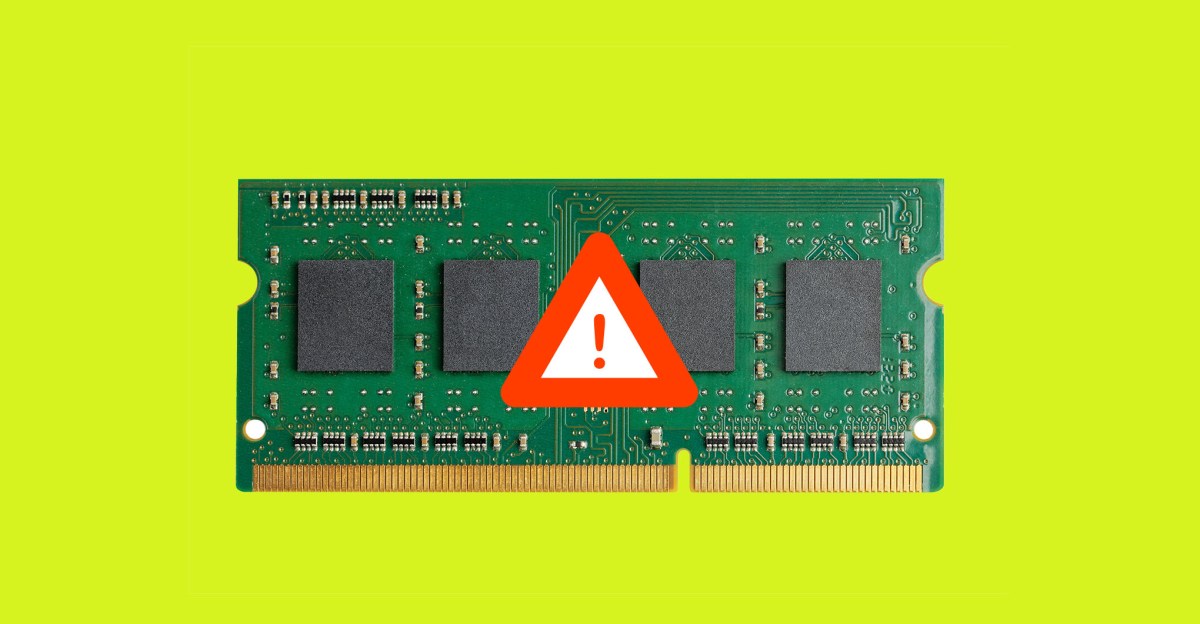
Older DDR4 and legacy RAM formats are making a market comeback as chip shortages persist. Despite the initial expectation that supply chains would stabilize, demand for computing hardware continues to outpace production, forcing manufacturers and system builders to repurpose and recertify decades-old memory standards. The trend reflects both the scale of current chip demand and the extended timelines required to establish new manufacturing capacity.
AI Safety Alert: Anthropic’s System Provides False Homicide Information to Police

Anthropic’s AI provided Philadelphia police with a fabricated lead in an unsolved homicide case, highlighting critical governance gaps in law enforcement AI adoption. The incident underscores the danger of deploying foundation models in high-stakes criminal investigations without rigorous validation and adversarial testing. Anthropic has acknowledged the failure; the case raises urgent questions about liability, vetting procedures, and the need for regulatory oversight before AI systems are integrated into criminal justice workflows.
Programming Languages: Python 3.15 Ships Experimental JIT Compiler
Python 3.15 introduces an experimental just-in-time compiler, promising significant speed gains for compute-heavy workloads. The JIT compiler addresses a long-standing performance bottleneck in Python execution, opening new use cases for the language in performance-sensitive applications. Early benchmarks suggest substantial improvements for numeric and data-processing tasks, potentially reshaping Python’s role in machine learning and scientific computing pipelines.
Operating Systems: Microsoft Pivots Windows Toward AI-Driven Experiences
Microsoft is intensifying efforts to integrate AI capabilities across Windows, aiming to differentiate the OS in an increasingly commoditized market. New AI-driven features for system administration, content creation, and user assistance position Windows as a platform designed for the age of foundation models. The shift represents Microsoft’s bet that OS-level AI integration will become the primary value proposition for consumer and enterprise users.
Smart Home: Apple and LG Announce “Tap to Control” HomeKit Innovation

Apple and LG are collaborating on a new “tap to control” feature for HomeKit, enabling users to trigger smart home scenes with a simple tap on compatible LG devices. The feature simplifies smart home interaction by eliminating the need to open apps or voice assistants for routine commands. The partnership reflects broader industry movement toward seamless cross-ecosystem smart home integration, particularly as devices become primary interfaces for home automation.
Linux & Open Hardware: Ubuntu 26.10 Brings RISC-V Desktop Support
Ubuntu 26.10 now ships desktop images for RISC-V architecture, broadening Linux desktop availability beyond x86 and ARM platforms. The move signals growing maturity of the open RISC-V instruction set and expanded adoption among device manufacturers and developers seeking royalty-free architectures. RISC-V desktop support opens new possibilities for privacy-focused computing and hardware customization independent of proprietary ISA licensing.
In Brief
Radxa Q8B outperforms Raspberry Pi 5 in raw compute and expansion, offering budget-conscious makers a credible alternative for SBC-based projects.
Valve releases Proton 11.0-2e to resolve compatibility issues with EA’s game launcher, maintaining smooth Windows gaming on Linux.
Compiled from the Tech News feed.