
Tech News Roundup — October 8, 2026 (PM)
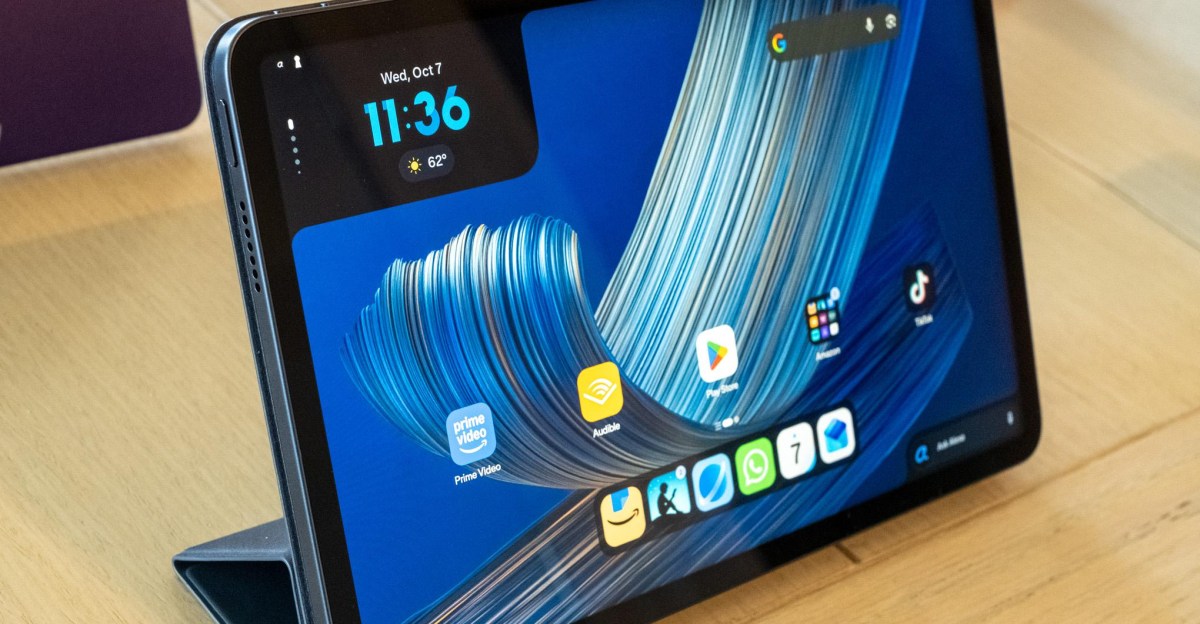
Amazon is entering the tablet market with a fresh approach, Microsoft is betting on entertainment franchises beyond gaming, and AI security research is accelerating at an unprecedented pace. This edition covers Amazon’s hardware ambitions, Xbox’s new business strategy, and major developments in AI-assisted software security and Linux kernel engineering.
Amazon’s Alexa Tablets Take Aim at iPad
Amazon is launching a new lineup of Alexa Tablets that represent a decisive break from 15 years of Fire tablet heritage. The new tablets run full Android with Google Play support, positioning them as serious competitors to iPad. The flagship Alexa Tablet 12 Pro features Amazon’s nanomatte display technology and Alexa Plus integration at its core. Rather than locked-down Amazon-only experiences, these devices are designed to be excellent general-purpose tablets first, with Alexa serving as a central hub for shopping, Prime Video access, and smart-home control. The broader strategy signals Amazon’s shift toward positioning Alexa as a computing-centric platform rather than just a voice assistant.
Microsoft Launches Xbox XP: Games to Movies to Theme Parks

Microsoft has created a new division called Xbox XP under gaming leadership, modeled on Minecraft’s phenomenal licensing success. Led by Kayleen Walters (former Minecraft president and veteran of Lucasfilm’s Star Wars licensing), XP will coordinate game-to-media expansion across four verticals: Xbox Pictures (film and TV), Xbox Products (merchandise and collectibles), Xbox Places (fan events and theme parks including a new Minecraft experience in the UK), and Xbox Partnerships (brand integrations). The move follows blockbuster successes like the Minecraft movie and Fallout TV series, which substantially boosted interest in the underlying games. Microsoft aims to extend this model to franchises including Gears of War, Diablo, Wolfenstein, and others, positioning games as entertainment platforms rather than standalone products.
Claude Mythos Discovers 129,000+ Software Vulnerabilities
Anthropic has released performance data on Claude Mythos, a specialized AI model designed for source-code security analysis and vulnerability detection. In its beta deployment, the system identified over 129,000 software flaws in a matter of months — a volume that prompted Anthropic to expand access to the model. The result underscores the growing role of AI in software security workflows and the scale of undiscovered vulnerabilities in deployed code. Claude Mythos represents a shift in how organizations can automate tedious and error-prone security audits.
Google’s Sashiko AI Reaches 191,000 Linux Kernel Patch Reviews
Google’s Sashiko, an AI system built for automated review of Linux kernel code submissions, has completed 191,000 patch reviews in less than one year since launch. The system has been cited in nearly 500 kernel CVE (Common Vulnerabilities and Exposures) disclosures, demonstrating its practical value in identifying and documenting security issues at scale. Sashiko represents a significant precedent for agentic AI assistance in open-source infrastructure, reducing human reviewer burden while improving coverage of security-critical codebases.
Battlefield 6 Launches on Game Pass Before Call of Duty
Battlefield 6 has arrived on Xbox Game Pass just days before the November launch of Call of Duty: Modern Warfare 4. The timing is strategic — Microsoft is positioning Game Pass as a hub for blockbuster gaming franchises, offering players access to both AAA franchises on subscription. While Call of Duty: Modern Warfare 4 will not launch directly on Game Pass, the Battlefield arrival sets up a direct competitive moment for players deciding where to invest their time and money in the fast-paced shooter market.
Portuguese Intelligence Data Exposed After Contractor Breach
A cyberattack on an external contractor to Portugal’s Republic Information System (SIRP) resulted in approximately 120 gigabytes of sensitive government data being published online. Although Portuguese authorities stated that classified information was not compromised, the incident raises concerns about supply-chain vulnerabilities affecting public-sector entities. The breach originated from a vulnerability in a contractor’s test server, highlighting the ongoing security risks inherent in outsourced infrastructure management for sensitive government systems.
Microsoft Surface Laptop Ultra: $2,599 MacBook Pro Competitor
Microsoft has unveiled the Surface Laptop Ultra, a 15-inch high-performance laptop priced at $2,599 USD (approximately €2,300) designed to compete directly with Apple’s MacBook Pro. The device targets professional workloads and demanding computing tasks, positioning itself as a premium Windows alternative in the high-end laptop market. The aggressive pricing undercuts the base MacBook Pro, signaling Microsoft’s determination to capture market share in the professional computing segment.
In Brief
Samsung PCIe 5.0 SSD: Samsung’s fastest NVMe storage has dropped below $199 for 1TB during Amazon Prime Day, with additional capacities on sale.
Windows Outlook AI: Microsoft is rolling out AI-assisted spell-checking for Outlook that catches typing errors before emails are sent.
Star Labs StarFighter: The Linux laptop specialist has released a premium Coreboot-based ultrabook with full-disk encryption and open firmware, targeting privacy-conscious developers.
Game Pass Expansions: State of Decay 3 is confirmed for Game Pass launch, and Xbox is publishing changes to streamline the developer onboarding process for the platform.
Compiled from the configured RSS feed.