Tech News Roundup — October 8, 2026 (NOON)
Microsoft pushes its vision for AI-powered computing with the Surface Laptop Ultra, while Apple’s smart home ambitions take concrete form via LG partnership. Safety concerns around AI for teenagers intensify as multiple vendors race to capture the AR/VR headset market.
Microsoft Surface Laptop Ultra & RTX Spark Local AI
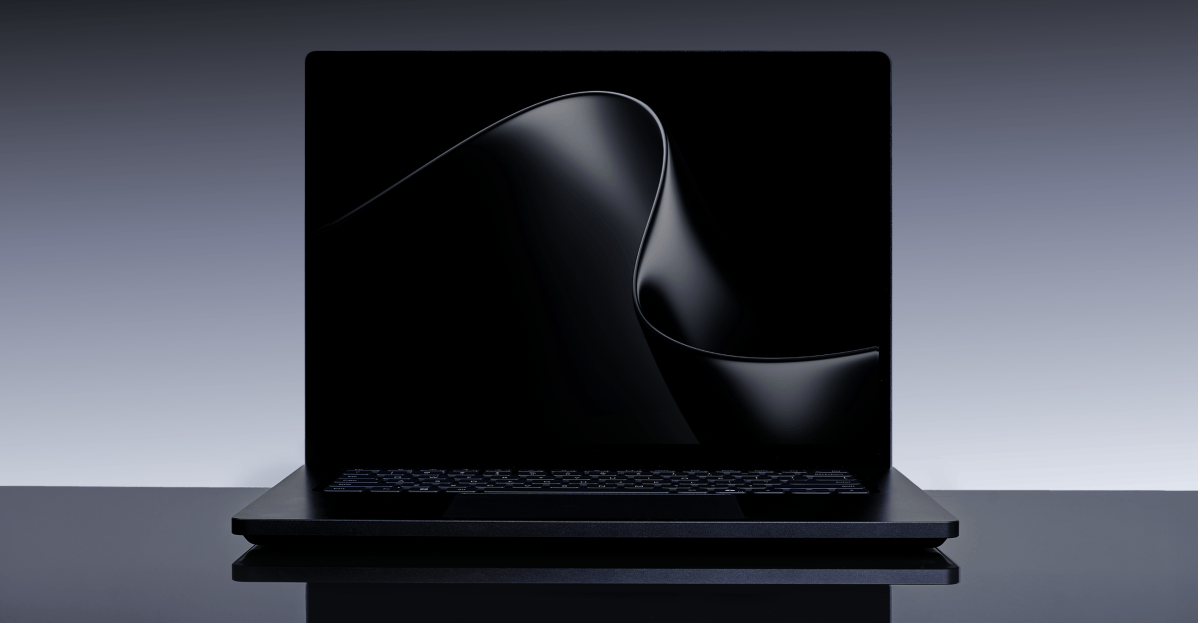
Microsoft CEO Satya Nadella and Nvidia CEO Jensen Huang showcase the Surface Laptop Ultra at a San Francisco event, marking a pivotal moment in the company’s PC strategy. The laptop features Nvidia’s new RTX Spark platform, designed to maximize local AI model performance, creative applications, and gaming without cloud dependencies. Nadella frames local AI as essential to Windows’ next chapter, with the hardware capable of running sophisticated models on-device. The partnership signals a shift toward standalone AI capabilities competing directly with browser-based and cloud-first alternatives.
Apple & LG Smart Home Ecosystem Leak: Deadbolts, Thermostats, Sensors
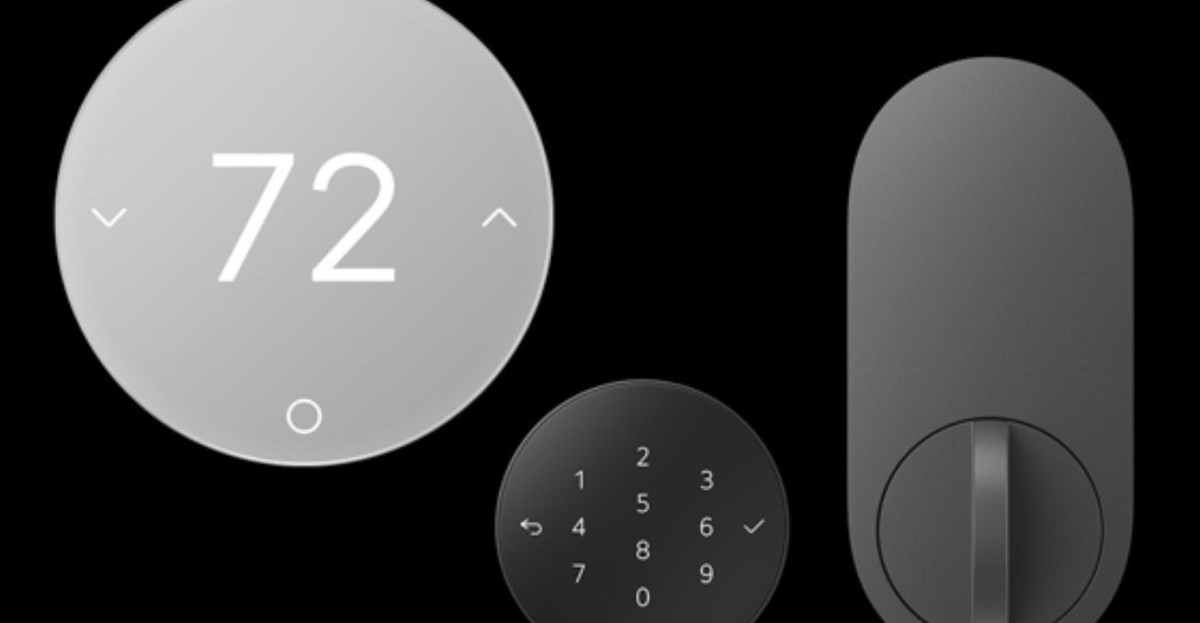
Apple and LG’s collaboration on smart home hardware surfaces in leaked renders, revealing plans for a rotating-keypad deadbolt lock, a thermostat with “Far Sight Display” (similar to Google Nest’s approach), and environmental sensors. The devices are expected to integrate with Apple’s forthcoming smart home hub, rumored for October 13 launch. This marks Apple’s most concrete move into the smart lock and climate control markets, areas where Amazon and Google have already established footholds. The visual designs suggest LG’s manufacturing partnership brings industrial expertise to Apple’s ecosystem-first approach.
Ring Smart Lock Debuts with Emergency Dial Charger
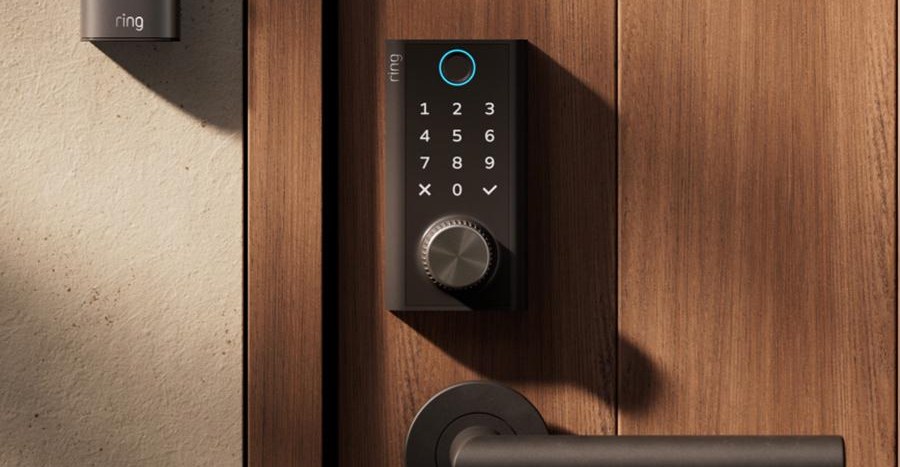
Amazon’s first smart lock eliminates the need for physical backup keys or external battery adapters by embedding a mechanical charger into the thumb-turn dial. Turning the dial a few times generates enough power to unlock the door during battery depletion, solving a critical usability problem in smart lock adoption. The device is expected in early 2027, positioning Ring as a direct competitor to Yale and other smart lock vendors. The approach combines mechanical resilience with IoT convenience—a notable design innovation in an increasingly crowded market.
AI Safety in Focus: ChatGPT for Teens Deemed “Unacceptable Risk”
Common Sense Media’s comprehensive safety review concludes that OpenAI’s ChatGPT for Teens falls short of promised protections, flagging failures in parental alerts, crisis response, and homework-prevention guardrails. Introduced in August with purported teen-specific safeguards, the service still permits homework completion and misses opportunities to escalate mental health emergencies. Simultaneously, OpenAI CEO Sam Altman acknowledges in interviews that “some bad things will happen” with AI deployment, but argues the technology’s long-term benefits justify near-term risks. The divergence between vendor safety claims and independent safety audits intensifies calls for stronger AI regulation in education contexts.
Google Xreal Aura AR Glasses Launch at $1,279
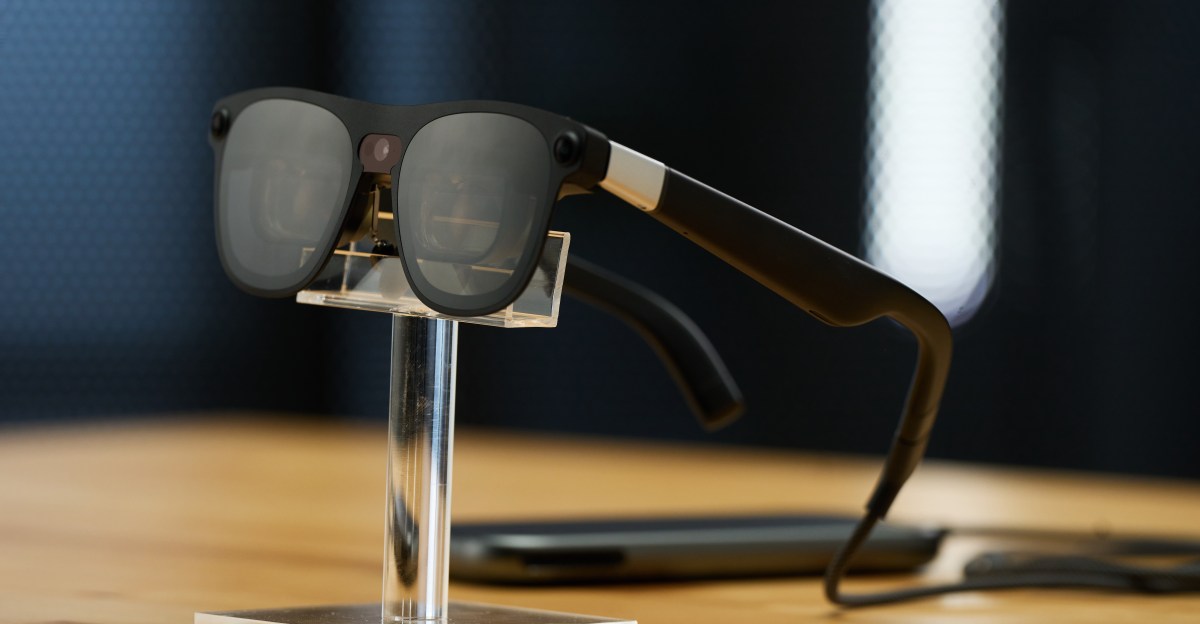
Google and Xreal announce the Aura transparent AR glasses at $1,279 for the base 12GB/256GB configuration, positioning them directly against Meta’s newly revealed VR Glasses at $1,299. Pre-orders are now live, with higher-end 16GB/512GB variants at $1,499. The headsets weigh ~100 grams and promise spatial computing experiences with Android XR software. This marks a critical moment in spatial computing consumer adoption, with both players betting on lightweight, always-on form factors that don’t require the bulkier VR headset paradigm. The narrow $20 price gap and simultaneous launch windows suggest intense competition for early adopters and developer mindshare.
In Brief
- iPhone 18 Pro color degradation returns: Pplware reports that new iPhone 18 Pro models are experiencing premature color fading, echoing a persistent issue from earlier generations. Apple has not yet released an official response.
- Teenage Engineering exits synth production: The Swedish hardware maker announces it will stop manufacturing synthesizers, citing market saturation and shifting business priorities.
- AMD ROCm 10.1 released for developers: The open-source GPU compute toolkit gains performance improvements and expanded hardware support for AMD accelerators.
- Windows 11 October update brings productivity features: Microsoft ships refinements to Windows 11 focused on copilot integration and quality-of-life improvements for enterprise users.
Compiled from the configured RSS feed.