
Tech News Roundup — October 8, 2026 (AM)
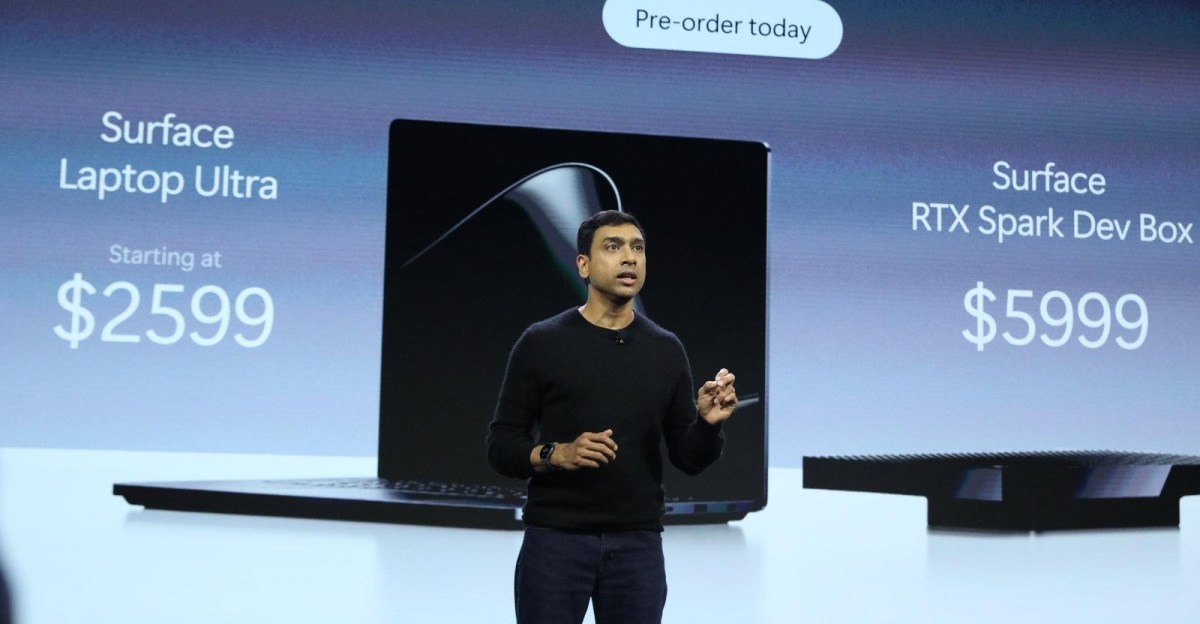
Microsoft made a major push into premium AI-powered computing this week, unveiling its Surface Laptop Ultra with Nvidia’s RTX Spark chips, while Windows gains deeper AI integration for desktop control. In gaming and open-source, Steam and major publishers are accelerating support for Windows-on-Arm platforms, and the tech industry is preparing for new AI-focused domain extensions.
Microsoft Surface Laptop Ultra & RTX Spark Platform Launch
The Surface Laptop Ultra starts at $2,599 and ships October 16. Microsoft’s new flagship laptop runs on Nvidia’s RTX Spark Arm-based processor with configurations starting at 8-core CPU, 24GB RAM, and 512GB storage. A notable design change swaps the proprietary Surface Connect magnetic charging for built-in magnetic USB-C charging, bringing the device closer to industry standards. The RTX Spark Dev Box developer workstation, meanwhile, is available for preorder at $5,999 with November shipping. Third-party manufacturers are also launching RTX Spark laptops ranging up to $7,000, with Call of Duty announced for the platform in 2027—a major vote of confidence for Windows on Arm.
Windows AI Copilot Gains System-Level Control & Search Enhancements
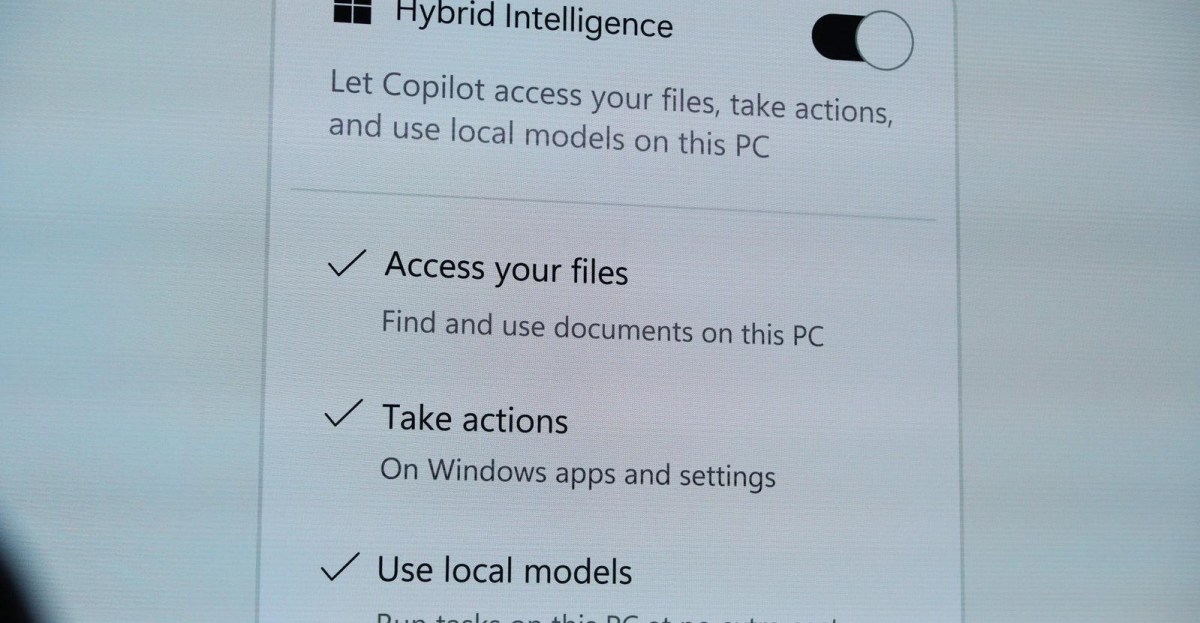
Copilot now integrates deeply with Windows file systems and native search. Microsoft is rolling out “Hybrid Intelligence” features that let Copilot access and act on files stored on your PC—a significant privacy and usability question for enterprise and consumer deployments. Windows 11’s search bar has also been redesigned with quick-action capabilities, and ChatGPT’s newest update adds an “Intelligent UI” mode that fills responses with charts, pictures, and interactive buttons. These updates underscore Microsoft’s bet that AI assistants should move beyond chatbots to become proactive system controllers.
Steam Defaults to Proton for Non-Windows Binaries; Call of Duty Commits to RTX Spark
Steam’s latest beta makes Proton the default translation layer for non-Windows games. The move should improve adoption of Windows-on-Arm gaming by automatically using Proton to run x86/x64 games on Arm-based systems like the RTX Spark platform. Microsoft’s push to attract AAA publishers to Windows on Arm gained momentum this week when Call of Duty confirmed a 2027 launch on the platform, backed by improved developer tools and publishing pipelines on Xbox and Battle.net. For Linux users, this Proton default also streamlines native Linux game discovery and fallback translation.
New AI Domain Extensions (.agent, .agi) Arriving in 2026

ICANN is preparing to open .agent and .agi as the next hot AI-focused TLDs. The move reflects growing demand for distinctive domains in the AI space, following the gold-rush mentality around .ai and other tech-specific extensions. Early adopters and trademark holders may register through a trademark clearinghouse phase before general release. For startups and AI vendors, this creates yet another namespace to stake claims in—though whether premium AI domains will remain valuable or dilute into commodity extensions remains an open question.
In Brief
Microsoft’s LiteBox sandboxing library reaches 0.1 — Phoronix reports on Microsoft’s new lightweight sandbox OS for Windows, offering developers more granular isolation without the overhead of full container runtimes. AI-driven Photoshop and Premiere implementations in Rust are being built open-source by independent developers, signaling ongoing efforts to create modern, performant tooling in place of proprietary suites. FEX 2610 (the x86-on-Arm translation layer for Linux) landed new AVX-VNNI handling and disk cache optimizations, further smoothing Arm workload performance. Star Labs’ StarFighter Ultra is a high-end Linux laptop with Coreboot firmware, targeting developers who want full control of their hardware stack. Titanfall 2’s free VR mod has made the decade-old shooter one of the best VR games available, proving that community-driven conversions can extend a game’s lifespan indefinitely.
Compiled from the configured RSS feed.