Tech News Roundup — October 7, 2026 (PM)
Microsoft, Google, and Apple are each making major plays in AI integration and wearable platforms. The day saw announcements spanning AI-assisted PC capabilities, consumer AR glasses, game creation tools, and expanded smart home partnerships that signal how deeply AI and connected devices are reshaping consumer technology.
Microsoft Previews AI-Powered Windows and Surface Ecosystem
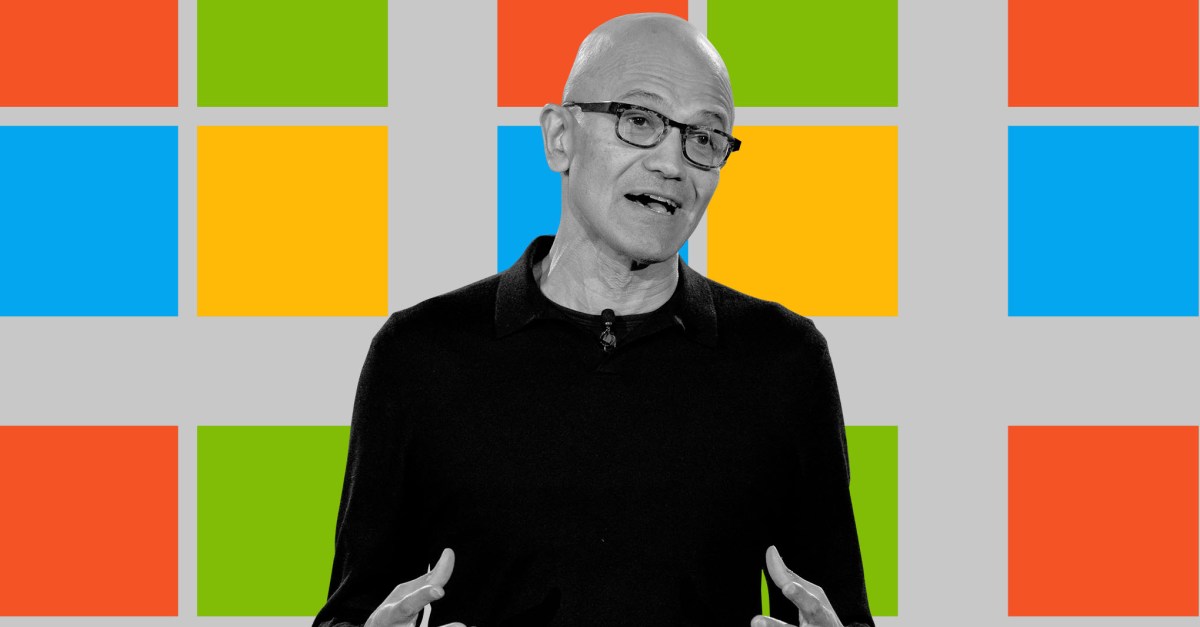
Microsoft is holding its annual Windows and Surface event in San Francisco, focusing on how “local AI will shape the next chapter of the PC.” The keynote brings together Microsoft CEO Satya Nadella, Nvidia CEO Jensen Huang, and Windows and Surface chief Pavan Davuluri to discuss the company’s AI strategy. The presentation is expected to showcase Microsoft’s new Surface Laptop Ultra, which uses Nvidia’s emerging Arm-based RTX Spark platform designed to bring generative AI capabilities directly to Windows PCs. The convergence of Nvidia hardware and Microsoft software represents a shift toward on-device AI that doesn’t require cloud connectivity.
Google Launches Xreal Aura AR Glasses, Competing Directly With Meta
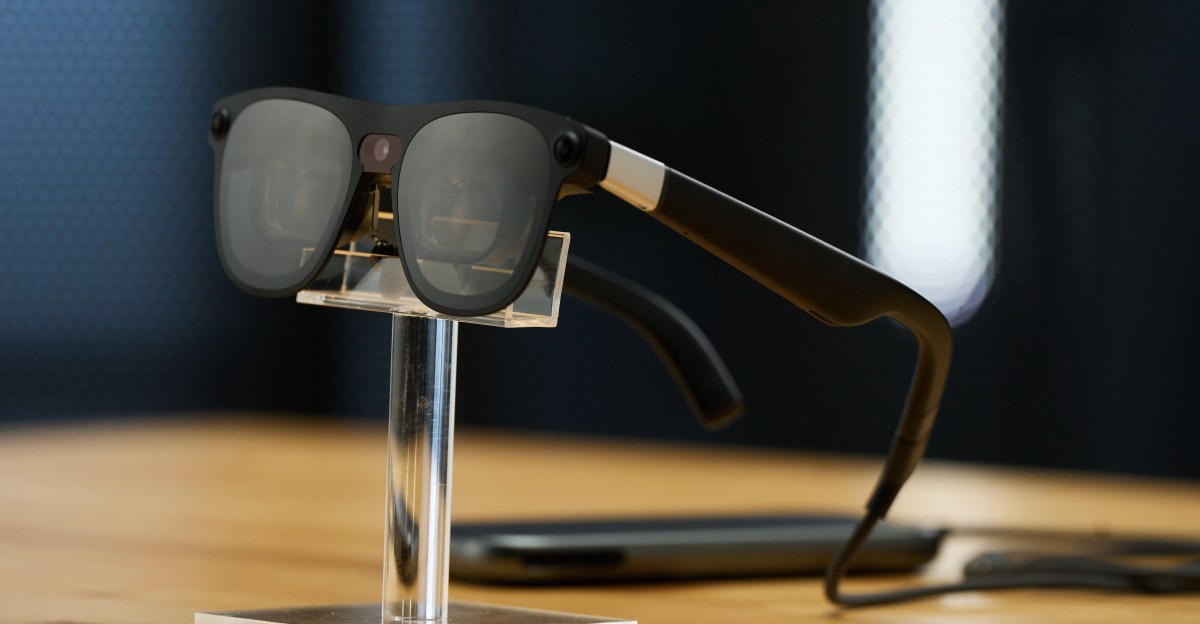
Google and Xreal are opening pre-orders for the Xreal Aura, a lightweight AR glasses headset priced at $1,279 for the 12GB/256GB model, with a higher-end 16GB/512GB configuration at $1,499. The announcement puts the device directly in competition with Meta’s newly announced VR Glasses, which carry an identical $1,299 price point. Both devices weigh approximately 100 grams, running full operating systems (Xreal on Android XR, Meta on its own platform) and supporting the full range of apps from their respective ecosystems. The Xreal Aura promises transparent pass-through video for mixed reality experiences, positioning it as a spatial computing device rather than a pure VR headset.
Google Playground Brings AI-Assisted Game Creation to Consumers
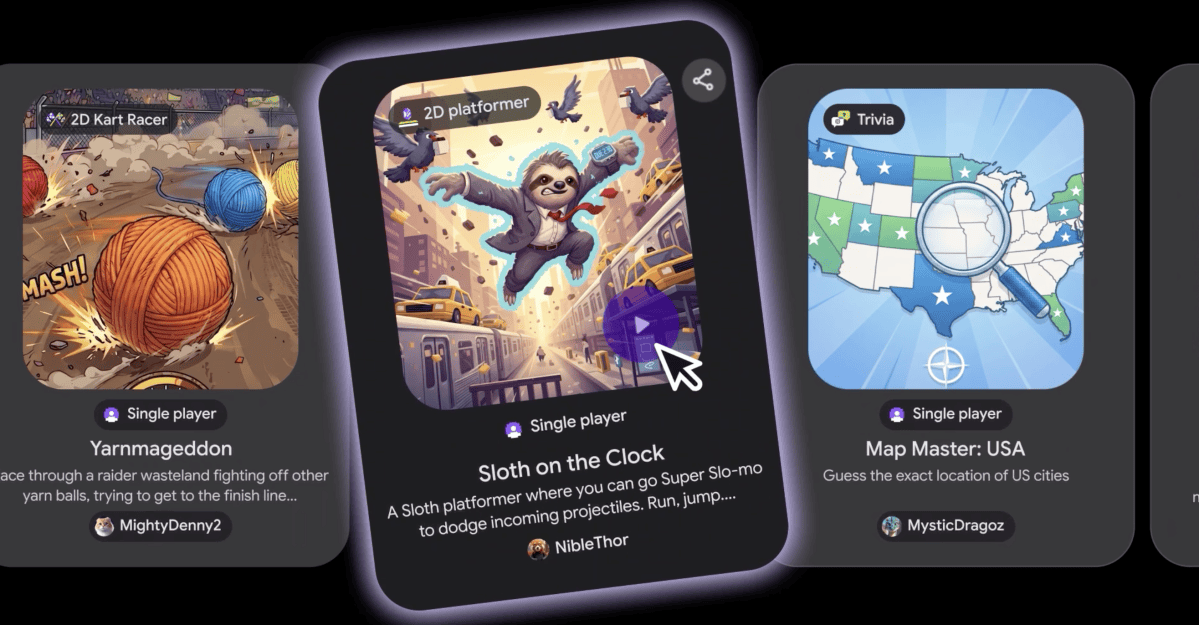
Google has launched Playground, a browser-based platform that allows users to create custom games using AI prompts without requiring programming experience. Available today at playground.google for users 18 and older in the US, Playground uses a conversational interface where users describe the game they want to build through natural language prompts. The platform supports starting from a blank canvas, remixing starter prompts, or using guided assistance to shape a concept, then testing it immediately within the browser. Users can refine physics, rewrite game logic, and iterate in real-time—democratizing game development by removing the technical barriers that traditionally gate entry into the field.
Apple and LG Develop New Smart Home Devices
Apple is partnering with LG to design a new generation of smart home products including digital locks, thermostats, and video doorbells. The devices are expected to integrate seamlessly with Apple’s upcoming home hub platform, expanding the company’s presence in the competitive smart home market. The collaboration signals Apple’s commitment to building a comprehensive ecosystem of HomeKit-compatible hardware, moving beyond software and into first-party device manufacturing to compete with established players in home automation.
Samsung Digital Keys Now Work With General Motors Vehicles
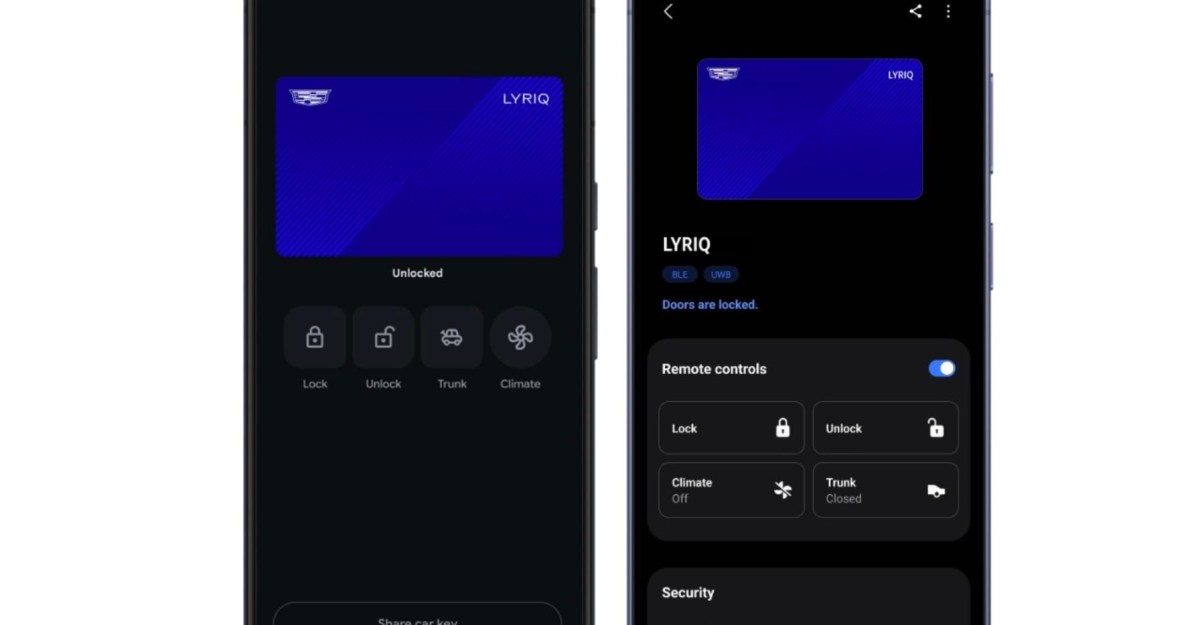
Samsung Wallet users in the US and Canada can now unlock, lock, and start select General Motors vehicles using digital keys stored directly on their phones. The feature initially launches on 2025–2027 Cadillac EVs, including the Lyriq, the upcoming Optic, and the 2027 Vistiq, with GM planning to expand compatibility to additional GMC and Chevy trucks by year-end. Digital keys are also coming to Apple Wallet and Google Wallet, standardizing a feature that reduces the need for physical key fobs and integrates vehicle access with the phone-based wallets consumers already carry daily.
Google Pixel Buds Get Sleep Tracking and Smart Features
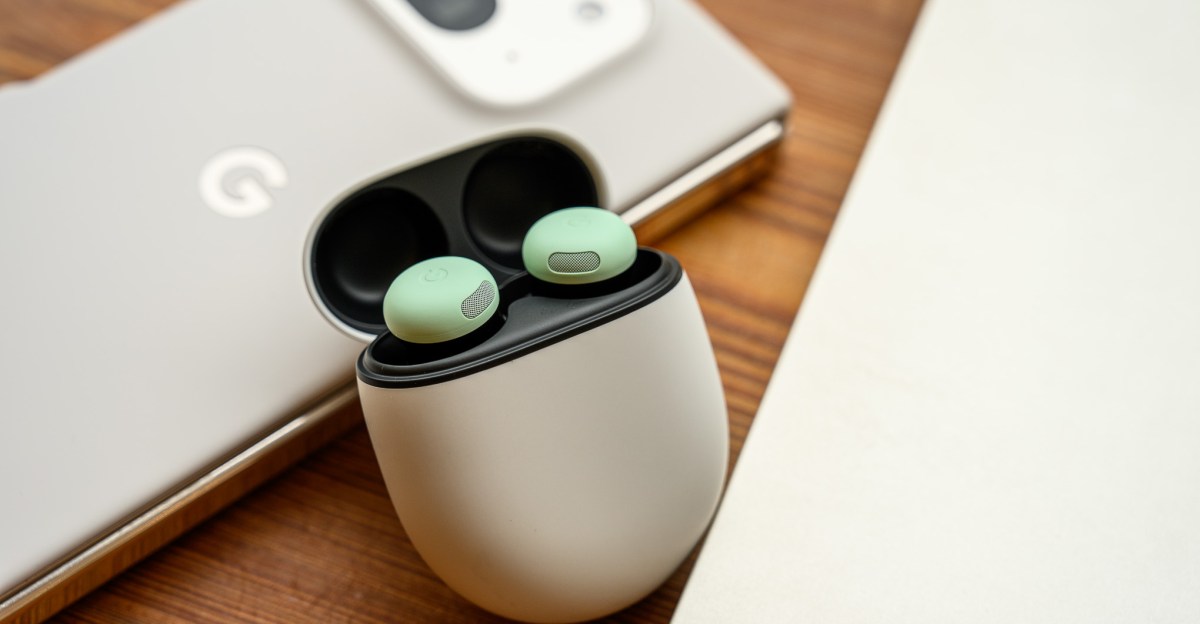
Google is rolling out a significant firmware update to the Pixel Buds 2A and Pro 2, adding sleep detection, tap-to-mute calling controls, and enhanced noise cancellation. The headline feature uses the Pixel Watch ecosystem to detect when users fall asleep, automatically pausing music, silencing notifications, and disabling touch controls to prevent accidental input during rest. Tap-to-mute lets users quickly silence their microphone during calls with a single touch, and improved dynamic active noise cancellation adapts in real-time to changing environments.
In Brief
XPENG Advancing Flying Car Development. The Chinese EV maker is developing a family of vehicles combining automotive and electric aviation capabilities with AI integration, signaling serious moves toward urban air mobility beyond traditional ground transportation.
Google Linux Driver Isolation. Google engineers are experimenting with kernel-level driver isolation using LLVM’s Lightweight Fault Isolation (LFI) to improve Linux system security and stability through in-kernel sandboxing.
Compiled from the configured RSS feed.