Tech News Roundup — October 6, 2026 (PM)
Google begins Gemini AI paywall, Windows 11 26H2 launches, and Linux gains hardware-optimized performance tools: this edition covers the week’s most significant tech developments from AI access restrictions to OS transitions and kernel-level enhancements.
Google Restricts Gemini AI to Paid Plans
Google is removing free access to Gemini Flash and Pro models. Beginning October 9th, free-tier users will be limited to Gemini Flash Lite only. Access to the full Flash model now requires a $4.99/month Google AI Plus subscription, and even that tier is losing Gemini Pro access—Pro and the new “Deep Think” advanced reasoning option will only be available to Google AI Pro and Ultra subscribers. The tiering represents Google’s aggressive pivot toward monetizing its AI assistant as competitors crowd the market.
Windows 11 26H2 Arrives; 24H2 Support Ends October 13

Microsoft’s new Windows 11 26H2 update is rolling out, bringing feature updates and security patches. The critical timing: Windows 11 24H2 support ends on October 13th, after which users on the older version will no longer receive security fixes. The tight deadline creates a forced upgrade cycle, ensuring rapid adoption but also presenting compatibility challenges for enterprise environments and end users accustomed to longer support windows.
Intel LPMD Brings Peak Performance to Linux Gaming
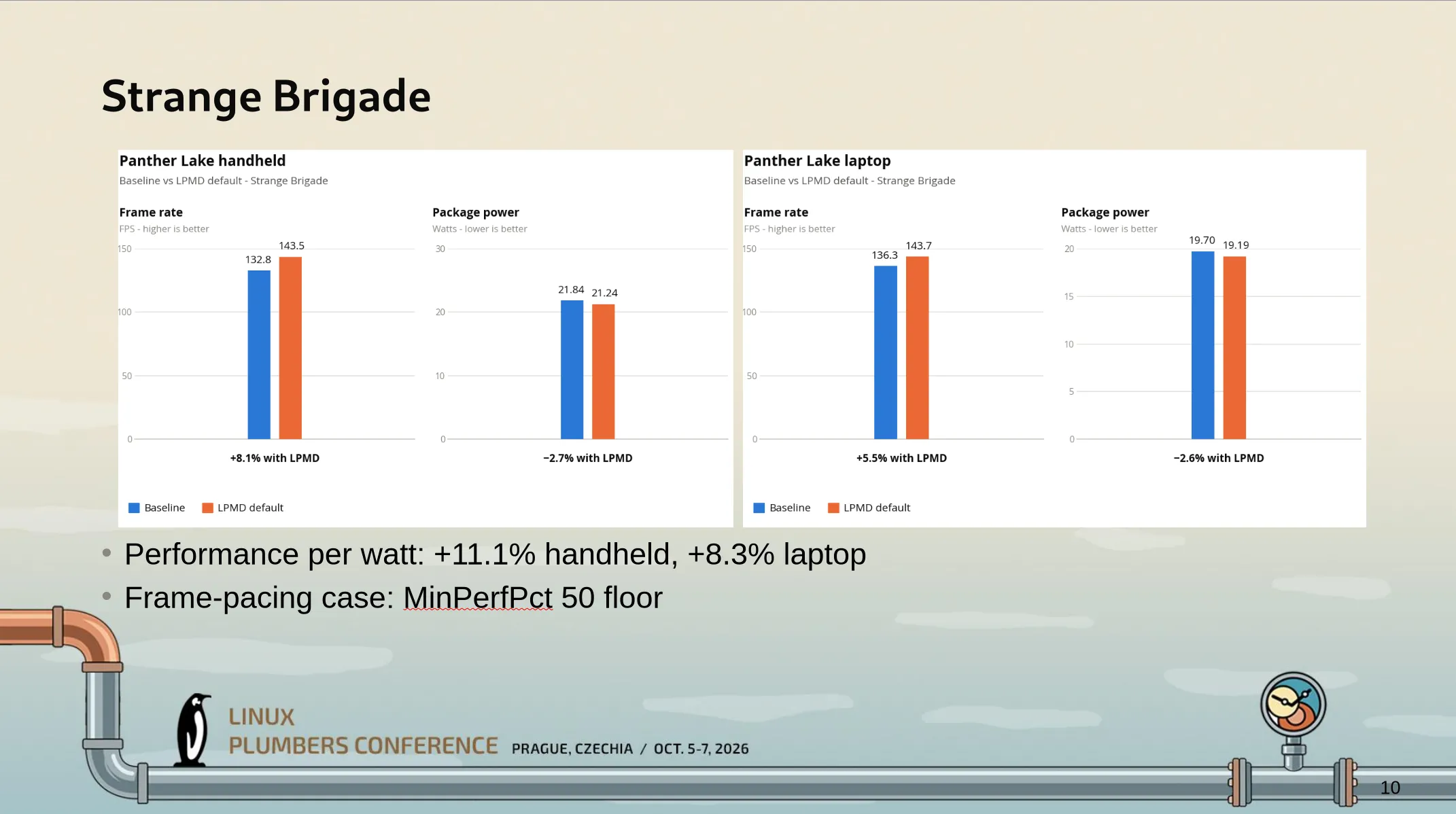
Intel’s Low Power Mode Daemon (LPMD) is proving essential for modern Core Ultra desktop and laptop gaming on Linux. By dynamically balancing CPU frequency, power state, and clock speeds, LPMD delivers near-native performance while maintaining power efficiency—critical for laptops and energy-conscious builds. Early benchmarks show significant improvements in gaming frame rates and thermal profiles, making Linux an increasingly competitive platform for hardware-accelerated applications.
Meta Engineers Compressed RAM for Linux Servers

Meta has developed CRAM (Compressed RAM), a hardware-offloaded memory compression technique for Linux that outperforms existing solutions like ZRAM and Zswap. By compressing data at the memory controller level while maintaining byte-level cacheline access, CRAM achieves near-native DRAM speeds with substantially less physical memory—a game changer for data centers and memory-constrained deployments facing rising costs and capacity limits.
Apple’s Screen Time Struggles With Update Compatibility
Apple’s latest Screen Time feature requires all family devices to update, but inconsistent adoption is breaking parental controls. Users unable to update all devices—an older MacBook or outdated iPhone in the household—can’t use the new feature across the family ecosystem. The compatibility wall reflects Apple’s challenge balancing new functionality with fragmented OS deployments across its product line, frustrating users who keep older hardware in active use.
Blender 6.0 May Drop OpenGL Support
Blender developers are considering removing OpenGL support in the upcoming version 6.0, now that Vulkan has matured in Blender 5.0. The shift would consolidate rendering to a single modern API, reducing complexity and improving performance, though it could affect legacy workflows and hardware without robust Vulkan support. The change signals the industry’s broader move away from aging graphics APIs.
October Prime Day: Steep Discounts on Tech
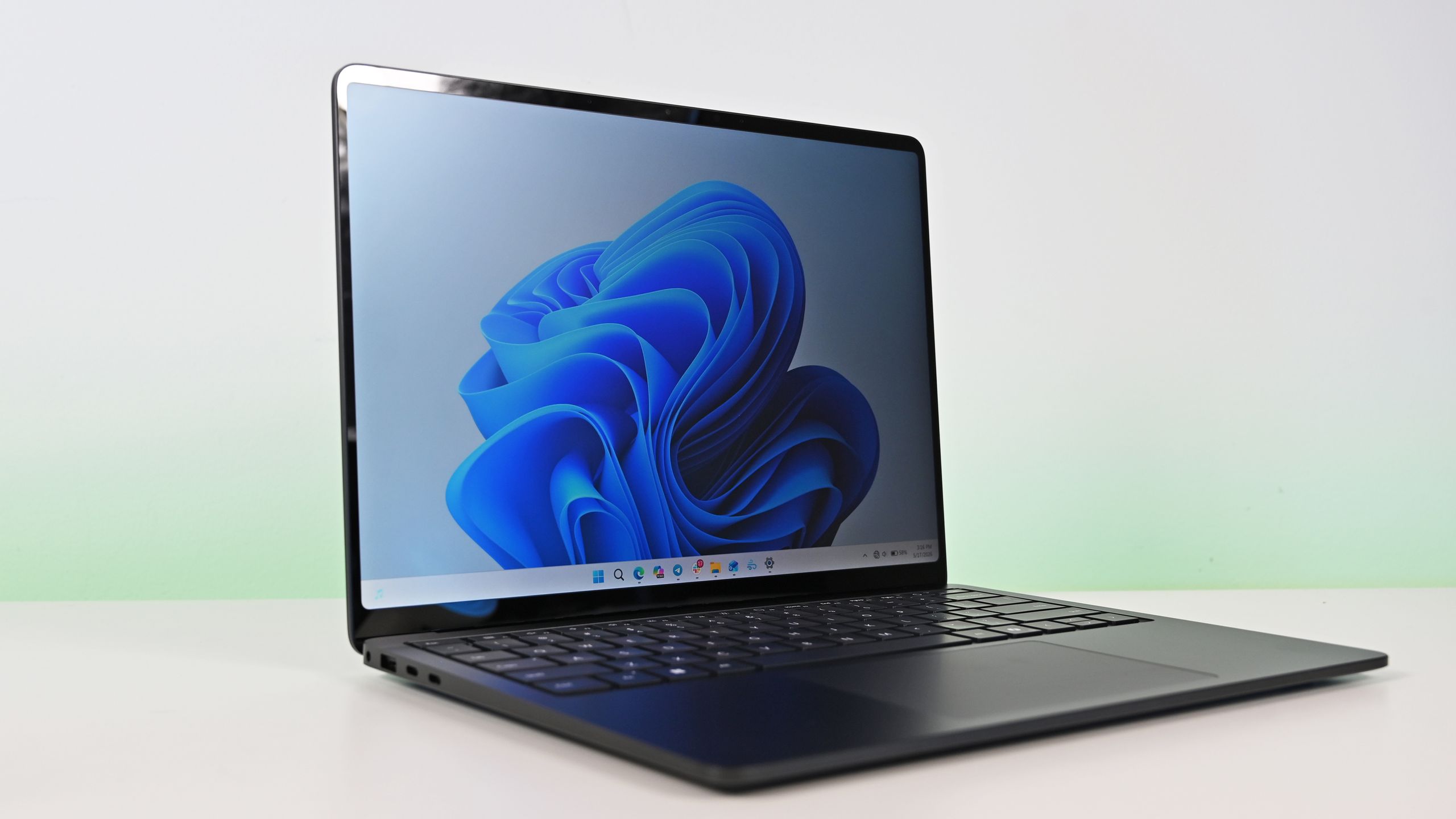
Amazon’s October Prime Day continues with aggressive tech discounts: Surface Pros and Laptops see up to $500 off, Apple Watch SE drops $50, and Pixel 11 Pro takes a $250 cut. Samsung 2TB high-speed SSDs are falling in price, ideal for gaming setups. The sale window closes soon—if hardware upgrades are on your list, this cycle offers rare savings across premium categories.
In Brief
- WhatsApp security tightens: the app now blocks login attempts from devices running outdated operating systems, protecting against legacy vulnerabilities.
- Android Auto loses support on millions of vehicles: older car head units are being cut off, affecting users of compatible 2015–2020 models.
- WSL scales to enterprise: Windows Subsystem for Linux now supports very large servers with experimental sparse VHD storage, broadening adoption in data centers.
- Huawei Watch 6 analysis: the latest smartwatch brings advanced health tracking and fitness metrics rivaling dedicated wearables.
- EU explores ChatGPT watermarks: the regulatory push for AI-generated text to carry visible markers aims to combat misinformation in the bloc.
- Rollable wireless headphones launch: the TDM Neo headphone concept—which compacts into a Bluetooth speaker—is now available in the U.S.
Compiled from the Tech category RSS feed.