
Tech News Roundup — October 6, 2026 (AM)
Artificial intelligence continues reshaping core technology sectors, from mathematics and voice assistants to storage software. OpenAI’s mathematical breakthroughs have ignited controversy over attribution and transparency, while Google prepares to bring AI-powered calling to personal life. Meanwhile, server infrastructure and gaming hardware roll out incremental advances on a steady release cycle.
AI’s Contentious Takeover of Academic Mathematics

OpenAI and other labs have announced breakthroughs on long-standing mathematical problems this year, in some cases pushing beyond what researchers expected current systems capable of—including progress toward one of the famous Millennium Prize problems. But the approach has sparked backlash: AI labs are “moving fast and breaking things” through the discipline with little regard for academic convention or proper credit attribution. Results that might normally be celebrated have instead generated friction over methodology, transparency, and whether AI systems were trained on unpublished mathematician work without consent. OpenAI has formed an advisory group with elite mathematicians to prevent future missteps, yet skepticism remains about whether the promises will bear fruit.
OpenAI Adds Text Watermarking to ChatGPT and Codex

An invisible, machine-readable watermark in text output is rolling out to ChatGPT and Codex, beginning with users in the European Union. The textGrain watermarking approach matched or exceeded other systems like Google DeepMind’s SynthID for text—the same basis for watermarking Anthropic announced in August. Both labs implemented the move to satisfy the EU’s AI Act transparency requirements. OpenAI has published benchmark scores showing watermarked and unwatermarked text produce similar model performance, though the company notes that the watermark does not guarantee full provenance detection in all edge cases.
Google Expanding Gemini Call for Me to Personal Contacts
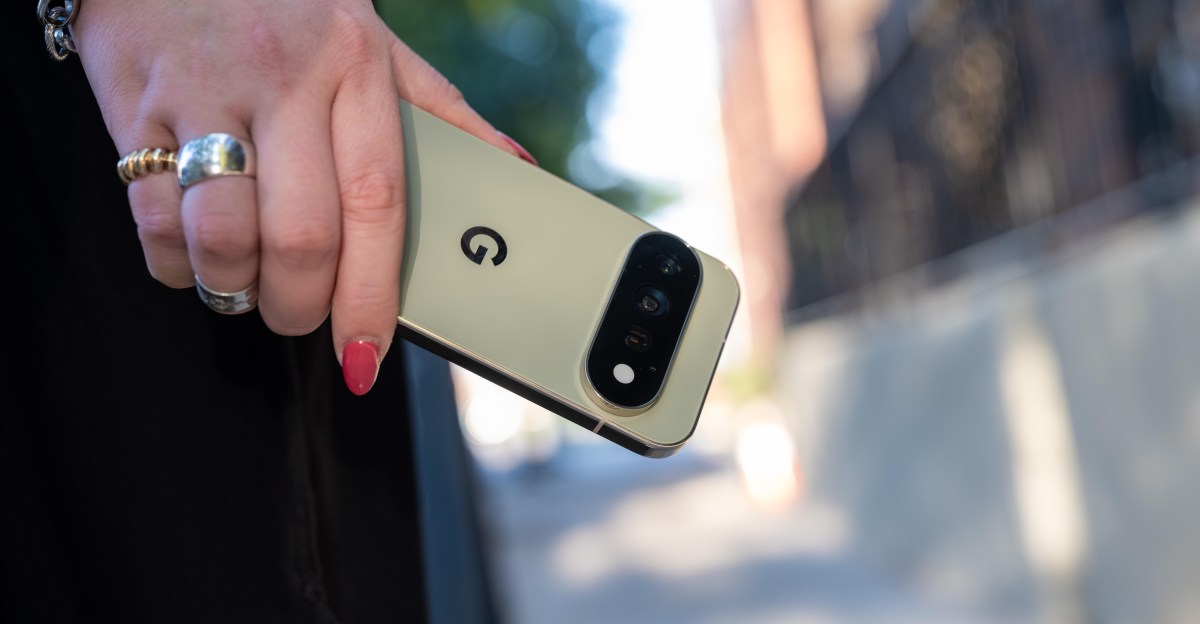
Google is preparing to expand its “Call for Me” AI feature beyond business calls to include personal contacts. Android Authority found a “Gemini Calling” interface in an APK teardown with examples such as “Call Mom and tell her I will be 15 minutes late” and “Call John and ask if he is coming for dinner.” The expansion appears limited to brief, message-like calls rather than extended conversations, offering a way for people to deliver quick voice messages to those who prefer phone calls or miss text notifications.
TrueNAS 27 RC.1 Released with Linux 6.18 LTS
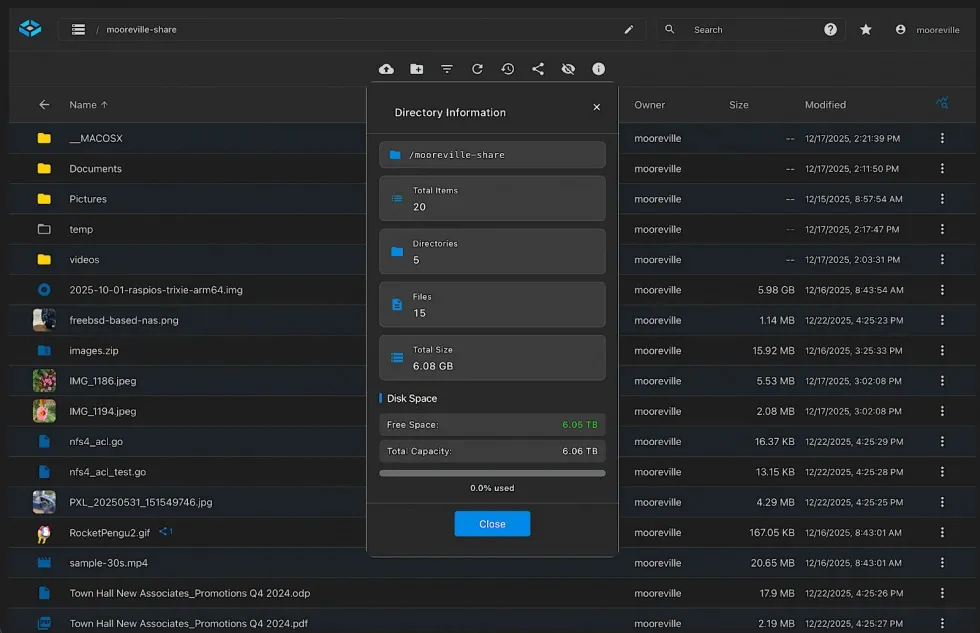
TrueNAS 27 Release Candidate 1 is now available, bringing the next major iteration of iXsystems’ Linux-based storage and NAS operating system. The release candidate includes Linux 6.18 LTS as the kernel backbone and OpenZFS 2.4, representing significant updates to core storage infrastructure for network-attached storage deployments and data center appliances.
Xbox Elite Controller Series 3 Specs Leak via Design Lab
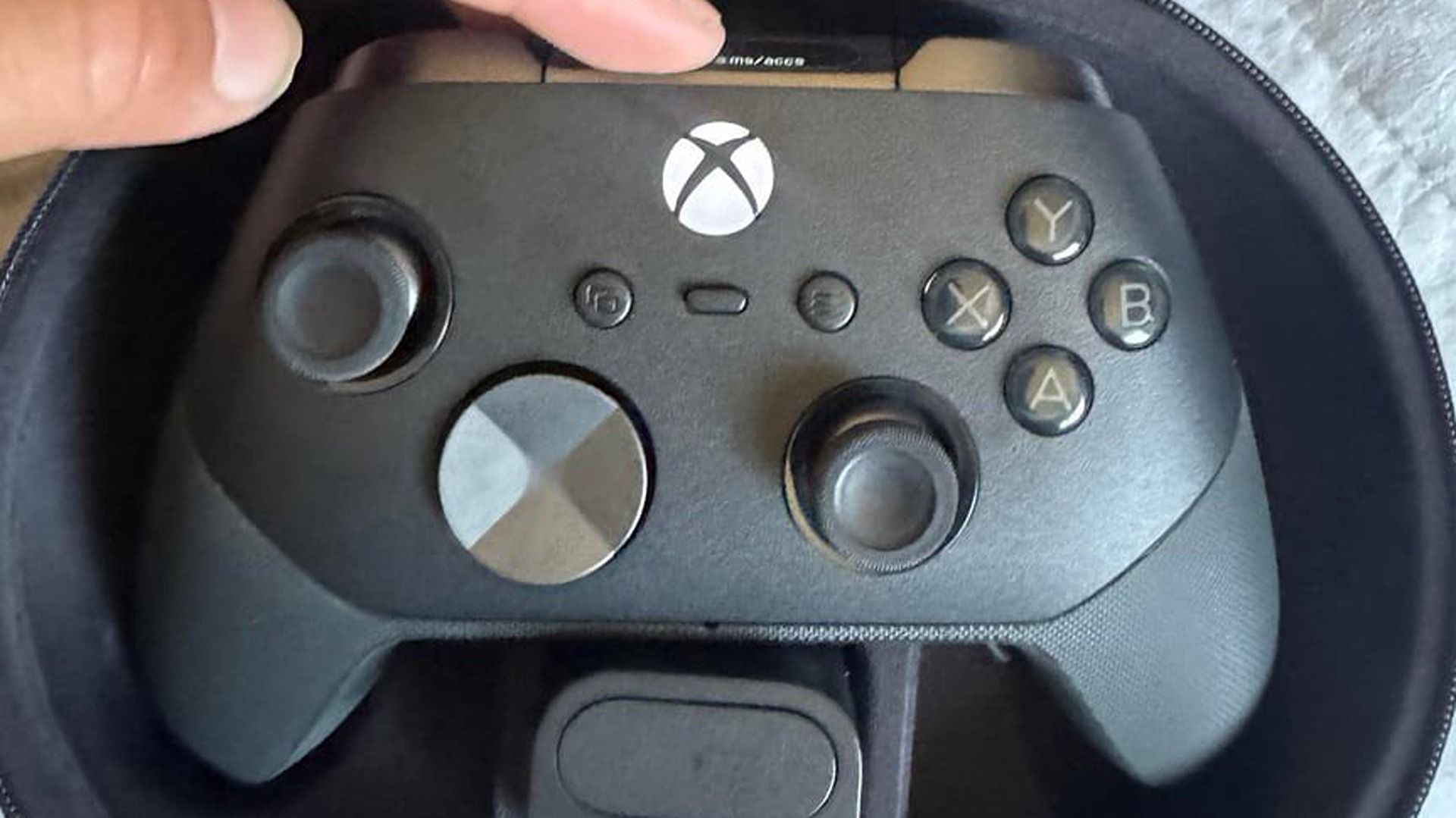
The Xbox Elite Controller Series 3 specifications have leaked through the Xbox Design Lab ahead of an official announcement. The new controller is expected to bring design refreshes and performance improvements to Microsoft’s premium gaming peripheral line, building on the Series 2 platform that has been available for several years.
Tesla’s Robotaxi Struggles with Nighttime Animal Detection

Elon Musk has acknowledged that Tesla’s robotaxi fleet faces challenges in detecting animals at night, revealing limitations in the autonomous driving system’s perception capabilities during low-light conditions. The admission highlights an ongoing weakness in self-driving technology: while current systems perform reasonably well on highways during daylight, edge cases around wildlife and complex night scenarios remain difficult problems for computer vision and sensor fusion.
In Brief
- AMD ROCm 10.1 brings numerous improvements to the open-source GPU compute platform, continuing AMD’s investment in heterogeneous computing tools and developer support.
- AI acne prescriptions: A startup is experimenting with AI-generated clinical assessments for acne treatment, testing whether automated diagnosis can streamline dermatological care workflows.
- Norway restricts AI glasses in certain public locations, setting a precedent for local privacy regulations on wearable recording technology.
Compiled from the configured RSS feed.