
Tech News Roundup — October 5, 2026 (NOON)

Microsoft’s aggressive Windows 11 hardware requirements are finally showing signs of relaxation. Meanwhile, Meta doubles down on privacy features across its messaging platform, and the wearables market readies new devices. Linux 7.3 emphasizes AI as the infrastructure standard, while the open-source community reshuffles governance structures.
Microsoft Relaxes Windows 11 System Requirements
Microsoft’s Windows 11 26H2 Update Runs on PCs Over 20 Years Old. The latest Windows 11 update removes several restrictive hardware barriers, allowing the OS to install on legacy systems that were previously rejected by the TPM 2.0 and CPU requirement checks. Users running older CPUs that lack SSE4.2 and PopCnt instructions can now upgrade to the latest OS version with workarounds, marking a significant shift in Microsoft’s hardware stance after years of strict requirements that alienated older hardware users.
WhatsApp Introduces Restricted Chats Privacy Mode

New Restricted Chats Feature Enhances Message Privacy on WhatsApp. Meta’s messaging platform is rolling out a new privacy control called Restricted Chats, which builds on the previous Private Chats functionality. This feature allows users to designate conversations with enhanced privacy barriers, creating a separate layer of protection for sensitive communications. The capability is currently rolling out to beta testers on Android and iOS as Meta continues its push to position WhatsApp as the privacy-first choice among mainstream messaging apps.
Fitbit Edge Wearable Device Leaks

New Fitbit Edge Fitness Tracker Specifications Emerge. Google’s Fitbit brand is preparing a new wearable device, the Fitbit Edge, with leaked specifications offering hints at its capabilities. The fitness tracker appears positioned as an evolution in Fitbit’s consumer wearables lineup, though full details on the exact feature set and positioning within Google’s broader health and fitness ecosystem remain limited pending the official announcement.
Linux 7.3 Release Candidate Emphasizes AI Infrastructure
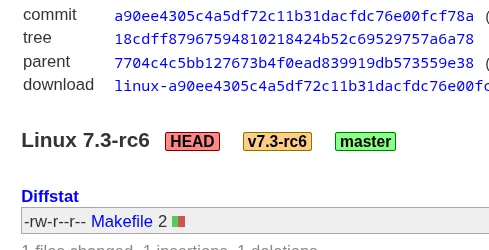
Linux 7.3-rc6 Reflects the New Kernel Development Reality. The Linux kernel’s release candidate cycle continues to prioritize AI-related capabilities and infrastructure improvements. Linus Torvalds’ latest release candidate emphasizes that AI optimization has become the “new normal” for kernel development, with improvements targeting machine learning workloads and accelerator support becoming standard features rather than specialized additions. The push toward AI-optimized infrastructure signals the broader industry shift toward making machine learning a first-class concern in systems software.
In Brief
Rocky Linux Community Launches OpenCourant Fork. The Rocky Linux community has created a community-driven fork of the OpenRadioss project, dubbed OpenCourant, in response to governance concerns with the original project. The move reflects ongoing tensions in open-source projects around control and community influence.
Antimatter Self-Hosted Platform Adds Email Notification Support. The open-source Antimatter digital business card platform has released email notification capabilities for the UGREEN NAS ecosystem, expanding its utility for self-hosted deployments and enabling users to receive alerts on their local infrastructure.
Compiled from the configured RSS feed.