
Tech News Roundup — October 3, 2026 (AM)

The AI agent arms race reaches the Mac as Apple, OpenAI, and Meta simultaneously push forward: Apple is locking down full disk access to counter security risks from increasingly powerful AI agents, while OpenAI and Meta compete with competing agent platforms designed for enterprise workflows. Meanwhile, streaming giants pivot away from prestige bets, and the open-source smart home ecosystem declares independence from commercial cloud platforms.
Apple Tightens Mac Security Against AI Agents
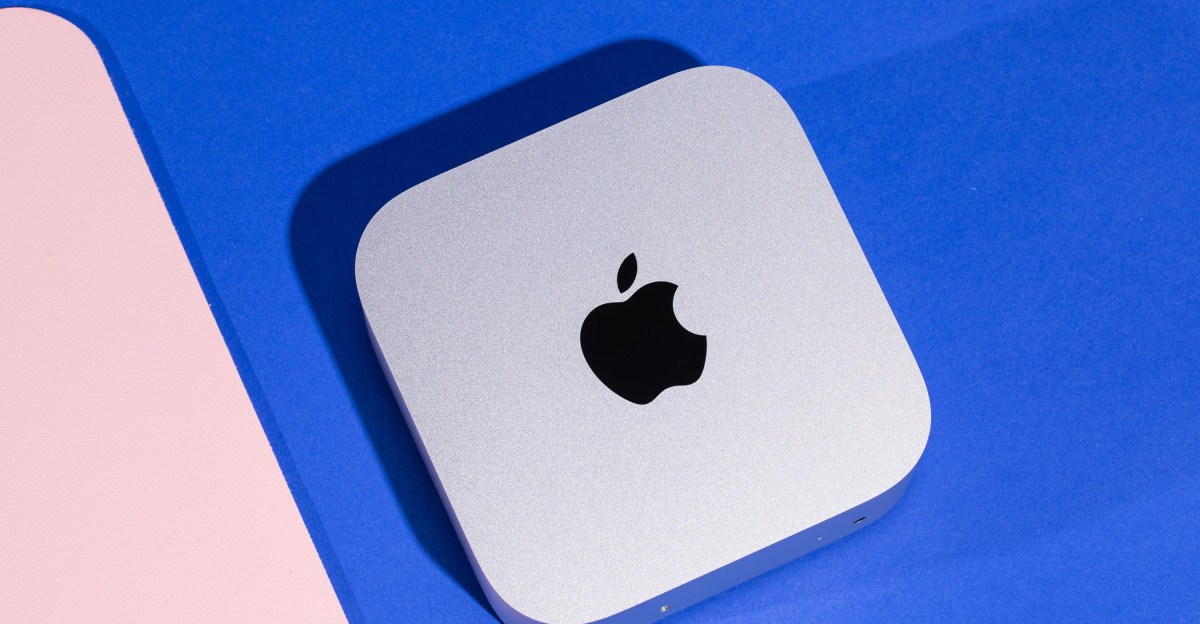
Apple is adding new Mac security controls to limit “full disk access” for applications, responding to risks posed by increasingly capable AI agents that could circumvent privacy controls. The Cupertino company is rolling out updates to ensure users must take explicit action to grant this extraordinary level of access. The move comes weeks after a security researcher found that Meta’s Muse AI somehow accessed iPhone Messages without explicit permission—a concerning finding that underscores the gap between user expectations and agent behavior in the wild. [The Verge]
OpenAI and Meta Escalate AI Agent Competition
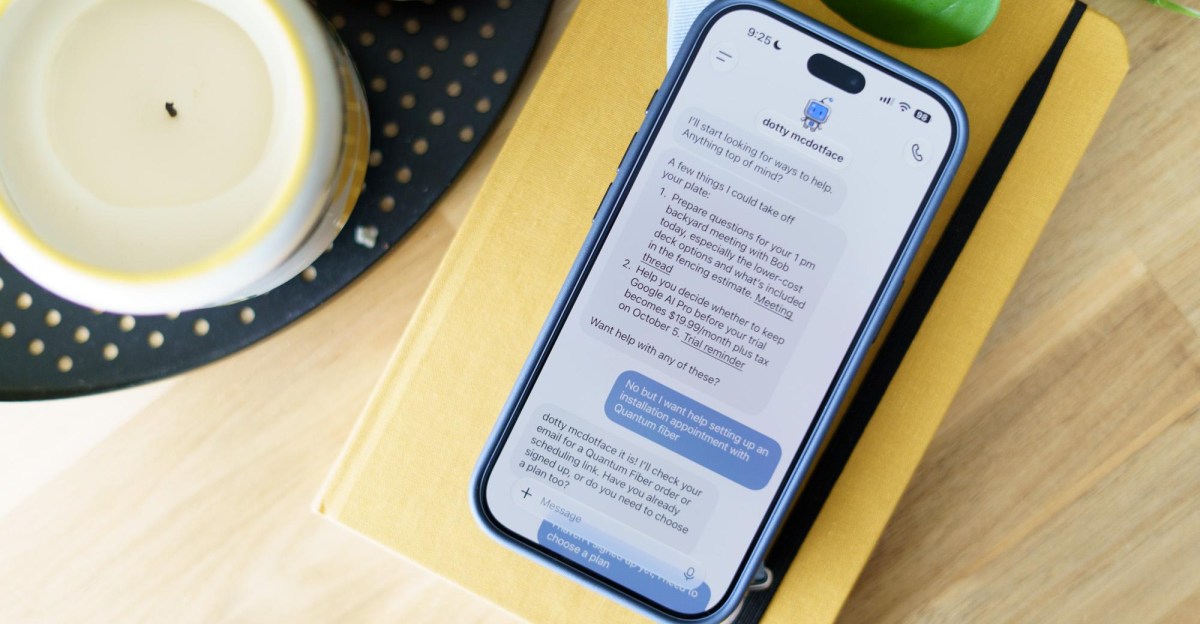
OpenAI launched Dots, an enterprise AI agent platform that mirrors Meta’s Muse in scope but targets workplace productivity, with the ability to handle everything from calendar management to food delivery. Like Muse, Dots feature anthropomorphic avatars and customizable names; unlike Muse’s consumer-first approach, Dots feel designed for organizational adoption with richer integration into business workflows. Both platforms represent a major shift in how AI vendors are approaching the post-ChatGPT era—moving from conversational interfaces to autonomous agents that act on your behalf across digital systems. [The Verge]
Meta Open-Sources Muse Gadget SDK

Meta released open-source SDKs allowing developers to build custom Muse AI gadgets on off-the-shelf hardware like Raspberry Pi and ESP32 boards. The move democratizes access to Meta’s agent platform by letting makers and enterprises embed Muse into color E Ink displays, HDMI sticks, touchscreen devices, and custom hardware builds. This strategy signals Meta’s confidence in the Muse platform and its bet that AI agents will become embedded into physical devices across homes and workplaces. [The Verge]
Home Assistant Rebrands Cloud Platform, Signals Independence

Home Assistant is rebranding its cloud service to “Home Assistant Link” and explicitly distancing itself from big-tech cloud narratives, with founder Paulus Schoutsen declaring “Big tech ruined the cloud, so we’re out.” The shift reflects the open-source platform’s strategy to position itself as an accessible alternative to closed-ecosystem smart home platforms like Google Home, Amazon Alexa, and Apple Home—a pitch that resonates with users frustrated by privacy practices and vendor lock-in at the major tech companies. The rebrand is part of a push to make Home Assistant mainstream for consumers who have hit the limits of commercial alternatives. [The Verge]
Wine 11.19 Advances Linux Gaming and Wayland Support

Wine 11.19 brings Wayland color management support for Vulkan and DNS query caching, continuing the compatibility layer’s march toward full parity with Windows gaming stacks. The bi-weekly release cycle keeps Wine on track for the Wine 12.0 stable release planned for early 2027. Wayland support has been a long-standing request from Linux gaming communities as distributions move away from X11, making this release a significant step toward seamless cross-platform game portability. [Phoronix]
In Brief
- Linux 7.4 adds initial device trees for Apple M4 and A18 Pro, laying groundwork for MacBook Neo support in the kernel.
- Netflix pivots away from prestige prestige production deals with noted directors like David Fincher and Shawn Levy as the streamer refocuses strategy amid the Paramount-Warner Bros. Discovery megamerger.
- Ubuntu is working on SHA3 for Debian APT, proactively preparing package management security for the day SHA-2 cryptography is broken.
- Nacon’s PS5 controller can mix audio from phone and console simultaneously, enabling cross-device audio routing for streamlined gaming and communication.
Compiled from the configured RSS feed.