
Tech News Roundup — October 2, 2026 (PM)

Home Assistant makes a bold statement about cloud computing’s corporate capture, AI infrastructure accelerates despite community resistance, and content-generation AI expands into voice and speech synthesis.
Home Assistant Exits Big Tech’s Cloud

Home Assistant renames its cloud service and removes the cloud from its logo, positioning the open-source smart home platform as an alternative to proprietary ecosystems. The platform’s founder told The Verge that “Big tech ruined the cloud, so we’re out” — a direct critique of how Amazon, Google, and Apple have dominated smart home infrastructure. The rebranded “Home Assistant Link” reflects a longer strategy to make the platform more approachable for mainstream users who discover it after hitting the limits of corporate smart home options. The move signals a broader trend: as cloud services consolidate under a handful of tech giants, independent platforms are repositioning themselves around user control and local-first architecture.
AI Infrastructure Race Accelerates Amid Community Pushback

Amazon and Microsoft are aggressively expanding data center capacity to power AI systems, but communities are fighting back with environmental and economic concerns. Amazon published a 3,000-word blog post calling on people to support AI data center projects, framing opposition as a threat to US economic and national security competitiveness. Matt Garman, AWS CEO, acknowledged “misinformation and outright lies” surrounding data centers while emphasizing that “our nation can’t afford to lose” the AI race. Simultaneously, Microsoft is exploring ways to camouflage data center designs to reduce visual impact on surrounding communities — an indication that both tech giants recognize local resistance to infrastructure expansion. The dual strategy reflects the enormous energy and land requirements of modern AI, pitting infrastructure acceleration against environmental and local concerns.
Microsoft’s X Account Breached in Clippy Crypto Scam

Microsoft’s official X account was compromised in a scheme to promote a cryptocurrency token tied to nostalgic references to Clippy. The attackers gained unauthorized access and reposted a message from a suspended account (@clippymsftcto) asking for support to “bring back” the iconic paperclip assistant — a well-known meme on social media. The deleted posts included both the cryptocurrency promotion and the ironic Clippy nostalgia play. Microsoft apologized, removed the posts, secured the account, and emphasized “we do not endorse cryptocurrency.” The incident underscores the persistent vulnerability of high-profile corporate social media accounts and the opportunistic use of cultural nostalgia by threat actors.
Suno Expands AI Audio Beyond Music into Spoken Voice
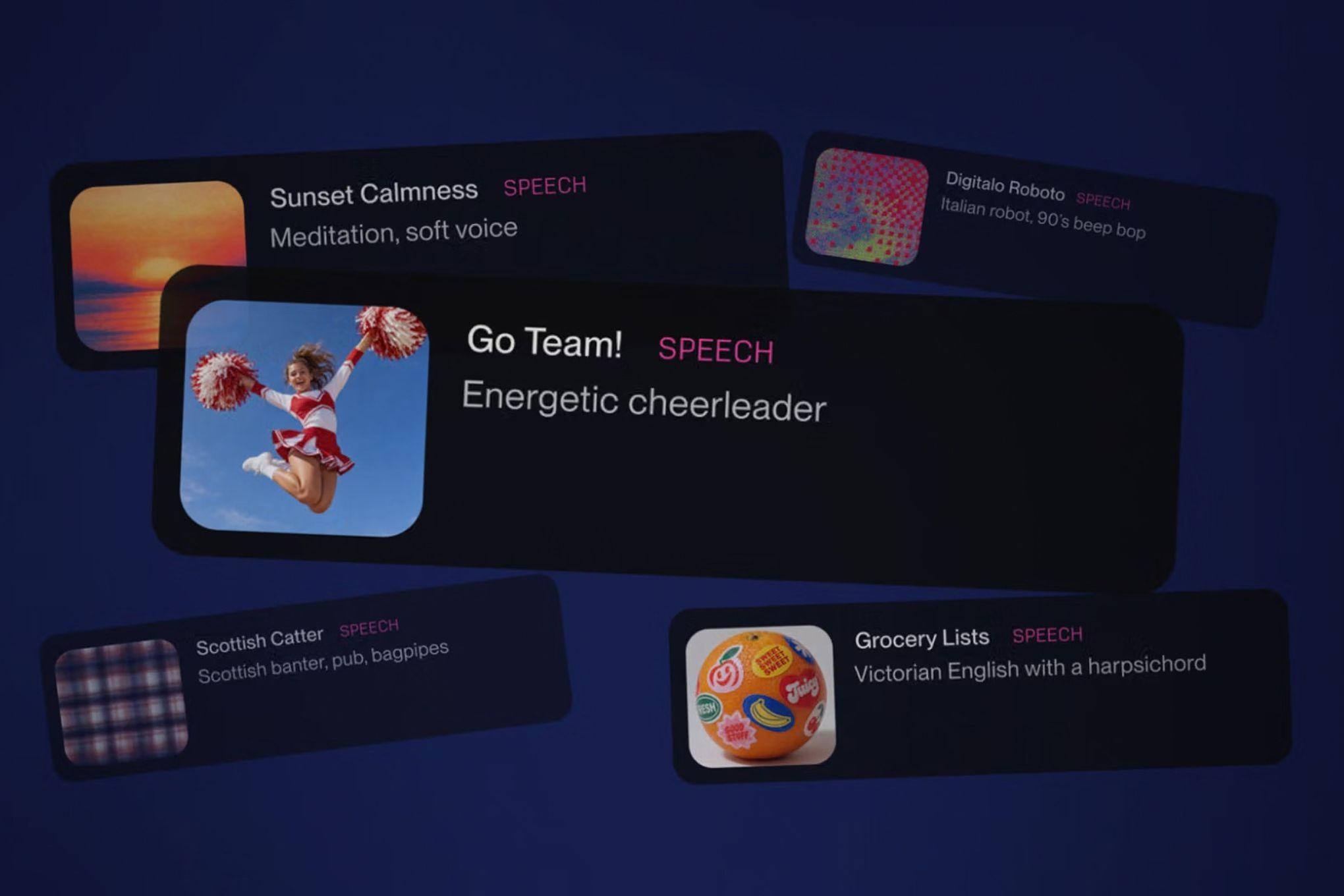
AI music platform Suno launched a speech-generation feature in public beta, allowing users to generate voiceovers and synchronized background music in a single session. The new “Speech” capability expands Suno’s vision beyond music composition, enabling creators to produce podcasts, audiobook narration, and video voiceovers directly within the platform. Suno CPO Jack Brody framed the feature as extending the company’s mission to democratize human expression across multiple audio formats. The move positions Suno against both dedicated voice-AI platforms and traditional voiceover services, and signals a consolidation trend in generative AI where companies are bundling multiple modalities (text, music, speech, video) into unified creative tools.
Samsung Responds to Apple’s Foldable Entry with Market-Leadership Messaging

Samsung launched a global marketing campaign welcoming Apple’s iPhone Duo foldable smartphone, while emphasizing its own years of foldable leadership and engineering maturity. The message, delivered with characteristic irony, positions Samsung as the established authority in foldable design and reliability after years of refinement. Apple’s first foldable entry — the iPhone Duo — represents a major milestone in bringing foldable technology to the mainstream, but Samsung’s response underscores that the company has already solved core challenges (durability, display longevity, software integration) that Apple must still address. The competitive dynamic highlights how foldable phones are transitioning from novelty category to mainstream smartphone form factor, with both companies now competing on execution and ecosystem integration rather than fundamental technology.
Graphics Drivers & Open-Source Momentum
Imagination Technologies announced ongoing development of its open-source PowerVR Mesa Vulkan driver with support planned for the company’s new Volcanic GPU architecture. The updates were shared at XDC 2026 in Toronto and reflect broader momentum in the graphics ecosystem toward open standards and vendor-contributed drivers. Linux graphics development continues to be driven by upstream contributions from hardware vendors competing on performance and compatibility rather than proprietary lock-in.
Compiled from the configured RSS feed.