
Tech News Roundup — October 2, 2026 (NOON)
October brings a flurry of AI agent announcements, hardware evolution, and regulatory clarity to the tech sector. From handheld gaming to AI competition, the industry reshapes itself as major platforms race toward generational transitions.
Steam Deck 2: AMD Gainsborough in Sight
Valve has been waiting years for a chip with the performance and efficiency leap needed to justify a Steam Deck 2. Recent driver leaks suggest that moment may have arrived: AMD’s codename “Gainsborough”—named after Final Fantasy VII’s Aerith Gainsborough, following the original “Aerith” APU naming scheme—points to the company’s next-generation handheld processor. The chip isn’t officially confirmed yet, but leakers Moore’s Law is Dead and IT Home have spotted it in AMD’s latest drivers. Gainsborough’s inclusion could finally deliver the generational leap Valve requires for a sequel, potentially arriving within the next 18–24 months.
OpenAI Dots Takes On Meta’s Muse AI Agents
At OpenAI DevDay 2026, CEO Sam Altman announced Dots—a new AI agent powered by GPT-6 Astra and designed to compete directly with Meta’s already-successful Muse AI agent platform. Like Muse, Dots adopts a disarming avatar approach with colorful, customizable blobs with eyes, but differentiates itself by demonstrating metaverse-style virtual world-building capabilities. The move marks an escalation in the AI agent arms race between OpenAI and Meta, both racing to move beyond chatbot interfaces toward autonomous assistant platforms. However, Meta’s free-tier pricing gives Muse a significant advantage as Dots attempts to justify its premium positioning.
Google’s AI Overviews Survive Legal Challenge
A federal judge has dismissed antitrust lawsuits filed by Chegg and Rolling Stone parent company Penske Media Corporation against Google’s AI-powered search feature. The publishers had accused Google of abusing its monopoly power by coercing them into supplying content for AI Overviews for free—or risk disappearing from search results. US District Judge Amit Mehta ruled Wednesday that the plaintiffs’ antitrust claims do not hold up under law, delivering a significant regulatory victory for Google’s AI search expansion and clearing a pathway for the company’s continued deployment of AI summaries in search.
Microsoft’s Office and Teams Leadership Reshuffles
Ryan Roslansky, who spent nearly 18 years at Microsoft and LinkedIn, is departing from the company after leading both the Office and Teams divisions. His promotion to head of Office last year followed his role as LinkedIn CEO, and he subsequently took control of Teams earlier this year. CEO Satya Nadella’s memo praised Roslansky for establishing “strong product, engineering, and design foundations,” though the timing of his departure—a week after another Microsoft leadership change—suggests an acceleration in the company’s ongoing reorganization around AI-integrated productivity tools.
Linux Ecosystem Momentum Builds
The Linux development pipeline continues to accelerate across multiple fronts. Fedora 45 Beta benchmarks show stable performance characteristics as the distribution approaches its November release. Mesa graphics drivers are shedding legacy code, dropping its rarely-used and poorly-maintained Direct3D 10 user-mode driver to streamline the open-source graphics stack. Meanwhile, Linux kernel optimization efforts are pushing toward sub-10-second build times on modern hardware, with Xeon 600 series processors enabling unprecedented compile speed. Qt Creator 21 Beta ships with expanded AI functionality enabled by default, and Phoronix documented 284 original Linux news stories in September alone, signaling a vibrant month for the ecosystem heading into October’s major release cycle (Ubuntu 26.10 and Fedora 45).
Bose QuietComfort Headphones: Second Generation
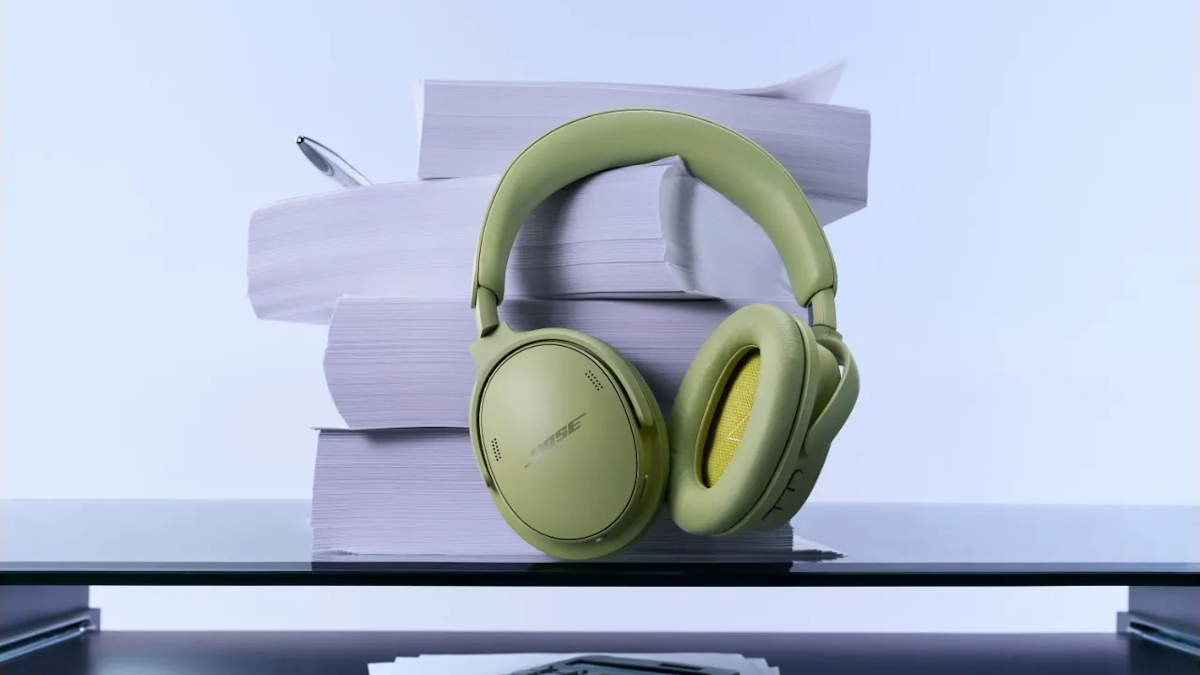
Bose has launched the second generation of its iconic QuietComfort Headphones, doubling down on ergonomics and acoustic isolation while introducing native spatial audio and lossless physical transmission. The update emphasizes acoustic versatility and represents an evolution of the line’s historical focus on comfort and noise cancellation. The new headphones maintain the reference ergonomics that made the original line successful while addressing modern audio requirements and wireless standards.
Compiled from the configured RSS feed.