
Tech News Roundup — October 1, 2026 (NOON)

The tech sector sees continued evolution in open-source platforms, mobile ecosystem challenges, and competitive responses from gaming hardware makers. Major players restructure around profitability while emerging markets introduce novel form factors competing with established designs.
Linux Distributions Push AI Integration
OpenMandriva ROME 26.09 shipped this month after a long delay, bringing enhanced AI application support, improved package management with Snaps, and compiler-level optimizations (PGO + LTO) that boost performance across the platform. The release marks a recovery for the distribution after reported sabotage attempts and technical roadblocks that pushed it months behind schedule. The focus on bundled AI tooling reflects broader industry momentum toward integrating machine learning capabilities directly into operating system distributions.
Graphics and Gaming: VR Foveated Rendering in Development
Valve’s ongoing work on the Steam Frame VR headset has led to advances in foveated rendering support for the open-source Turnip driver, enabling Qualcomm Adreno graphics to intelligently render high detail at the user’s direct gaze while reducing quality in peripheral vision. This technique conserves power and improves performance, particularly important for untethered headset operation. The implementation represents progress on Valve’s long-term VR ambitions alongside the rumored next-generation console.
Apple Ecosystem: Google-Sourced App Crash Wave
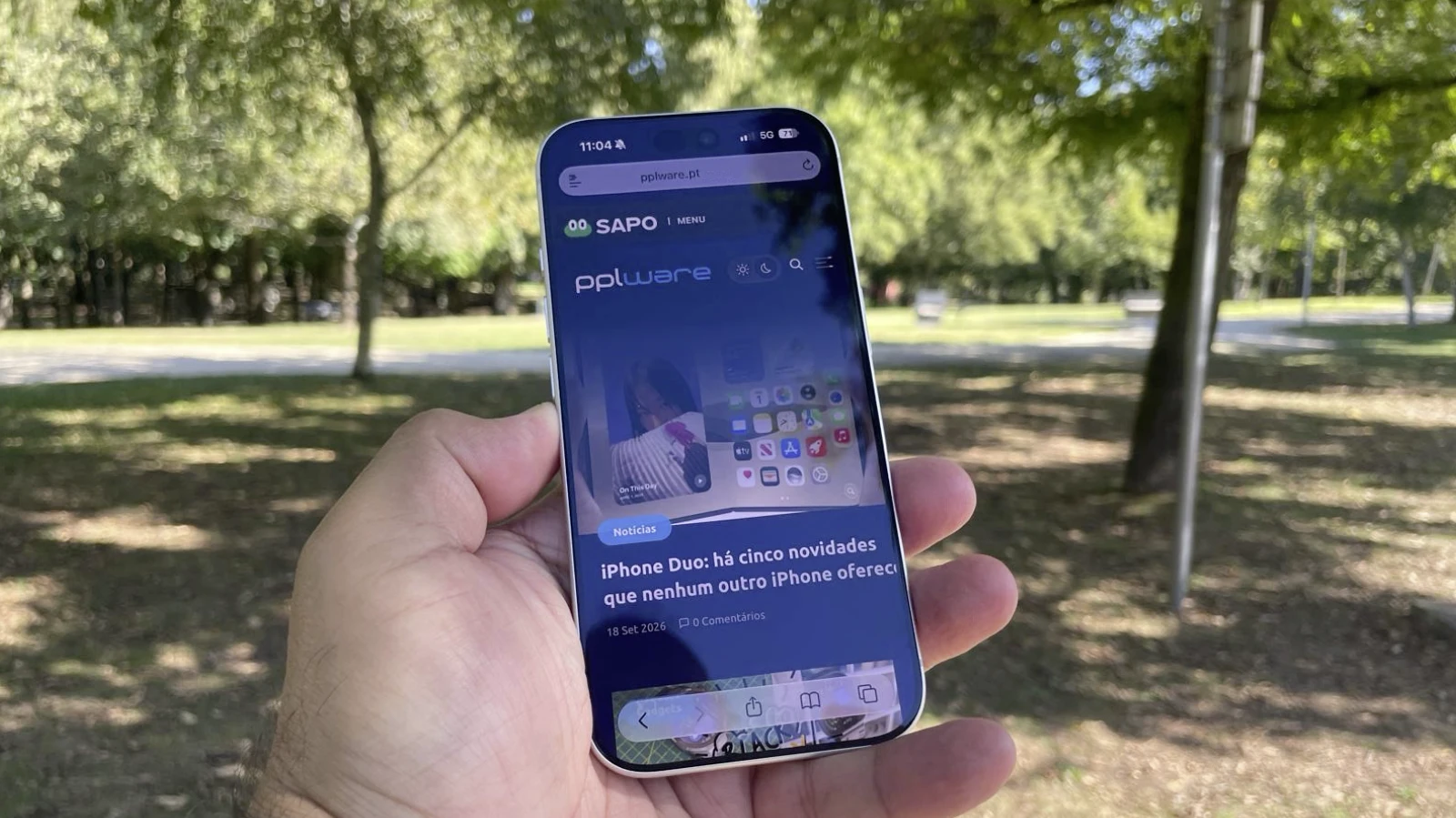
Thousands of iPhone users worldwide experienced simultaneous app crashes across popular applications, an incident initially attributed to Apple but traced to Google infrastructure dependencies. The widespread failures, which left affected apps unable to launch, highlighted the interconnected nature of mobile ecosystems and third-party service reliance. Google’s infrastructure issue demonstrated how a single point of failure in a widely-used backend service can cascade across millions of devices operating different operating systems.
Console Gaming: Xbox Restructuring Amid Speculation

Xbox CEO Asha Sharma firmly denied speculation that Microsoft plans to divest the gaming division, stating “Xbox is not for sale” in response to repeated sell-off rumors. The denial comes after months of aggressive restructuring, including studio closures and personnel reductions, which analysts interpreted as positioning for acquisition. Sharma outlined continued investment in major franchises like Fallout and Halo, alongside the long-awaited next-generation Xbox console (Helix), framing the cuts as necessary optimization rather than divestiture preparation. The persistent speculation reflects broader uncertainty under Microsoft CEO Satya Nadella’s increasingly enterprise-focused strategy, which has seen the company retreat from consumer hardware categories over the past decade.
Foldable Phones: Design Divergence as Market Matures
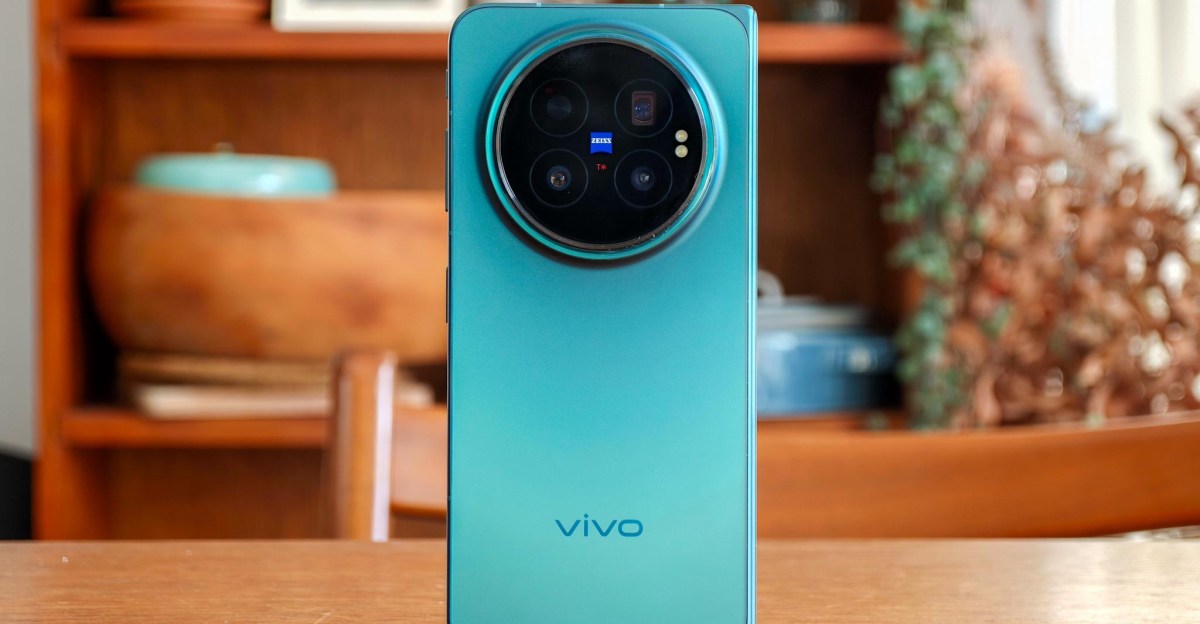
Vivo’s X Fold 6 global release highlights a growing divide in foldable phone design philosophy. The device maintains a narrower, more traditional smartphone-like cover display (20:9 aspect ratio) and larger square-ish inner fold (8.02 inches), a form factor that dominated the market six months ago. By contrast, Apple’s iPhone Duo and Samsung’s Galaxy Z Fold 8 have both shifted to wider, shorter form factors optimized for one-handed use and split-screen applications, making the X Fold 6’s design feel dated relative to the current generation. The X Fold 6’s more visible crease and lower IP59 dust rating further highlight the performance gap between Chinese manufacturers and established players who now dominate premium foldable specifications.
Compiled from the configured RSS feed.